The Highest Leopard Density in the World (Yala)
Introduction to Yala: A Wildlife Enthusiast's Paradise If you're a nature lover and enthusiast of the great outdoors, you might be interested to learn abou
The Lankawebsites editorial team curates, fact-checks, and updates guides on personal finance, property, health, immigration, legal, business, and lifestyle topics relevant to Lankawebsites readers. Articles are produced with AI assistance and reviewed by the editorial team before publication.
Introduction to Yala: A Wildlife Enthusiast's Paradise
If you're a nature lover and enthusiast of the great outdoors, you might be interested to learn about Yala, a region in Sri Lanka that boasts the highest leopard density in the world. As a New Zealander, you might be familiar with our own unique and diverse wildlife, but Yala offers a truly unique experience that's sure to captivate and inspire. Located in the southeastern part of Sri Lanka, Yala is a haven for wildlife enthusiasts, with its lush forests, grasslands, and scenic coastlines providing a home to a wide variety of flora and fauna.
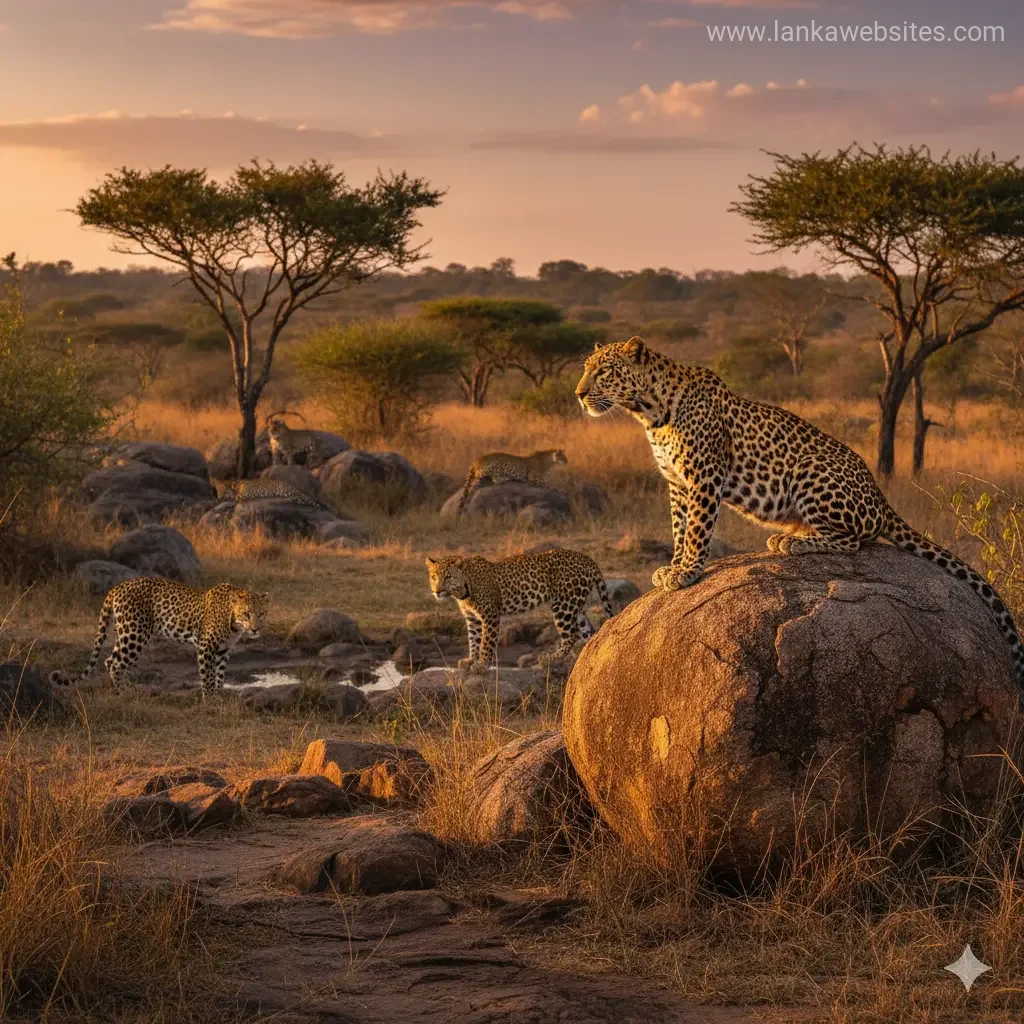
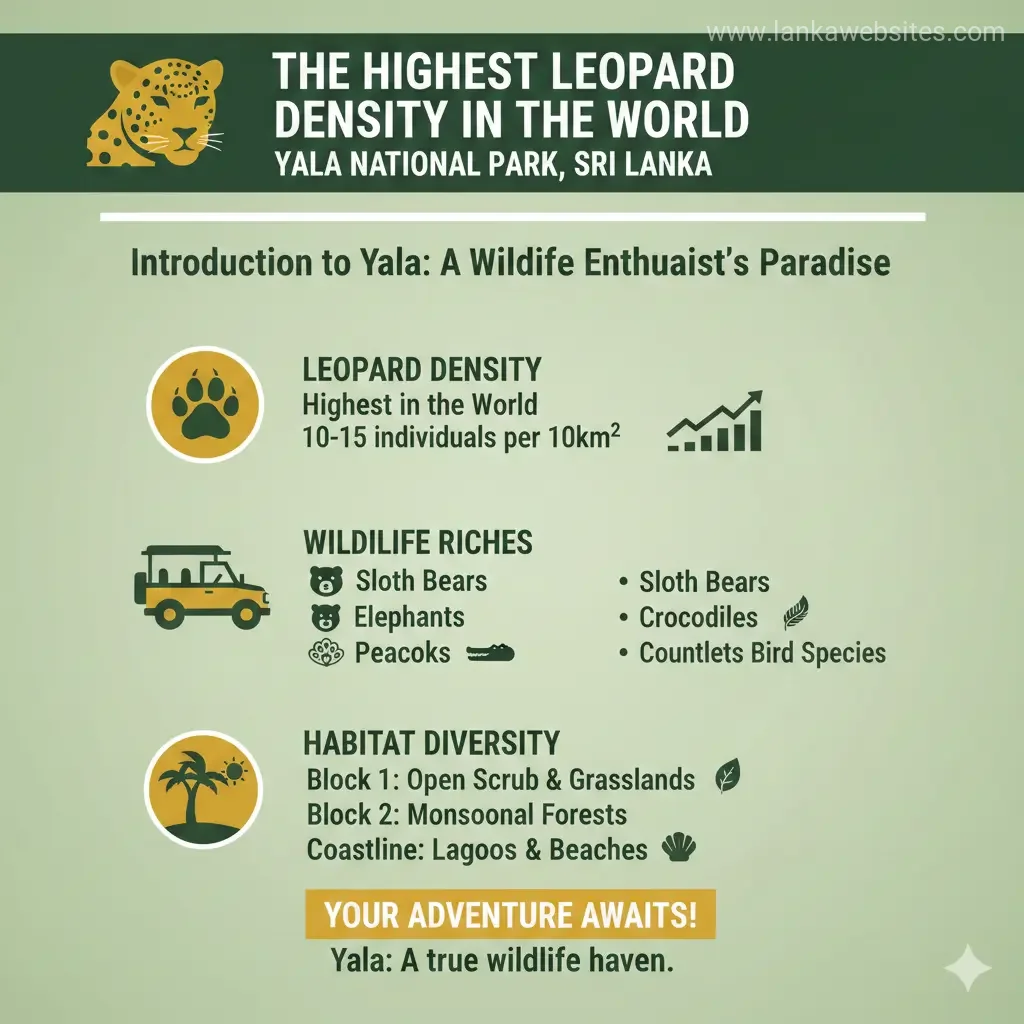
Yala is perhaps most famous for its leopard population, with estimates suggesting that the region is home to around 25-30 leopards per 100 square kilometres. This is an astonishingly high density, and one that makes Yala a must-visit destination for anyone interested in seeing these majestic creatures in their natural habitat. But Yala is more than just a leopard sanctuary - it's also home to a wide range of other wildlife, including elephants, sloth bears, and over 200 species of birds.
As you plan your trip to Yala, you'll want to make sure you're prepared for the adventure of a lifetime. From the best times to visit and what to pack, to tips on how to make the most of your safari experience, we've got you covered. In this article, we'll delve into the world of Yala, exploring its unique wildlife, stunning landscapes, and the practical information you need to know to make your trip a success.
Understanding Yala's Unique Ecosystem
Yala's unique ecosystem is characterised by a mix of forests, grasslands, and wetlands, which provide a diverse range of habitats for its incredible array of wildlife. The region is bounded by the Indian Ocean to the south, and is situated in a area of high rainfall, which supports the growth of lush vegetation and a wide range of flora. This, in turn, supports a vast array of fauna, from the tiny insects and reptiles that call Yala home, to the larger mammals like leopards, elephants, and sloth bears.
Some of the key features of Yala's ecosystem include:
- Lush forests: providing shelter and habitat for a wide range of wildlife
- Grasslands: offering a habitat for grazing animals like deer and wild boar
- Wetlands: supporting a wide range of aquatic life, from fish and frogs to birds and crocodiles
- Scenic coastlines: providing a habitat for marine life, and a stunning backdrop for your safari adventure
Planning Your Trip to Yala
If you're thinking of visiting Yala, there are a few things you'll want to keep in mind when planning your trip. Firstly, the best time to visit is during the dry season, which runs from May to August. This is the best time to see leopards, as they are more active during this time, and the dry weather makes it easier to spot them. You'll also want to pack accordingly, with comfortable clothing, sturdy shoes, and plenty of water and sunscreen.
Some other things to consider when planning your trip include:
- Accommodation: ranging from budget-friendly guesthouses to luxury lodges and resorts
- Transportation: from hiring a car or driver, to taking a guided tour or using public transport
- Safari tours: choosing a reputable operator, and opting for a guided tour to get the most out of your experience
- Responsible tourism: being mindful of your impact on the environment, and respecting the local wildlife and their habitats
Making the Most of Your Safari Experience
When it comes to making the most of your safari experience, there are a few things you can do to ensure you get the most out of your time in Yala. Firstly, be patient, and don't expect to see leopards or other wildlife immediately. It may take some time, but with a good guide and a bit of luck, you'll be rewarded with some incredible sightings.
Some other tips for making the most of your safari experience include:
- Bring binoculars: to get a closer look at the wildlife, without disturbing them
- Keep quiet: and avoid sudden movements, to avoid scaring off the animals
- Follow your guide's instructions: they have extensive knowledge of the area, and can help you get the most out of your experience
- Respect the wildlife: keeping a safe distance, and not feeding or touching the animals
Conservation Efforts in Yala
Yala is not just a fantastic destination for wildlife enthusiasts, but it's also an important centre for conservation efforts. The region is home to a number of conservation projects, which aim to protect the local wildlife and their habitats, and to promote sustainable tourism practices.
Some of the key conservation efforts in Yala include:
- Habitat preservation: protecting the natural habitats of the local wildlife, and restoring damaged or degraded areas
- Research and monitoring: studying the local wildlife, and monitoring their populations and habitats
- Community engagement: working with local communities to promote sustainable tourism practices, and to support conservation efforts
- Education and awareness: raising awareness about the importance of conservation, and educating visitors about the local wildlife and their habitats
Staying Safe in Yala
Finally, when visiting Yala, it's essential to stay safe, and to be aware of the potential risks and hazards. Some of the key things to be aware of include:
- Wildlife encounters: keeping a safe distance from the wildlife, and avoiding sudden movements or loud noises
- Weather conditions: being prepared for extreme weather, such as heavy rainfall or intense heat
- Health and hygiene: taking precautions against illness and disease, such as drinking plenty of water and washing your hands regularly
- Local conditions: being aware of local conditions, such as road closures or political unrest, and planning accordingly
Conclusion and Key Takeaways
In conclusion, Yala is a truly unique and fascinating destination, offering a chance to see some of the world's most incredible wildlife in their natural habitat. With its highest leopard density in the world, Yala is a must-visit destination for anyone interested in wildlife and conservation. By planning your trip carefully, being mindful of your impact on the environment, and respecting the local wildlife and their habitats, you can have a safe and enjoyable experience in Yala.
Some of the key takeaways from this article include:
- Plan ahead: researching the best times to visit, and planning your itinerary carefully
- Be prepared: packing accordingly, and being aware of the potential risks and hazards
- Respect the wildlife: keeping a safe distance, and avoiding sudden movements or loud noises
- Support conservation efforts: choosing a reputable tour operator, and supporting local conservation projects
- Stay safe: being aware of the potential risks and hazards, and taking precautions to stay safe and healthy.
By following these tips, and being mindful of your impact on the environment, you can have a truly unforgettable experience in Yala, and help to support the conservation of this incredible region.
Related Articles

The Island Has Over 3,000 Years of Recorded History
Introduction to New Zealand's Rich History New Zealand is a country with a fascinating history that spans over 3,000 years, with a rich cultural heritage t

Sri Lanka Has More Elephants Than African Countries Per Square Km
Introduction to Sri Lanka's Elephant Population As you delve into the world of wildlife, you may come across some fascinating facts that will leave you in

Sigiriya Mirror Wall: Ancient Graffiti from 8th Century
Introduction to the Sigiriya Mirror Wall As you explore the ancient ruins of Sigiriya in Sri Lanka, you'll stumble upon a fascinating piece of history - th

The Mahavamsa: One of the World's Longest Historical Chronicles
Introduction to the Mahavamsa The Mahavamsa, which translates to "Great Chronicle" in English, is one of the longest historical chronicles in the