Turtle Conservation Projects in Sri Lanka: How to Volunteer Responsibly
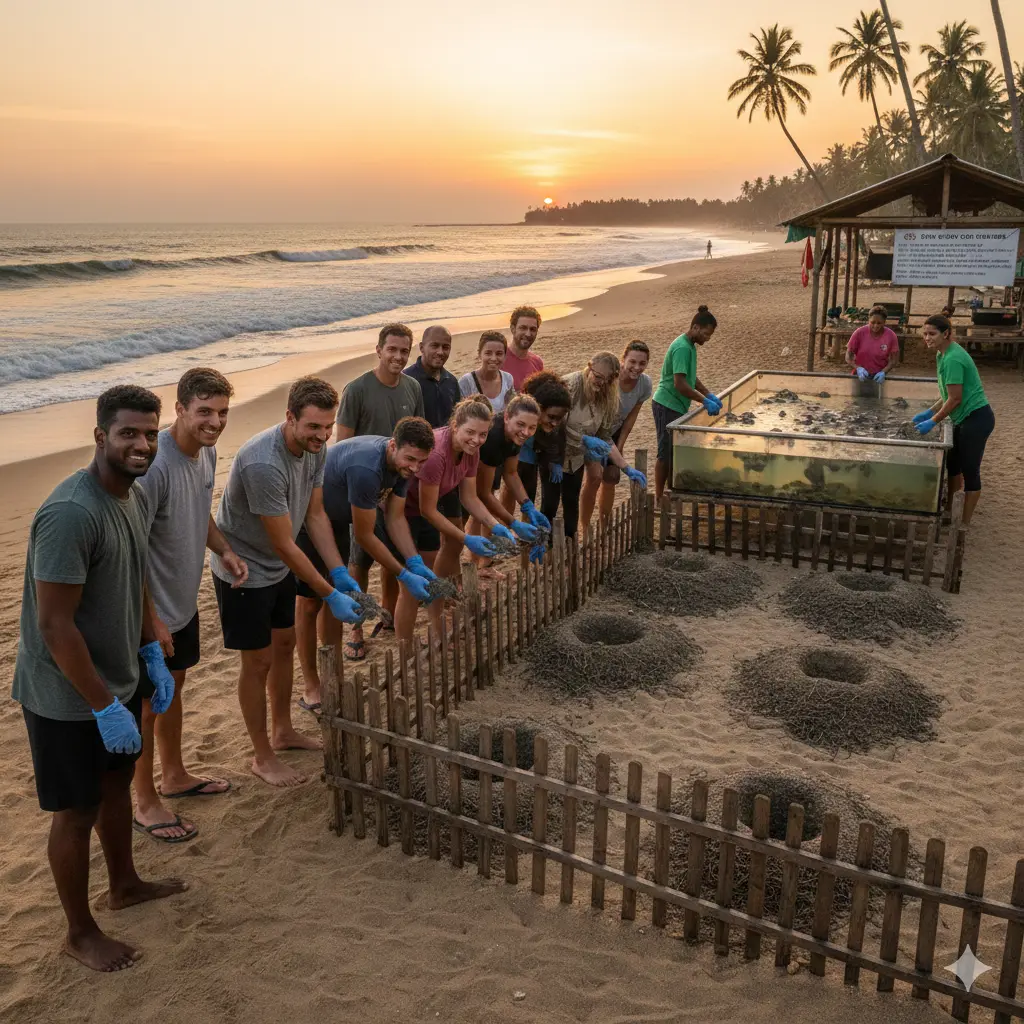
Imagine patrolling a moonlit beach in southern Sri Lanka, spotting a leatherback turtle hauling herself ashore to lay eggs. That's the magic of volunteering for turtle conservation projects in Sri Lan
The Lankawebsites editorial team curates, fact-checks, and updates guides on personal finance, property, health, immigration, legal, business, and lifestyle topics relevant to Lankawebsites readers. Articles are produced with AI assistance and reviewed by the editorial team before publication.
Imagine patrolling a moonlit beach in southern Sri Lanka, spotting a leatherback turtle hauling herself ashore to lay eggs. That's the magic of volunteering for turtle conservation projects in Sri Lanka. Our island's pristine coasts host five species of sea turtles—green, hawksbill, olive ridley, loggerhead, and leatherback—all endangered due to poaching, fishing nets, and habitat loss. As locals, we can make a real difference by volunteering responsibly, supporting ethical projects that protect these ancient mariners while boosting our coastal communities.
Why Sea Turtles Matter to Sri Lanka
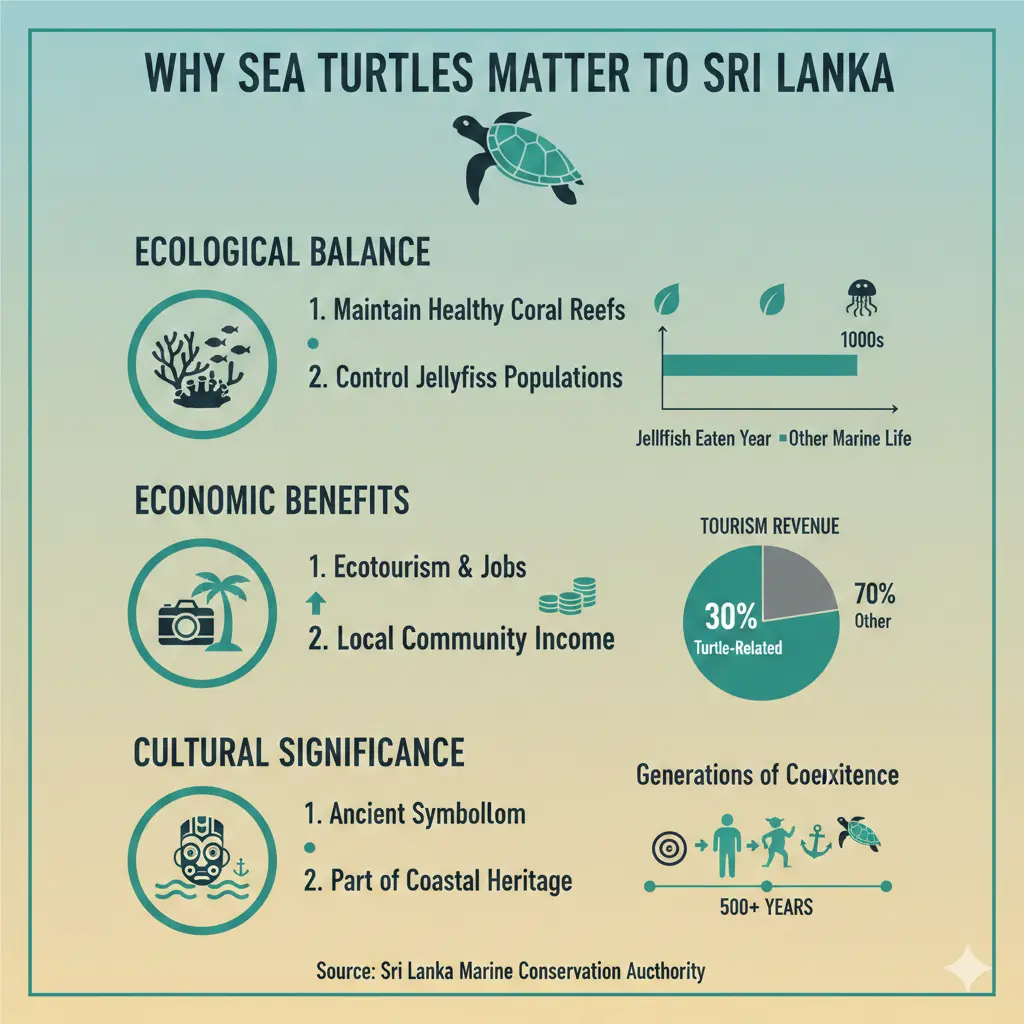
Sea turtles have nested on our shores for centuries, playing a vital role in healthy oceans. They graze seagrass, keeping it short and promoting biodiversity, and their nests aerate beaches, aiding dune formation.Turtle conservation projects in Sri Lanka aren't just about saving animals—they sustain fishing livelihoods and ecotourism jobs for us locals.
Threats are real: excessive commercial fishing, egg poaching by humans and predators like dogs and monitor lizards, and plastic pollution have dwindled populations. Many hatcheries struggle with limited government support, relying on volunteers like you to thrive. Ethical volunteering helps rebuild populations for resilient oceans.
Key Turtle Nesting Beaches and Hotspots
Sri Lanka's western and southern coasts are prime nesting grounds. Government-authorised hatcheries dot beaches from Negombo to Yala.
- Galle and Unawatuna: Popular for olive ridley and green turtles; beach clean-ups here directly aid nesting.
- Galbokka Beach: Focus on endangered species protection and ecosystem preservation.
- Dehiwala-Mount Lavinia: Home to projects rehabilitating injured turtles.
- Southern shores near hatcheries: Leatherbacks nest here; ethical projects aim to leave nests in situ where safe.
These spots offer hands-on volunteering, but choose responsibly to avoid exploitative setups.
How to Choose Ethical Turtle Conservation Projects
Not all projects are equal. Many so-called "sanctuaries" exploit turtles for tourist selfies, disrupting natural behaviour. Look for 100% ethical operations like The Mighty Roar, the first in Sri Lanka guaranteeing no animal disturbance.
Red Flags to Avoid
- Projects allowing turtle handling or flash photography at night.
- No research component or community education.
- Heavy reliance on tourist fees without conservation focus.
Green Flags for Responsible Volunteering
- Data collection shared with government for better laws.
- Community involvement, like employing former poachers.
- Non-invasive practices: nest relocation only when needed, natural release.
- Age-appropriate programs, e.g., for teens via Projects Abroad.
Projects like Volunteering Solutions in Galle emphasise hatchery care without exploitation.
Top Turtle Conservation Projects for Volunteers in 2026
Here's a rundown of reputable options tailored for us locals or short-term visitors. Costs start low, fitting tight budgets.
| Project | Location | Duration | Key Activities | Cost (from) |
|---|---|---|---|---|
| The Mighty Roar | Southern beaches | 1-12 weeks | Hatchery work, research, community education, beach patrols | $260 USD |
| Volunteering Solutions | Galle/Unawatuna | 1-12 weeks | Hatchery maintenance, beach cleans, night patrols | Varies; check site |
| Projects Abroad | South coast | Teen programs | Protection, ecosystem preservation | Contact for rates |
| Volunteer World | Beachfront hatcheries | Flexible | Nest relocation, awareness guiding | Affordable options |
| The Great Turtle Project | Sanctuary | 1-12 weeks | Daily care, releases | From short stays |
Start dates align with nesting seasons: peaks in Galle from November to April. For 2026, expect slots from January onwards—book early via their sites.
Your Day-to-Day as a Turtle Conservation Volunteer
Expect a mix of action and learning. A typical schedule with Volunteering Solutions:
- Morning (8-12pm): Hatchery tasks—clean tanks, feed turtles, check nests.
- Afternoon (1-4pm, Mon-Wed): Caring for injured turtles, medicating under staff guidance.
- One day weekly: Beach clean-ups, sorting waste for recycling.
- Night patrols: Spot nests, relocate eggs safely (3-4 nights/week in season).
- Evenings: Data logging, community talks on plastics and poaching.
With The Mighty Roar, you'll gather research for government reports, potentially influencing anti-poaching laws. Longer stays unlock advanced roles like biologist collaborations.
Sri Lanka-Specific Laws and Guidelines
Our Fauna and Flora Protection Ordinance (1937, amended) bans turtle poaching and egg collection, with fines up to Rs. 100,000 or jail.[Official: Department of Wildlife Conservation]. Volunteers must follow: no touching hatchlings, dim lights on beaches, report violations. Ethical projects comply fully, training you on these.
Practical Tips for Responsible Volunteering
As a local, you're perfectly placed—many projects welcome day volunteers or short commitments.
- Prepare physically: Patrolling means midnight walks on sand; bring insect repellent, torch, sturdy shoes.
- What to bring: Reusable water bottle, sunscreen, long sleeves for sun/mosquitos. No plastics!
- Stay safe: Follow staff on patrols; currents are strong. COVID protocols may linger in 2026—check jabs.
- Minimise impact: Use public transport to sites; support local eateries.
- For families/teens: Programs like Projects Abroad suit 16+.
Costs cover accommodation (beach huts often), meals. Locals get discounts—ask!
Get Involved Today: Your Next Steps
Ready to protect our turtles? Pick an ethical project, check 2026 dates, and sign up. Start small—a weekend beach clean—or commit weeks for impact. Every nest protected counts towards safer beaches for our kids. Visit project sites, join local WhatsApp groups for updates, and share your story to inspire fellow Sri Lankans. Together, we'll ensure sea turtles thrive on our shores.
Frequently Asked Questions
Sources & References
-
1
Turtle Conservation for Teenagers in Sri Lanka - Projects Abroad — www.projects-abroad.ie
-
2
Sri Lanka Sea Turtle Conservation - The Mighty Roar — themightyroar.com
-
3
Sea Turtle Conservation Volunteering in Sri Lanka - Volunteering Solutions — www.volunteeringsolutions.com
-
4
Sea Turtle Conservation in Sri Lanka - Volunteer World — www.volunteerworld.com
-
5
Sea Turtle Conservation in Sri Lanka - The Great Projects — www.thegreatprojects.com
-
6
Our Turtle Conservation Project (2026) - TripAdvisor — www.tripadvisor.com
Useful Tools
Related Articles

Stargazing & Astro Tourism in Sri Lanka: Dark Sky Spots Around the Island
Imagine lying back on a cool hillside in the central highlands, far from Colombo's glow, as the Milky Way unfurls like a river of diamonds across the sky. That's the magic of stargazing in Sri Lanka—w

Yala vs Wilpattu: Which National Park Is Best for Safaris?
Imagine rumbling through the bush in a 4x4 jeep at dawn, the air thick with anticipation as a leopard's spots flash in your headlights. That's the thrill of a Sri Lankan safari, and right here in our

Complete Guide to Yala National Park: Safaris, Seasons & Leopard Chances
Imagine the thrill of spotting a leopard lounging on a rocky outcrop at dawn, or a herd of wild elephants quenching their thirst at a shimmering lagoon—that's the magic of Yala National Park, right he
Whale Watching in Sri Lanka: Mirissa vs Trincomalee Compared
Sri Lanka's southern and eastern coasts have emerged as world-class whale watching destinations, but each location offers distinct advantages depending on what you're seeking. Whether you're planning