Madu Ganga & Balapitiya: River Safaris, Mangroves & Islands
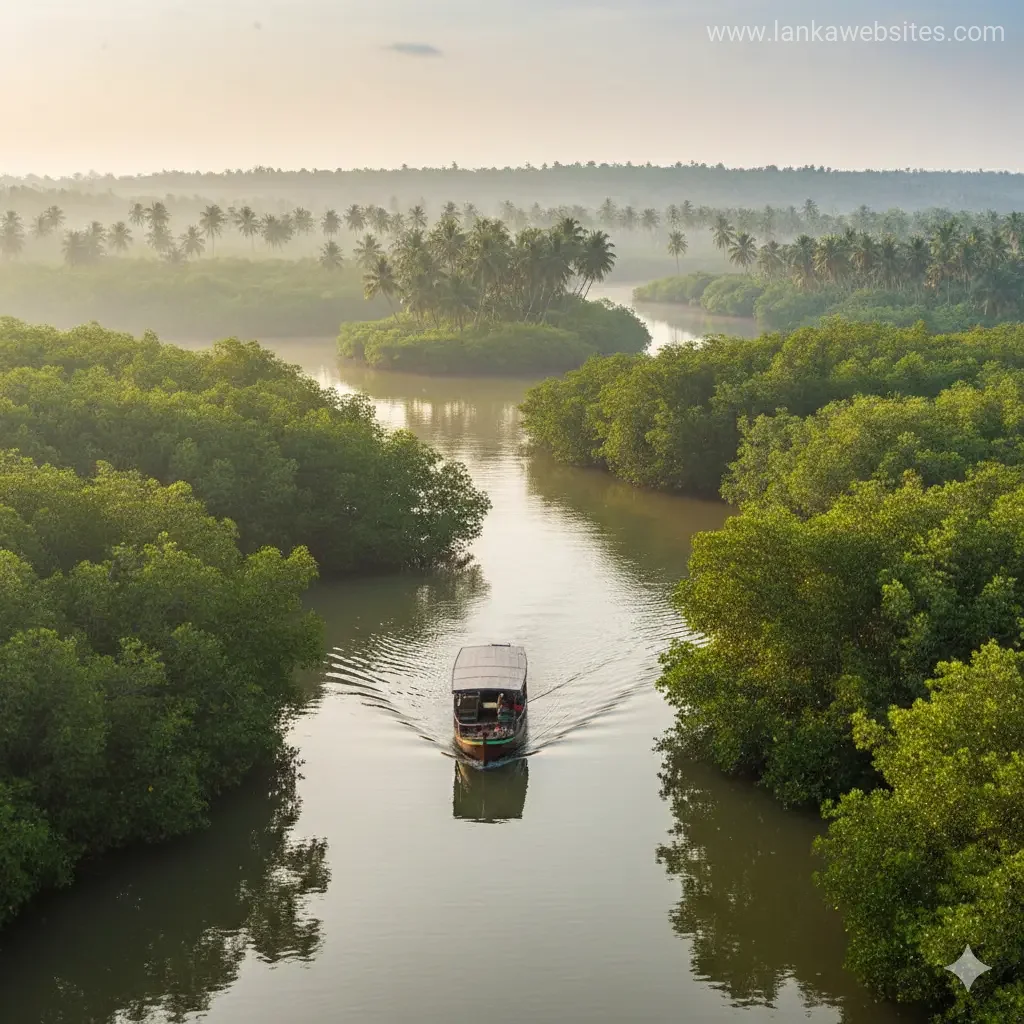
Introduction to Madu Ganga and Balapitiya If you're looking for a unique and exciting experience in Sri Lanka, consider visiting Madu Ganga and Balapitiya.
The Lankawebsites editorial team curates, fact-checks, and updates guides on personal finance, property, health, immigration, legal, business, and lifestyle topics relevant to Lankawebsites readers. Articles are produced with AI assistance and reviewed by the editorial team before publication.
Introduction to Madu Ganga and Balapitiya
If you're looking for a unique and exciting experience in Sri Lanka, consider visiting Madu Ganga and Balapitiya. Located on the southern coast of the island, these two destinations offer a chance to explore the country's stunning natural beauty, rich wildlife, and fascinating culture. As a New Zealander, you're likely no stranger to the great outdoors, and Madu Ganga and Balapitiya are sure to impress. In this article, we'll delve into the wonders of these two destinations, providing you with practical information and actionable advice to make the most of your trip.
Madu Ganga, which translates to "river of honey" in Sinhala, is a scenic river that flows through the Balapitiya region. The river and its surrounding wetlands are home to an incredible array of flora and fauna, including mangroves, birds, and fish. A river safari is an excellent way to explore the area, and we'll cover the details of this exciting experience later in the article. For now, let's just say that Madu Ganga and Balapitiya are a must-visit for anyone interested in nature, wildlife, and adventure.
Before we dive into the main content, it's worth noting that Sri Lanka is a popular destination for New Zealanders, with many Kiwis drawn to the country's warm climate, beautiful beaches, and rich cultural heritage. If you're planning a trip to Sri Lanka, be sure to research the best time to visit, as the country has a tropical climate with two monsoon seasons. The dry season, which runs from December to April, is generally the best time to visit Madu Ganga and Balapitiya.
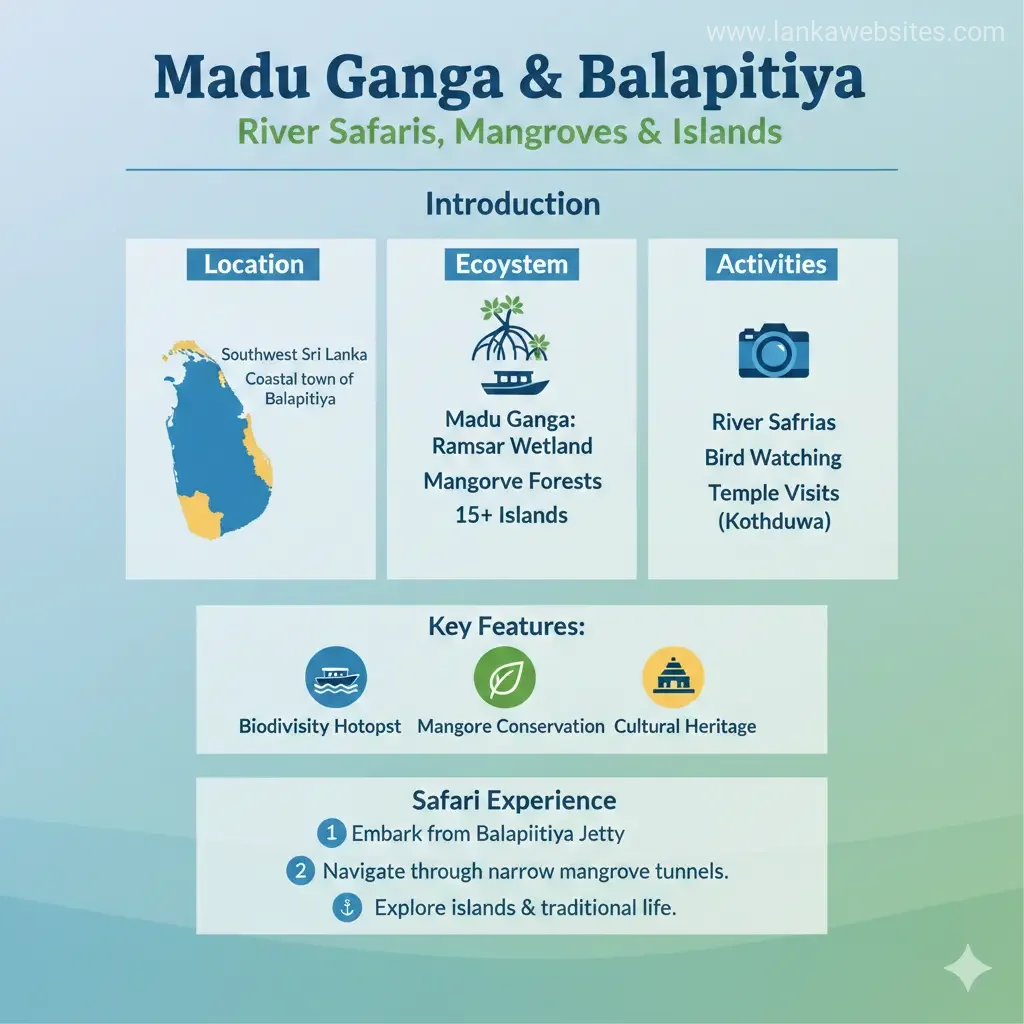
Planning Your Trip to Madu Ganga and Balapitiya
Planning your trip to Madu Ganga and Balapitiya is relatively straightforward, with several options available for accommodation, transportation, and activities. Here are a few things to consider when planning your trip:
- Getting there: The closest major city to Madu Ganga and Balapitiya is Galle, which is about 90 minutes away by car. You can hire a taxi or driver for the day, or take a bus from Galle to Balapitiya.
- Accommodation: There are several hotels and guesthouses in the Balapitiya area, ranging from budget-friendly options to luxury resorts. Consider staying in a hotel that offers river views or is located near the Madu Ganga River.
- Activities: In addition to river safaris, there are several other activities to enjoy in the area, including birdwatching, fishing, and visiting local villages.
Exploring Madu Ganga by River Safari
A river safari is an excellent way to explore the Madu Ganga River and its surrounding wetlands. These safaris typically take place in the early morning or late afternoon, when the wildlife is most active. You'll have the chance to see a wide range of animals, including:
- Birds: The Madu Ganga River is home to over 300 species of birds, including kingfishers, eagles, and herons.
- Fish: The river is an important habitat for many species of fish, including mangrove jack and mullet.
- Monkeys: You may catch a glimpse of monkeys swinging through the trees as you make your way along the river.
- Crocodiles: Keep an eye out for saltwater crocodiles basking in the sun on the riverbanks.
When taking a river safari, be sure to:
- Wear comfortable clothing: You'll be sitting in a boat for several hours, so wear comfortable clothing and bring a hat and sunscreen to protect yourself from the sun.
- Bring binoculars: Binoculars are essential for spotting wildlife, especially birds and monkeys.
- Respect the environment: Remember to respect the environment and wildlife, and never litter or touch the mangroves or other plants.
Discovering the Mangroves of Madu Ganga
The mangroves of Madu Ganga are a unique and fascinating ecosystem, providing a habitat for a wide range of plants and animals. These mangroves are an important part of the river's ecosystem, helping to filter the water and prevent erosion. As you make your way along the river, you'll have the chance to see the mangroves up close and learn about their importance.
Some interesting facts about the mangroves of Madu Ganga include:
- Mangrove species: There are several species of mangroves found in the Madu Ganga River, including the black mangrove and the white mangrove.
- Importance of mangroves: Mangroves provide a habitat for many species of fish and birds, and help to protect the coastline from erosion and storm damage.
- Threats to mangroves: Mangroves are under threat from human activities such as deforestation and pollution, so it's essential to respect and protect these unique ecosystems.
Visiting the Islands of Madu Ganga
The Madu Ganga River is home to several small islands, each with its own unique character and charm. These islands are a great place to explore, with opportunities for birdwatching, fishing, and simply relaxing in a beautiful setting. Some of the most popular islands to visit include:
- Kothduwa Island: This island is home to a ancient temple and is a great place to spot birds and monkeys.
- Cinnamon Island: This island is famous for its cinnamon plantations and is a great place to learn about the history and production of cinnamon.
- Mangrove Island: This island is a great place to see the mangroves up close and learn about their importance.
When visiting the islands, be sure to:
- Respect local customs: Remember to respect local customs and traditions, especially when visiting temples or other sacred sites.
- Bring a guide: Consider bringing a guide with you to the islands, as they can provide valuable insights and information about the area.
- Be mindful of the environment: Remember to respect the environment and wildlife, and never litter or touch the mangroves or other plants.
Making the Most of Your Trip to Madu Ganga and Balapitiya
To make the most of your trip to Madu Ganga and Balapitiya, be sure to:
- Plan ahead: Research the area and plan your itinerary in advance to make the most of your time.
- Be flexible: Be prepared for changes in the weather or other unexpected events, and be flexible with your plans.
- Respect the environment: Remember to respect the environment and wildlife, and never litter or touch the mangroves or other plants.
- Learn about the local culture: Take the time to learn about the local culture and customs, and engage with the friendly locals.
By following these tips and being mindful of the environment and local customs, you'll be able to have a safe and enjoyable trip to Madu Ganga and Balapitiya.
Conclusion and Key Takeaways
In conclusion, Madu Ganga and Balapitiya are a must-visit destination for anyone interested in nature, wildlife, and adventure. With its stunning natural beauty, rich cultural heritage, and friendly locals, this region of Sri Lanka has something to offer everyone. By planning ahead, being flexible, and respecting the environment and local customs, you'll be able to make the most of your trip and have a truly unforgettable experience.
Some key takeaways to remember include:
- Respect the environment: Remember to respect the environment and wildlife, and never litter or touch the mangroves or other plants.
- Learn about the local culture: Take the time to learn about the local culture and customs, and engage with the friendly locals.
- Plan ahead: Research the area and plan your itinerary in advance to make the most of your time.
- Be flexible: Be prepared for changes in the weather or other unexpected events, and be flexible with your plans.
By following these tips and being mindful of the environment and local customs, you'll be able to have a safe and enjoyable trip to Madu Ganga and Balapitiya. Happy travels!
Related Articles

Ella Gap: Scenic Mountain Pass in Central Highlands
Introduction to Ella Gap The Ella Gap is a breathtaking mountain pass located in the Central Highlands of Sri Lanka, but don't worry, we're not talking abo

Sri Lanka's Continental Shelf and Marine Territory
Introduction to Sri Lanka's Continental Shelf and Marine Territory As a New Zealander, you might be familiar with the concept of a continental shelf, but h

The North Central Province: Ancient Reservoir Systems
Introduction to the North Central Province The North Central Province, located in the heart of Sri Lanka, is a region steeped in history and natural beauty

Minneriya-Giritale-Kaudulla Complex Geography
Introduction to Minneriya-Giritale-Kaudulla Complex Geography The Minneriya-Giritale-Kaudulla Complex, located in the North Central Province of Sri Lanka,