Mangrove Species of Sri Lanka
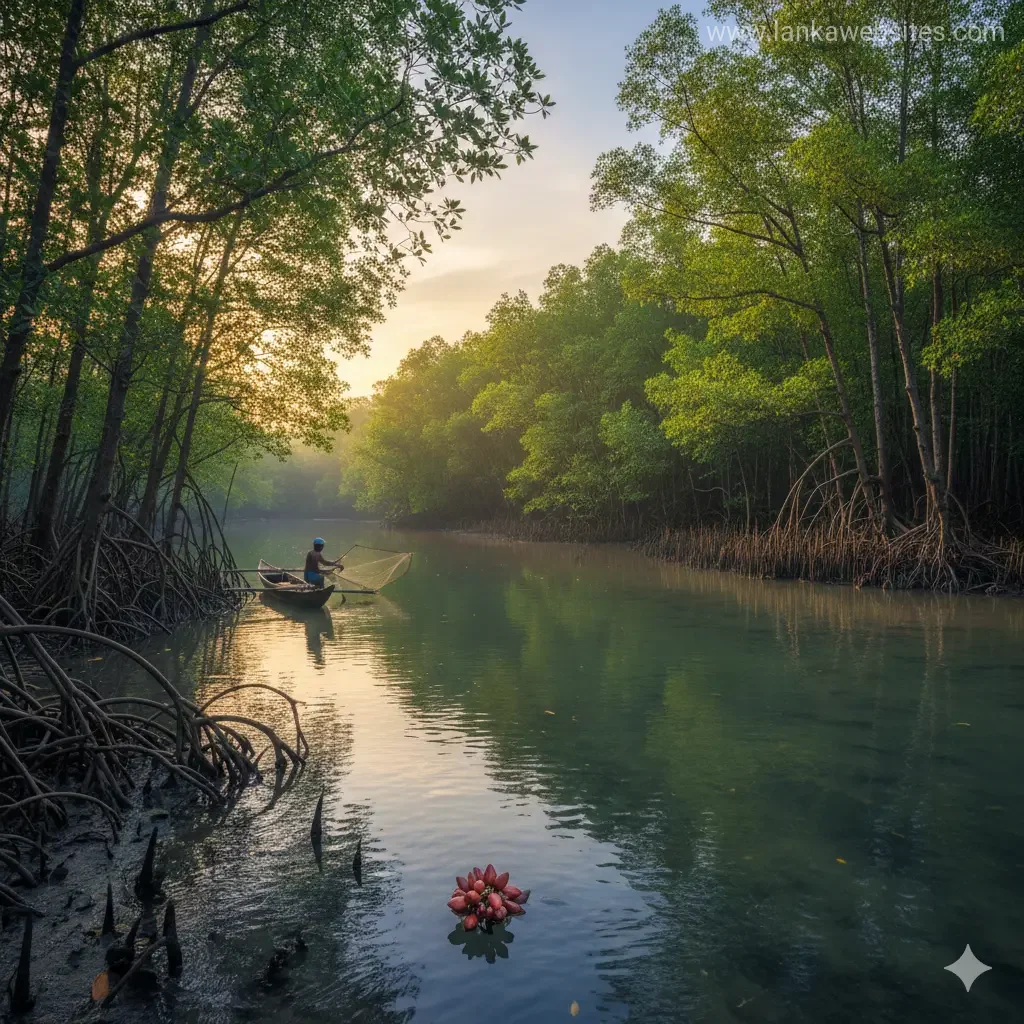
Sri Lanka's mangrove forests are among the most biodiverse and ecologically vital ecosystems on the island, yet many locals don't realise just how many species call these coastal wetlands home. With 2
The Lankawebsites editorial team curates, fact-checks, and updates guides on personal finance, property, health, immigration, legal, business, and lifestyle topics relevant to Lankawebsites readers. Articles are produced with AI assistance and reviewed by the editorial team before publication.
Sri Lanka's mangrove forests are among the most biodiverse and ecologically vital ecosystems on the island, yet many locals don't realise just how many species call these coastal wetlands home. With 22 species of mangrove recorded across our shores, these remarkable plants play a crucial role in protecting our coastlines, supporting marine life, and storing carbon. Whether you're an environmental enthusiast, a student studying biodiversity, or simply curious about what grows along our coasts, understanding these species is essential to appreciating why mangrove conservation matters for our future.
Understanding Mangroves: What Makes Them Special
Mangroves are extraordinary plants that have evolved to thrive in one of nature's harshest environments—the interface between land and sea. Unlike most trees, mangroves can tolerate saltwater, brackish conditions, and waterlogged soils. This unique adaptation makes them invaluable for coastal ecosystems across Sri Lanka.
Our island is home to 22 species of mangrove, representing a significant portion of the world's mangrove diversity. These species aren't randomly distributed; they've evolved specific characteristics that allow them to survive in different coastal zones, from shallow lagoons to open estuaries. In total, Sri Lanka has approximately 15,670 hectares of mangrove forests, though around 60% are under formal protection, with enforcement and effective management remaining weak in many areas.
Major Mangrove Species Found in Sri Lanka
Sri Lanka's mangrove forests support a remarkable array of species, each with distinct characteristics and ecological roles. Here are the key species you'll find across our coastal regions:
Common and Widespread Species
Rhizophora mucronata is one of the most recognisable mangroves, found in lagoons and estuaries across the island. You'll spot this species in Rekawa Lagoon on the southern coast, Maduganga Estuary in the southwest, and Puttalam Lagoon in the northwest. Its distinctive prop roots—aerial root systems that look like wooden stilts—help stabilise the tree in waterlogged soils and provide shelter for fish and crustaceans.
Avicennia marina is another widespread species adapted to higher salinity levels. This hardy mangrove is found in most of Sri Lanka's major mangrove areas, including Muthurajawela Marsh on the western coast. Its pneumatophores (breathing roots that stick up from the soil) allow it to respire even when submerged during high tides.
Bruguiera gymnorrhiza thrives in the slightly less saline conditions of estuaries and is commonly found in Maduganga and Puttalam Lagoon. This species produces distinctive aerial roots and plays an important role in stabilising sediments within mangrove ecosystems.
Specialised Species for Restoration
Lumnitzera racemosa, known locally as maha kodol, has gained attention in recent years for its potential in mangrove restoration projects. This species can adapt to challenging conditions and is being prioritised for replanting efforts across Sri Lanka's coastal regions.
Sonneratia caseolaris is another important species found in Rekawa Lagoon and Puttalam Lagoon. This pioneer species often colonises newly formed mudflats and is crucial for initiating mangrove forest development in new areas.
Less Common but Ecologically Important Species
Beyond the most visible species, Sri Lanka's mangrove ecosystems support numerous other species including Ceriops decandra, Ceriops tagal, Excoecaria agallocha, Heritiera littoralis, Nypa fruticans (a unique mangrove palm), and Xylocarpus granatum. Each of these species contributes to the structural complexity and resilience of our mangrove forests.
Where to Find Mangroves in Sri Lanka
Mangrove forests aren't evenly distributed across the island. They're primarily concentrated along three coastal belts: the northwestern, eastern, and southern regions. Understanding where these ecosystems are located helps us appreciate their accessibility and importance to different communities.
Northwestern Mangrove Hotspots
The northwest hosts some of Sri Lanka's largest and most ecologically significant mangrove areas. Puttalam Lagoon is a large estuarine lagoon supporting multiple mangrove species and remains one of the most characteristic lagoon systems in the country, despite facing significant threats. Vidattaltivu Nature Reserve in Mannar district, designated in 2016, is home to one of the island's largest mangrove ecosystems and holds the highest level of legal protection under Sri Lankan law.
In July 2025, Sri Lanka marked World Mangrove Day by declaring eight previously unprotected mangrove forests in Puttalam district as protected areas, with around 55 hectares of mangrove forests soon to be absorbed into the protected area network.
Southern and Southwestern Regions
Rekawa Lagoon on the southern coast is a wetland complex supporting diverse mangrove species. Maduganga Estuary in the southwest is a Ramsar wetland site—internationally recognised for its ecological importance—featuring a unique mix of freshwater and seawater conditions.
Western Coast
Muthurajawela Marsh on the western coast is a significant coastal wetland hosting several mangrove species and providing essential ecosystem services.
The Ecological Importance of Mangrove Species
Each mangrove species plays a specific role in maintaining the health of our coastal ecosystems. These forests provide:
- Coastal protection: Mangrove root systems absorb wave energy and reduce storm surge impacts, protecting inland communities from cyclones and tsunamis
- Fish nurseries: The complex root structures create ideal breeding and feeding grounds for commercially important fish species
- Carbon storage: Mangroves are among the most carbon-dense ecosystems on Earth, helping mitigate climate change
- Water filtration: Mangrove forests trap sediments and pollutants, improving water quality in lagoons and estuaries
- Biodiversity support: Mangroves provide habitat for fish, crustaceans, birds, and numerous other species
Conservation Status and Threats
Despite Sri Lanka's recognition as the Commonwealth Mangrove Champion in 2018—a title earned through our commitment to lead global mangrove conservation efforts—our mangrove forests face serious threats. Mangrove cover in Sri Lanka has drastically reduced over the last decade, primarily due to coastal development, aquaculture expansion, and inadequate enforcement of protection measures.
The National Strategic Action Plan for Conservation and Sustainable Utilisation of Mangrove Ecosystems in Sri Lanka (2022-2026) outlines key strategies to address these challenges, including habitat restoration, sustainable use practices, and strengthened legal protections. However, progress on the ground has been slower than anticipated.
What's Being Done to Protect Mangrove Species
Sri Lanka has implemented several measures to protect its mangrove ecosystems. In 2016, Vidattaltivu Nature Reserve received the highest level of legal protection, and recent declarations have expanded protected areas in Puttalam district. The Department of Wildlife Conservation continues to work on restoration projects, with particular focus on species like Lumnitzera racemosa that show promise for replanting efforts.
The government has also committed to restoring more mangrove forests, recognising that conservation requires both protection of existing forests and active restoration of degraded areas.
FAQ: Common Questions About Sri Lanka's Mangrove Species
How many mangrove species are found in Sri Lanka?
Sri Lanka is home to 22 species of mangrove, representing one of the world's most diverse mangrove ecosystems. This diversity reflects the varied coastal conditions across our island, from shallow lagoons to open estuaries.
Which mangrove species is best for coastal protection?
Several species contribute to coastal protection, but Rhizophora mucronata is particularly effective due to its extensive prop root system, which dissipates wave energy and stabilises sediments. However, a diverse mangrove forest with multiple species provides the most effective protection.
Can I visit mangrove forests in Sri Lanka?
Yes, several mangrove areas are accessible to visitors. Muthurajawela Marsh, Maduganga Estuary, and Rekawa Lagoon are popular destinations. However, always respect protected area regulations and hire local guides when visiting sensitive ecosystems to minimise disturbance to wildlife.
Why is mangrove conservation important for Sri Lanka?
Mangroves provide essential ecosystem services including coastal protection from storms and erosion, fish nurseries for commercial fisheries, carbon storage for climate mitigation, and habitat for numerous species. They're particularly vital for Sri Lanka given our island's vulnerability to cyclones and rising sea levels.
What can I do to help protect mangrove species?
You can support mangrove conservation by reducing plastic use (which pollutes coastal ecosystems), supporting sustainable fishing practices, participating in mangrove restoration projects, and advocating for stronger enforcement of mangrove protection laws. Many environmental organisations in Sri Lanka welcome volunteers for conservation activities.
Are mangrove species endangered in Sri Lanka?
While not all species are classified as endangered, mangrove cover has drastically reduced over the last decade. Several species are threatened by habitat loss and degradation. The National Strategic Action Plan aims to reverse these trends through expanded protection and active restoration.
The Path Forward for Sri Lanka's Mangrove Ecosystems
Understanding the diversity of mangrove species in Sri Lanka is the first step toward appreciating why these ecosystems deserve our protection and investment. Our 22 mangrove species represent millions of years of evolutionary adaptation to coastal life, and they're irreplaceable in their ability to protect our communities, support our fisheries, and store carbon for future generations.
The recent expansion of protected areas and government commitment to restoration are encouraging signs, but effective conservation requires ongoing effort, adequate funding, and community engagement. Whether you're interested in biodiversity, coastal protection, or climate action, mangrove conservation touches all these areas.
If you want to learn more about mangrove conservation efforts, consider visiting protected mangrove areas, supporting local environmental organisations, or participating in restoration projects. Every action counts toward ensuring that Sri Lanka's mangrove species continue to thrive for generations to come.
Related Articles

Coral Reefs and Marine Ecosystems
Introduction to Coral Reefs and Marine Ecosystems Coral reefs are some of the most diverse and fascinating ecosystems on the planet. Located in the warm,

The Ironwood Tree (Na): Unique to Sri Lanka
Introduction to the Ironwood Tree The Ironwood Tree, also known as Na in Sinhala, is a unique and fascinating species found only in Sri Lanka. As a New Ze

Endemic Palms and Bamboo Species
Introduction to Endemic Palms and Bamboo Species As you explore the beautiful landscapes of New Zealand, you may have noticed the unique and fascinating pl

Forest Types: Lowland, Montane, and Dry Evergreen
Introduction to New Zealand's Forest Types New Zealand is renowned for its stunning natural beauty, and its forests are a significant part of this appeal.