Horton Plains: Sri Lanka's Coldest and Windiest Place
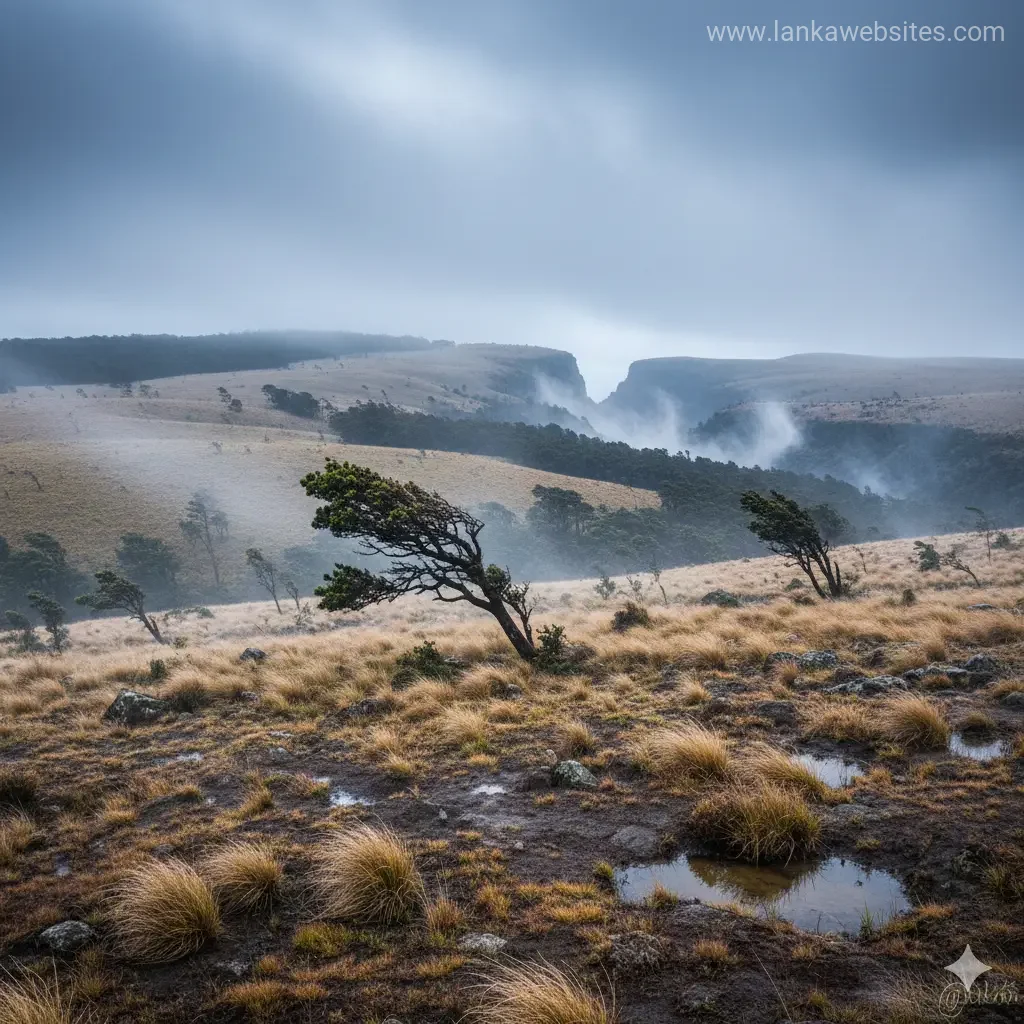
Horton Plains isn't just another national park in Sri Lanka—it's our country's coldest and windiest place, a misty mountain wilderness that feels worlds away from our tropical beaches. Towering over 2
The Lankawebsites editorial team curates, fact-checks, and updates guides on personal finance, property, health, immigration, legal, business, and lifestyle topics relevant to Lankawebsites readers. Articles are produced with AI assistance and reviewed by the editorial team before publication.
Horton Plains isn't just another national park in Sri Lanka—it's our country's coldest and windiest place, a misty mountain wilderness that feels worlds away from our tropical beaches. Towering over 2,000 metres above the lowlands, this UNESCO World Heritage site offers a completely different experience from anywhere else on the island, with unique wildlife, dramatic scenery, and a climate that'll make you reach for a jumper even in the middle of the year.
What Makes Horton Plains So Special
Horton Plains stands out as the coldest and windiest location in Sri Lanka, a distinction that shapes everything about this remarkable landscape. Located in the Central Highlands near Nuwara Eliya, the plains sit at such a high altitude that they've become an ecological island unto themselves.
The region is a combination of sub-montane and montane cloud forest, often wrapped in swirling dense mists, alongside open plains and marshes. What you're seeing here is essentially a remnant of an ancient climate—during past Ice Ages, different species thrived across lower areas of Sri Lanka. Now, as our climate has warmed, these species are confined to this cool high-altitude refuge.
The biodiversity here is extraordinary. An impressive 89% of all reptiles and 91% of amphibians found in Horton Plains are endemic to Sri Lanka, meaning you won't find them anywhere else in the world. This makes it one of our most ecologically important areas.
Geography and Location
Where Horton Plains Sits in Sri Lanka's Landscape
Sri Lanka's geography divides into three main areas based on elevation: the central highlands, the plains, and the coastal belt. Horton Plains falls within the central highlands region, which also includes places like Kandy, Ella, and Nuwara Eliya.
The Central Highlands themselves form a high plateau running north to south for 40 miles, with Pidurutalagala standing as our highest point at 8,281 feet in the south-central region. Just outside Horton Plains, you'll find Sri Lanka's 2nd and 3rd highest peaks within the UNESCO Peak Wilderness Area: Kirigalpoththa at 2,389 metres to the west and Thotupola Kanda at 2,357 metres to the north.
The Unique Landscape
The plains themselves are a strange, beautiful landscape of open, windswept grasslands and cloud forests. The cloud forest here is the largest and most pristine on the entire island. You'll experience dramatic shifts in weather and visibility throughout the day—the mists that roll in from the lowlands create an almost otherworldly atmosphere.
Climate and Weather Conditions
Temperature Patterns Throughout the Year
The climate in Horton Plains is significantly cooler than anywhere else in Sri Lanka. The annual mean temperature sits around 61°F (16°C), which is a stark contrast to our coastal areas that hover around 28°C (82°F).
Monthly temperatures vary, but here's what you can expect:
- January to March: High of around 69–70°F, low of 49–50°F—the clearest and best time to visit
- May: High of 71°F, low of 56°F, with increasing rainfall
- June: Average temperature of 77°F with highs reaching 81°F, but significantly wetter with 9.2 inches of precipitation over 15 days
- November: High of 68°F, low of 54°F, with heavy rainfall (8.82 inches)
Rainfall and Wet Seasons
Horton Plains experiences a damp climate year-round, but the wettest periods align with Sri Lanka's monsoon seasons. The months of October and November are particularly wet across the central highlands. May also brings substantial rainfall—the area receives an average of 8.21 inches in May alone.
The weather is usually clearest between January and March, making this the ideal window for visiting if you want the best views and conditions.
Wind Conditions
As the windiest place in Sri Lanka, Horton Plains experiences consistent wind speeds. The average wind speed is around 13 km/h, which might not sound extreme, but combined with the cool temperatures and mist, it creates a distinctly chilly environment. Always be ready for cool and damp conditions, regardless of the season.
Flora and Fauna
Unique Wildlife
The ecological significance of Horton Plains lies in its endemic species—wildlife found nowhere else on Earth. With 89% of reptiles and 91% of amphibians being endemic to this region, it's a paradise for wildlife enthusiasts and researchers alike.
The cloud forest supports vibrant grasslands and evergreen forests, creating distinct habitats for different species. The damp conditions and cool temperatures have shaped the evolution of species perfectly adapted to this environment.
Plant Life
The vegetation here differs significantly from the rest of Sri Lanka. The extensive forests of the central highlands are part of what's classified as the "Wet Highlands" climatic zone—one of six climatic zones across Sri Lanka. This zone receives the highest rainfall and supports vegetation adapted to cool, wet conditions.
Visiting Horton Plains: What You Need to Know
Best Time to Visit
If you're planning a trip, January to March is your best window. During these months, you'll experience milder weather and the lowest rainfall, giving you the clearest views of World's End and the surrounding landscape.
However, there's a catch: even during the "best" months, you need to be prepared for cool and damp conditions. Early mornings tend to produce the best visibility for spectacular views from World's End, so plan to start your visit early.
What to Pack
Because Horton Plains is so different from the rest of Sri Lanka, your packing list should reflect the conditions:
- A warm jumper or fleece—temperatures can drop to 49°F (9°C) at night
- Waterproof jacket and trousers—rainfall is common even in the "dry" season
- Sturdy walking shoes with good grip—the terrain can be muddy and slippery
- Umbrella or raincoat—essential year-round
- Layers—the weather can change rapidly throughout the day
Getting There
Horton Plains is located approximately 5 hours east of Colombo by car, accessible from Nuwara Eliya. The journey itself is part of the experience, as you'll wind through Sri Lanka's tea plantations and highlands.
Ecological Importance and UNESCO Recognition
Horton Plains was declared a UNESCO World Heritage site in recognition of its endemic flora and fauna, vibrant grasslands, and evergreen forests. This designation reflects the global importance of preserving this unique ecosystem.
The plains also sit within the Peak Wilderness Area, which encompasses some of Sri Lanka's highest and most ecologically significant peaks. Together, these areas form a critical conservation zone for our island's biodiversity.
Practical Tips for Your Visit
- Start early: Morning light and visibility are best for photography and viewing World's End
- Allow time for acclimatisation: The altitude and cool temperature can feel like a shock if you're coming from coastal areas
- Bring plenty of water: The cool air can be deceptive—you still need to stay hydrated
- Consider a guided tour: Local guides can help you spot endemic wildlife and explain the unique ecology
- Check weather forecasts: Conditions can change rapidly, especially during monsoon seasons
Frequently Asked Questions
When is the best time to visit Horton Plains?
January to March offers the clearest weather and lowest rainfall. However, you should still be prepared for cool and damp conditions at any time of year.
How cold does it get at Horton Plains?
Temperatures typically range from 49°F to 73°F throughout the year, with the coldest nights dropping to around 49°F. This is significantly cooler than anywhere else in Sri Lanka.
Is Horton Plains suitable for families?
Yes, but families should be prepared for the cool, wet conditions and bring appropriate clothing. Young children might find the altitude and temperature change challenging, so plan accordingly.
What makes Horton Plains different from other Sri Lankan national parks?
Horton Plains is unique because it's our coldest and windiest location, with 89% of reptiles and 91% of amphibians being endemic species. The landscape, climate, and wildlife are completely different from coastal or lowland areas.
How long should I spend at Horton Plains?
Most visitors spend a full day exploring the plains, with early morning being ideal for viewing World's End. If you're interested in wildlife watching and photography, you might want to spend longer in the area.
Do I need special permits to visit?
Horton Plains is a national park, so you'll need to pay an entrance fee and follow park regulations. Check with local authorities or your accommodation in Nuwara Eliya for current requirements and fees.
Planning Your Trip
Horton Plains offers something genuinely different from the rest of Sri Lanka. Whether you're a nature enthusiast keen to spot endemic wildlife, a photographer chasing dramatic misty landscapes, or simply someone wanting to escape the heat and humidity of our lowlands, this UNESCO World Heritage site delivers.
The key is preparation. Bring warm clothing, waterproof gear, and realistic expectations about weather. Start your visit early in the morning when visibility is best, and allow yourself time to experience the unique ecology that makes this place so special. With proper planning, you'll discover why Horton Plains remains one of our most remarkable and ecologically important destinations.
Related Articles

Ella Gap: Scenic Mountain Pass in Central Highlands
Introduction to Ella Gap The Ella Gap is a breathtaking mountain pass located in the Central Highlands of Sri Lanka, but don't worry, we're not talking abo

Sri Lanka's Continental Shelf and Marine Territory
Introduction to Sri Lanka's Continental Shelf and Marine Territory As a New Zealander, you might be familiar with the concept of a continental shelf, but h

The North Central Province: Ancient Reservoir Systems
Introduction to the North Central Province The North Central Province, located in the heart of Sri Lanka, is a region steeped in history and natural beauty

Minneriya-Giritale-Kaudulla Complex Geography
Introduction to Minneriya-Giritale-Kaudulla Complex Geography The Minneriya-Giritale-Kaudulla Complex, located in the North Central Province of Sri Lanka,