Tea vs Coconut: Signature Flavours That Define Sri Lankan Cuisine

When you think of Sri Lanka's culinary identity, two ingredients immediately come to mind: tea and coconut. Both are woven into the fabric of our island's food culture, yet they play distinctly differ
The Lankawebsites editorial team curates, fact-checks, and updates guides on personal finance, property, health, immigration, legal, business, and lifestyle topics relevant to Lankawebsites readers. Articles are produced with AI assistance and reviewed by the editorial team before publication.
When you think of Sri Lanka's culinary identity, two ingredients immediately come to mind: tea and coconut. Both are woven into the fabric of our island's food culture, yet they play distinctly different roles in defining what we eat and how we live. While tea represents our global heritage and economic legacy, coconut is the everyday soul of our kitchens—present in nearly every meal we prepare. Understanding how these two signature flavours shape Sri Lankan cuisine reveals much about who we are as a people.
The Role of Coconut in Sri Lankan Cooking
Coconut isn't just an ingredient in Sri Lankan cuisine—it's a way of life. Found in almost every dish, from curries to sambols to desserts, coconut is deeply rooted in our everyday cooking and cultural identity. The coconut tree itself is called "kapruka" in Sri Lanka, meaning "a tree that gives you everything," and this reflects how integral it is to our lives.
Every part of the coconut is used across our kitchens. The flesh becomes coconut milk (pol kiri), the oil is used for frying and tempering spices, the water provides refreshment in our tropical heat, and even the husk finds purpose. This resourcefulness isn't just practical—it's sustainable, supporting both rural and urban communities across the island.
Coconut Milk: The Heart of Our Curries
If there's one form of coconut that defines Sri Lankan cooking, it's coconut milk. Coconut milk is at the heart of Sri Lankan cooking, lending richness and depth to our most beloved dishes. The process of making it traditionally is time-consuming but rewarding: coconut flesh is grated using a hiramanaya (traditional scraper), then mixed with water and squeezed by hand to create that creamy liquid we know and love.
Many of our signature curries depend on coconut milk for their character:
- Kiri Hodi – A mild coconut milk gravy that's comforting and versatile
- Kukul Mas Curry – Chicken curry enriched with coconut milk for a silky texture
- Ambul Thiyal – A tangy fish curry where coconut milk balances the sourness of tamarind and creates harmony with spices
- Dhal Curry – Lentils cooked in fresh coconut milk, often vegan and deeply flavourful
- Fish Curries – Kingfish and other varieties gain their signature creamy texture from coconut milk
Beyond Curries: Coconut's Versatility
Coconut extends far beyond our savoury dishes. Coconut oil is used widely for frying and tempering spices, infusing a subtle aroma that's instantly recognisable in Sri Lankan kitchens. Grated coconut binds our mallung—leafy green salads that are vegan and full of nutrients. Our sambols, particularly lunu miris (chilli sambal), combine grated coconut with dried red chilli, onions, and lime for a fiery accompaniment to rice.
In the sweet realm, coconut shines equally bright. Pol toffee—vibrant, sugary blocks of sweetened grated coconut—and Sri Lankan rolled pancakes stuffed with caramelised coconut are traditional treats that bring back childhood memories for many of us. Pushnambu and seenakku (rice cakes with grated coconut) continue this sweet tradition across generations.
Tea: Sri Lanka's Global Signature
While coconut represents our domestic culinary heart, tea represents our global identity and economic contribution. Ceylon tea is renowned worldwide, and it's shaped our nation's prosperity for generations. However, tea's role in our food culture is more nuanced than coconut's—it's less about everyday cooking and more about our identity as a nation.
Tea appears in our cuisine in different ways: as a beverage accompanying meals, in tea-based desserts and confections, and increasingly in modern culinary innovations. Yet unlike coconut, which appears in the majority of our daily meals, tea is more ceremonial and economically significant than culinarily central.
The Economic and Cultural Significance
Coconut's Growing Economic Importance
While tea built our reputation internationally, coconut is emerging as an equally important economic driver. Sri Lanka currently produces 3.12 billion coconuts annually, with 60% used for domestic consumption. The potential for growth is enormous—if we increase productivity by just 25% through better water and soil management, we could have 770 million additional coconuts for industrial use, generating at least $500 million in additional export revenue.
Beyond food, coconut shells are being transformed into activated carbon filters used in water filtration, car manufacturing, air conditioning systems, and pharmaceutical applications. This diversification means coconut could surpass tea as our primary export before 2030 if we continue this trajectory.
Cultural and Spiritual Significance
Coconut holds deep cultural meaning beyond the kitchen. Temples and shrines across Sri Lanka incorporate coconut in rituals and offerings. Devotees break coconuts during ceremonies, symbolising the shattering of ego and attachment, and coconut milk is poured over sacred statues and idols as a gesture of reverence.
Coconut is also valued in Ayurvedic traditions and local customs, reinforcing its status as the "Tree of Life" in our island culture.
Nutritional Considerations for Modern Sri Lankan Diets
As we embrace our culinary heritage, it's worth understanding how coconut-based cooking affects our nutrition. Research shows that the addition of coconut milk, coconut scraps, and coconut oil has a significant impact on the fat content of prepared foods. For example, tempered string beans can see a 97.51% increase in fat content, and cauliflower milk curry sees a 96.6% increase when coconut products are added.
This matters because Sri Lanka has a high prevalence of cardiovascular diseases and diabetes. The good news? Understanding these effects allows us to make informed choices. Coconut milk remains nutritious and valuable—we simply benefit from awareness of portion sizes and balance in our overall diet.
Tea vs Coconut: Which Defines Us More?
The honest answer is: both, but in different ways. Coconut is the backbone of our everyday cuisine, appearing in nearly every meal we prepare at home. It's what our families cook with, what our grandmothers taught us, what connects us to our agricultural heritage. You can't imagine Sri Lankan food without coconut.
Tea, however, defines us globally. It's our signature export, our economic foundation, and our international calling card. When the world thinks of Sri Lanka's food and agriculture, they think of Ceylon tea.
The reality is that we don't need to choose. Both ingredients are essential to Sri Lankan identity—coconut for our internal culinary soul, tea for our external reputation and prosperity.
Practical Tips for Using Coconut in Your Kitchen
- Make fresh coconut milk: If you have access to mature coconuts, making fresh coconut milk is more flavourful than shop-bought alternatives. Grate the flesh, mix with water, and squeeze by hand or through cloth.
- Store coconut oil properly: Keep coconut oil in a cool, dark place. It solidifies below 25°C, which is normal and doesn't affect quality.
- Balance your curries: Use coconut milk to create richness, but balance with tamarind, lime, or vinegar for acidity, and spices for depth.
- Explore coconut water: Don't waste the water from fresh coconuts—use it in light broths or enjoy it as a refreshing drink.
- Make sambols ahead: Coconut sambols keep well in the refrigerator and add instant flavour to any meal.
Frequently Asked Questions
Is coconut milk healthy?
Coconut milk is nutritious and contains beneficial compounds, but it's also high in saturated fat. The key is balance—use it generously in your cooking but be mindful of overall fat intake, especially if you have cardiovascular concerns. Pair coconut-rich dishes with vegetables and lean proteins for a well-rounded meal.
Can I substitute coconut milk in traditional recipes?
You can experiment, but traditional Sri Lankan dishes are specifically developed around coconut milk's unique properties—its richness, flavour, and how it binds spices. Substitutes like cream or plant-based alternatives will change the dish's character. For authenticity, coconut milk is irreplaceable.
Where can I buy fresh coconuts in Sri Lanka?
Fresh coconuts are available year-round at local markets (pola), vegetable shops, and from roadside vendors throughout the island. Look for mature coconuts with brown husks rather than young green ones if you're planning to extract milk and flesh.
How does Ceylon tea fit into Sri Lankan cuisine?
Ceylon tea is primarily a beverage rather than a cooking ingredient in traditional cuisine. However, it's central to our meal culture—a cup of tea accompanies breakfast, afternoon snacks, and social gatherings. Some modern chefs are experimenting with tea in desserts and savoury dishes, creating innovative fusion cuisine.
Can coconut be grown sustainably in Sri Lanka?
Yes. Coconut is a locally sourced ingredient that supports both ecological and economic sustainability. As a perennial crop, it doesn't require replanting annually, and improved water and soil management can increase yields without expanding land use.
Is coconut considered vegan in Sri Lankan cooking?
Yes, coconut and coconut milk are plant-based and widely used in vegan Sri Lankan dishes, particularly dhal curries and mallung (leafy salads). Many traditional coconut-based dishes are naturally vegan or can be easily adapted.
Moving Forward: Celebrating Both Traditions
Whether you're cooking a family dinner or thinking about Sri Lanka's future, both coconut and tea deserve celebration. Coconut feeds us daily, connects us to our land, and represents our culinary ingenuity. Tea built our nation's prosperity and continues to do so, whilst also becoming part of our modern culinary exploration.
The next time you prepare a curry with fresh coconut milk or enjoy a cup of Ceylon tea, you're participating in Sri Lankan traditions that span generations. These aren't just ingredients—they're expressions of who we are: resourceful, connected to our land, and proud of our heritage.
Start exploring these flavours more intentionally. If you haven't made fresh coconut milk recently, try it. If you haven't visited a tea plantation or tasted Ceylon tea mindfully, consider it. Both are signature flavours that define us, and both deserve a place at your table.
Related Articles
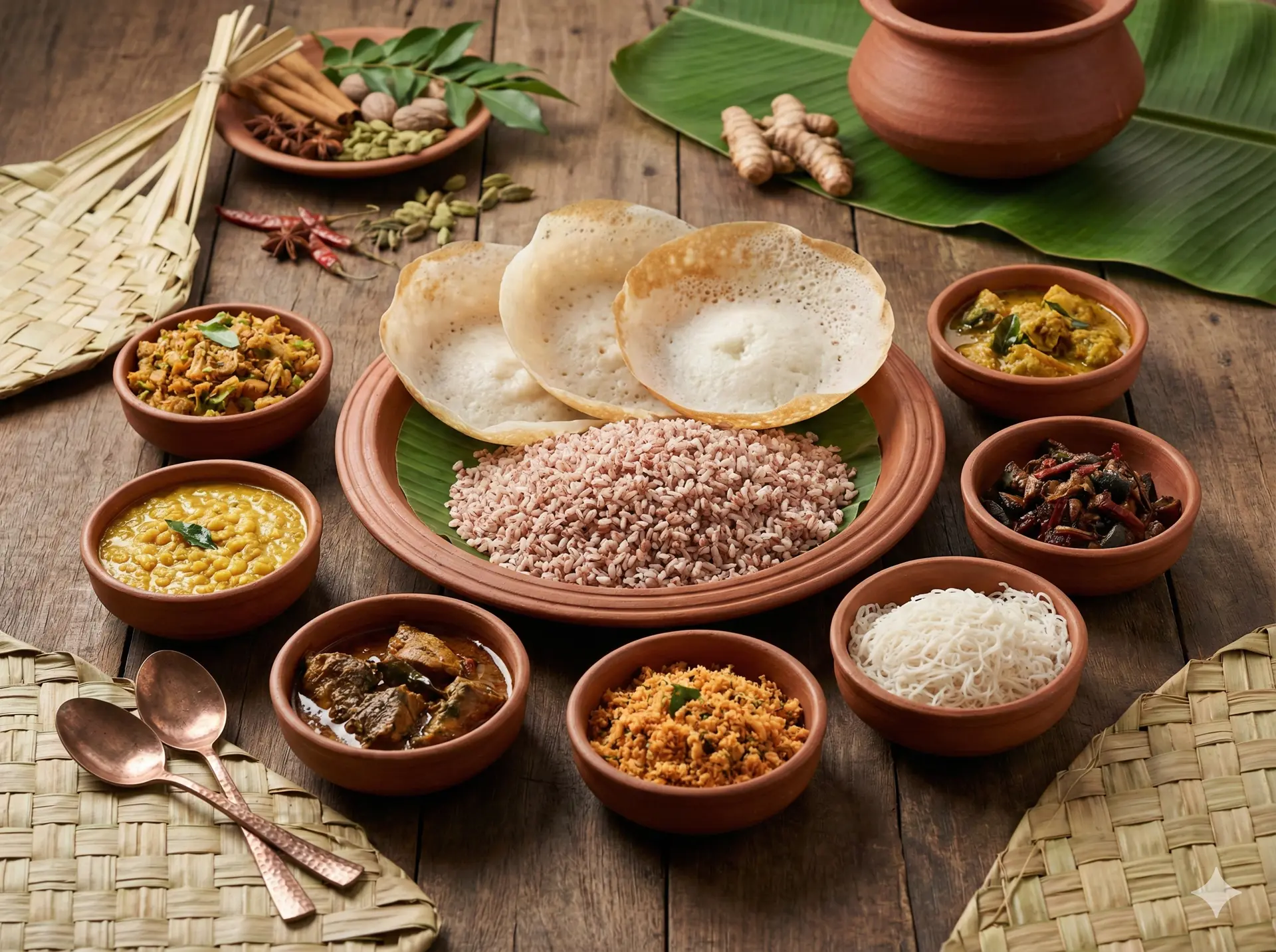
Sri Lankan Food Guide: 20 Dishes Every Visitor Must Try
Sri Lanka's food scene bursts with bold flavours, fresh coconut, and spices that tell our island's story—from misty hill country curries to fiery coastal sambols. Whether you're sharing a rice and cur
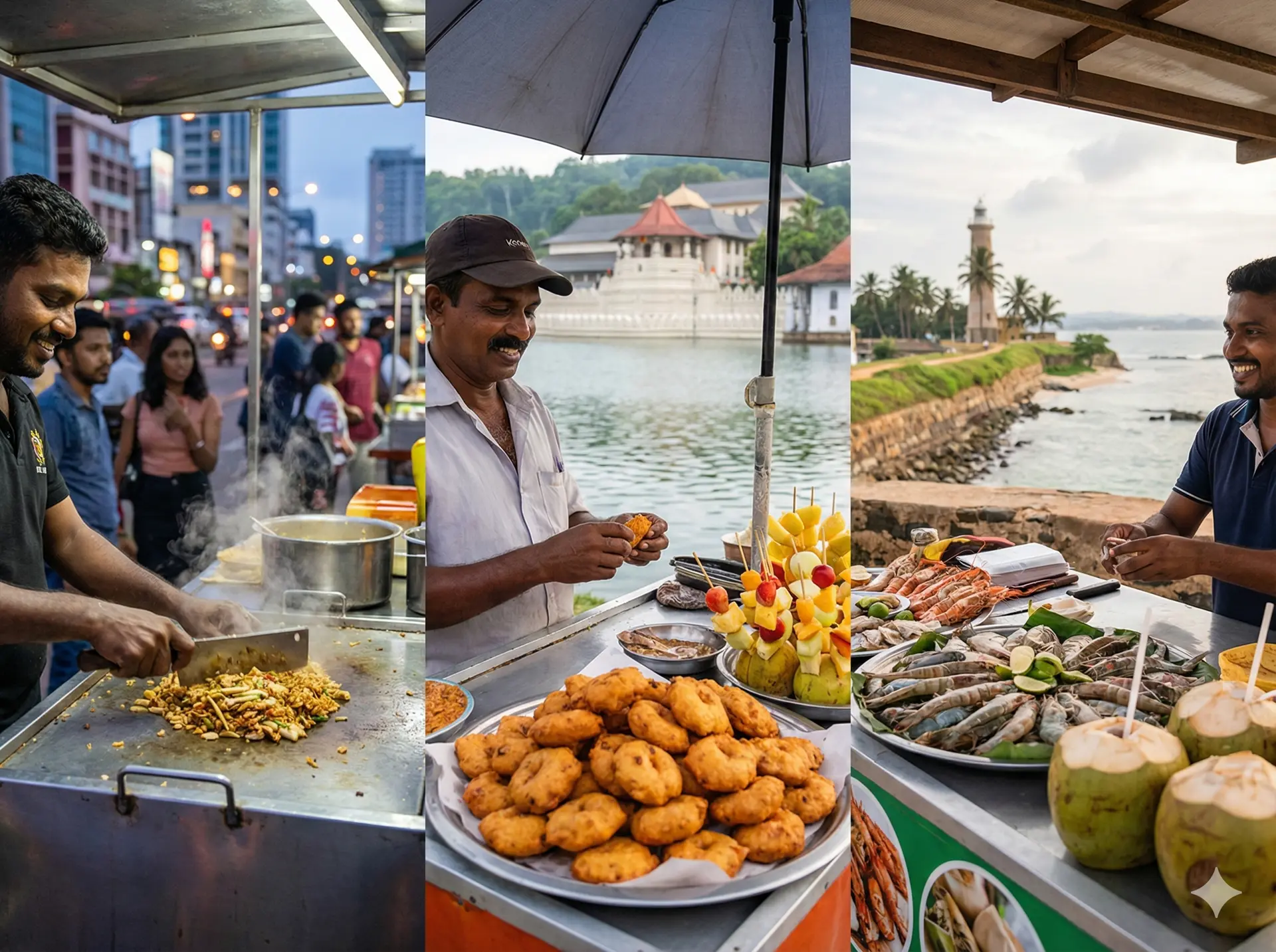
Best Street Food in Colombo, Kandy & Galle – and Where to Find It
Nothing beats the sizzle of a fresh kottu roti on a bustling Colombo street or the crispy edge of a hopper from a Kandy night cart—our island's street food scene is alive and kicking in 2026, blending
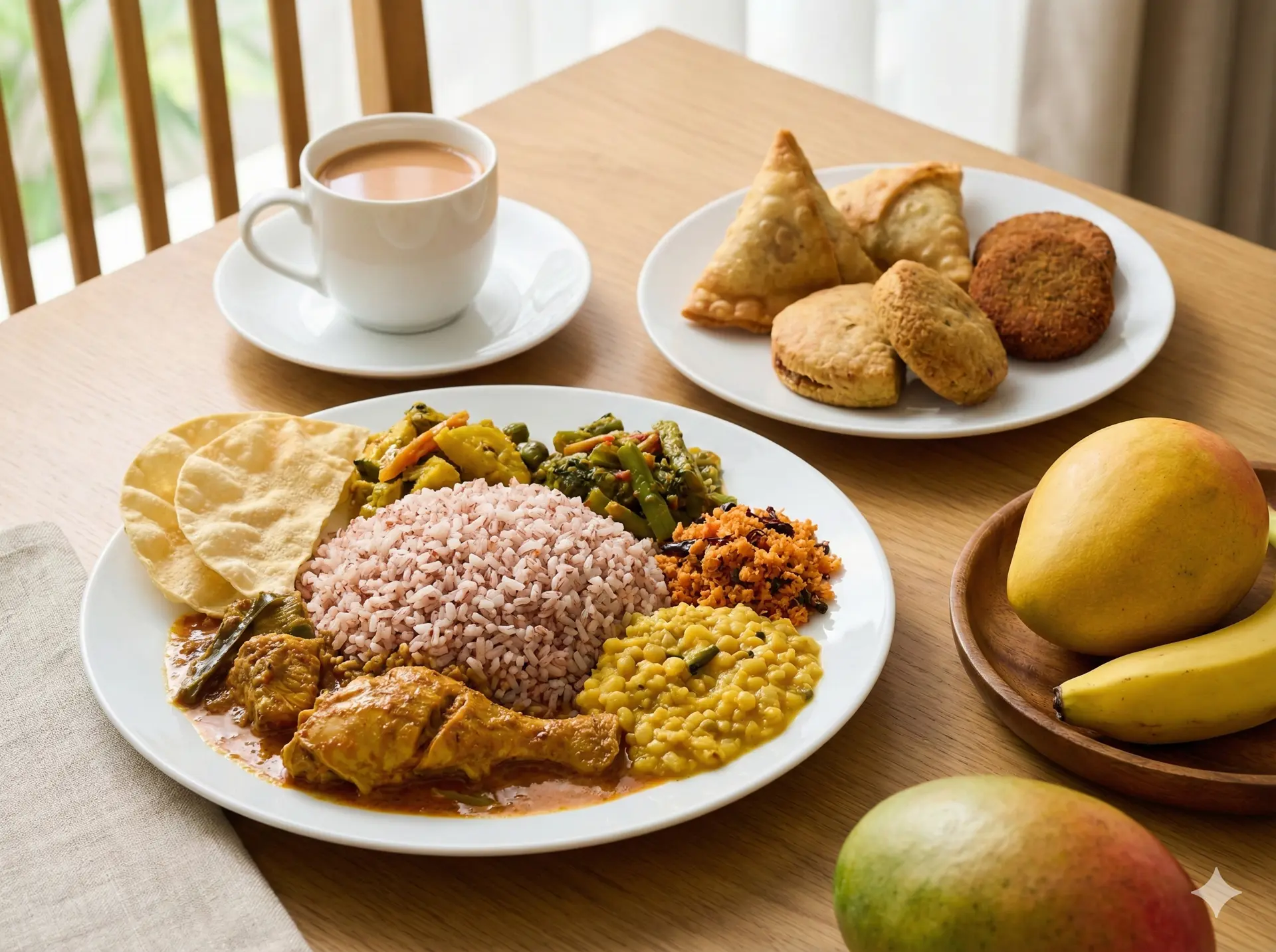
How to Eat Like a Local in Sri Lanka: Rice & Curry, Short Eats, and More
Eating like a local in Sri Lanka isn't just about trying new dishes—it's about understanding how we live, celebrate, and gather around food. From the everyday rice and curry that anchors our tables to
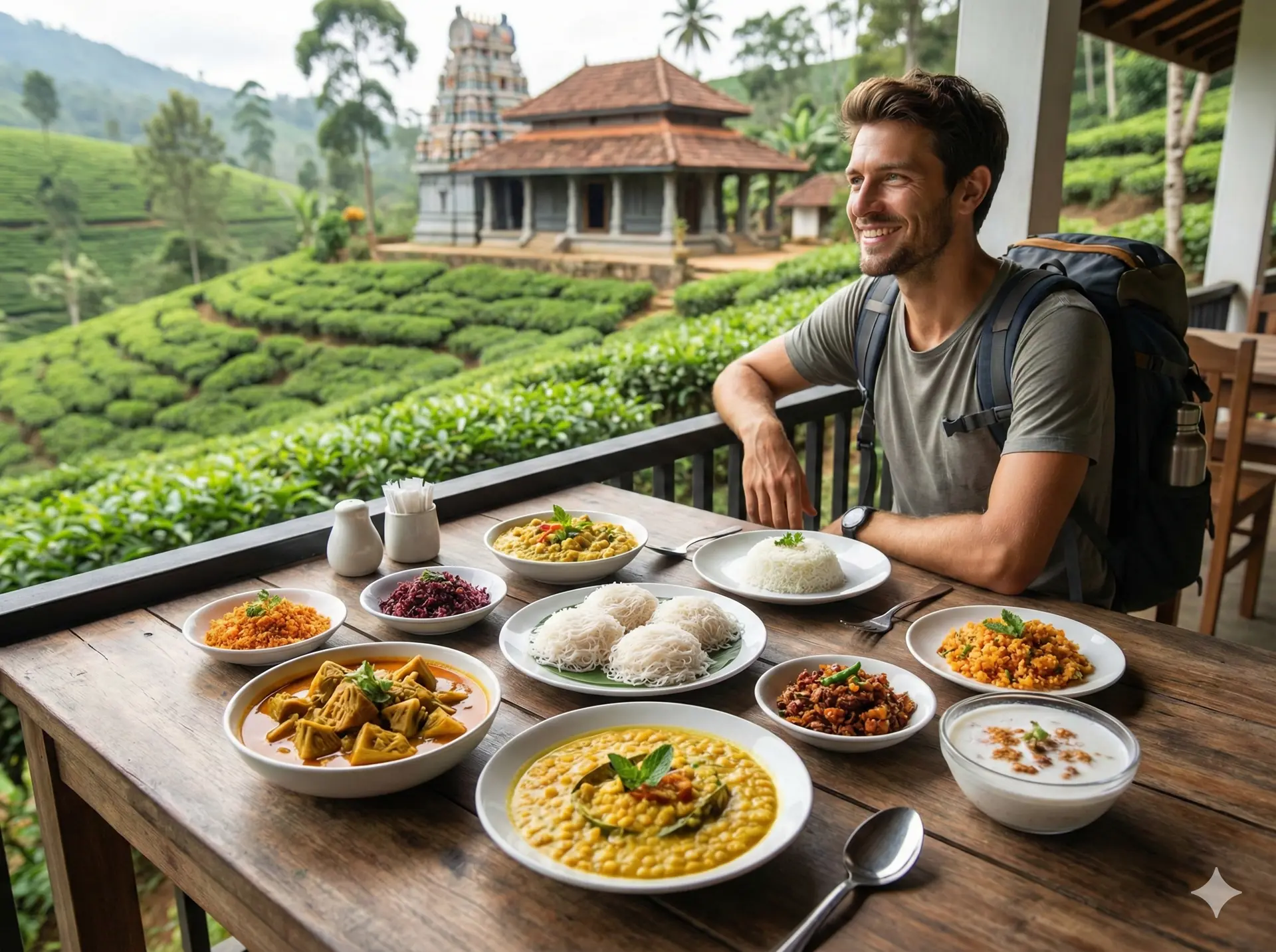
Vegetarian and Vegan Travel in Sri Lanka: How Easy Is It?
Imagine hopping on a train from Colombo to Kandy, your stomach rumbling for a hearty meal, but you're sticking to vegetarian or vegan choices. Will you find dhal, rice, and veg curry without a hitch,