How to Create a Business Plan

<img src='https://www.lankawebsites.com/wp-content/uploads/2026/01/pixabay-business-plan-templates-16a05-1024x724.webp' alt='business plan document' loading='lazy' />...
The Lankawebsites editorial team curates, fact-checks, and updates guides on personal finance, property, health, immigration, legal, business, and lifestyle topics relevant to Lankawebsites readers. Articles are produced with AI assistance and reviewed by the editorial team before publication.
Ever dreamed of turning your small tea stall in Colombo into a chain across the island, or launching a tech startup from Kandy that serves global clients? Creating a solid **business plan** is your first step to making that vision a reality right here in Sri Lanka. Whether you're a local entrepreneur eyeing the booming tourism sector or planning an export business amid our recovering economy, this guide walks you through **how to create a business plan** tailored to our unique market, regulations, and opportunities in 2026.
Why You Need a Business Plan in Sri Lanka
A business plan isn't just paperwork—it's your roadmap to success, especially when navigating Sri Lanka's evolving regulations like the 2026 Budget changes on VAT and SME incentives. It helps secure funding from local banks like Commercial Bank or NSB, attract investors, and comply with the Registrar of Companies (ROC). For locals, it's crucial for registering your business, forecasting taxes, and tapping into government schemes like the National Credit Guarantee Institution for unsecured SME loans.
In 2026, with VAT thresholds lowered to Rs. 36 million annually, more small businesses must plan for compliance early. We've seen startups in apparel and IT thrive by using business plans to outline growth amid digital invoicing mandates.
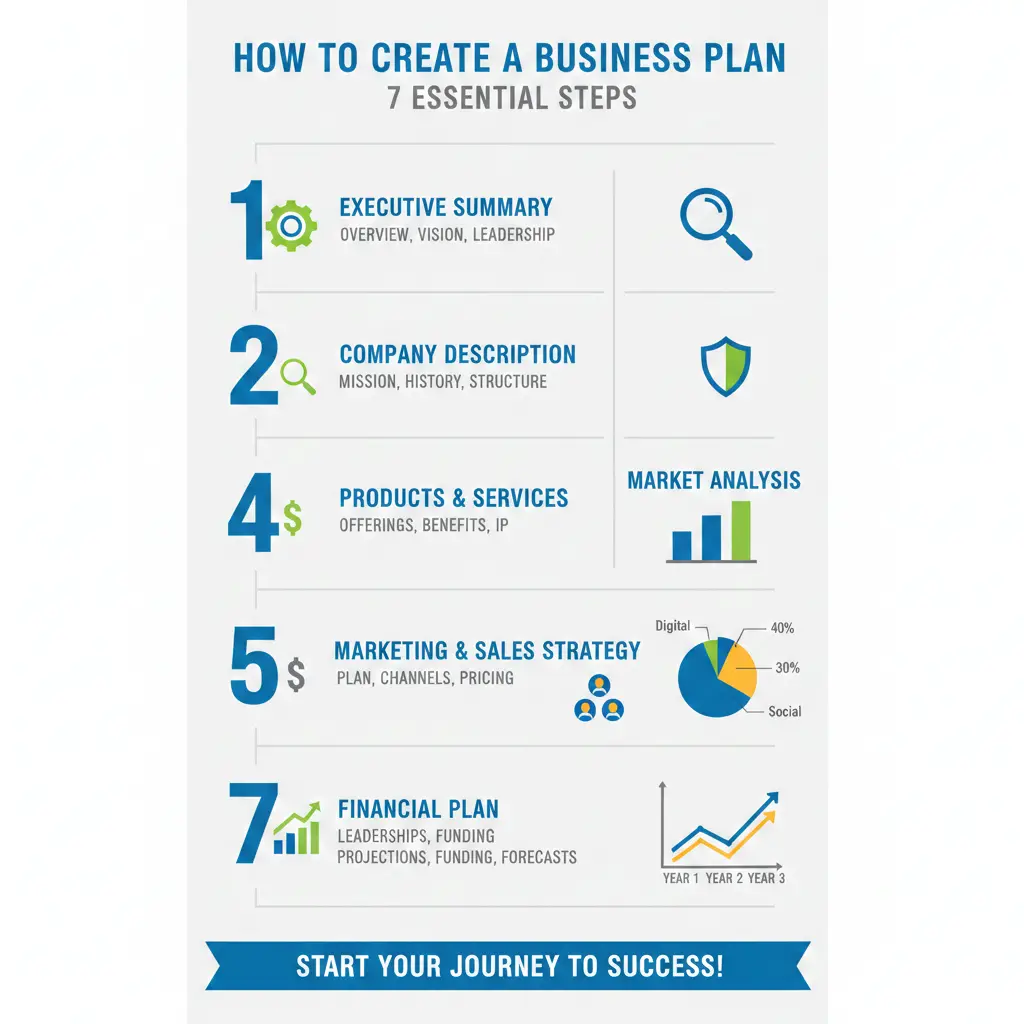
Step 1: Define Your Executive Summary
Start with the executive summary—your plan's elevator pitch. Summarise your business idea, goals, and why it'll succeed in Sri Lanka. For example, if you're starting a spice export firm in Matara, highlight our competitive edge in Ceylon cinnamon and access to FTAs with India and Europe.
- Keep it concise: 1-2 pages, written last but placed first.
- Include key metrics: Projected revenue (e.g., LKR 50 million in year 3), funding needs, and unique selling point (USP).
- Sri Lanka tip: Mention alignment with Budget 2026 export incentives or BOI approvals for foreign investment.
Step 2: Detail Your Company Description
Describe your business structure, legal setup, and location. In Sri Lanka, choose wisely: sole proprietorship for simple retail, partnership for family ventures, or Private Limited Company for scalability.
For a Pvt Ltd, note the minimum paid-up capital of $330 (about LKR 100,000 at current rates) and requirements like one resident director. State your registered address—vital for ROC filing—and industry, like agribusiness or e-commerce, booming post-2022 recovery.
| Business Structure | Best For | Key Requirements (2026) |
|---|---|---|
| Sole Proprietorship | Small shops, freelancers | Grama Niladari report, NIC copy, lease agreement. |
| Partnership | Family businesses | Partner NICs, Divisional Secretariat approval. |
| Private Limited | Startups, exports | Name reservation (Form A16), Forms 1/18/19, TIN. |
Step 3: Conduct Thorough Market Analysis
Research your market using local data from the Department of Census and Statistics or Ceylon Chamber of Commerce. Analyse competitors—like rivalling boutiques in Pettah—and target customers, such as urban millennials in Colombo for fashion or rural farmers for agro-tech.
SWOT Analysis for Sri Lankan Businesses
- Strengths: Low labour costs, strategic location for shipping.
- Weaknesses: Power outages, import duties—plan generators and duty exemptions via BOI.
- Opportunities: Tourism rebound (target 5 million visitors in 2026), digital economy via e-invoicing.
- Threats: Fuel price volatility—include contingency buffers.
Practical tip: Use free tools from ICTA (Information and Communication Technology Agency) for market surveys.
Step 4: Outline Your Organisation and Management
Detail your team structure. For locals, highlight skills from universities like Moratuwa or Sabaragamuwa. If scaling, plan for Employer of Record (EOR) services to hire without full registration.
Include resumes and roles: CEO for strategy, CFO for 18% VAT compliance. Note labour laws—no residency restrictions for directors, but EPF/ETF contributions mandatory.
Step 5: Describe Your Products or Services
Explain offerings with Sri Lankan flair. For a cafe chain, detail king coconut lattes using local produce. Cover pricing, R&D (e.g., ayurvedic products), and intellectual property via National Intellectual Property Office.
Actionable: Project lifecycle—sourcing from Dambulla markets to export via Colombo Port.
Step 6: Craft Your Marketing and Sales Strategy
In Sri Lanka's digital shift, leverage Facebook (80% penetration) and TikTok for Gen Z. Plan sales channels: WhatsApp Business for B2C, trade fairs like Colombo International Tea Convention.
- Budget: Allocate 10-15% of revenue to digital ads via local agencies.
- Sales forecast: Use conservative growth: 20% YoY amid 2026 economic targets.
Step 7: Develop Financial Projections
This is where numbers meet reality. Forecast income statements, cash flow, and balance sheets for 3-5 years. Factor 2026 changes: VAT at 18% over Rs. 36M threshold, no minimum capital but recommend LKR 100,000+.
Key Financial Components
- Startup Costs: ROC fees (LKR 15,000-30,000), office lease (Colombo: LKR 100/sqft).
- Revenue Projections: Break-even in 12-18 months.
- Funding: Seek SME loans via National Credit Guarantee.
- Taxes: Corporate 24%, plan e-invoicing via RAMIS 3.5.
Tip: Use Excel templates from SME Ministry or free tools like LivePlan, adjusted for LKR and local inflation (projected 5% in 2026).
Step 8: Include Funding Requirements and Appendix
Specify how much you need (e.g., LKR 5 million for equipment) and use (e.g., 40% inventory). Appendix: Legal docs, resumes, market data.
For BOI incentives, aim for USD 250,000 investment threshold.
Practical Tips for Sri Lankan Entrepreneurs
- Register online via ROC portal for speed.
- Consult free advisors at Chamber of Small Industries.
- Test with EOR before full setup.
- Update annually for budgets like 2026's SME boosts.
Next Steps to Launch Your Business
Grab a notebook, outline your idea today, and refine with this guide. Register your name at ROC, draft financials, then pitch to investors. We're rooting for your success—Sri Lanka's economy needs innovators like you. Download our free business plan template from Lanka Websites and turn plans into profits.
Frequently Asked Questions
Sources & References
-
1
Register a Business in Sri Lanka: A Complete Guide for 2025 — www.consultrio.com
-
2
Doing Business in Sri Lanka in 2025 [Expert Guide] — remotepeople.com
- 3
-
4
How to register a company in Sri Lanka in 2025 — www.usemultiplier.com
-
5
Doing Business in Sri Lanka | Company Setup & Tax Guide — www.desaram.com
-
6
Sri Lanka: Budget 2026 tax proposals — kpmg.com
-
7
PIP 2026-2030 final_new.pdf - Department of National Planning — npd.treasury.gov.lk
Related Articles

How to Analyze Stocks for Beginners
If you're thinking about investing in stocks but don't know where to start, you're not alone. Many Sri Lankan investors feel overwhelmed by market jargon, complex charts, and endless investment options.

Best Retirement Accounts for Self-Employed
If you're self-employed in Sri Lanka, you're responsible for your own retirement planning—and that's both a challenge and an opportunity.
Cryptocurrency Trading for Beginners
A staggering 27% of millennials prefer investing in cryptocurrencies over traditional stocks, according to a Charles Schwab survey. This shift in investment preferences is not surprising, given the potential for high returns in the cryptocurrency market. If you're considering joining the ranks of c

Best Bitcoin Wallets 2026
What Is a Bitcoin Wallet and Why Does It Matter? A Bitcoin wallet is software or hardware that stores your private keys—essentially the passwords that prove you own your cryptocurrency.