Best Business Ideas for 2026

Starting a business in 2026 is more achievable than ever, thanks to lower barriers to entry and growing digital opportunities.
The Lankawebsites editorial team curates, fact-checks, and updates guides on personal finance, property, health, immigration, legal, business, and lifestyle topics relevant to Lankawebsites readers. Articles are produced with AI assistance and reviewed by the editorial team before publication.
As Sri Lanka's economy bounces back in 2026, with tourism surging and digital adoption skyrocketing, savvy locals are spotting golden opportunities to launch businesses that fit our unique market. Whether you're in bustling Colombo, the hill country, or a coastal town, these best business ideas for 2026 leverage low startup costs, local strengths like our rich culture and tech-savvy youth, and global trends—helping you build financial security right here at home.
Why 2026 is the Perfect Time for New Businesses in Sri Lanka
Our island nation's startup scene is thriving, thanks to improved internet penetration, a young workforce, and post-recovery tourism hitting record highs. E-commerce sales are projected to grow 25% this year, while the gig economy offers flexible income streams for freelancers. Government initiatives like the Export Development Board (EDB) support agro-exports, and platforms like PickMe and Uber make delivery and ridesharing seamless. With inflation stabilising and foreign investment rising, low-capital ideas can yield quick returns—many needing under 300,000 LKR to start.
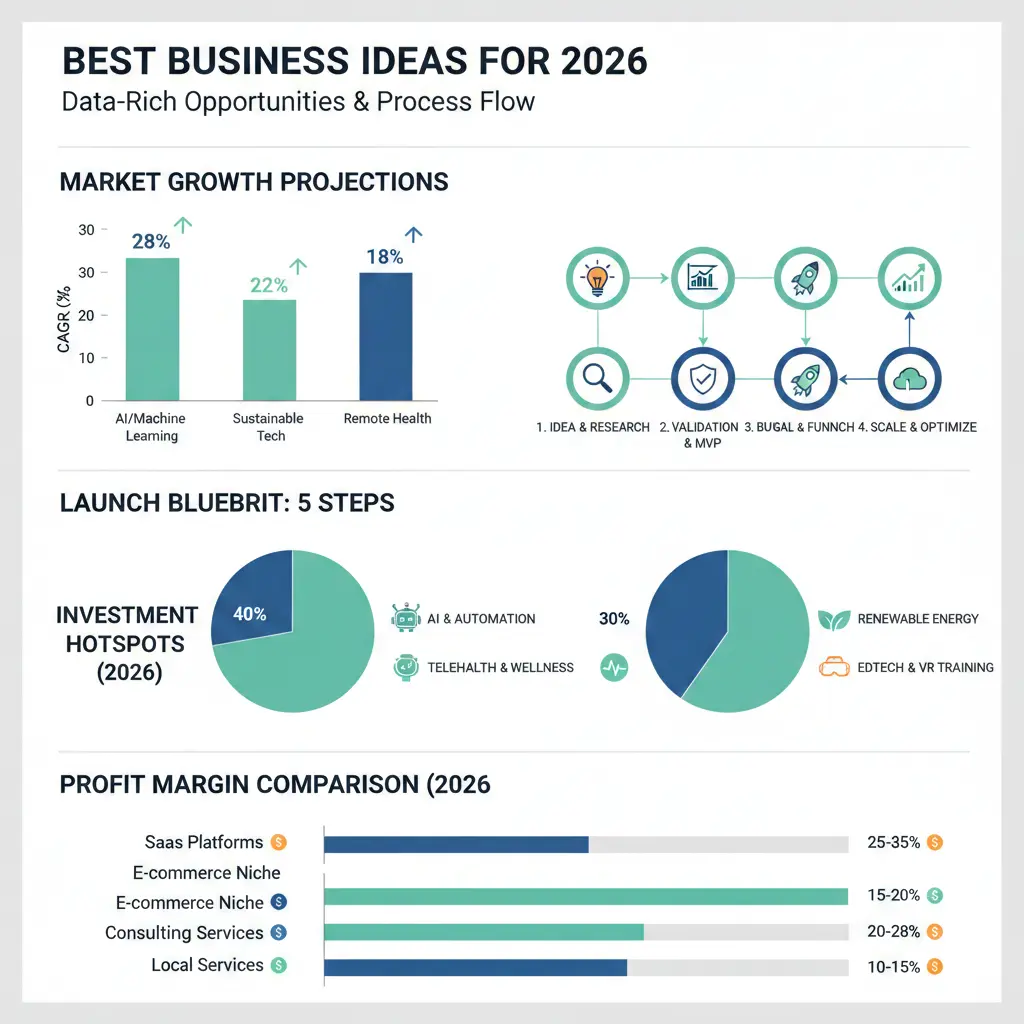
Top 10 Best Business Ideas for 2026 in Sri Lanka
We've curated these ideas based on market demand, low barriers to entry, and proven success stories from local entrepreneurs. Each includes startup costs, profit potential, and practical steps tailored for us.
1. Cloud Kitchen (Home-Based Food Delivery)
Sri Lanka's urban workers crave quick, affordable meals, fuelling demand for cloud kitchens—delivery-only setups without pricey dine-in spaces. Focus on local favourites like kottu, lamprais, or healthy twists on rice and curry. Startup costs: 200,000-500,000 LKR for kitchen gear and packaging. Monthly profits: 100,000-300,000 LKR once partnered with apps like PickMe Food or Uber Eats.
- Actionable tip: Register with the Food Control Administration Unit under the Ministry of Health for hygiene compliance—essential for trust.
- Start small from home, test menus on social media, and scale with branding for snacks or desserts.
2. Tuk Tuk Tourism Experiences
Tourism is booming, with visitors seeking authentic adventures over cookie-cutter tours. Convert a three-wheeler into a themed ride: heritage trails in Kandy, beach hops in Mirissa, or foodie spins in Galle. Low startup: one tuk tuk (150,000 LKR if buying used) plus storytelling skills. Earn 150,000-400,000 LKR monthly in peak season.
- Get a tourism board licence via Sri Lanka Tourism Development Authority (SLTDA)—simple online process.
- Market on Instagram and TripAdvisor; charge 5,000-10,000 LKR per tour.
3. E-Commerce Store for Local Products
Our e-commerce market is exploding, with platforms like Daraz leading the charge. Sell Ceylon tea, spices, handicrafts, or batik via dropshipping or artisan partnerships—no inventory needed upfront. Startup: 50,000-150,000 LKR for a Shopify site. Profits: 80,000-250,000 LKR monthly.
- Link with the EDB for export tips if going global.
- Use Facebook Marketplace for local sales; optimise for SEO with keywords like "organic Sri Lankan tea".
4. Freelancing and Digital Services
Leverage global demand for Sri Lankan talent in writing, design, coding, and marketing. Platforms like Upwork and Fiverr connect you to clients worldwide. No office needed—just skills and a laptop. Average earnings: 100,000-500,000 LKR monthly for specialists.
- Specialise in SEO or web dev, where South Asian pros shine.
- Build a portfolio on LinkedIn; register as a sole proprietor via Inland Revenue for tax ease.
5. Organic Farming and Microgreens
With food prices rising and health trends booming, urban farming yields high margins. Grow microgreens or organic veggies in small greenhouses for Colombo hotels and supermarkets. Startup: 100,000-300,000 LKR. Profits: 150,000+ LKR monthly.
- Check EDB for export certification on cinnamon or tea.
- Sell via WhatsApp groups or farmers' markets in Pettah.
6. Mobile and IT Repair Services
Smartphone penetration is at 80%, driving repair demand. Open a shop near universities or offices for fixes and accessories. Startup: 150,000-300,000 LKR. Steady profits: 80,000-200,000 LKR monthly.
- Train via local IT institutes; location beats all—aim for high footfall spots.
- Add computer training for extra revenue.
7. Online Course Creation
Share expertise in cooking, English, IT, or digital marketing on Udemy or Teachable. Create once, sell forever—passive income gold. Startup: under 50,000 LKR. Earnings: 50,000-300,000 LKR monthly after traction.
- Target local needs like O/L tuition or gemology courses.
- Promote via YouTube for Sri Lankan audiences.
8. Digital Marketing Agency
Small businesses need online visibility; offer SEO, social media, and ads. Startup: laptop and skills (50,000 LKR). Scale to 200,000+ LKR monthly.
- Certify via Google Digital Garage—free.
- Target Colombo SMEs via Facebook groups.
9. Health and Wellness Coaching
Post-pandemic, locals seek fitness and ayurveda online. Offer virtual sessions or apps. Low cost, high scalability.
10. Sustainable Packaging Production
Eco-trends favour reusable items; produce for e-commerce. Aligns with global shifts, low entry via home setup.
Legal and Financial Tips for Starting Your Business
Register as a sole proprietorship via the Registrar of Companies—costs 5,000 LKR, done online. Open a business account at Commercial Bank or HNB for credibility. Track taxes with Inland Revenue's portal; deduct startup costs. Seek grants from the National Enterprise Development Authority (NEDA) for youth ventures.
Next Steps to Launch Your 2026 Business
Pick one idea matching your skills, validate with a quick market test (survey 50 locals via WhatsApp), draft a simple plan using free NEDA templates, and launch within 30 days. We're in this together—track progress, adapt to trends like AI tools, and watch your venture grow. Start small, dream big, and build the financial future our families deserve.
Frequently Asked Questions
Sources & References
-
1
Best Business Ideas for 2026 | Lanka Websites — lankawebsites.com
- 2
-
3
5 Small Business Ideas in Sri Lanka 2026 - YouTube — www.youtube.com
-
4
Best 14 Business Ideas to Get Started in Sri Lanka | SeekaHost — www.seekahost.com
-
5
Top 10 Startup Ideas With High Growth Potential In Sri Lanka — www.frontpagejournal.com
-
6
Business Investment Opportunities in Sri Lanka - SMERGERS — www.smergers.com
Related Articles

How to Analyze Stocks for Beginners
If you're thinking about investing in stocks but don't know where to start, you're not alone. Many Sri Lankan investors feel overwhelmed by market jargon, complex charts, and endless investment options.

Best Retirement Accounts for Self-Employed
If you're self-employed in Sri Lanka, you're responsible for your own retirement planning—and that's both a challenge and an opportunity.
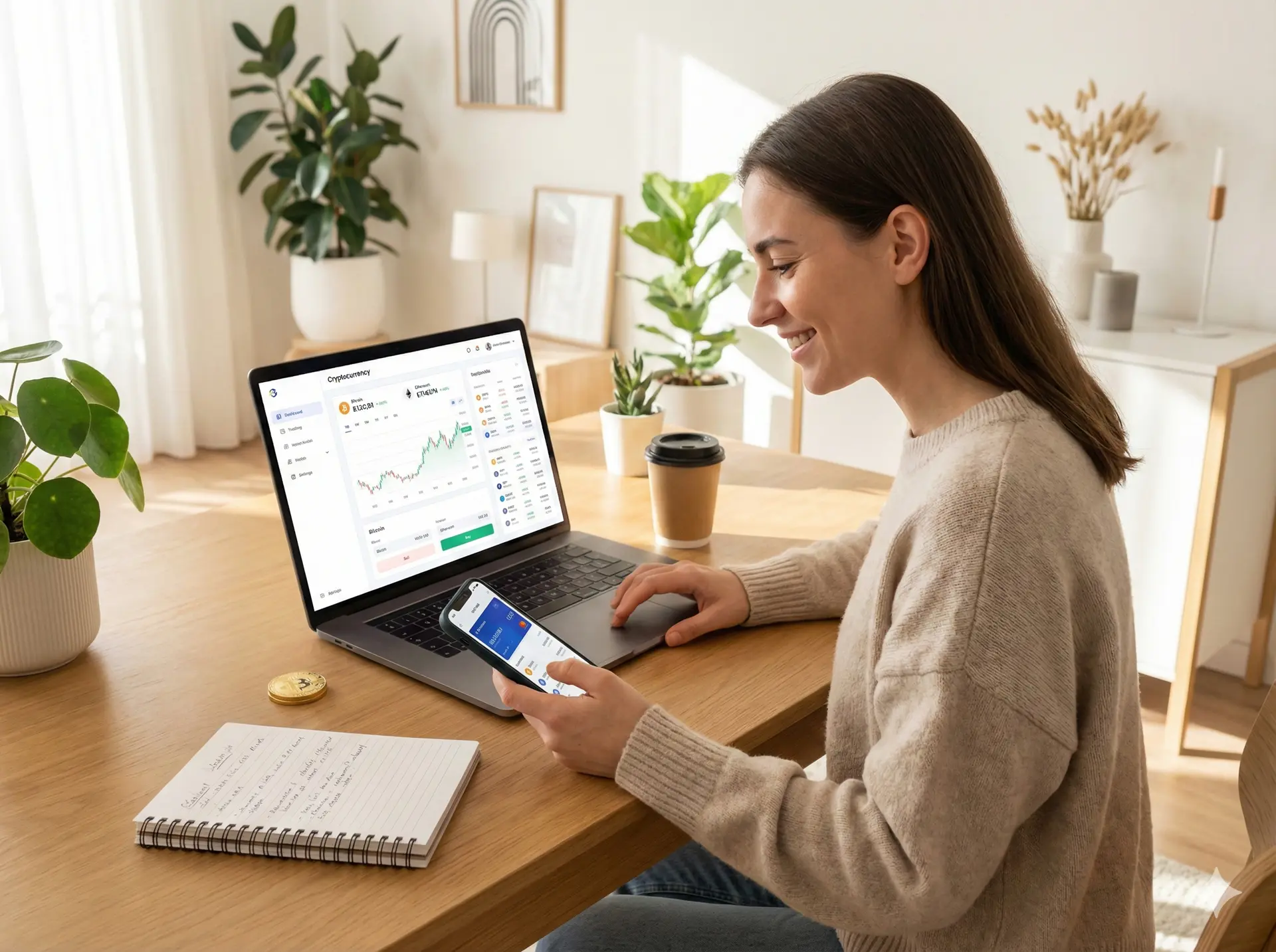
Cryptocurrency Trading for Beginners
A staggering 27% of millennials prefer investing in cryptocurrencies over traditional stocks, according to a Charles Schwab survey. This shift in investment preferences is not surprising, given the potential for high returns in the cryptocurrency market. If you're considering joining the ranks of c

Best Bitcoin Wallets 2026
What Is a Bitcoin Wallet and Why Does It Matter? A Bitcoin wallet is software or hardware that stores your private keys—essentially the passwords that prove you own your cryptocurrency.