Sinhala and Tamil New Year: National Celebration
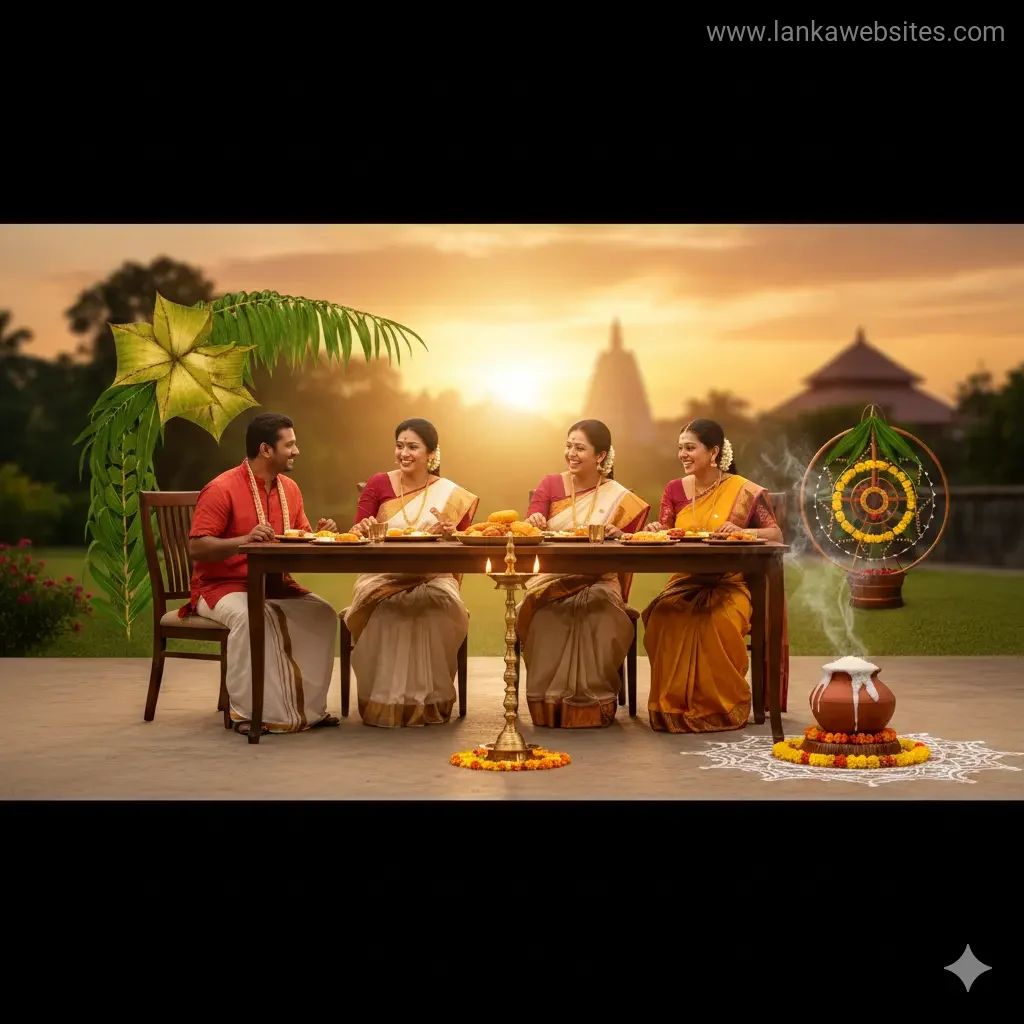
Every April, Sri Lanka comes alive with the vibrant spirit of the Sinhala and Tamil New Year, a national celebration that unites our island nation in joy, tradition, and fresh beginnings. Whether you'
The Lankawebsites editorial team curates, fact-checks, and updates guides on personal finance, property, health, immigration, legal, business, and lifestyle topics relevant to Lankawebsites readers. Articles are produced with AI assistance and reviewed by the editorial team before publication.
Every April, Sri Lanka comes alive with the vibrant spirit of the Sinhala and Tamil New Year, a national celebration that unites our island nation in joy, tradition, and fresh beginnings. Whether you're in the bustling streets of Colombo or a quiet village in the hills, this festival brings families together for rituals, feasts, and games that have defined our culture for centuries.
The Significance of Sinhala and Tamil New Year
Our Sinhala and Tamil New Year, known as Aluth Avurudda to Sinhalese and Puthandu to Tamils, marks the astronomical transition of the sun from Pisces to Aries. This isn't just a date on the calendar—it's a time when we pause old routines and embrace prosperity, guided by ancient astrology. In 2026, we'll celebrate on Monday, 13 April, and Tuesday, 14 April, with exact timings set by royal astrologers for rituals like lighting the hearth or starting work.
What makes this truly special is its unity across communities. Both Sinhalese and Tamils observe it, fostering goodwill in a country as diverse as ours. It's a non-religious event enjoyed nationwide, symbolising hope and good fortune for young and old alike.
Astronomical Roots and National Holiday Status
The festival aligns with the new moon, typically 13-14 April, but precise moments—like the sun's entry into the Mesha Sankranti—are calculated yearly. In Sri Lanka, these days are public holidays, with schools, banks, and offices closed, giving us time for family and festivities. Firecrackers herald each auspicious hour, from dawn preparations to evening feasts.
Traditional Rituals and Customs
Preparations start weeks ahead, with homes cleaned, painted, and floors polished to welcome prosperity. We bathe in herbal oils for cleansing, visit temples or kovils for blessings, and follow astrologers' timings strictly—no work or transactions before the set moment.
Key Auspicious Moments
- Lighting the Hearth: Boil milk in a new clay pot until it overflows, symbolising abundance. Share kiribath (milk rice) as the first meal.
- Gift-Giving and Respect: Children offer betel leaves to elders; families exchange sweets and clothes.
- Temple Visits: Sinhalese receive anointing oil from temples; Tamils visit kovils for sacred concoctions and prayers.
- Starting Anew: First work, purchases, and meals happen at exact times, often announced nationwide via radio and TV.
These rituals remind us of our shared heritage, blending Sinhalese and Tamil practices seamlessly.
Delicious Avurudu Sweets and Feasts
No Sinhala and Tamil New Year is complete without kiribath, kavum, and kokis—sweets that fill our homes with irresistible aromas. In rural areas like the "Sweet Village," families spend days crafting these treats.
Must-Make Avurudu Delicacies
- Kiribath: Coconut milk rice, served with lunu miris (spicy sambol)—the essential first meal.
- Kevum (Oil Cakes): Sticky rice flour parcels fried golden, often filled with coconut treacle.
- Asmi: Delicate, spun-sugar threads, a labour of love from village artisans.
- Unduwel: Crunchy rice flour snacks, perfect for sharing.
- Kokis: Crispy love-letter sweets with Dutch influences, enjoyed by all.
Pro tip: Source fresh coconut and kitul treacle from local markets like Pettah or Kandy for authentic flavours. Share platters with neighbours to spread cheer—it's our tradition!
Avurudu Games and Community Fun
After rituals, the real fun begins with Avurudu Kreeda—traditional games that test skill, strength, and laughter. Streets transform into playgrounds, especially in suburbs and villages.
Popular Games to Play
- Lissana Gaha Nageema: Climb a greased pole for prizes—bring old clothes!
- Kamba Adema: Tug-of-war between teams, building community spirit.
- Gotta Pora: Pillow fights on a pole, hilarious and competitive.
- Havari Henguma: Hide-and-seek with a twist, hiding a flag.
- Rabana Tuning: Rhythmic drumming on the flat rabana drum.
In 2026, join events at places like SSIBC for organised games and cultural shows. Urban dwellers, check community centres in Colombo or Jaffna for kid-friendly versions.
Regional Celebrations Across Sri Lanka
From Colombo's fireworks to Jaffna's kovil processions, celebrations vary but unite us. In the hill country, expect cooler weather for outdoor feasts; coastal areas like Galle buzz with beach games. Rural heartlands showcase authentic sweets-making, as seen in viral videos of village traditions.
Tamils in the North and East dress in new clothes, visit kovils, and enjoy family pujas. Sinhalese in the South and Central provinces light hearths amid koel bird songs. Nationwide, the yak erabadu flower's bloom signals the season.
Practical Tips for Celebrating in 2026
Plan ahead: Stock rice, coconut, and sugar before prices rise. Follow the Presidential Secretariat's announcement for exact timings, usually early April. For families:
- Shop at Divisional Secretariats for free aluth avurudu packs if available.
- Decorate with mango leaves and kolam designs.
- Drive safely—holidays mean crowded roads; use public transport.
- Go green: Reuse clay pots and avoid single-use plastics, aligning with our sustainability drives.
In Colombo, visit Gangaramaya Temple; in Kandy, join Esala processions' mini-versions. Remote workers, log off at the nonagathaya (inauspicious) period ends.
FAQ
When is Sinhala and Tamil New Year 2026?
It's on 13-14 April 2026, with Monday the 13th as preparation day and Tuesday the 14th as the main holiday.
What sweets should I make for Avurudu?
Start with kiribath, kavum, kokis, and asmi—these are staples loved nationwide.
Are there official timings for rituals?
Yes, royal astrologers set them; listen to state media for 2026 announcements.
Can Tamils and Sinhalese celebrate together?
Absolutely—it's a shared national event promoting unity.
What games are safe for kids?
Pillow fights and rabana tuning; supervise greased pole climbs.
Is it a public holiday?
Yes, both days off work and school across Sri Lanka.
Make Your Avurudu Unforgettable
As we gear up for 2026's Sinhala and Tamil New Year: National Celebration, focus on family, share sweets, and play games that bind us. Start prepping now—clean your home, learn a recipe, and connect with relatives. Visit local events, respect traditions, and create memories that'll last. Happy Avurudu—may prosperity fill your year!
Related Articles

Sri Lankan Traditional Dress: Saree and Sarong
Introduction to Sri Lankan Traditional Dress Sri Lankan culture is a vibrant and rich tapestry, woven from a diverse array of influences and traditions. O

Traditional Crafts: Brass, Wood, and Lacquerwork
Introduction to Traditional Crafts Traditional crafts have been an integral part of human culture for centuries, with various forms of craftsmanship being

Traditional Games: Elle and Kana Mutti
Introduction to Traditional Games As a New Zealander, you might be familiar with the rich cultural heritage of our country, which is home to a diverse rang

Kiribath (Milk Rice): Auspicious Food
Introduction to Kiribath: A Symbol of Good Fortune If you've ever attended a Sri Lankan or Indian festival in New Zealand, you might have come across a tra