Coming of Age Ceremonies
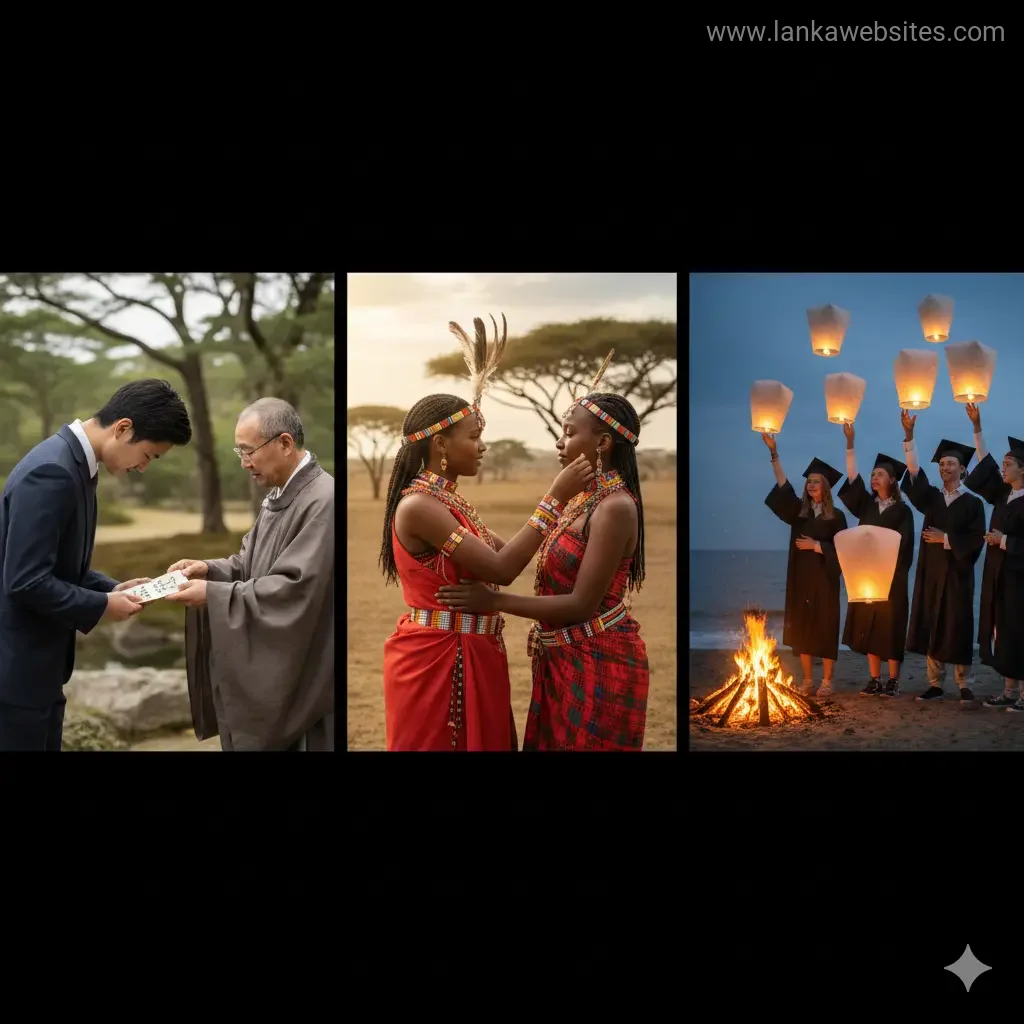
Coming of age ceremonies mark one of life's most significant transitions—the journey from childhood into adulthood. Across Sri Lanka, these rituals hold deep cultural meaning, blending ancient traditi
The Lankawebsites editorial team curates, fact-checks, and updates guides on personal finance, property, health, immigration, legal, business, and lifestyle topics relevant to Lankawebsites readers. Articles are produced with AI assistance and reviewed by the editorial team before publication.
Coming of age ceremonies mark one of life's most significant transitions—the journey from childhood into adulthood. Across Sri Lanka, these rituals hold deep cultural meaning, blending ancient traditions with modern celebrations. Whether you're planning a ceremony, curious about your cultural heritage, or simply wanting to understand these important milestones better, this guide explores what these traditions mean and how they're celebrated today.
What Are Coming of Age Ceremonies?
A coming of age ritual is a ceremony or tradition that marks the transition from being a child to being an adult. These rituals symbolise readiness to take on new responsibilities and roles in the family and society. In Sri Lanka, coming of age ceremonies are particularly significant for young women, with distinct practices among Sinhalese and Tamil communities.
The concept isn't unique to Sri Lanka—cultures worldwide recognise this milestone through their own traditions. However, what makes Sri Lankan ceremonies special is their deep connection to fertility, family honour, and community recognition.
Sri Lankan Coming of Age Traditions
Sinhalese Puberty Rituals: Kotahaluweema
In Sinhalese culture, the coming of age of a girl is known as kotahaluweema, a term which connotes to the strength of becoming a woman. This ancient ritual involves several meaningful stages that celebrate a young woman's transition into adulthood.
The Bathing Ritual
The ceremony begins with a sacred bathing ritual. A kalaya (a special vessel) is filled with water and jasmine flowers, sometimes saffron and milk, and is poured over the girl seven times before the kalaya is broken to pieces. This signifies the eradication of any undesired energies and marks a spiritual cleansing as she enters womanhood.
Symbols of Fertility
Before the bathing ritual, the girl is taken to look at a tree that exudes a milky sap when cut. She's also made to stand on a mat sprinkled with unhusked rice. Both the oozing tree and the unhusked rice are symbols of fertility, meant to provide good omens for her entry into womanhood and her projected role as wife and mother.
New Clothes and Ancestral Jewellery
Once the bathing ritual is complete, the girl is dressed in new clothes and wears ancestral gold jewellery. This transformation in appearance marks her new status within the family and community. The gold jewellery, often passed down through generations, connects her to her family's heritage and history.
The Celebration: Kotahalu Mangalya
Known as the kotahalu mangalya in Sinhala, a joyous celebration is held to mark the occasion. Historically, this celebration was held to announce to the community that there was a young woman of marriageable age in their midst. Today, it remains a vibrant family gathering where a traditional Sri Lankan meal is laid out around the girl, and she accepts gifts from her relatives and neighbours as a sign of good wishes for her transition into womanhood.
Tamil Puberty Ceremonies: Poopunitha Neerathu Vizha
Among the Tamil population in Sri Lanka, girls are considered women once they've had their first period. On the first day of her menstruation cycle, the girl gets bathed by close relatives, is kept in isolation, and fed a big meal.
After isolation, she takes another bath and dons heavy makeup, dresses in a sari for the first time (symbolising her passage into womanhood), and piles on layers of jewellery to signify womanhood. A priest is often invited to her home to perform a religious ceremony amidst family.
The celebration is known as the poopunitha neerathu vizha in Tamil. In Tamil communities, it's not uncommon for the girl to receive gifts of gingerly oil and brinjals, in addition to gold. Furthermore, it's somewhat of a modern trend to make the poopunitha neerathu vizha a lavish affair held at a reception hall, complete with professional photography and choreographed dance items.
Modern Celebrations in Sri Lanka
While traditional elements remain central to these ceremonies, how Sri Lankan families celebrate has evolved. Today, many families blend ancient rituals with contemporary touches:
- Professional photography and videography to capture the moment
- Reception halls instead of home-based celebrations
- Choreographed dance performances and entertainment
- Elaborate decorations featuring flowers and traditional elements
- Themed entrances using traditional doli (palanquins) and palki (decorated platforms)
- Catering services providing traditional Sri Lankan cuisine alongside modern options
Many families now hire professional event organisers to help plan these ceremonies, ensuring that both traditional significance and modern aesthetics are honoured. The use of flower-decorated palanquins and canopies, for instance, creates a memorable entrance whilst maintaining connection to cultural symbolism.
Why These Rituals Matter
Coming of age ceremonies serve multiple important functions in Sri Lankan society:
- Cultural Continuity: These rituals connect young women to their ancestral heritage and cultural identity
- Family Recognition: They honour the girl's transition and affirm her place within the family structure
- Community Acknowledgement: The ceremony announces to the wider community that a young woman has reached adulthood
- Spiritual Significance: The rituals carry spiritual meaning, blessing the girl's journey ahead
- Gender Role Definition: Historically, these ceremonies marked a girl's readiness for marriage and motherhood, though modern interpretations are broader
Planning a Coming of Age Ceremony
If you're considering organising a coming of age ceremony for your daughter or a family member, here are practical steps to consider:
Decide on Your Approach
Determine whether you'd like a traditional ceremony, a modern celebration, or a blend of both. Discuss with your family elders what elements are most important to preserve.
Choose Your Setting
Decide whether to hold the ceremony at home (more traditional) or at a venue like a reception hall or hotel. Each option has different practical implications for guest numbers and logistics.
Plan the Key Elements
Ensure you include the important rituals—the bathing ceremony, new clothes, jewellery, and the celebration feast. Work with family members who understand the traditional aspects.
Arrange Professional Services
Consider hiring event organisers, photographers, florists, and caterers who understand Sri Lankan cultural ceremonies. Many services in Sri Lanka now specialise in these occasions.
Budget Appropriately
Coming of age ceremonies can range from modest family gatherings to elaborate celebrations. Set a budget that works for your family and prioritise what matters most to you.
Coming of Age Rituals Around the World
It's interesting to note that Sri Lanka isn't alone in celebrating this milestone. Different countries mark this transition in unique ways:
- Japan: Coming of Age Day (Seijin no Hi) is celebrated on the second Monday of January, honouring all people who reached legal age in the previous year
- Latin America: The Quinceanera celebrates a girl's 15th birthday with a Catholic mass and fiesta, involving a court of 14 friends and changing from flats to high heels
- South Korea: A formal Coming of Age Day marks this transition, celebrated in May
- Philippines: A debut celebrates an 18-year-old girl's coming of age with a big party and cotillion with 18 people performing choreographed dances
Research suggests that these rituals hold deeper significance in pre-industrial societies, where survival depended on gender roles and practical skills. In modern societies, they tend to be more informal or symbolic. Yet in Sri Lanka, these ceremonies continue to hold substantial cultural weight and remain important family occasions.
Frequently Asked Questions
At what age do girls have coming of age ceremonies in Sri Lanka?
In both Sinhalese and Tamil communities, the ceremony typically occurs after a girl's first menstruation, which usually happens during early to mid-teenage years (typically between ages 12-16, though this varies individually).
Are coming of age ceremonies only for girls in Sri Lanka?
Historically, documented coming of age ceremonies in Sri Lanka have primarily focused on girls. However, modern families may choose to celebrate other milestones for sons, such as religious ceremonies or educational achievements. The traditions documented in Sri Lankan culture centre on marking girls' transition to womanhood.
How much does a coming of age ceremony typically cost?
Costs vary widely depending on your approach. A simple family-based ceremony might cost between 50,000-200,000 LKR, whilst a reception hall celebration with professional services could range from 300,000-1,000,000+ LKR. Your budget depends on guest count, venue, catering, and services you choose.
Can we modify traditional rituals to suit our family?
Yes. Many modern Sri Lankan families adapt traditional ceremonies to reflect their values and circumstances. The key is maintaining the core spiritual and cultural elements whilst adding modern touches that feel authentic to your family.
What if we want a secular coming of age celebration?
You can celebrate the milestone with a family gathering that honours the cultural significance without religious elements. Focus on the symbolic aspects—new clothes, gifts, family recognition, and a celebration meal—whilst skipping religious ceremonies.
How do we involve extended family members who live abroad?
Consider scheduling the ceremony during a time when overseas relatives can visit. You might also livestream the celebration or record videos to share with those who can't attend in person. Many families now include video messages from distant relatives as part of the ceremony.
The Future of Sri Lankan Coming of Age Rituals
Whilst the puberty rituals practised in Sri Lanka may be somewhat indigenous to our culture, the idea of recognising rites of passage, in general, is one which exists in many other cultures. As Sri Lanka continues to modernise, these ceremonies are evolving—becoming more elaborate and professionally organised, yet maintaining their cultural essence.
What's important is that these rituals continue to serve their fundamental purpose: honouring a young woman's transition to adulthood, affirming her place in her family and community, and connecting her to her cultural heritage. Whether celebrated traditionally or with modern flair, coming of age ceremonies remain meaningful milestones in Sri Lankan family life.
If you're planning a ceremony, remember that there's no single "right way"—what matters is that it feels meaningful to your family and respects the cultural traditions that matter most to you. Start conversations with your elders, explore your options, and create a celebration that marks this important transition in a way that feels authentic to your family.
Related Articles

Sri Lankan Traditional Dress: Saree and Sarong
Introduction to Sri Lankan Traditional Dress Sri Lankan culture is a vibrant and rich tapestry, woven from a diverse array of influences and traditions. O

Traditional Crafts: Brass, Wood, and Lacquerwork
Introduction to Traditional Crafts Traditional crafts have been an integral part of human culture for centuries, with various forms of craftsmanship being

Traditional Games: Elle and Kana Mutti
Introduction to Traditional Games As a New Zealander, you might be familiar with the rich cultural heritage of our country, which is home to a diverse rang

Kiribath (Milk Rice): Auspicious Food
Introduction to Kiribath: A Symbol of Good Fortune If you've ever attended a Sri Lankan or Indian festival in New Zealand, you might have come across a tra