Colonial-Era Churches and Religious Buildings
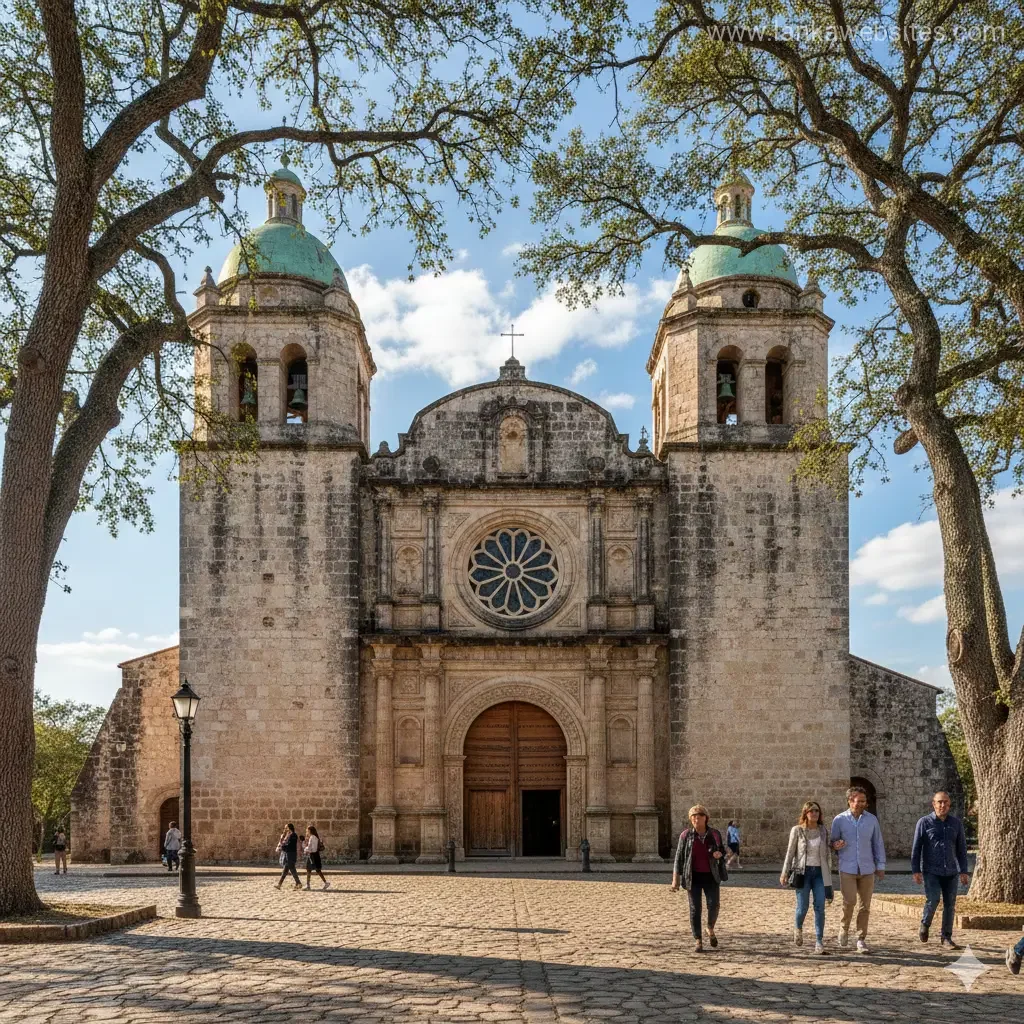
Sri Lanka's colonial-era churches stand as remarkable testaments to centuries of European influence, architectural innovation, and religious transformation. These structures, scattered across our isla
The Lankawebsites editorial team curates, fact-checks, and updates guides on personal finance, property, health, immigration, legal, business, and lifestyle topics relevant to Lankawebsites readers. Articles are produced with AI assistance and reviewed by the editorial team before publication.
Sri Lanka's colonial-era churches stand as remarkable testaments to centuries of European influence, architectural innovation, and religious transformation. These structures, scattered across our island from bustling Colombo to serene hill-country towns, tell the story of how Portuguese, Dutch, and British colonisers reshaped our spiritual landscape whilst leaving behind some of the most architecturally significant buildings in South Asia. Whether you're a history enthusiast, heritage tourist, or simply curious about our island's past, understanding these churches offers invaluable insights into how external forces shaped Sri Lankan society, culture, and faith communities that persist today.
The Portuguese Era: Introducing Catholicism to Sri Lanka
When Portuguese traders arrived in 1505, they brought more than commerce—they introduced Roman Catholicism to our shores. The Portuguese established themselves through trade agreements and later intervened in local succession disputes, converting influential figures including Don Juan Dharmapala, the king of Kotte, a small kingdom near present-day Colombo. This marked the beginning of Christianity's institutional presence in Sri Lanka.
The Portuguese constructed impressive parish churches across coastal areas, particularly in regions like Negombo and Galle. Contemporary observers noted that many of these churches rivalled the finest structures in Portuguese-controlled Goa, featuring exuberant decoration and monumental scale. Unfortunately, most of these early Portuguese Catholic structures were destroyed or repurposed during the Dutch period, with only ruins remaining—such as the Jesuit Church of the Holy Trinity in Chankanai on the Jaffna peninsula—as visible testimony to the strength of these early Catholic communities.
The Oratorian Legacy
During the Dutch period, Catholic presence didn't disappear entirely. The Fathers of the Goa Oratory—priests from Portugal's Indian colony—developed a distinctive architectural approach that blended European design with local elements. These Oratorian churches followed the Christian basilica model with a longitudinal nave divided into a central aisle and two side aisles, featuring distinctive triumphal arches and two rows of wooden columns. What made these structures uniquely Sri Lankan was their incorporation of native craftsmanship: wooden columns surmounted by mortised capitals with four-sided decorative brackets, preserving building methods typical of ancient Hindu tradition.
Saint James Church in Killaly, Jaffna, exemplifies this Indo-Portuguese style, where you'll notice the intricate wooden columns with decorative brackets that represent a fascinating fusion of European religious architecture and Sri Lankan artisanal traditions. By the early 19th century, when British rule relaxed anti-Catholic restrictions, approximately 280 Catholic churches and chapels had been documented across the island.
The Dutch Period: Reformed Protestant Architecture
When the Dutch East India Company ousted the Portuguese in the mid-17th century, they brought Protestantism—specifically Calvinism and the Dutch Reformed Church—to our coastal regions. Unlike the ornate Portuguese Catholic structures, Dutch Reformed Churches reflected Calvinist austerity, featuring simpler, more austere architectural styles with less elaborate ornamentation. These buildings showcased robust brickwork, arched windows, and characteristic gabled roofs that still define their appearance today.
The Wolvendaal Church: Sri Lanka's Most Iconic Dutch Structure
The most prominent example of Dutch colonial architecture is the Wolvendaal Church in Colombo, built in 1749. This imposing structure stands as perhaps the finest surviving example of Dutch Protestant architecture in Sri Lanka, embodying the solid, functional aesthetic that characterised Dutch Reformed design. The church served as the highest executive centre of the Dutch Colonial Church in Ceylon, with the island divided into three ecclesiastical districts: Colombo, Jaffna, and Galle.
The Dutch period also saw the establishment of schools and institutional structures that shaped coastal communities. However, their strict religious control eventually drove many Catholic communities underground, where they preserved their faith through informal gatherings until conditions improved under British rule.
The British Era: Anglican and Methodist Expansion
When Britain assumed control from the Dutch in the late 18th and early 19th centuries, the religious landscape transformed once again. The British (1796-1948) were far more active in missionary work than their predecessors, establishing numerous churches, schools, and hospitals across the island. This period introduced Anglicanism, Methodism, and Baptist denominations, spreading Christianity more widely than previous colonial powers.
British colonial church architecture reflected styles popular in Britain during the 19th and 20th centuries, including Gothic Revival, Victorian, and Neoclassical designs, adapted to our tropical environment. These churches tended to be larger and more imposing, reflecting the scale and confidence of the British Empire.
Notable British Colonial Churches
Several outstanding examples showcase British Anglican architecture:
- Christ Church Cathedral in Colombo exemplifies Gothic Revival style with pointed arches and stained-glass windows reminiscent of English cathedrals.
- The Anglican Cathedral of Christ the Living Saviour, also in Colombo, represents a more modern architectural approach whilst retaining Anglican traditions.
- St. Paul's Church in Kandy, situated near the Temple of the Tooth Relic, offers a charming example of British colonial architecture in our hill country, blending European design with the cultural significance of Kandy, Sri Lanka's last royal capital.
Protestant Education and Community Development
The British introduced Protestant missionary education that shaped Sri Lankan society significantly. The American Ceylon Mission, established in 1813, created medical dispensaries and schools across the island. Jaffna College, opened in 1872, remains an important Protestant educational institution with enduring American ties and continues to influence Sri Lankan education today.
Architectural Fusion: Where European Design Met Sri Lankan Tradition
What makes colonial-era churches in Sri Lanka particularly fascinating is how they represent architectural fusion rather than simple European transplantation. Each colonial power adapted their styles to our climate, materials, and local craftsmanship. Portuguese churches incorporated local materials and artisanal skills. Dutch structures used brickwork suited to coastal environments. British buildings blended Gothic Revival with tropical adaptations.
This blending created a uniquely Sri Lankan colonial aesthetic—churches that are simultaneously European in spiritual purpose and local in execution. The use of timber, local stone, and indigenous building techniques alongside European architectural principles created structures that feel both foreign and familiar to Sri Lankan communities.
Religious Demographics Today
Despite centuries of colonial Christian influence, Sri Lanka remains predominantly Buddhist. Sri Lanka's Christian population today is relatively small, with Protestants constituting only 1 percent of the island's population. Catholics represent a somewhat larger community, particularly in coastal areas where Portuguese influence was strongest. However, these colonial churches remain significant cultural and historical monuments, attracting heritage tourists and serving as important sites for Sri Lanka's Christian communities.
Visiting Colonial Churches: A Heritage Tourism Guide
If you're interested in exploring these architectural treasures, several are easily accessible:
- Colombo offers the most concentrated collection, including Christ Church Cathedral and the Anglican Cathedral of Christ the Living Saviour
- Wolvendaal Church in Colombo remains the finest example of Dutch architecture and welcomes visitors interested in its 18th-century heritage
- Negombo and Galle feature numerous smaller Portuguese-influenced churches and chapels scattered throughout these coastal towns
- Kandy provides St. Paul's Church, offering a picturesque example of British colonial architecture in a culturally significant setting
- Jaffna showcases Oratorian churches including Saint James Church in Killaly, where you can observe distinctive wooden column architecture
Many of these churches remain active places of worship, so visitors should be respectful of services and community activities. Some churches offer guided tours or historical information—it's worth enquiring locally about visiting hours and any heritage conservation projects underway.
Conservation and Heritage Significance
These colonial-era structures face ongoing challenges from tropical climate, urban development, and limited funding for conservation. Several organisations and heritage groups work to preserve these buildings as important cultural monuments. If you're passionate about heritage conservation, supporting these efforts helps ensure future generations can appreciate these architectural achievements.
Frequently Asked Questions
Which colonial power built the most churches in Sri Lanka?
The British constructed significantly more churches than previous colonisers, being far more active in missionary work. However, the Portuguese established the earliest Christian presence and Catholic communities, whilst the Dutch created some of the finest architectural examples, particularly the Wolvendaal Church.
Can I visit these colonial churches today?
Yes, many colonial churches remain open to visitors. Major examples like Christ Church Cathedral in Colombo and Wolvendaal Church welcome heritage tourists. It's advisable to check local visiting hours and be respectful of active worship services. Some churches may offer guided historical tours—contact local tourism offices for current information.
What's the difference between Portuguese, Dutch, and British church architecture in Sri Lanka?
Portuguese churches featured exuberant decoration and monumental scale. Dutch Reformed churches emphasised simpler, more austere styles reflecting Calvinist principles. British churches typically displayed Gothic Revival, Victorian, and Neoclassical styles adapted to tropical environments.
Are these churches still used for worship?
Many colonial-era churches remain active places of worship for Sri Lanka's Christian communities, particularly Catholic and Anglican congregations. Others serve primarily as heritage monuments and tourist attractions, though some may host occasional services.
What happened to the Portuguese churches during the Dutch period?
Most Portuguese Catholic churches were destroyed or repurposed during Dutch rule. The Dutch introduced stricter religious controls, driving Catholic communities underground. However, Catholic communities were revived through efforts like those of St. Joseph Vaz, who arrived in 1687 and worked to preserve Catholic faith despite Dutch restrictions.
How can I learn more about colonial church history in Sri Lanka?
Visit heritage sites directly, consult with local historical societies, and explore resources from tourism boards. Several academic works and heritage conservation organisations document Sri Lanka's colonial religious architecture. Local guides in cities like Colombo, Kandy, and Jaffna can provide detailed historical context.
Conclusion: Understanding Our Architectural Heritage
Colonial-era churches represent more than religious buildings—they're architectural records of how external forces shaped Sri Lankan society over nearly five centuries. From Portuguese Catholicism through Dutch Calvinism to British Anglicanism, each wave of colonisation left distinctive marks on our spiritual and physical landscape. These structures showcase remarkable fusion of European design principles with Sri Lankan craftsmanship and local materials, creating something uniquely ours.
Whether you're a heritage enthusiast, history student, or casual visitor, exploring these churches offers valuable insights into how colonialism transformed our island. Many remain accessible to visitors, providing tangible connections to our complex past. Supporting their conservation ensures these architectural treasures continue telling their stories to future generations of Sri Lankans.
Consider planning a heritage tour visiting key sites in Colombo, Kandy, Jaffna, or coastal towns like Negombo and Galle. Each region offers distinct examples reflecting different colonial periods. Engage with local guides and heritage organisations to deepen your understanding of how these buildings shaped our communities and continue influencing Sri Lankan culture today.
Related Articles

Post-Colonial Identity Formation
Introduction to Post-Colonial Identity Formation As a New Zealander, you may have wondered about the concept of post-colonial identity formation and how it

Kandyan Convention of 1815: End of Sinhala Kingdom
Introduction to the Kandyan Convention of 1815 The Kandyan Convention of 1815 marked a significant turning point in the history of Sri Lanka, bringing an e

The Introduction of Tea Plantations by British
Introduction to Tea Plantations in New Zealand When you think of tea, you might imagine a warm cup on a chilly morning, or a refreshing brew on a sunny aft

February 4, 1948: Independence from Britain
Introduction to New Zealand's Colonial History As you delve into New Zealand's rich and fascinating history, you'll discover that February 4, 1948, marks a