DIY Wiper Blade Replacement for Sri Lanka's Downpours
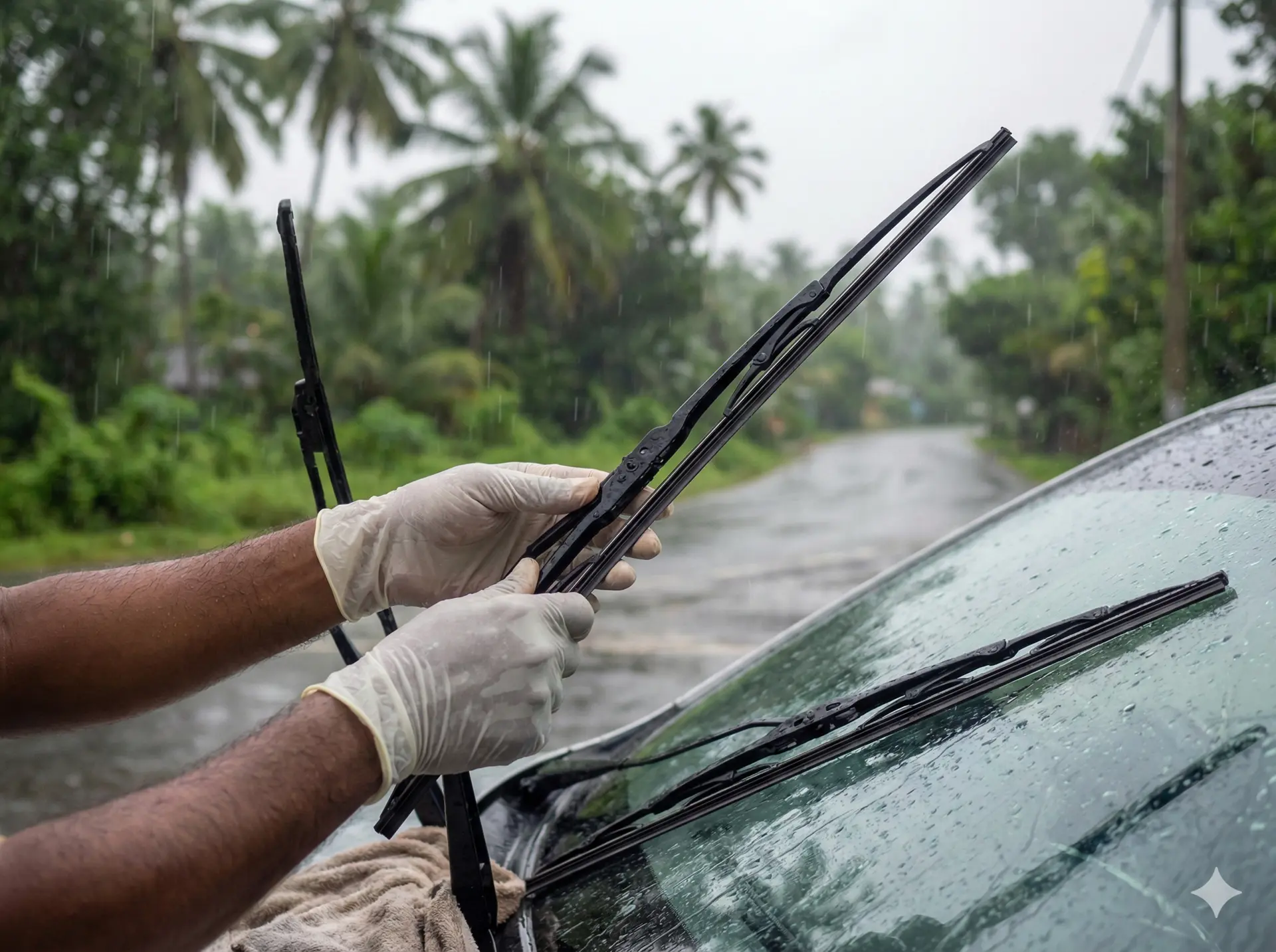
Learn how to replace your car's wiper blades yourself with this practical guide tailored for Sri Lanka's monsoon conditions and tropical climate.
The Lankawebsites editorial team curates, fact-checks, and updates guides on personal finance, property, health, immigration, legal, business, and lifestyle topics relevant to Lankawebsites readers. Articles are produced with AI assistance and reviewed by the editorial team before publication.
When the monsoon clouds gather over Sri Lanka and the first drops hit your windscreen, you'll quickly realise whether your wiper blades are up to the task. Worn wipers don't just reduce visibility—they create serious safety risks on our already challenging wet roads. The good news? Replacing wiper blades is one of the simplest car maintenance tasks you can do yourself, saving time and money whilst ensuring you're prepared for our intense downpours.
Why Wiper Blade Maintenance Matters in Sri Lanka
Sri Lanka experiences two monsoon seasons annually, with the Southwest Monsoon from May to September and the Northeast Monsoon from December to February . During these periods, sudden heavy rainfall can reduce visibility to near zero within minutes, particularly on busy roads like the Colombo-Kandy highway . Properly functioning wiper blades are essential for maintaining clear vision and safe driving conditions during these challenging weather patterns.
Our tropical climate accelerates wiper blade degradation through constant exposure to intense UV rays, high humidity, and temperature fluctuations . Combined with dust accumulation during dry periods and the demanding workload during monsoons, wiper blades in Sri Lanka typically need replacement more frequently than in temperate climates. Most experts recommend checking your wipers every six months and replacing them at least once a year .

Signs Your Wiper Blades Need Replacement
Several telltale indicators suggest it's time for new wiper blades. Streaking occurs when the rubber squeegee dries, hardens, and cracks, leaving lines of water across your windscreen . Skipping happens when the blade develops a curvature from underuse or loses its flexibility, causing it to bounce rather than glide smoothly across the glass . Squeaking or chattering noises whilst operating indicate the rubber has hardened or the blade isn't making proper contact with the windscreen .
Physical inspection reveals additional warning signs. Look for visible cracks, splits, or tears in the rubber edge . Check whether the rubber appears rounded rather than having crisp, square edges—this wearing occurs after extensive use . If you notice any of these symptoms, don't wait for the next heavy rain to replace your blades. The cost of new wipers is minimal compared to the safety risks of reduced visibility.
Choosing the Right Wiper Blades
Understanding Connector Types
Before purchasing replacement blades, you'll need to identify your vehicle's wiper arm connector type. The most common is the J-hook (also called U-hook), which features a curved metal hook and is considered the global standard . This design slides into a corresponding slot on the blade's adapter and clicks into place. Pin arm connectors use a lateral pin on the wiper arm and are common on European vehicles like BMW, Mercedes, and Audi . Bayonet connectors feature a flat push-on end and are typically found on Chrysler, Dodge, Jeep, and some Mazda models .
Finding the Correct Size
Your vehicle requires specific wiper blade lengths for the driver's side, passenger's side, and rear window (if equipped). Check your owner's manual for the exact sizes, or measure your existing blades before shopping. In Sri Lanka, wiper blades are available through auto parts retailers, with prices typically ranging from Rs 850 to Rs 8,800 depending on the brand and vehicle model . Popular brands available locally include Bosch, DIMO Flexi, and Ferry, with universal-fit options also available.
Step-by-Step Wiper Blade Replacement
Preparation and Safety
Before beginning, ensure your vehicle is parked on level ground with the ignition turned off and wipers in their resting position . Some vehicle models have a "service position" that moves the wipers to the middle of the windscreen for easier access—consult your owner's manual to see if yours has this feature. Work on a dry day if possible, as this makes handling the components easier and safer.
Removing the Old Blades
Gently lift each wiper arm away from the windscreen until it locks in an upright position . Take care not to let the arm snap back against the glass, as this can cause cracks or chips. Locate the release tab or clip where the blade connects to the arm—this is typically a small button or lever near the connection point . Press or slide the release mechanism whilst pulling the old blade down and away from the wiper arm . If the blade doesn't slide off easily, check for a small latch that may need lifting with a flathead screwdriver, but avoid forcing it.
Installing the New Blades
Remove the new wiper blade from its packaging and identify any adapter clips that may need attaching. Line up the new blade with the wiper arm's hook or connector . Slide the blade up into the arm until you hear a distinct click or feel it lock securely in place . Gently tug the blade to confirm it's properly secured—it shouldn't slide off with light pressure. Carefully lower the wiper arm back onto the windscreen, supporting it with your hand to prevent it from snapping down.
Testing Your Installation
Once both blades are installed, start your vehicle and test the wipers with washer fluid to ensure they move smoothly without skipping, streaking, or making unusual noises . Check that the blades make full contact across the entire windscreen. If you notice any issues, turn off the wipers and check that the blades are properly locked into position.
Monsoon Preparation Checklist
Beyond replacing your wiper blades, comprehensive monsoon preparation ensures safer driving during Sri Lanka's rainy seasons. Check your tyre tread depth to ensure adequate grip on wet roads—use the wear indicator bars moulded into the tyres or perform the coin test . Test all lights including headlamps, brake lights, and indicators, as visibility becomes crucial during heavy rain. Clean your windscreen thoroughly inside and out, as interior moisture combined with exterior rain severely reduces visibility .
Inspect your brake performance, as stopping distances nearly double on wet roads . Check that your air conditioning and defogger work properly to prevent interior condensation. Keep your fuel tank above half during monsoon season in case you become stuck in traffic or flooding . Stock emergency supplies including a torch, basic tools, and contact numbers for roadside assistance services.
Extending Wiper Blade Lifespan
Proper care can help your wiper blades last longer between replacements. Clean your windscreen regularly to remove dirt, dust, and debris that can scratch the glass and damage the rubber . Lift your wipers away from the windscreen during extended parking, especially in direct sunlight, to prevent the rubber from sticking to hot glass. Use your windscreen washer fluid rather than running wipers on a dry screen, which accelerates wear. During dry periods, occasionally operate your wipers with fluid to keep the rubber flexible.
Avoid using your wipers to clear heavy debris, leaves, or ice, as this can tear or deform the rubber edge. If you notice your windscreen has developed a film or haze, clean it with proper glass cleaner rather than relying on your wipers to clear it. These simple habits can significantly extend the life of your wiper blades, though replacement is still necessary when signs of wear appear.
Final Thoughts
Replacing your wiper blades is a straightforward maintenance task that significantly improves your safety during Sri Lanka's challenging monsoon conditions. By checking your wipers regularly, recognising the signs of wear, and performing this simple DIY replacement, you'll ensure clear visibility when you need it most. Don't wait for the first heavy downpour to discover your wipers aren't up to the task—inspect them now, replace them if needed, and drive with confidence knowing you're prepared for whatever weather our tropical climate brings.
Frequently Asked Questions
Sources & References
-
1
Drive Smart: Sri Lanka's Seasonal Car Care Guide — www.mercstop.com
- 2
-
3
Mastering Tropical Car Care: Essential Tips for Sri Lankan Drivers — www.mercstop.com
-
4
How Do You Know When to Change Wiper Blades? — info.oregon.aaa.com
-
5
When to Replace Wiper Blades: Signs to Look Out For — speedyglass.com
-
6
Wiper Connector Types: Complete Fit Guide — carinterior.alibaba.com
-
7
What Are the Different Types of Wiper Blade Connectors? — carinterior.alibaba.com
- 8
-
9
How to Replace Windshield Wipers: Step-by-Step Guide — www.fleetio.com
-
10
Car Maintenance During Rain in Sri Lanka — blog.ikman.lk
Related Articles
Best Engine Oils for Sri Lankan Roads in 2026: Comparisons and Recommendations
Driving on Sri Lanka's roads means battling heat, humidity, dust from the dry zones, and heavy traffic in Colombo. With temperatures often soaring above 30°C and our tropical climate accelerating engi
Preparing Your Car for Sri Lanka's 2026 Southwest Monsoon
Protect your vehicle from monsoon damage with this comprehensive preparation guide for Sri Lanka's 2026 southwest monsoon season.

Top Mechanics in Colombo for 2026 Car Servicing
Discover Colombo's most trusted mechanics for 2026, from DIMO and Sterling to independent workshops. Get expert tips on choosing reliable car service.

Hybrid vs Petrol Cars: Best Choice for Sri Lanka 2026
Comparing hybrid vs petrol cars in Sri Lanka for 2026. Discover real fuel costs, maintenance expenses, and which option suits your driving needs best.