Common Car Breakdowns on Sri Lankan Highways and How to Fix Them
Learn how to handle common car breakdowns on Sri Lankan highways with practical fixes, emergency contacts, and prevention tips for 2026.
The Lankawebsites editorial team curates, fact-checks, and updates guides on personal finance, property, health, immigration, legal, business, and lifestyle topics relevant to Lankawebsites readers. Articles are produced with AI assistance and reviewed by the editorial team before publication.
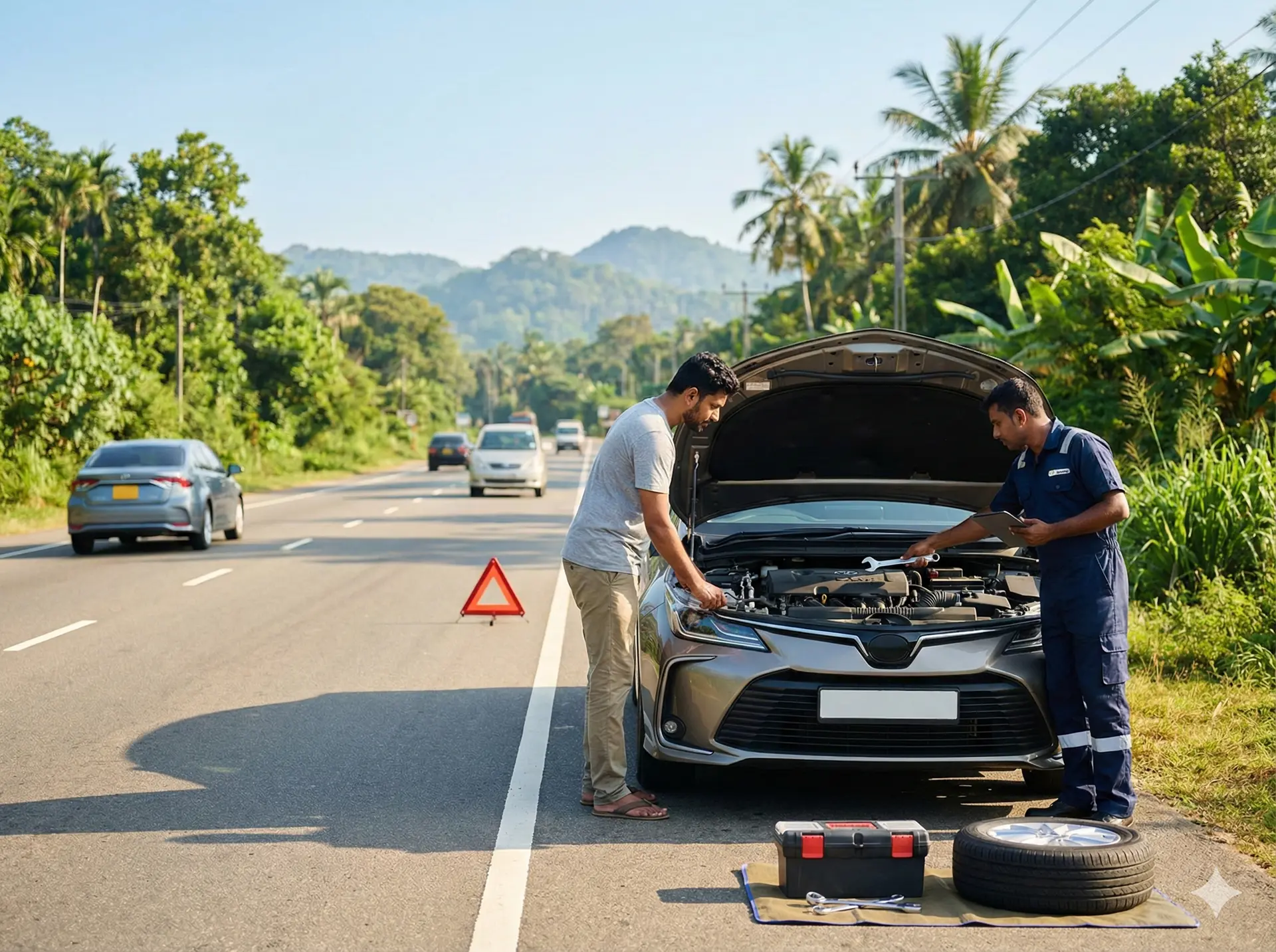
Breaking down on a Sri Lankan highway is a stressful experience that most drivers will face at some point. Our tropical climate, challenging terrain ranging from coastal plains to steep mountain roads, and varying road conditions create the perfect storm for vehicle issues . Whether you're navigating the Southern Expressway, climbing towards Nuwara Eliya, or cruising along the coastal A2 route, knowing how to identify, prevent, and fix common breakdowns can mean the difference between a minor inconvenience and a day-long ordeal. This guide will walk you through the most frequent car problems on our roads and practical solutions you can implement yourself or with minimal assistance.
Common Causes of Highway Breakdowns
Understanding why vehicles break down on Sri Lankan highways helps you stay vigilant and prepared. Tyre issues top the list, with punctures from debris on rural roads, low tyre pressure, or blowouts causing immediate problems . Engine overheating is particularly common in our tropical climate, especially when combined with hilly terrain that stresses the cooling system . Battery problems rank highly as well—old batteries or accidentally leaving lights on can leave you stranded with a vehicle that won't start .
Fuel issues, whilst less common, still occur when drivers run out of petrol or diesel or mistakenly use the wrong fuel type . Minor mechanical faults involving the engine, transmission, or electrical system can also manifest unexpectedly, particularly in older vehicles or those with deferred maintenance . Recognising warning signs early—unusual dashboard lights, strange noises, peculiar smells, or changes in vehicle performance—often allows you to address problems before they escalate into full breakdowns .

Flat Tyres and Punctures
Identifying the Problem
A flat tyre announces itself through several telltale signs: your vehicle pulls to one side, you hear a flapping sound from the affected wheel, or you notice the steering becoming heavy and unresponsive. Sometimes you'll feel vibrations through the steering wheel or hear a rhythmic thumping. If you suspect a flat, don't continue driving—pull over safely to the shoulder or emergency lane, activate your hazard lights, and inspect all four tyres .
Quick Fix Solutions
For minor punctures, a tubeless tyre puncture repair kit available at most accessory shops for around Rs. 350-500 can provide an emergency solution . These kits typically include rubber strips and insertion tools that allow you to plug the hole temporarily. However, this is not a permanent fix—you'll need to visit a proper tyre service centre for a professional repair involving removing the tyre and applying an internal patch . If you have a spare tyre in good condition, changing it yourself is often the quickest solution. Always ensure your spare is properly inflated and your jack and wheel spanner are accessible before travelling.
Prevention Tips
Check tyre pressure monthly when tyres are cold, ensuring they match the manufacturer's recommended pressure found on the sticker inside the driver's door jamb . Inspect tyres for cuts, bulges, and tread depth regularly. Avoid debris on road edges, and drive cautiously on rural roads where nails, glass, and sharp objects are more common. Maintain a good-quality spare tyre and familiarise yourself with your vehicle's jacking points before you need them in an emergency.
Engine Overheating
Recognising Overheating
Your temperature gauge climbing into the red zone or a warning light illuminating on the dashboard indicates overheating . You might also notice steam rising from under the bonnet, a sweet smell (coolant), or a loss of engine power . Sri Lanka's hot climate combined with stop-and-go traffic in cities like Colombo, or climbing mountain roads towards destinations like Kandy or Nuwara Eliya, places significant stress on cooling systems .
Immediate Actions
If your engine overheats, pull over immediately and turn off the engine. Don't open the radiator cap whilst the engine is hot—pressurised coolant at approximately 225 degrees Celsius will spray out, causing severe burns . Turn on your heater at maximum (yes, even in our hot climate) to draw heat away from the engine. Wait at least 30 minutes before checking coolant levels. If coolant is low, top up once the engine has cooled, but this is only a temporary measure to reach a service station.
Common Causes and Fixes
Coolant leaks from hoses, the radiator, water pump, thermostat housing, heater core, head gasket, or freeze plugs are frequent culprits . Low coolant levels prevent proper heat dissipation. A malfunctioning radiator fan is another common issue—if your fan doesn't activate when the air conditioning is on, the coolant temperature sensor may be faulty . Blocked radiators, worn water pumps, and thermostat failures also cause overheating. Professional diagnosis at a service centre can identify and repair the specific issue, which may involve replacing components, repairing leaks, or flushing the cooling system .
Dead Battery
Symptoms and Diagnosis
A dead battery reveals itself when you turn the key and hear clicking sounds, dim dashboard lights flicker weakly, or nothing happens at all. Sometimes you'll notice headlights and interior lights working but the engine failing to turn over. Battery problems often arise from leaving lights or accessories on, old age (most batteries last 3-4 years), corroded terminals, or electrical system faults .
Jump-Starting Your Vehicle
If you have jump leads and another vehicle, you can jump-start your car. Connect the red cable to the positive terminal of the dead battery, then to the positive terminal of the good battery. Connect the black cable to the negative terminal of the good battery, then to an unpainted metal surface on the dead car's engine (not the negative terminal). Start the working vehicle, wait a few minutes, then try starting your car. Once started, keep it running for at least 20 minutes to recharge the battery . If you don't have jump leads, professional jump-start services in Colombo and major cities typically respond within 30-60 minutes and charge reasonable rates .
Long-Term Solutions
If your battery repeatedly dies, it needs replacement. Have the charging system checked—a faulty alternator won't charge the battery whilst driving. Clean corroded terminals with a wire brush and baking soda solution. Always turn off all lights and accessories when parking. For peace of mind, many motorists keep a portable jump starter in their vehicle—these compact devices can jump-start your car without another vehicle's assistance.
Fuel-Related Issues
Running Out of Fuel
Whilst it seems obvious to avoid, running out of fuel happens more often than you'd think, especially on less-travelled routes with fewer petrol stations. Always plan routes to ensure fuel stations are accessible, particularly when travelling to remote areas or during late-night journeys. Keep your tank above a quarter full as a safety buffer .
Emergency Solutions
If you run out of fuel, several breakdown services across Sri Lanka offer fuel delivery directly to your location . Services like vehicle recovery operators can deliver petrol or diesel to wherever you're stranded, saving you from leaving your vehicle unattended. Always carry the contact numbers of at least one 24-hour breakdown service. Alternatively, if safe to do so, you can walk to the nearest petrol station with a portable fuel container.
Wrong Fuel Type
Using petrol in a diesel vehicle or vice versa causes serious damage. If you realise the mistake before starting the engine, don't start it—call for recovery to have your vehicle towed. If you've already started the engine, stop immediately and arrange towing. The fuel system will require complete draining and flushing at a specialist workshop.
Expressway-Specific Protocols
Emergency Services
If you break down on an expressway like the Southern, Outer Circular, or Colombo-Katunayake Expressway, immediately call 1969—the dedicated Expressway Emergency Call System operated by the Road Development Authority . This number connects you to the Expressway Traffic Operation Centre, which coordinates help through their Traffic and Patrolling Unit, Special Service Vehicles for towing damaged vehicles, Expressway Police, and Fire and Rescue units . The centre is integrated with CCTV surveillance covering the expressway network and can dispatch assistance quickly .
Safety Procedures
Move your vehicle to the emergency lane if possible, activate hazard lights immediately, and set up a warning triangle at least 100 metres behind your vehicle if you have one. All occupants should exit the vehicle from the side away from traffic and stand behind the safety barrier. Never attempt repairs in active traffic lanes. Wait for the expressway patrol or breakdown service to arrive—they're trained and equipped to handle expressway situations safely .
Essential Emergency Kit
Every vehicle travelling Sri Lankan highways should carry essential emergency equipment. Include a spare tyre in good condition with correct pressure, a functioning jack and wheel spanner, jump leads or a portable jump starter, and a basic tool kit with screwdrivers, pliers, and spanners. Add a tubeless tyre puncture repair kit, a warning triangle, a torch with spare batteries, and a fire extinguisher . Keep contact numbers for breakdown services including 1969 (expressway emergencies), 118/119 (police), 110 (ambulance/fire), and 1990 (Suwa Seriya ambulance service) . A first aid kit, bottled water, and a reflective vest complete your emergency preparedness.
Professional Breakdown Services
Sri Lanka has numerous professional breakdown and recovery services operating island-wide on a 24/7 basis . Services like Breakdown Service 24/7, Hiran Motors & Recovery Service, and Senevirathne Motors offer roadside repairs for issues like jump-starts and tyre changes, plus towing services when more extensive repairs are needed . The Automobile Association of Ceylon (AAC) provides comprehensive breakdown services through trained technicians at their service points around the island, along with information on regional road conditions . Many services also offer fuel delivery and minor electrical repairs on-site .
Preventive Maintenance
The most effective way to avoid highway breakdowns is regular preventive maintenance. Service your vehicle according to the manufacturer's schedule, addressing oil changes, filter replacements, and fluid top-ups. Check coolant, engine oil, brake fluid, and power steering fluid levels regularly. Inspect belts and hoses for wear, cracks, or damage. Test your battery's condition annually, especially if it's over three years old. Monitor tyre condition, pressure, and alignment. Pay attention to warning lights and unusual sounds, addressing them promptly rather than ignoring them. A well-maintained vehicle significantly reduces breakdown risks .
Stay Prepared, Stay Safe
Car breakdowns on Sri Lankan highways don't have to turn into disasters. By understanding common issues like flat tyres, engine overheating, dead batteries, and fuel problems, you're already better prepared than most drivers. Regular maintenance prevents most breakdowns before they occur, whilst carrying essential emergency equipment and knowing who to call ensures you're never truly stranded. Whether you're commuting daily or embarking on a cross-country adventure, preparedness transforms potential emergencies into manageable inconveniences. Save emergency numbers now, check your spare tyre this weekend, and drive with confidence knowing you can handle whatever our diverse roads throw at you.
Frequently Asked Questions
Sources & References
- 1
-
2
Common Causes of Car Breakdowns and Prevention - Rofi — www.rofi.lk
-
3
Common Car Problems in Colombo - Mr Paint Auto — www.mrpaintauto.lk
-
4
Tubeless Tyre Puncture Repair Kits - Daraz Sri Lanka — www.daraz.lk
-
5
Tyre Puncture Repair Discussion - AutoLanka Forums — forums.autolanka.com
-
6
Engine Overheating Causes and Solutions — lankaautoworld2.blogspot.com
-
7
Jump Start Services Colombo - Road Squad — roadsquad.lk
-
8
Vehicle Recovery Services Including Fuel Delivery — vehiclerecovery.lk
-
9
Expressway Emergency Services - Road Development Authority — exway.rda.gov.lk
-
10
Emergency Services Contact Numbers - Sri Lanka Tourism — www.srilanka.travel
-
11
Emergency Service Telephone Numbers Sri Lanka — www.digibiz.lk
-
12
24/7 Breakdown Service Sri Lanka — www.breakdownservice.lk
-
13
Hiran Motors & Recovery Service — recovery.lk
-
14
Senevirathne Motors Vehicle Breakdown Service — senevirathnemotors.lk
-
15
Automobile Association of Ceylon Breakdown Services — aaceylon.lk
Related Articles
Best Engine Oils for Sri Lankan Roads in 2026: Comparisons and Recommendations
Driving on Sri Lanka's roads means battling heat, humidity, dust from the dry zones, and heavy traffic in Colombo. With temperatures often soaring above 30°C and our tropical climate accelerating engi
Preparing Your Car for Sri Lanka's 2026 Southwest Monsoon
Protect your vehicle from monsoon damage with this comprehensive preparation guide for Sri Lanka's 2026 southwest monsoon season.
Top Mechanics in Colombo for 2026 Car Servicing
Discover Colombo's most trusted mechanics for 2026, from DIMO and Sterling to independent workshops. Get expert tips on choosing reliable car service.

Hybrid vs Petrol Cars: Best Choice for Sri Lanka 2026
Comparing hybrid vs petrol cars in Sri Lanka for 2026. Discover real fuel costs, maintenance expenses, and which option suits your driving needs best.