Radiator Care for Overheating in Sri Lanka's Hot Climate
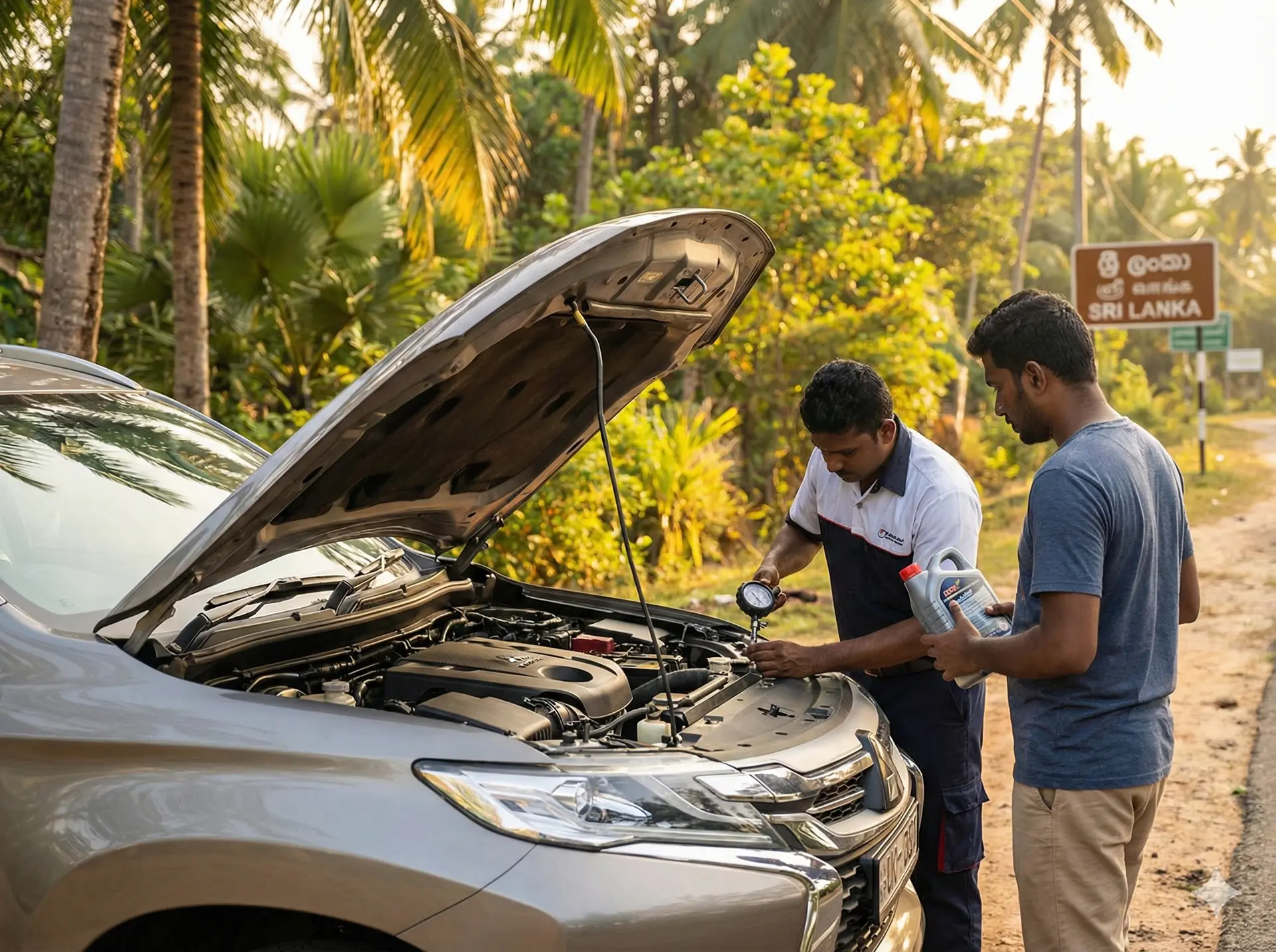
Master radiator care to prevent overheating in Sri Lanka's demanding climate. Essential maintenance tips, coolant guidance, and emergency procedures.
The Lankawebsites editorial team curates, fact-checks, and updates guides on personal finance, property, health, immigration, legal, business, and lifestyle topics relevant to Lankawebsites readers. Articles are produced with AI assistance and reviewed by the editorial team before publication.
You're stuck in Galle Road traffic on a scorching February afternoon when you notice your temperature gauge creeping into the red zone. Steam starts rising from under the bonnet, and panic sets in. This scenario plays out daily across Sri Lanka, where our tropical climate—with temperatures regularly exceeding 30°C—puts enormous strain on vehicle cooling systems . Engine overheating isn't just an inconvenience; it can lead to catastrophic engine damage costing hundreds of thousands of rupees in repairs. The good news? Most overheating issues are entirely preventable with proper radiator care and cooling system maintenance.
Understanding how to maintain your radiator in Sri Lanka's demanding climate is essential for every driver, whether you're navigating Colombo's congested streets or climbing the winding roads to Nuwara Eliya. Let's explore the practical steps you need to take to keep your engine running cool and avoid costly breakdowns.
Why Sri Lanka's Climate Challenges Your Cooling System
Sri Lanka's tropical environment creates perfect conditions for cooling system stress. Our consistently high temperatures, combined with extreme humidity, accelerate component wear and increase engine operating temperatures beyond what vehicles experience in temperate climates . The relentless sun heats engine bays to extreme levels, whilst humidity promotes corrosion in radiators, hoses, and connections.
The Traffic Factor
Colombo's notorious traffic congestion compounds these challenges significantly. When your vehicle moves at highway speeds, natural airflow through the radiator provides substantial cooling assistance. However, in stop-and-go traffic, this airflow disappears entirely . Your cooling fan must work overtime to pull air through the radiator, placing additional strain on the electrical system and the fan motor itself. This explains why many vehicles overheat specifically in heavy traffic rather than on open roads .
Common Causes of Overheating
The primary culprits behind engine overheating in our climate include low or contaminated coolant, which loses its ability to transfer heat effectively; faulty or weak cooling fans that can't move sufficient air through the radiator during idle conditions; clogged radiators where dirt, insects, and debris block airflow; worn water pumps that fail to circulate coolant properly; and malfunctioning thermostats that prevent coolant flow when needed . Understanding these causes helps you prevent problems before they escalate into expensive repairs.
Essential Coolant Knowledge
Coolant—also called antifreeze—is far more than just water. It's a carefully engineered fluid designed to transfer heat, prevent corrosion, and maintain optimal engine temperatures across a wide range of conditions.
How Coolant Works
Modern coolants are mixtures of water and ethylene glycol or propylene glycol, combined with corrosion inhibitors and lubricants. This mixture doesn't just prevent freezing (less relevant in our climate) but significantly raises the boiling point of the cooling system . At normal atmospheric pressure, water boils at 100°C, but a 50/50 coolant mixture raises this to approximately 129°C. When combined with a pressurised cooling system (typically 6-16 PSI), the effective boiling point increases to around 118-120°C, providing essential protection against overheating .
Types of Coolant
You'll encounter several coolant types in Sri Lanka's market. Inorganic Additive Technology (IAT) coolants, typically green in colour, are traditional formulations suitable for older vehicles but require replacement every two years or 48,000 kilometres . Organic Acid Technology (OAT) coolants, usually orange or red, offer longer service life of up to five years or 240,000 kilometres and are common in modern vehicles. Hybrid Organic Acid Technology (HOAT) coolants combine benefits of both types and come in various colours including yellow and pink .
Choosing the Right Coolant
Always consult your vehicle's owner's manual for the manufacturer's specific coolant recommendation. Using the wrong type can damage your cooling system and void warranties. Never mix different coolant types without completely flushing the system first. If you're unsure which coolant your vehicle currently uses, a complete flush and fill with the correct type is the safest approach. Quality coolant brands are available from automotive shops throughout Colombo and major towns .
Monthly Radiator Maintenance Routine
Establishing a simple monthly maintenance routine prevents most cooling system problems before they cause breakdowns.
Checking Coolant Level
With the engine completely cold (never check a hot engine), locate your coolant overflow reservoir—typically a translucent plastic tank near the radiator with 'MIN' and 'MAX' markings. The coolant level should sit between these marks. If it's below minimum, add a 50/50 mixture of coolant and distilled water until reaching the proper level . Repeatedly low coolant indicates a leak that requires professional attention.
For a thorough check, once the engine is cool, carefully remove the radiator cap (place a cloth over it and turn slowly to release pressure safely). The coolant should be visible near the top of the radiator neck. If you can't see coolant, the system needs filling . Remember to check both the radiator and overflow reservoir, as some systems primarily use the overflow tank.
Visual Inspection
Inspect your radiator's external fins for debris, dead insects, leaves, and dirt that block airflow. Use a soft brush or low-pressure water spray to clean the radiator face gently—avoid high-pressure washing that can bend delicate cooling fins . Check underneath your vehicle after it's been parked for signs of coolant leaks, which appear as coloured puddles (green, orange, or pink depending on coolant type).
Examine all visible hoses for cracks, bulges, or soft spots. Healthy hoses feel firm but flexible when squeezed gently. If a hose feels either rock-hard or mushy soft, it needs replacement . Look at hose connections for signs of seepage or white crusty deposits indicating slow leaks.
Seasonal Deep Inspection
Beyond monthly checks, conduct more thorough inspections quarterly or before long journeys, especially if you're planning trips to Jaffna, Hambantota, or other distant destinations.
Radiator Hose Assessment
Radiator hoses deteriorate from both heat and age. The upper radiator hose connects the engine to the radiator and carries hot coolant, whilst the lower hose returns cooled fluid to the engine. Both must be in perfect condition to prevent sudden failures . Inspect the entire length of each hose, paying special attention to areas near clamps where pressure concentrates. Bent or kinked hoses restrict coolant flow and should be straightened or replaced.
Hoses showing any hardness, leaks, cracks, swelling, or chafing require immediate replacement . When replacing hoses, always use quality components—cheap hoses fail prematurely in our hot climate. Replace hose clamps simultaneously, using worm-drive clamps that maintain consistent pressure as hoses age .
Thermostat Function
The thermostat is a temperature-controlled valve that regulates coolant flow to maintain optimal engine temperature—typically around 88-95°C. A stuck-closed thermostat prevents coolant circulation, causing rapid overheating. A stuck-open thermostat allows constant circulation, preventing the engine from reaching proper operating temperature and reducing efficiency .
You can test thermostat function by feeling the upper and lower radiator hoses after starting a cold engine. The upper hose should remain cool until the engine reaches operating temperature, then quickly become hot as the thermostat opens. If the upper hose heats immediately or never heats at all, suspect thermostat problems . Professional diagnosis and replacement cost relatively little compared to engine damage from overheating.
Water Pump Inspection
The water pump circulates coolant throughout the engine and radiator. Common failure symptoms include coolant leaks from the pump (often visible as drips from the centre of the engine), grinding or whining noises from the pump bearing, engine overheating despite proper coolant levels, and steam from the radiator due to inadequate coolant circulation . If radiator hoses remain cold whilst the engine temperature rises, your water pump may have failed .
Water pumps typically last 100,000-160,000 kilometres but can fail prematurely due to contaminated coolant or lack of maintenance. Replacement is labour-intensive as the pump is usually driven by the timing belt or serpentine belt, often making it economical to replace the pump whenever these belts are serviced .
Radiator Cap: The Unsung Hero
The radiator cap does far more than simply seal the cooling system—it's a precisely calibrated pressure valve that maintains optimal system pressure.
How Pressure Caps Work
By pressurising the cooling system to 6-16 PSI (depending on vehicle specifications), the radiator cap raises the coolant's boiling point significantly . This allows the cooling system to operate at higher temperatures without boiling, providing a safety margin during extreme conditions or heavy loads. The cap also includes a vacuum valve that allows coolant to return from the overflow reservoir as the system cools, preventing air pockets that reduce cooling efficiency .
Testing Your Radiator Cap
A faulty radiator cap can cause overheating by failing to maintain proper pressure. Symptoms include repeated coolant loss with no visible leaks, overheating in traffic or under load, and collapsed radiator hoses after cooling. Professional technicians can pressure-test your radiator cap using a cooling system pressure tester . This simple test reveals whether the cap holds pressure correctly and releases at the proper PSI rating.
Radiator caps are inexpensive but critical components. If your cap is more than five years old or shows any corrosion or damage, replace it preventively. Always use a cap rated for your vehicle's specific pressure requirement—using the wrong pressure rating can damage the cooling system .
Professional Radiator Flush and Service
Even with perfect maintenance, coolant degrades over time. The corrosion inhibitors become depleted, allowing rust and scale to form inside the cooling system. Regular flushing prevents these deposits from clogging passages and reducing cooling efficiency.
When to Flush Your Cooling System
Follow your manufacturer's recommended flush intervals—typically every two years or 48,000 kilometres for traditional coolants, and every five years or 240,000 kilometres for long-life coolants . However, flush immediately if your coolant appears rusty, contaminated with oil, or has visible particles floating in it. If you've experienced overheating incidents, a flush helps remove any deposits caused by the extreme temperatures.
Professional Service Options in Sri Lanka
Radiator House, located at 421/121 Darley Road, Colombo 10, is one of Sri Lanka's most established radiator service providers with over 80 employees, many with more than 20 years of experience . They offer comprehensive services including radiator cleaning, repair, and replacement. Dolphin Auto Radiators at 238-30 A/1 Panchikawatta Road, Colombo 10, provides similar specialized services . Both facilities have the equipment and expertise to handle everything from basic flushes to complex radiator repairs.
Most authorised service centres for brands like Toyota, Honda, and Nissan include cooling system inspection as part of regular service packages. These centres use manufacturer-approved coolants and procedures, ensuring your warranty remains valid .
What a Proper Flush Involves
A professional flush includes draining old coolant completely, flushing the system with cleaning solution to remove rust and deposits, pressure-testing for leaks, replacing the thermostat if needed, inspecting all hoses and clamps, refilling with the correct coolant mixture, and bleeding air from the system to ensure proper circulation . Simply draining and refilling doesn't remove deposits—proper flushing requires circulation of cleaning agents through the entire system.
Emergency Overheating Response
Despite your best maintenance efforts, overheating can occur due to unexpected failures or extreme conditions. Knowing how to respond prevents minor issues from becoming catastrophic engine damage.
Immediate Actions
If your temperature gauge enters the red zone or warning lights activate, turn off the air conditioning immediately to reduce engine load . If possible safely, pull over as soon as you can—continuing to drive an overheating engine risks severe damage. Turn on the heater at maximum temperature and fan speed; this draws heat from the engine into the cabin, providing temporary cooling relief .
After stopping, turn off the engine and pop the bonnet (be cautious as it will be very hot). Allow at least 30 minutes cooling time before attempting to check coolant or open the radiator cap . Never open a hot radiator cap—the pressurised coolant can explosively spray out, causing severe burns.
Checking for Obvious Problems
Once cooled, check coolant level in the overflow reservoir first. If empty, this likely caused the overheating. Check for visible leaks underneath the vehicle or from hoses and connections . Inspect the cooling fan—with the engine off but ignition on, the fan should eventually activate. If it doesn't, a fan failure may be the cause.
If you must add coolant, use a 50/50 mixture of coolant and water, or plain water in an emergency (have the system flushed and properly filled as soon as possible after using water) . Add liquid slowly to avoid thermal shock to hot engine components.
When to Call for Help
If you cannot identify the problem, if there's massive coolant loss indicating a serious leak, if the engine makes unusual noises, or if you're in an unsafe location, contact roadside assistance services like AAC (Automobile Association of Ceylon) at their 24/7 hotline. Professional help is always preferable to risking permanent engine damage through makeshift repairs .
Preventive Habits for Long-Term Protection
Beyond scheduled maintenance, several driving habits and practices extend cooling system life and prevent overheating incidents.
Traffic Management Strategies
When stuck in heavy Colombo traffic during peak hours, avoid unnecessarily revving your engine—higher RPMs generate more heat. If your temperature gauge starts climbing, shift to neutral or park (if stopped) and let the engine idle at minimum RPM . Keep adequate following distance so you're not constantly accelerating and braking, which generates excessive heat.
If your vehicle lacks a temperature gauge and relies only on a warning light, consider installing an aftermarket gauge. This provides early warning of rising temperatures before reaching critical levels . Many modern vehicles display coolant temperature through the trip computer—familiarise yourself with normal readings for your vehicle.
Load and Towing Considerations
Heavy loads, whether passengers or cargo, increase engine work and heat generation. When fully loaded or climbing hills like the Kadugannawa incline or roads through the Knuckles Range, monitor your temperature gauge closely. If temperature rises above normal, reduce speed slightly to decrease engine load. When towing or carrying very heavy loads, consider upgrading to a larger capacity radiator or adding an auxiliary transmission cooler .
Parking Strategies
Whenever possible, park in shaded areas to reduce under-bonnet temperatures. This helps preserve rubber hoses, prevents coolant evaporation, and makes the cooling system's job easier when you start the engine. If you must park in direct sun, consider using a reflective windscreen shade to reduce interior heat buildup .
Cost Considerations and Budgeting
Understanding cooling system maintenance costs helps you budget appropriately and avoid cutting corners that lead to expensive failures.
A basic radiator flush and fill typically costs Rs. 5,000-8,000 at independent workshops, whilst authorised service centres may charge Rs. 10,000-15,000 . Quality coolant costs Rs. 1,500-3,000 per litre depending on type and brand. Radiator hose replacement ranges from Rs. 2,000-5,000 per hose including labour. Thermostat replacement costs approximately Rs. 3,000-7,000 depending on vehicle type. Water pump replacement is more expensive at Rs. 15,000-35,000 due to labour intensity, but often coincides with timing belt service .
These maintenance costs pale in comparison to engine repairs from overheating damage. A warped cylinder head from severe overheating can cost Rs. 150,000 or more to repair, whilst complete engine replacement runs into hundreds of thousands of rupees. Regular maintenance is genuine insurance against catastrophic expenses .
Special Considerations for Specific Vehicles
Different vehicle types present unique cooling system considerations worth noting.
Hybrid Vehicles
Hybrid vehicles like the ubiquitous Toyota Prius and Aqua have additional cooling systems for battery packs and power electronics. These systems require specialised service and different coolants than the engine cooling system. Ensure your service provider has hybrid expertise—improper maintenance can damage expensive electrical components .
Older Vehicles
If you're driving a vehicle over 10 years old, pay extra attention to cooling system maintenance. Older radiators accumulate internal deposits that reduce efficiency even if externally clean. Consider a professional radiator removal and thorough cleaning or replacement if your vehicle has never had this service . Older hoses become particularly vulnerable in our climate and should be replaced preventively rather than waiting for failure.
Performance and Modified Vehicles
If you've modified your vehicle for increased performance, your standard cooling system may be inadequate. Upgraded radiators, additional electric fans, and higher-flow water pumps are common modifications to handle increased heat generation. Consult with performance specialists who understand tropical climate requirements .
Taking Control of Your Cooling System
Your vehicle's cooling system works harder in Sri Lanka than it would in almost any other country. The combination of high ambient temperatures, humidity, and challenging traffic conditions creates an environment where cooling system neglect quickly leads to failure. However, with consistent attention and proper maintenance, your radiator and cooling system will reliably protect your engine for many years.
Start today with a simple inspection: check your coolant level, examine visible hoses for damage, and look at your radiator for debris. Make a note of when your cooling system was last flushed and schedule service if it's overdue. Add monthly coolant checks to your calendar alongside tyre pressure monitoring. These simple habits take minutes but prevent hours of roadside frustration and thousands of rupees in repair costs.
Remember that cooling system maintenance isn't optional in our climate—it's essential. Whether you drive a modest Suzuki Alto or a luxury SUV, the principles remain the same: keep coolant fresh, maintain proper levels, ensure all components function correctly, and address problems promptly. Your engine will reward this attention with reliable performance and longevity, keeping you moving confidently on Sri Lanka's roads regardless of temperature or traffic conditions. Don't wait for warning lights or steam from the bonnet—take charge of your radiator care now and enjoy the peace of mind that comes from proper maintenance.
Frequently Asked Questions
Sources & References
-
1
Mastering Tropical Car Care: Tips for Sri Lankan Drivers — www.mercstop.com
-
2
Why Does My Engine Overheat in Traffic — www.tigermotors.com.my
-
3
Common Car Problems in Colombo and How We Fix Them — www.mrpaintauto.lk
-
4
Engine Over Heating - Causes and Solutions — www.youtube.com
-
5
Coolant Fluid - Engine Cooling, Types & Maintenance — www.thermal-engineering.org
-
6
How to Pressure Test a Radiator Cap — www.yourmechanic.com
-
7
How Often To Flush Coolant and Other FAQs — www.carparts.com
-
8
How to Look After Your Used Truck in Sri Lanka's Climate — grctrucks.com
-
9
How to Keep Your Radiator Cool During the Hottest Months — certifiedcarpros.com
-
10
Cooling System: Hose Inspection and Replacement — www.tirereview.com
-
11
Radiator Hose Inspection - Tricks of the Trade — www.motortrend.com
-
12
Understanding and Testing the Engine Coolant Thermostat — www.idolz.com
-
13
11 Warning Signs of a Bad Water Pump — www.youtube.com
-
14
When to Replace Your Car's Water Pump — ericscarcare.com
-
15
Why Pressure Test an Engine Cooling System — macsmobileairclimate.org
- 16
-
17
Dolphin Auto Radiators - Radiator Repair Services in Sri Lanka — rainbowpages.lk
-
18
How to Prevent Overheating in Your Car During Hot Weather — www.marblefallsautocenter.com
- 19
-
20
How Automotive Radiators Help Prevent Engine Overheating — dolphincatalogue.com
-
21
Radiator Problems in Hot Weather: Here's How to Avoid Them — extramileautorepair.com
-
22
Hybrid & EV Buying Guide for Sri Lanka — www.lankawebsites.com
Related Articles
Best Engine Oils for Sri Lankan Roads in 2026: Comparisons and Recommendations
Driving on Sri Lanka's roads means battling heat, humidity, dust from the dry zones, and heavy traffic in Colombo. With temperatures often soaring above 30°C and our tropical climate accelerating engi
Preparing Your Car for Sri Lanka's 2026 Southwest Monsoon
Protect your vehicle from monsoon damage with this comprehensive preparation guide for Sri Lanka's 2026 southwest monsoon season.
Top Mechanics in Colombo for 2026 Car Servicing
Discover Colombo's most trusted mechanics for 2026, from DIMO and Sterling to independent workshops. Get expert tips on choosing reliable car service.

Hybrid vs Petrol Cars: Best Choice for Sri Lanka 2026
Comparing hybrid vs petrol cars in Sri Lanka for 2026. Discover real fuel costs, maintenance expenses, and which option suits your driving needs best.