Sinharaja Rainforest Guide: Trails, Biodiversity & Responsible Travel
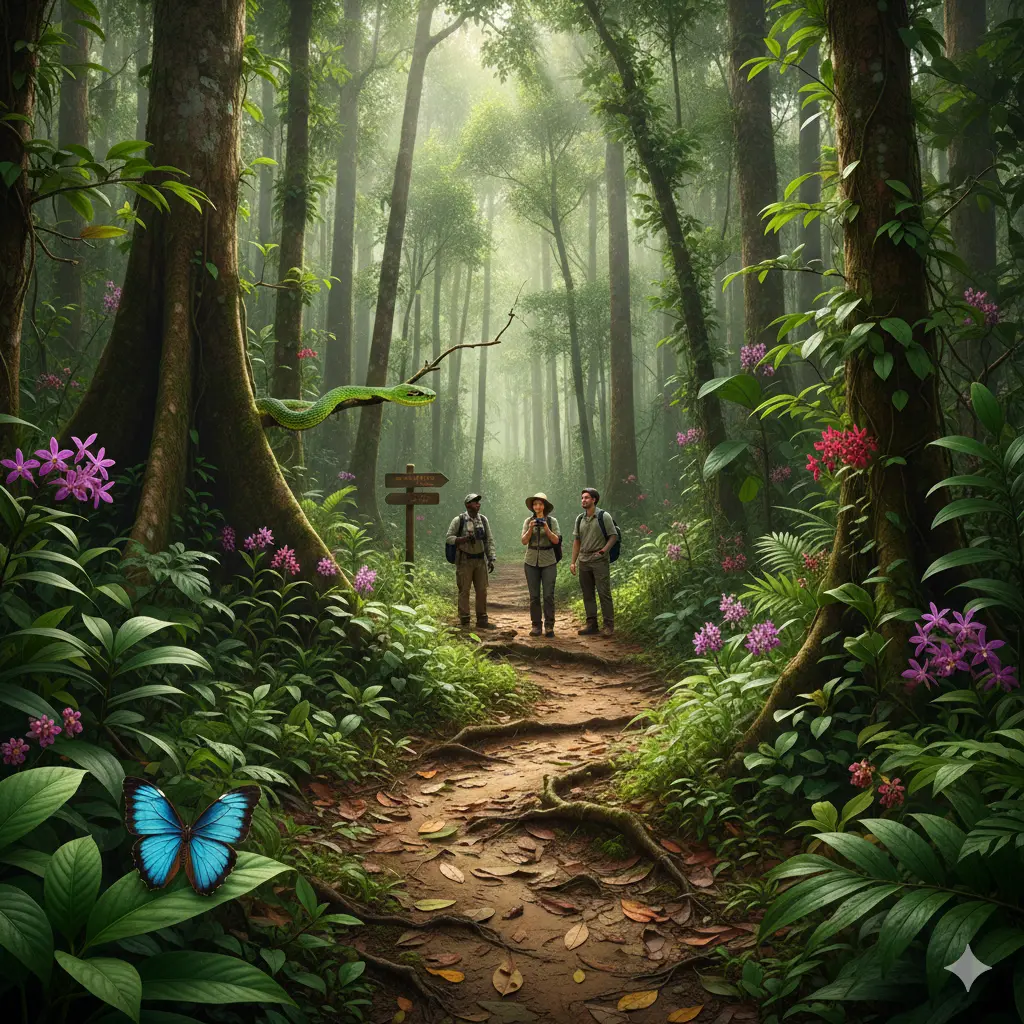
Imagine stepping into a world where ancient trees tower above you, rare birds call through the misty air, and the ground hums with life – that's Sinharaja Rainforest, our very own slice of untouched p
The Lankawebsites editorial team curates, fact-checks, and updates guides on personal finance, property, health, immigration, legal, business, and lifestyle topics relevant to Lankawebsites readers. Articles are produced with AI assistance and reviewed by the editorial team before publication.
Imagine stepping into a world where ancient trees tower above you, rare birds call through the misty air, and the ground hums with life – that's Sinharaja Rainforest, our very own slice of untouched paradise right here in Sri Lanka. As locals, we know Sinharaja isn't just a tourist spot; it's a living treasure we've got to protect for our kids and grandkids. This guide covers the best trails, incredible biodiversity, and how we can all travel responsibly to keep it pristine in 2026.
Why Sinharaja Rainforest Matters to Us in Sri Lanka
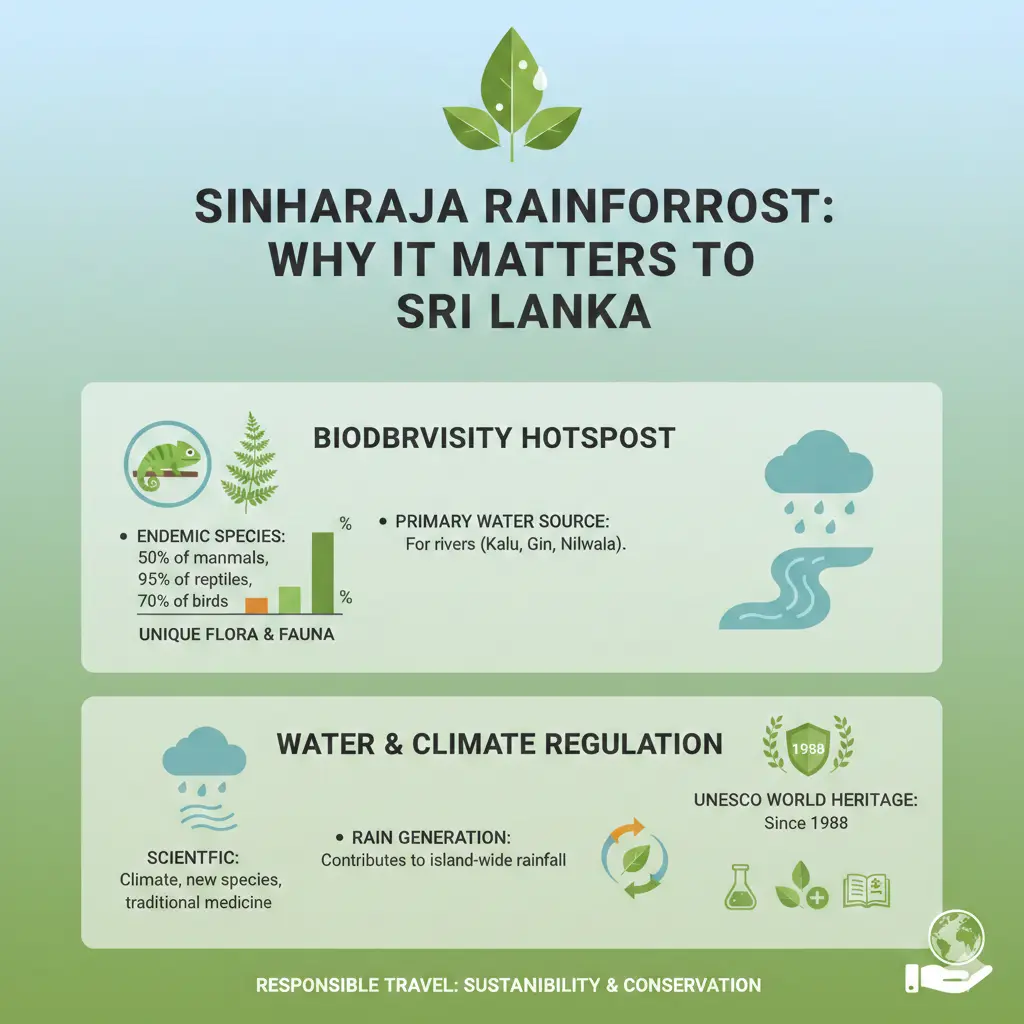
Sinharaja Rainforest National Park is Sri Lanka's last large chunk of primary tropical lowland rainforest, covering about 11,187 hectares in the southwest wet zone across Ratnapura, Galle, and Matara districts. It's a UNESCO World Heritage Site and Biosphere Reserve, recognised globally for its biodiversity hotspot status. What makes it special for us locals? Over 60% of its trees are endemic – found nowhere else on earth – including rare giants like Dipterocarpus species and unique palms. This forest isn't just pretty; it's home to more than 20 communities whose livelihoods depend on it, from gathering kitul palm syrup to sustainable harvesting.
We've got a duty under the Forest Conservation Ordinance to protect it. The Department of Forest Conservation mandates permits and guides for every visitor, ensuring we don't harm this ecosystem that's been around for millions of years.
Unmatched Biodiversity: What You'll Spot in Sinharaja
Sinharaja boasts one of the highest levels of endemism in the world. We're talking 26 of Sri Lanka's endemic bird species out of 33 total, plus 20 rainforest specialists. Keep your eyes peeled for the flashy Sri Lanka Blue Magpie, the elusive Red-faced Malkoha, or the Green-billed Coucal. Don't miss the famous 'bird waves' – mixed flocks led by the noisy Orange-billed Babbler and bold Greater Racket-tailed Drongo, foraging together like a feathered convoy.
Mammals, Reptiles, and More
- Endemic mammals: Purple-faced Leaf Monkey, Giant Squirrel, and the rare Fishing Cat.
- Reptiles and amphibians: Hump-nosed Viper, Green Pit Viper, and endemic frogs like the Hourglass Tree Frog.
- Butterflies and insects: Over 100 butterfly species, including the stunning Sri Lanka Birdwing.
- Flora marvels: Dense vegetation with up to 240,000 plants per hectare, ferns, orchids, and medicinal plants used by local healers.
Your guide will point out these gems, sharing stories of how our indigenous communities use the forest sustainably – think fresh kitul syrup drizzled on hoppers!
Top Trails in Sinharaja: Which One's Right for You?
All trails start from key entrances like Kudawa (north), Pitadeniya (south), Lankagama, or Deniyaya-Kurulugala. Guides are compulsory from the Department of Forest Conservation – no solo wandering allowed to protect both you and the forest. Trails range from easy 3-hour loops to full-day adventures. Here's our pick for locals looking for a day out:
Beginner-Friendly Trails (2-3 Hours)
- Pitadeniya Trail: Gentle path through dense canopy, great for birdwatching and waterfall dips. Spot Blue Magpies easily here.
- Lankagama Entrance Trail: Lush jungle walks with hidden waterfalls for a refreshing swim. Leech socks provided on tours.
Moderate to Challenging Hikes (4-6 Hours)
- Kudawa-Morningside Trail: 7km loop climbing to viewpoints, crossing streams. Perfect for 'bird waves' and rare orchids.
- Deniyaya-Kurulugala Trail: Leads to remote areas with high biodiversity, waterfalls, and fewer crowds. Altitude around 1,000m for stunning views.
Pro tip: Early morning (6am) or late afternoon (up to 4:30pm last entry) beats the heat and boosts animal sightings. Use walking poles on steeper bits, and take breaks by streams.
Best Time to Visit Sinharaja in 2026
Our southwest monsoons hit May-July, northeast from November-January, dumping 3,614-5,006mm of rain yearly – making Sinharaja one of our wettest spots. Go for drier treks from January to early April or August to September. December-April is prime for milder weather, though April and August-October can sprinkle rain. Check Forest Department updates for 2026 trail conditions via their hotline: 011-2884985.
Practical Tips: Getting There and What to Pack
How to Reach Sinharaja from Major Spots
- From Colombo: 4-5 hour drive via Southern Expressway to Ratnapura, then Deniyaya (about 170km). Buses from Pettah to Deniyaya, then tuk-tuk.
- From Galle/Matara: 2-3 hours north via A17 road to Pitadeniya entrance.
- Public transport: Train to Singha Junction, then bus/tuk-tuk. Arrive by 6am for full day.
Essential Packing List for Leech-Proof Adventures
- Sturdy waterproof hiking boots and long trousers.
- Leech socks (buy at entrances or bring Gambay socks from Colombo outlets).
- Light raincoat, insect repellent, sunscreen, and hat – humidity hits 90%+.
- Water (2L min), snacks, small backpack, binoculars, camera in waterproof bag.
- Torch for evening returns, first-aid with antihistamine for bites.
Fees in 2026: Adult permit ~2,700 LKR (includes guide for 3 hours; extra time negotiable). Pay cash at Forest Department offices.
Responsible Travel: How We Locals Can Protect Sinharaja
We're proud of Sinharaja, but overtourism and climate change threaten it. Follow these rules from the Forest Conservation Department:
- Stick to trails – no shortcuts that erode soil.
- Leave no trace: Pack out all rubbish; no plucking plants or feeding animals.
- Support locals: Buy kitul products from communities, stay in eco-bungalows like those near Kudawa.
- No plastics or fires. Guides enforce 'no flash photography' for wildlife.
- Report poachers to hotline 1926 or Forest Rangers on-site.
"Guided tours help ensure flora and fauna are respected while enriching your experience."
Choose eco-operators registered with the Sri Lanka Tourism Development Authority (SLTDA) for low-impact visits.
Plan Your Sinharaja Trip Today
Ready to lace up and explore? Contact the Department of Forest Conservation (dfc.gov.lk or 011-2884985) for permits, or book a local guide via registered outfits in Deniyaya. Pack light, go early, and leave only footprints. Your visit helps fund conservation – let's keep Sinharaja thriving for our generation. Share your stories with fellow locals; tag #SinharajaOurHome on socials!
Frequently Asked Questions
Sources & References
-
1
Sinharaja Rainforest | Sri Lanka Holidays 2026-2027 - Earth Trip — www.earthtrip.co.uk
-
2
Sinharaja Rainforest Tour with Local Guide - GetYourGuide — www.getyourguide.com
-
3
How to visit Sinharaja Forest - an eco-paradise in Sri Lanka — www.lugaresincertos.com
Related Articles
Stargazing & Astro Tourism in Sri Lanka: Dark Sky Spots Around the Island
Imagine lying back on a cool hillside in the central highlands, far from Colombo's glow, as the Milky Way unfurls like a river of diamonds across the sky. That's the magic of stargazing in Sri Lanka—w

Yala vs Wilpattu: Which National Park Is Best for Safaris?
Imagine rumbling through the bush in a 4x4 jeep at dawn, the air thick with anticipation as a leopard's spots flash in your headlights. That's the thrill of a Sri Lankan safari, and right here in our
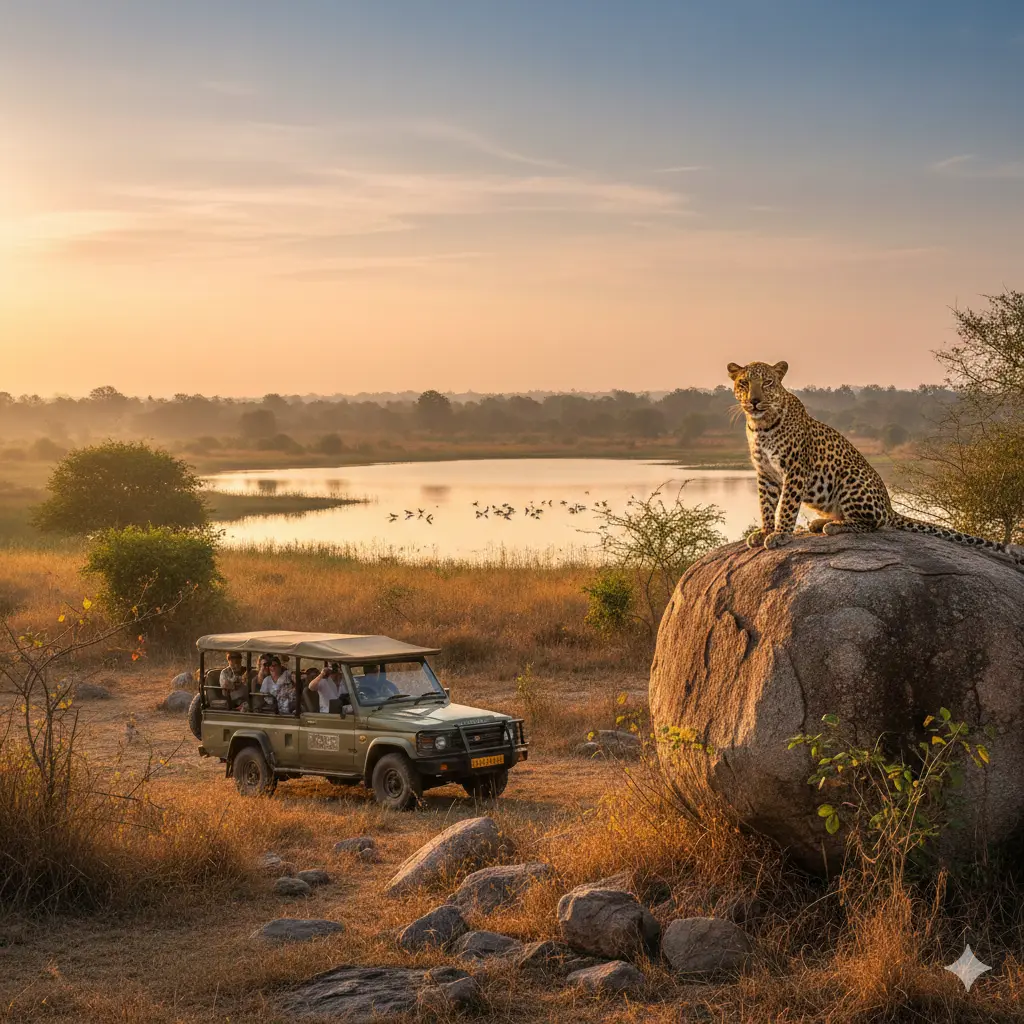
Complete Guide to Yala National Park: Safaris, Seasons & Leopard Chances
Imagine the thrill of spotting a leopard lounging on a rocky outcrop at dawn, or a herd of wild elephants quenching their thirst at a shimmering lagoon—that's the magic of Yala National Park, right he
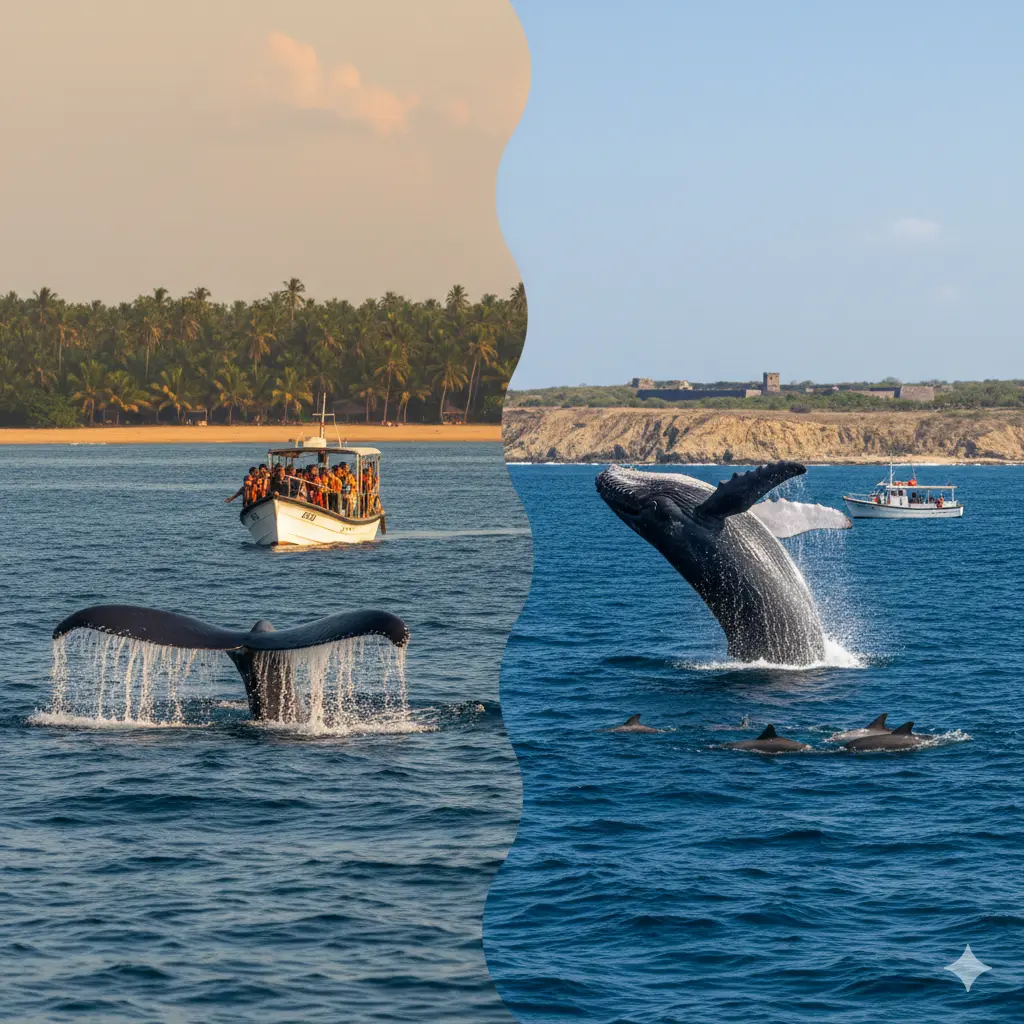
Whale Watching in Sri Lanka: Mirissa vs Trincomalee Compared
Sri Lanka's southern and eastern coasts have emerged as world-class whale watching destinations, but each location offers distinct advantages depending on what you're seeking. Whether you're planning