Wilpattu National Park: Largest National Park
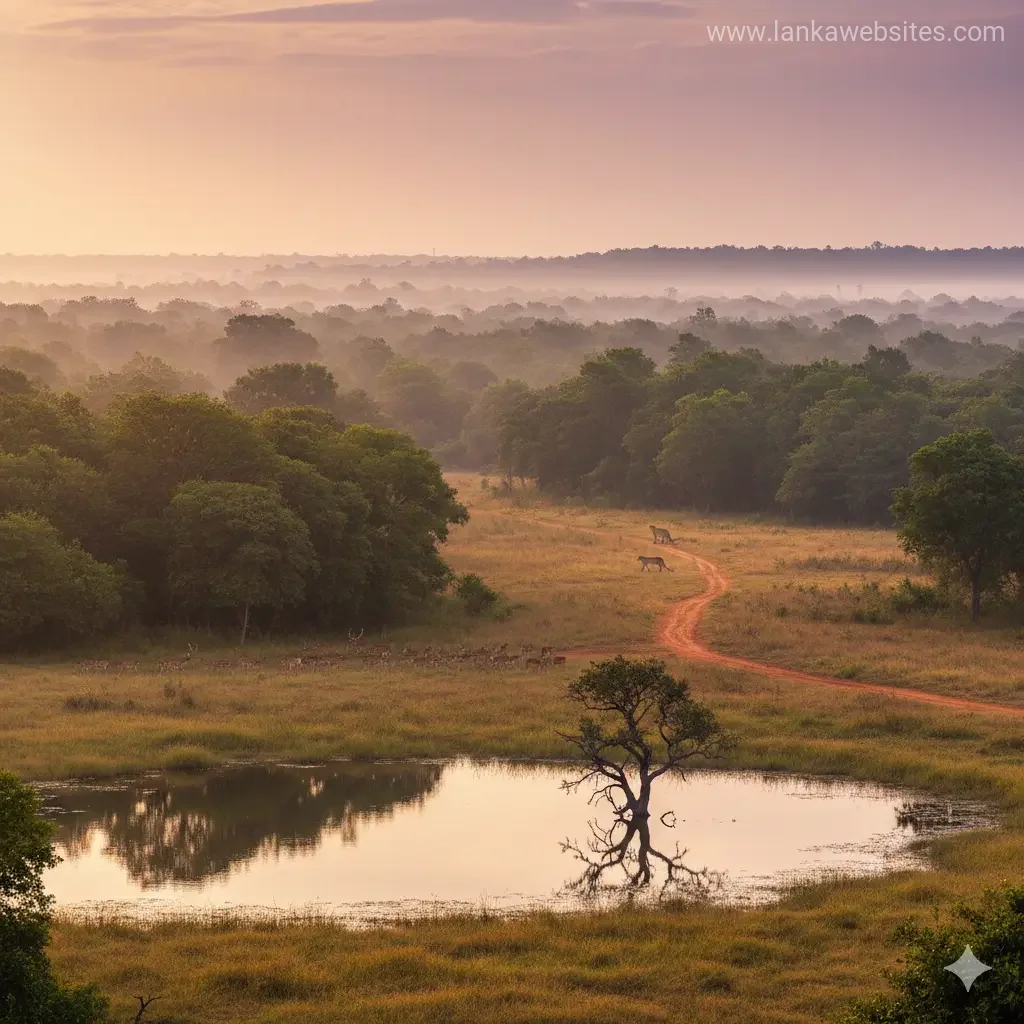
Introduction to Wilpattu National Park Wilpattu National Park, located in Sri Lanka, is the largest national park in the country, covering an impressive 42
The Lankawebsites editorial team curates, fact-checks, and updates guides on personal finance, property, health, immigration, legal, business, and lifestyle topics relevant to Lankawebsites readers. Articles are produced with AI assistance and reviewed by the editorial team before publication.
Introduction to Wilpattu National Park
Wilpattu National Park, located in Sri Lanka, is the largest national park in the country, covering an impressive 425 square miles. As a New Zealander, you might be wondering why you should care about a national park on the other side of the world. But bear with us, because Wilpattu has a lot to offer, from its diverse wildlife to its unique landscape. If you're a nature lover, a photography enthusiast, or just someone who appreciates the great outdoors, Wilpattu National Park is definitely worth learning more about.
Wilpattu National Park is situated in the north-western part of Sri Lanka, about 180 kilometres north of Colombo. The park is known for its natural lakes, grasslands, and dense forests, which provide a habitat for a wide range of flora and fauna. The park is also home to several ancient ruins, which add to its cultural and historical significance. Whether you're interested in wildlife, history, or simply want to experience the beauty of nature, Wilpattu National Park has something for everyone.
As you plan your trip to Wilpattu National Park, it's essential to realise that the park is still a relatively undiscovered gem, especially compared to other national parks in Sri Lanka. This means that you can enjoy a more authentic and peaceful experience, without the crowds and commercialisation that often come with popular tourist destinations. So, if you're looking for a unique and unforgettable experience, Wilpattu National Park is definitely worth considering.
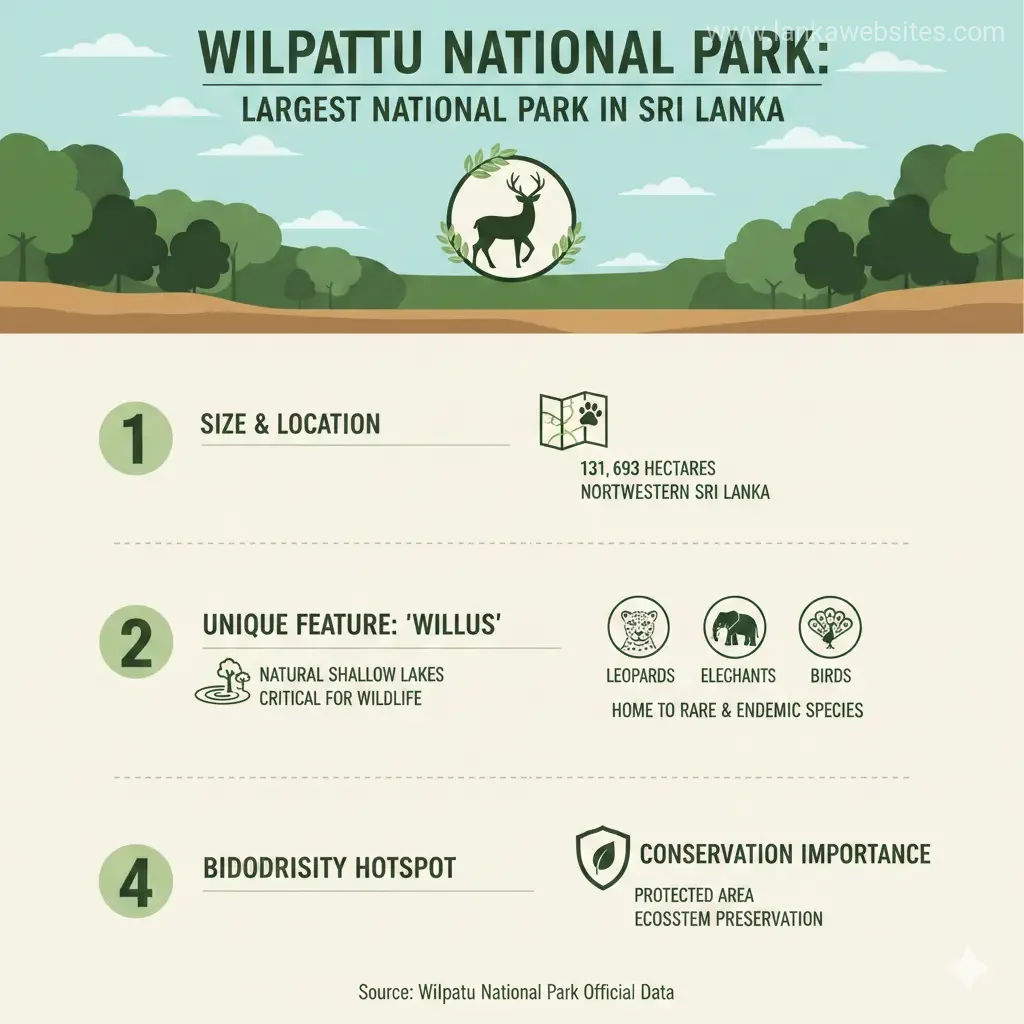
Geography and Climate of Wilpattu National Park
The geography and climate of Wilpattu National Park play a significant role in shaping the park's ecosystem and the experiences you can have there. The park is located in a tropical region, with a dry climate that is characterised by high temperatures and low humidity. The best time to visit Wilpattu National Park is during the dry season, which runs from May to September. During this time, the weather is generally warm and sunny, with average temperatures ranging from 20 to 30 degrees Celsius.
The park's geography is also notable for its natural lakes, which are a key feature of the park's landscape. These lakes are seasonal, meaning they fill up with water during the wet season and dry up during the dry season. The lakes are an essential source of water for the park's wildlife, and they also provide a habitat for aquatic plants and animals. Some of the key geographical features of Wilpattu National Park include:
- Villu: natural lakes that are a key feature of the park's landscape
- Grasslands: open areas of grass that are home to a variety of wildlife
- Dense forests: areas of dense vegetation that provide a habitat for a range of flora and fauna
- Ancient ruins: historical sites that add to the park's cultural and historical significance
Wildlife of Wilpattu National Park
Wilpattu National Park is home to a diverse range of wildlife, including mammals, birds, reptiles, and amphibians. The park is particularly famous for its leopards, which are known for their elusive and solitary nature. Other notable wildlife species in the park include:
- Sri Lankan sloth bear: a rare and endangered species that is found only in Sri Lanka
- Asian elephant: a large and intelligent species that is known for its social behaviour
- Spotted deer: a common species that is found throughout the park
- Wild boar: a fierce and powerful species that is known for its sharp tusks
The park is also a birdwatcher's paradise, with over 200 species of birds recorded in the area. Some of the key bird species in the park include:
- Peacock: a colourful and iconic species that is known for its distinctive call
- Jungle fowl: a common species that is found throughout the park
- Hornbill: a large and distinctive species that is known for its loud call
- Eagle: a powerful and majestic species that is known for its sharp talons
Activities and Experiences in Wilpattu National Park
Wilpattu National Park offers a range of activities and experiences that cater to different interests and ages. Some of the key activities and experiences in the park include:
- Safari tours: guided tours that take you through the park's wildlife and landscapes
- Birdwatching: a great way to spot some of the park's 200 bird species
- Hiking: a range of trails that take you through the park's forests and grasslands
- Camping: a great way to experience the park's natural beauty and wildlife
As you plan your trip to Wilpattu National Park, it's essential to book your activities and experiences in advance, especially during peak season. You should also follow the park's rules and regulations, which are in place to protect the park's wildlife and environment.
Planning Your Trip to Wilpattu National Park
Planning your trip to Wilpattu National Park requires some research and preparation, especially if you're travelling from New Zealand. Here are some key things to consider:
- Getting there: the park is located about 180 kilometres north of Colombo, and you can get there by car or bus
- Accommodation: there are a range of accommodation options available, from budget-friendly guesthouses to luxury lodges
- Food and drink: the park has a range of dining options, from traditional Sri Lankan cuisine to Western-style restaurants
- Safety: the park is generally a safe place to visit, but you should still take some basic precautions to protect yourself and your belongings
Some other key tips to keep in mind when planning your trip include:
- Book your accommodation and activities in advance, especially during peak season
- Follow the park's rules and regulations, which are in place to protect the park's wildlife and environment
- Bring plenty of water and sunscreen, as the park's climate can be hot and dry
- Respect the park's wildlife and environment, and avoid littering or damaging the park's natural habitats
Conservation Efforts in Wilpattu National Park
Wilpattu National Park is committed to conservation, and the park has a range of initiatives in place to protect its wildlife and environment. Some of the key conservation efforts in the park include:
- Habitat restoration: efforts to restore the park's natural habitats and ecosystems
- Wildlife monitoring: programs to monitor the park's wildlife and track population trends
- Community engagement: initiatives to engage with local communities and promote conservation awareness
- Sustainable tourism: efforts to promote sustainable tourism practices and reduce the park's environmental impact
As a visitor to Wilpattu National Park, you can play a role in conservation by following the park's rules and regulations, and by supporting local conservation initiatives. You can also reduce your environmental impact by using public transport, reducing your energy consumption, and avoiding single-use plastics.
Conclusion and Key Takeaways
Wilpattu National Park is a unique and unforgettable destination that offers a range of activities and experiences for nature lovers, photography enthusiasts, and anyone who appreciates the great outdoors. As you plan your trip to the park, remember to book your accommodation and activities in advance, follow the park's rules and regulations, and respect the park's wildlife and environment.
Some key takeaways to keep in mind when visiting Wilpattu National Park include:
- The park is home to a diverse range of wildlife, including leopards, sloth bears, and Asian elephants
- The park's natural lakes and grasslands are a key feature of its landscape
- The park has a range of accommodation options, from budget-friendly guesthouses to luxury lodges
- The park is committed to conservation, and visitors can play a role in supporting local conservation initiatives
Overall, Wilpattu National Park is a must-visit destination for anyone who loves nature, wildlife, and the great outdoors. With its unique landscape, diverse wildlife, and range of activities and experiences, the park has something for everyone. So why not start planning your trip to Wilpattu National Park today, and get ready for the adventure of a lifetime?
Related Articles

Horton Plains National Park: Cloud Forest and World's End
Introduction to Horton Plains National Park Horton Plains National Park, located in the central highlands of Sri Lanka, is a unique and fascinating destina

Wasgamuwa National Park: Elephant and Sloth Bear Habitat
Introduction to Wasgamuwa National Park Wasgamuwa National Park, located in the North Central Province of Sri Lanka, is a treasured gem for wildlife enthus

Peak Wilderness Sanctuary: Protecting Adam's Peak
Introduction to Peak Wilderness Sanctuary The Peak Wilderness Sanctuary, located in Sri Lanka, is a protected area that surrounds the famous Adam's Peak, a

Udawalawe National Park: Elephant Watching Paradise
Introduction to Udawalawe National Park Udawalawe National Park, located in the southern region of Sri Lanka, is a must-visit destination for anyone intere