Sigiriya Rock Fortress: Ancient Geological Wonder
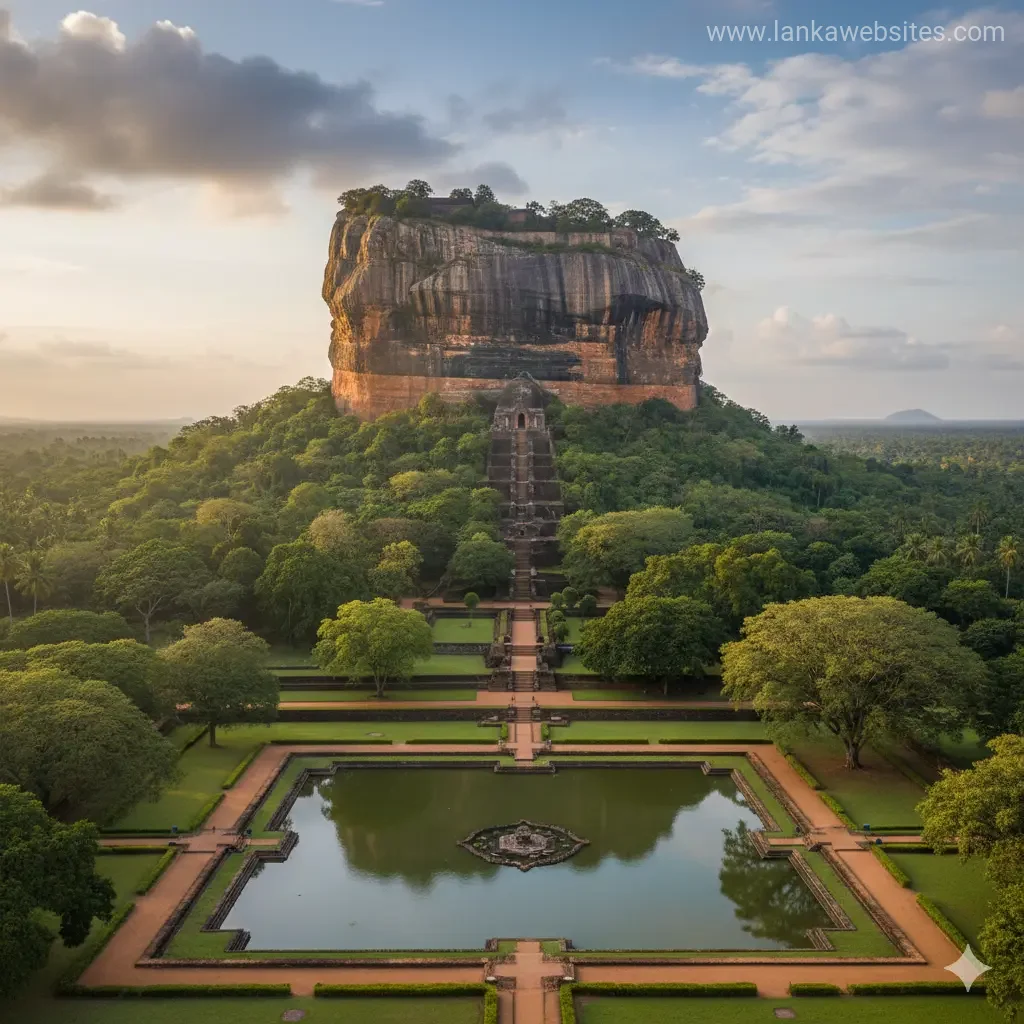
Sigiriya Rock Fortress stands as one of Sri Lanka's most extraordinary natural and historical wonders, a massive granite pillar rising dramatically from the central plains that has captivated visitors
The Lankawebsites editorial team curates, fact-checks, and updates guides on personal finance, property, health, immigration, legal, business, and lifestyle topics relevant to Lankawebsites readers. Articles are produced with AI assistance and reviewed by the editorial team before publication.
Sigiriya Rock Fortress stands as one of Sri Lanka's most extraordinary natural and historical wonders, a massive granite pillar rising dramatically from the central plains that has captivated visitors for over 1,500 years. This ancient fortress, built by King Kashyapa I in the late 5th century, combines breathtaking geological features with remarkable architectural achievement, earning its place as a UNESCO World Heritage Site since 1982. Whether you're a local exploring our island's heritage or planning a visit to this iconic landmark, understanding what makes Sigiriya so special reveals the ingenuity of our ancestors and the geological forces that shaped this remarkable site.
The Geological Marvel Behind the Rock
What makes Sigiriya truly remarkable is its geological foundation. The fortress sits atop a massive granite column approximately 180 metres (590 feet) high, rising dramatically from the surrounding plains. This monolithic rock formation is so steep that its top actually overhangs the sides, creating an almost vertical landscape that made it an ideal defensive position.
The rock's geological composition and formation over millions of years created natural features that King Kashyapa's architects cleverly incorporated into their design. The granite pillar's sheer faces provided natural fortification, whilst the flat summit offered sufficient space for an elaborate palace complex. This combination of natural geology and human engineering makes Sigiriya a unique example of how ancient civilisations worked with their landscape rather than against it.
The Historical Significance of King Kashyapa's Fortress
The story of Sigiriya is intertwined with one of Sri Lanka's most dramatic historical moments. King Kashyapa I ruled from 477–495 CE and made the decision to relocate the capital from the traditional seat of Anuradhapura to this remote rock fortress. This wasn't merely an architectural whim—it was a strategic move driven by fear.
Why Build a Palace on a Rock?
Kashyapa had assassinated his father, King Dhatusena, to seize the throne. His brother Moggallana, the rightful heir, had fled to India in fear for his life. Fearing revenge, Kashyapa transformed Sigiriya into an impregnable stronghold, designing the palace in the shape of a monumental lion as both a symbol of power and a psychological deterrent.
During Kashyapa's 18-year reign, Sigiriya became a complex city and fortress. The site included elaborate constructions such as defensive structures, multiple palaces, sophisticated water gardens, moats, walls, and canals that extended hundreds of metres from the rock's base. However, Kashyapa's reign ended in defeat in 495 CE, and the fortress fell into decline.
Exploring the Architectural Features
The Iconic Lion's Paws and Gateway
One of Sigiriya's most recognisable features is the Lion Gate, through which visitors begin their final ascent to the summit. The original 5th-century lion structure, constructed from bricks and plaster, was enormous—designed so that visitors would enter through the creature's mouth and ascend between its paws. Today, only the first steps and the paws remain intact, but they're enough to convey the original structure's grandeur.
The Mirror Wall and Ancient Frescoes
As you climb towards the summit, you'll encounter the mirror wall, a polished stone surface that once reflected the king's image as he walked past. This mid-level terrace feature showcases the sophisticated engineering and aesthetic sensibilities of the 5th century.
Equally impressive are the Sigiriya Frescoes—ancient paintings of celestial maidens (apsaras) that adorn the rock face halfway up the climb. These 21 rock paintings depict celestial singers and dancers and represent some of the finest examples of ancient Sri Lankan art. The frescoes' survival over 1,500 years is a testament to both their artistic quality and the protective nature of the rock itself.
Water Gardens and Landscaping
At the base of the rock lies one of Asia's oldest surviving landscaped gardens. The Water Gardens feature an intricate network of pools, fountains, and canals that demonstrate advanced ancient engineering knowledge. These gardens weren't merely decorative—they served practical purposes including water management, cooling, and irrigation.
The Boulder Gardens provide another fascinating area, creating a maze-like complex filled with large stones, caves, and paths that once formed part of the royal palace complex.
The Climb: What Visitors Should Know
Reaching the summit requires determination and physical fitness. The ascent involves approximately 1,233 uneven rock steps and metal stairways, with much of the route lacking railings. The main entrance to the palace is located about three-quarters of the way up the northern side of the rock.
The climb typically takes 45 minutes to an hour, depending on your fitness level and how often you stop to admire the views and historical features. The reward is worth the effort—from the summit, you'll enjoy panoramic views over the surrounding jungle and plains that stretch for kilometres in every direction.
Sigiriya's UNESCO World Heritage Status
Sigiriya was designated a UNESCO World Heritage Site in 1982, recognising its outstanding universal value as both a geological and archaeological wonder. The site is now considered one of the best-preserved examples of ancient urban planning, demonstrating sophisticated knowledge of architecture, water management, and landscape design.
The UNESCO recognition has helped protect Sigiriya whilst making it accessible to visitors from around the world. Today, it stands as one of Sri Lanka's most visited tourist attractions and a source of national pride in our island's ancient civilisation.
Planning Your Visit to Sigiriya
Location and Access
Sigiriya is located in the northern Matale District near the town of Dambulla in the Central Province. It's approximately 175 kilometres north-east of Colombo. If you're travelling from Colombo, the journey typically takes 4–5 hours by car or bus heading north towards the Cultural Triangle.
Best Time to Visit
The dry season (December to March) offers the most pleasant climbing conditions. Avoid visiting during heavy rains, as the rock becomes slippery and the metal stairs can be hazardous. Early morning visits are recommended to avoid crowds and to experience the site in cooler temperatures.
What to Bring
- Sturdy, comfortable walking shoes with good grip
- Plenty of water (at least 1.5 litres)
- Sun protection (hat, sunscreen, sunglasses)
- Light, breathable clothing
- A camera to capture the stunning views and historical features
Frequently Asked Questions
How long does it take to climb Sigiriya?
The climb typically takes 45 minutes to an hour to reach the summit, depending on your fitness level and how often you pause to explore the frescoes, mirror wall, and other features along the way.
Is Sigiriya suitable for children?
Whilst children can climb Sigiriya, parents should consider their child's age and fitness level carefully. The metal stairs lack railings in many sections, and the uneven steps can be challenging for young children. Supervision is essential throughout the climb.
What's the entrance fee for Sigiriya?
As a UNESCO World Heritage Site and major tourist attraction, Sigiriya charges an entrance fee. Current rates vary for local and international visitors. Check with local tourism offices or the official Sigiriya website for current 2026 pricing.
Can I visit Sigiriya as a day trip from Colombo?
Yes, you can visit Sigiriya as a day trip from Colombo, though it's a long journey (4–5 hours each way). Many visitors choose to stay overnight in nearby Dambulla or Kandy to explore the site more leisurely and visit other attractions in the Cultural Triangle.
What other attractions are near Sigiriya?
Sigiriya is part of Sri Lanka's Cultural Triangle, which includes other important sites such as the ancient city of Anuradhapura, the sacred city of Kandy, and the cave temples of Dambulla. Many visitors combine Sigiriya with these other attractions in a multi-day itinerary.
Is there accommodation near Sigiriya?
Yes, the nearby town of Dambulla offers various accommodation options ranging from budget guesthouses to mid-range hotels. This makes it convenient to visit Sigiriya and explore other Cultural Triangle attractions without staying in larger cities.
Why Sigiriya Matters to Sri Lanka
Beyond its status as a tourist attraction, Sigiriya represents a crucial chapter in Sri Lanka's historical narrative. It demonstrates the sophistication of 5th-century Sinhalese civilisation, our ancestors' engineering prowess, and their ability to create lasting beauty in harmony with nature. The site preserves not just stone and architecture, but the story of a kingdom, the ambitions of a king, and the resilience of human creativity across fifteen centuries.
For locals, Sigiriya serves as a tangible connection to our heritage—a reminder of the advanced civilisation that flourished in our island long before modern technology. For visitors, it's a window into ancient Sri Lankan culture and a testament to what humans can achieve when they combine natural geography with artistic vision and engineering skill.
Your Next Step
Whether you're a Sri Lankan who hasn't yet experienced this wonder on your doorstep, or you're planning to show visiting friends and family our island's treasures, Sigiriya deserves a place on your itinerary. Plan your visit during the dry season, wear comfortable shoes, bring plenty of water, and prepare yourself for a climb that will reward you with not just physical exertion, but a profound connection to Sri Lanka's ancient past. The views from the summit, the ancient frescoes, and the sheer audacity of King Kashyapa's vision make Sigiriya an unforgettable experience that captures the essence of what makes our island extraordinary.
Related Articles

Ella Gap: Scenic Mountain Pass in Central Highlands
Introduction to Ella Gap The Ella Gap is a breathtaking mountain pass located in the Central Highlands of Sri Lanka, but don't worry, we're not talking abo

Sri Lanka's Continental Shelf and Marine Territory
Introduction to Sri Lanka's Continental Shelf and Marine Territory As a New Zealander, you might be familiar with the concept of a continental shelf, but h

The North Central Province: Ancient Reservoir Systems
Introduction to the North Central Province The North Central Province, located in the heart of Sri Lanka, is a region steeped in history and natural beauty

Minneriya-Giritale-Kaudulla Complex Geography
Introduction to Minneriya-Giritale-Kaudulla Complex Geography The Minneriya-Giritale-Kaudulla Complex, located in the North Central Province of Sri Lanka,