Gem Cutting and Polishing Industry
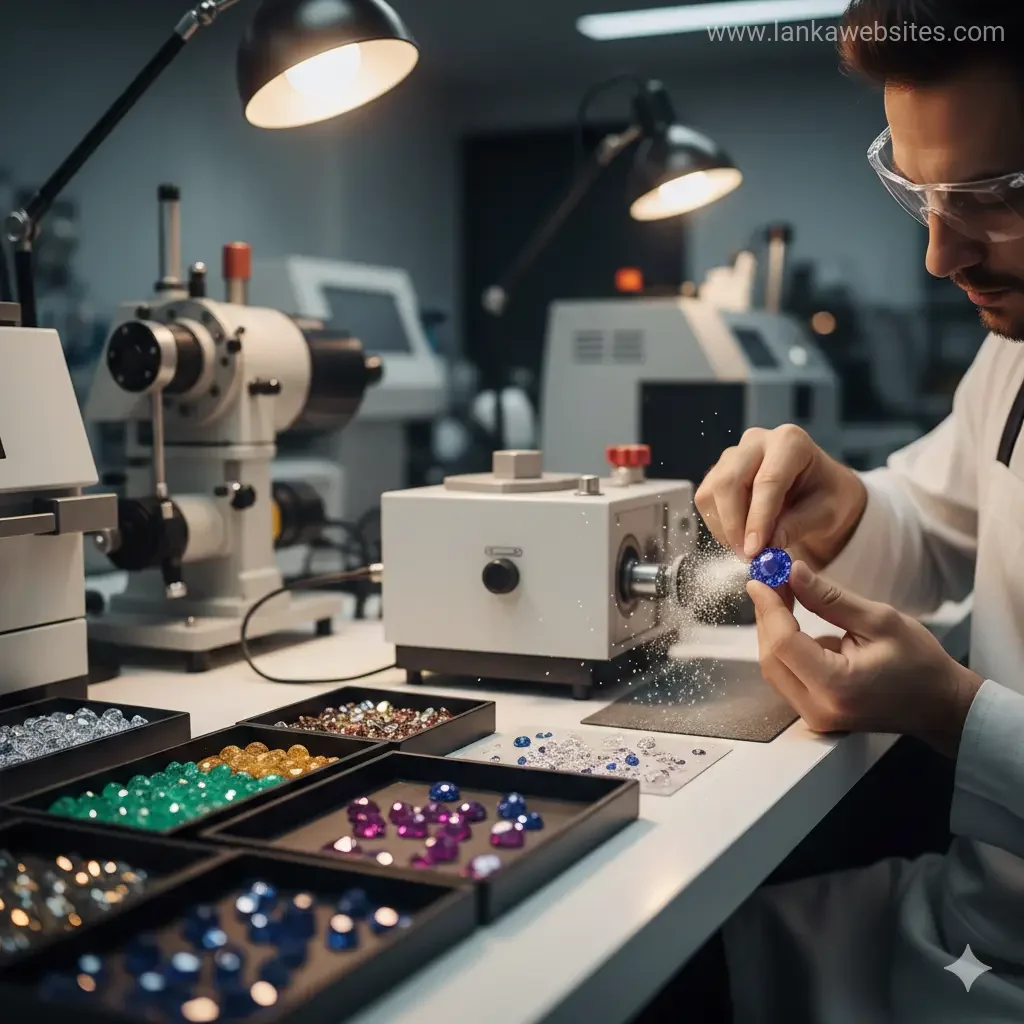
Sri Lanka's gem cutting and polishing industry stands as one of our nation's most valuable export success stories, transforming rough gemstones into world-class finished products that command premium
The Lankawebsites editorial team curates, fact-checks, and updates guides on personal finance, property, health, immigration, legal, business, and lifestyle topics relevant to Lankawebsites readers. Articles are produced with AI assistance and reviewed by the editorial team before publication.
Sri Lanka's gem cutting and polishing industry stands as one of our nation's most valuable export success stories, transforming rough gemstones into world-class finished products that command premium prices on the global market. With modern facilities, skilled craftspeople, and a reputation for exceptional quality, our industry has become a crucial pillar of Sri Lanka's economy and a key player in the international gemstone trade.
Why Sri Lanka's Gem Cutting and Polishing Industry Matters
Our country has earned international recognition not just for cutting and polishing diamonds, but for our specialisation in small, exceptionally high-quality gemstones. What makes our industry unique is the combination of traditional craftsmanship with contemporary technology. Sri Lankan cutting companies operate highly organised factories equipped with modern equipment, allowing us to handle diverse cutting styles—from traditional brilliant cuts to specialised shapes like tapers, baguettes, and princes.
The gem cutting and polishing sector isn't isolated; it's part of a larger, integrated ecosystem. We source rough gemstones from across Africa, Madagascar, and Southeast Asia, then add significant value through our cutting expertise before re-exporting finished products to major markets including Japan, India, and China. This positions Sri Lanka as a world-renowned gemstone trading hub and a transparent, compliant destination for international gem traders.
The Current State of Our Industry (2026)
Recent Growth and Recognition
The Gem Sri Lanka 2026 exhibition, held in January at the Shangri-La Colombo, demonstrated the industry's continued momentum. Attended by international buyers, traders, and industry leaders, the event showcased our sector's comprehensive capabilities across mining, cutting, polishing, and heat treatment. The Prime Minister's presence as Chief Guest underscored the national importance of gems to our heritage and economy.
What's particularly encouraging is the industry's ability to adapt and innovate. By combining rough stone sourcing from multiple continents with our renowned local cutting craftsmanship, we've strengthened our position as an efficient and reliable global coloured gemstone transit hub.
Overcoming Recent Challenges
The industry faced significant headwinds in 2024 and 2025 due to import duty policies that made bringing rough gemstones into the country unpredictable and costly. However, Sri Lanka's gem import tax system was recently revised to use fixed-rate taxation, which has reopened the pipeline for goods entering our gem industry. This change is industry-saving because it eliminates valuation disputes, restores predictability, and allows importers to know their tax exposure before shipment.
The previous system had created a domino effect: reduced imports meant fewer stones for cutting and polishing, lower export volumes, weakened buyer confidence, and lost foreign exchange earnings. The revised approach addresses this core problem and should allow normal trade activity to resume over time.
Our Cutting and Polishing Capabilities
Specialised Expertise and Equipment
Sri Lankan cutting companies possess capabilities across the entire value chain. Our workshops handle cleaving, sawing, pre-forming, shaping, cutting, faceting, and polishing—each step performed with precision and quality control. The industry's commitment to professional standards was evident at Gem Sri Lanka 2026, where exhibitions were guided by core values of integrity and transparency.
Our competitive advantage lies in the combination of skilled labour and investment in technology. While most rough diamonds imported for processing are initially sawn or cleaved in Belgium, many Sri Lankan companies purchase rough diamonds directly from the open market and sell finished, cut, and polished products through overseas affiliates.
Quality Standards and International Compliance
Sri Lanka is a member of the International Diamond Manufacturers Association and a signatory to the Kimberly Process, ensuring our diamonds meet ethical sourcing standards. Beyond diamonds, the National Gem and Jewellery Authority has implemented strengthened testing and traceability systems that reinforce Sri Lanka's role as a transparent and compliant trading destination.
Accessing Gems and Supporting Infrastructure
Key Trading Hubs
If you're involved in the gem industry or considering entering it, understanding our trading infrastructure is essential. Colombo remains the heart of gem trading, with several strategic locations:
- Pettah "Gem Street"—provides an efficient wholesale environment for finished gemstones
- Colombo Fort gem market—reflects our country's long-standing gem trading culture
- Beruwala's gemstone trading markets—accessible within approximately 1.5 hours by road from Colombo
- Ratnapura mining region—reachable in about two hours, allowing buyers to connect sourcing, cutting, and trading activities in a single itinerary
Our geographical position in the Indian Ocean has historically served as a maritime link between Asia, Africa, and Europe. This central location, combined with our business-friendly environment for Asian buyers (particularly from Greater China and Southeast Asia), makes Sri Lanka an efficient hub for sourcing, processing, and trading gemstones.
Capacity Building and Skills Development
Recognising the importance of continuous improvement, Sri Lanka has established formal partnerships for professional development. In December 2025, a 20-member delegation of professionals from our gem and jewellery sector completed specialised training at India's Indian Institute of Gem & Jewellery in Jaipur. The programme covered cleaving, sawing, pre-forming, shaping, cutting, faceting, polishing, and quality assessment.
This reflects an ongoing bilateral commitment: India has committed to offering 700 customised training slots annually for Sri Lankan professionals in the gem and jewellery sector. Such initiatives strengthen our workforce's practical skills, design capabilities, and knowledge of contemporary production technologies.
The Business Case for Gem Cutting and Polishing in Sri Lanka
At its core, our gem industry is a value-creation business. Rather than simply exporting raw materials, we transform rough stones into finished gemstones that command significantly higher prices. This value addition supports employment across cutting workshops, polishing facilities, quality assessment labs, and related services.
The industry's resilience is evident in how it's bouncing back from recent policy challenges. With the revised import tax system in place, international traders can now confidently plan their sourcing and processing activities in Sri Lanka. The market remains strong for coloured gemstones, which continue to demonstrate potential for increased market share despite supply-side challenges.
Frequently Asked Questions
What types of gemstones does Sri Lanka specialise in cutting and polishing?
While Sri Lanka is known for high-quality diamond cutting and polishing, particularly small diamonds of exceptional quality, our industry also handles a wide range of coloured gemstones. We're renowned for sapphires, star sapphires, and premium coloured gemstone collections. Our cutting companies can handle traditional brilliant cuts as well as specialised shapes like tapers, baguettes, and princes.
Is the gem cutting industry in Sri Lanka regulated?
Yes. Sri Lanka is a signatory to the Kimberly Process and a member of the International Diamond Manufacturers Association. The National Gem and Jewellery Authority oversees testing and traceability systems to ensure ethical sourcing and quality standards. These regulations reinforce Sri Lanka's position as a compliant, transparent trading destination.
Can I source rough gemstones for cutting in Sri Lanka?
Absolutely. Sri Lanka sources rough gemstones from Africa, Madagascar, and Southeast Asia. Since import duties on gemstone rough were removed in 2013, traders have increasingly sourced directly from African mining regions. The recent revision to fixed-rate import taxation has made this process more predictable and cost-effective.
Where can I connect with gem traders and cutters in Sri Lanka?
Key trading hubs include Pettah "Gem Street" and Colombo Fort in the capital, as well as Beruwala and Ratnapura. Major industry events like Gem Sri Lanka 2026 and FACETS Sri Lanka 2026 also provide opportunities to connect with buyers, manufacturers, and industry leaders.
What's the current state of demand for Sri Lankan cut gemstones?
Demand remains strong, particularly from Japan, India, and China. Coloured gemstones continue to demonstrate potential for increased market share. With the recent revision to import taxation, supply chains are stabilising, which should support increased export activity and foreign exchange earnings.
Are there training opportunities to develop skills in gem cutting and polishing?
Yes. Sri Lanka has formal capacity-building partnerships with India, offering 700 customised training slots annually for professionals in the gem and jewellery sector. Training covers the entire value chain, from cleaving and sawing to cutting, faceting, polishing, and quality assessment.
Moving Forward: Opportunities for Growth
Sri Lanka's gem cutting and polishing industry stands at an inflection point. The recent policy corrections have removed barriers that were constraining growth. International buyers are regaining confidence in our supply reliability. Our workforce is accessing world-class training to enhance skills and stay competitive.
If you're involved in the gem trade—whether as a cutter, trader, buyer, or investor—now is a strategic time to engage with our industry. Visit our trading hubs in Colombo, Beruwala, or Ratnapura. Attend industry events like Gem Sri Lanka 2026. Connect with the National Gem and Jewellery Authority to understand current regulations and opportunities. The fundamentals are strong, and our industry's future looks bright.
Related Articles

Traditional Gem Mining Methods
Introduction to Traditional Gem Mining Methods Traditional gem mining methods have been used for centuries to extract precious gems and minerals from the e

Mineral Sands: Ilmenite and Rutile
Sri Lanka's beaches hide treasures beyond their golden sands—rich deposits of **ilmenite** and **rutile** that power global industries from paints to aerospace. These mineral sands are driving a resur

Cat's Eye Chrysoberyl: Rare Gemstone
If you've ever caught a glimpse of a gemstone that seems to have a living, breathing eye inside it, you've likely witnessed the mesmerising magic of cat's eye chrysoberyl. This rare and captivating ge

Sri Lanka: The Gem Island of the Indian Ocean
Sri Lanka has earned its nickname as the Gem Island of the Indian Ocean through centuries of unearthing breathtaking treasures from our soil. From the vivid blue Ceylon sapphires that grace royal coll