Alexandrite: Color-Changing Gemstone
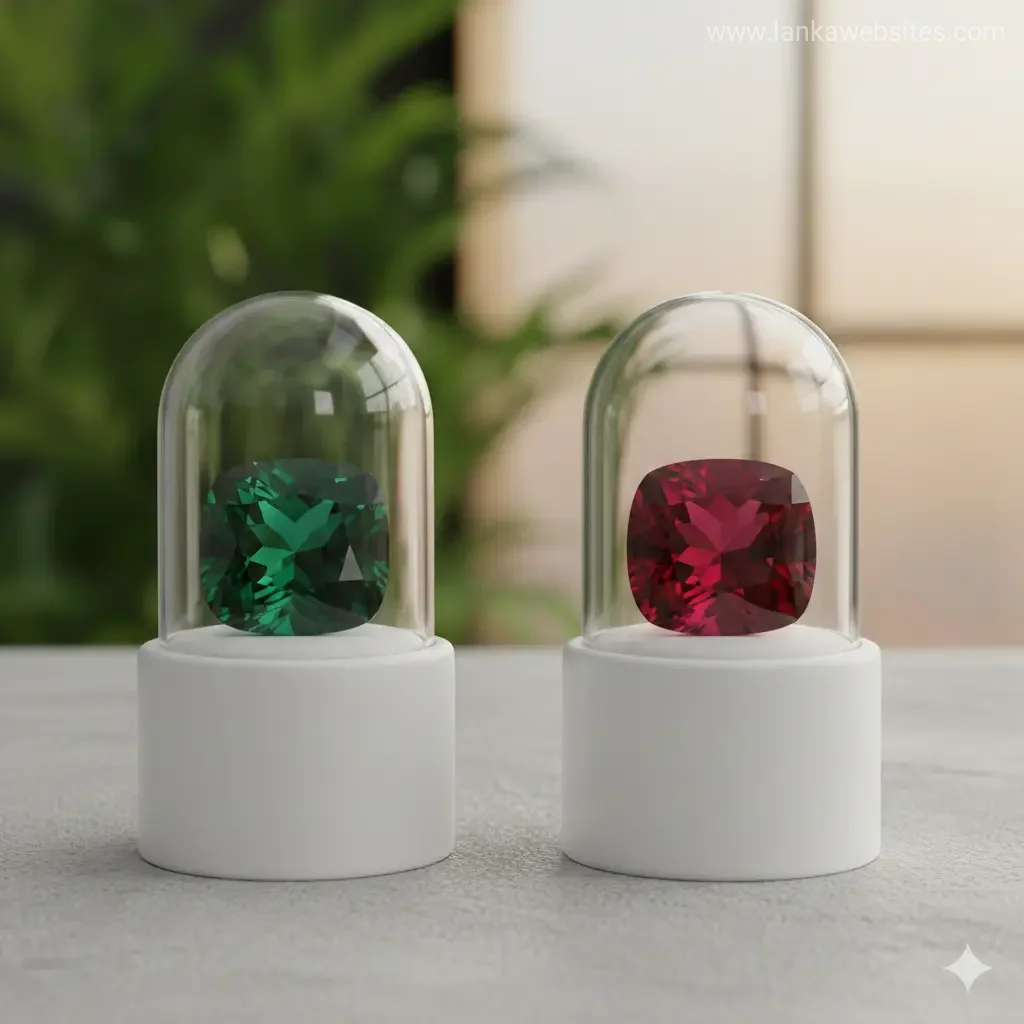
If you've ever wondered how a single gemstone can shift from lush emerald green in daylight to a deep ruby red under lamplight, you're about to discover one of nature's most captivating optical illusi
The Lankawebsites editorial team curates, fact-checks, and updates guides on personal finance, property, health, immigration, legal, business, and lifestyle topics relevant to Lankawebsites readers. Articles are produced with AI assistance and reviewed by the editorial team before publication.
If you've ever wondered how a single gemstone can shift from lush emerald green in daylight to a deep ruby red under lamplight, you're about to discover one of nature's most captivating optical illusions. Alexandrite, often called the "emerald by day, ruby by night" gemstone, is a rare variety of chrysoberyl that mesmerises gem enthusiasts and jewellers alike with its extraordinary colour-changing properties. Whether you're a gem collector, considering an alexandrite piece for yourself, or simply curious about Sri Lanka's gemstone heritage, this guide will help you understand what makes this gemstone so special and why it commands such admiration in the jewellery world.
What Is Alexandrite?
Alexandrite is a rare variety of the mineral chrysoberyl, renowned for its dramatic colour change. This gemstone exhibits a mesmerising shift from bluish-green hues in daylight to reddish-purple tones under incandescent light. The most desirable alexandrites exhibit a strong and vibrant colour change, making them highly sought-after by collectors and jewellery enthusiasts worldwide.
The gemstone earned its poetic nickname because of this remarkable dual personality—it truly does appear as an emerald during the day and transforms into a ruby-like stone at night. This captivating phenomenon, known as the alexandrite effect, arises from the gem's unique ability to absorb specific wavelengths of light.
The Science Behind the Colour Change
How Chromium Creates the Magic
The secret to alexandrite's colour-changing superpower lies in a single trace element: chromium. Chromium ions are embedded within the gemstone's crystal structure and act like selective light filters, absorbing specific wavelengths of light while reflecting others.
Here's how it works: chromium ions are particularly good at absorbing yellow and dark blue light, but poor at absorbing red, green, and lighter blue light. This selective absorption is what causes the dramatic colour shift depending on your light source.
Colour Under Different Lighting Conditions
The colour change in alexandrite depends entirely on the light source you're viewing it under:
- In natural daylight: Alexandrite exhibits a green to bluish-green hue. Natural daylight contains more blue and green wavelengths, so the stone reflects primarily green light, creating that emerald-like appearance.
- Under incandescent or candlelight: The gemstone transforms dramatically toward red, purplish-red, or reddish-violet. Incandescent light emits more red and orange wavelengths, causing this warm, ruby-like shift.
- Under ultraviolet (UV) light: Alexandrite displays an intense, glowing neon red colour. When chromium ions absorb UV light, the electrons get excited and bounce between energy levels, creating this spectacular fluorescence.
The complete spectrum of colour change ranges from a mesmerising emerald green under natural daylight to a captivating ruby red under incandescent lighting.
Pleochroism: The Additional Colour Effect
Beyond the alexandrite effect, this gemstone exhibits another optical phenomenon called pleochroism. This means the stone will appear different colours when viewed from different angles, independent of the light source. In alexandrite, the pleochroic colours are green, orange, and purple-red.
This combination of both the colour-change effect and pleochroism makes alexandrite exceptionally rare and valuable among precious gemstones.
Factors That Influence the Colour Change
Chromium Concentration
Not all alexandrites display equally dramatic colour changes. The amount and distribution of chromium within the crystal lattice are the primary determinants of colour-change strength. A balanced chromium content creates the vivid dual hues associated with top-quality stones. Too little chromium results in weak colour transitions, while too much can make the gem overly dark or brownish.
Geographic Origin and Quality Variations
Interestingly, alexandrite sourced from different regions around the world displays slightly different colour behaviours due to variations in trace elements and geological formation.
- Russian alexandrite from the Ural Mountains typically displays the sharpest, most vibrant green-to-red transformation—a benchmark for quality.
- Brazilian stones often show a bluish-green to purplish-red shift, with exceptional clarity.
- Sri Lankan alexandrites may have subtler changes, moving from olive-green to reddish-purple.
- African material from Tanzania and Madagascar frequently exhibits bright, lively hues, sometimes with a slightly different tonal balance.
If you're shopping for alexandrite in Sri Lanka, understanding these regional differences can help you make an informed choice about which type of colour change appeals to you most.
Alexandrite Quality and Value
The most desirable alexandrites exhibit a strong and vibrant colour change. Gemologists often measure the quality of colour change as a percentage, with a 100% colour change from one hue to the other being the most valuable.
The colours seen can also vary; if they stray too far from the expected colours of alexandrite or if the amount of colour change is minor, the value will be significantly affected. In some cases, stones with insufficient colour change may not even be classified as true alexandrite.
A strong and complete transformation—from bright green to rich red—is a hallmark of exceptional alexandrite. When shopping for this gemstone, look for stones that display this dramatic shift, as they'll retain their value and beauty far better than stones with subtle colour changes.
Lab-Grown vs. Natural Alexandrite
Modern technology has made it possible to create lab-grown alexandrite that exhibits the same captivating colour shift as natural stones. In natural light, lab-grown alexandrites showcase a range of greens and blues, sometimes with hints of teal or yellow, and under incandescent light, they reveal shades of red, purple, and even pink.
The most desirable lab-grown alexandrites exhibit a strong and vibrant colour change, just like their natural counterparts. If you're considering an alexandrite piece but are concerned about budget or ethical sourcing, lab-grown options offer an excellent alternative without compromising on the spectacular colour-changing effect.
Alexandrite in Sri Lanka's Gem Industry
Sri Lanka has a rich tradition as one of the world's premier sources of gemstones, and alexandrite is part of this heritage. Sri Lankan alexandrites are recognised for their unique colour characteristics, typically displaying a shift from olive-green to reddish-purple.
If you're purchasing alexandrite in Sri Lanka, you'll find reputable gem dealers in Colombo and other major cities who can provide certification and authentication. When buying any precious gemstone locally, ensure you're purchasing from established dealers who can provide proper documentation and certification of authenticity.
Caring for Your Alexandrite
Alexandrite is a durable gemstone with a hardness of 8.5 on the Mohs scale, making it suitable for everyday wear in jewellery. Here are some practical care tips:
- Clean your alexandrite gently with lukewarm water and mild soap using a soft brush
- Avoid exposing it to extreme temperature changes, which can cause cracking
- Remove alexandrite jewellery before engaging in strenuous activities or sports
- Store it separately from other gemstones to prevent scratching
- Have it professionally inspected annually, especially if set in jewellery
Frequently Asked Questions
Why does alexandrite change colour?
Alexandrite changes colour because of chromium ions in its crystal structure that selectively absorb specific wavelengths of light. In daylight (rich in blue and green wavelengths), it appears green. Under incandescent light (rich in red wavelengths), it appears red. This isn't a chemical change—it's purely an optical effect based on how the stone interacts with different light sources.
Is alexandrite more valuable than diamonds?
High-quality alexandrite with a strong colour change can be more valuable per carat than diamonds, depending on size and quality. However, the value depends heavily on the intensity and completeness of the colour change. Stones with weak colour changes are significantly less valuable.
Can I wear alexandrite every day?
Yes, alexandrite is durable enough for everyday wear, with a hardness of 8.5 on the Mohs scale. However, it's best to remove it during strenuous activities or sports to prevent damage. If set in a protective setting like a bezel, it's even more suitable for daily wear.
How can I tell if my alexandrite is genuine?
Genuine alexandrite should display a dramatic colour change from green in daylight to red under incandescent light. If you're making a significant purchase, always request a gemological certificate from a reputable lab. In Sri Lanka, look for dealers who can provide proper authentication documentation.
What's the difference between alexandrite and synthetic alexandrite?
Natural alexandrite forms over millions of years in the earth, whilst synthetic (lab-grown) alexandrite is created in laboratories but exhibits identical optical properties. Both display the same colour-changing effect. The choice between them often comes down to personal preference, budget, and ethical considerations.
Why is Sri Lankan alexandrite different from Russian alexandrite?
Alexandrite from different regions displays slightly different colours due to variations in trace elements and geological formation. Sri Lankan alexandrites typically show a shift from olive-green to reddish-purple, whilst Russian stones from the Ural Mountains display sharper, more vibrant green-to-red transformations. Neither is inherently better—it depends on your personal preference for colour tone.
Final Thoughts
Alexandrite truly is one of nature's most remarkable gemstones. Whether you're drawn to its scientific intrigue, its poetic "emerald by day, ruby by night" nature, or simply its breathtaking beauty, there's no denying its special place in the gem world. The colour-changing magic of alexandrite isn't actually magic at all—it's sophisticated optical science that happens to be absolutely mesmerising.
If you're considering purchasing an alexandrite gemstone in Sri Lanka, take time to view several stones under different lighting conditions. This will help you appreciate the colour change and find a stone that speaks to you. Whether you choose a natural or lab-grown alexandrite, ensure you're buying from a reputable dealer who can provide proper certification and documentation.
The next time you see an alexandrite catch the light and transform before your eyes, you'll understand the science behind the magic—and appreciate it even more.
Useful Tools
Related Articles

Traditional Gem Mining Methods
Introduction to Traditional Gem Mining Methods Traditional gem mining methods have been used for centuries to extract precious gems and minerals from the e

Mineral Sands: Ilmenite and Rutile
Sri Lanka's beaches hide treasures beyond their golden sands—rich deposits of **ilmenite** and **rutile** that power global industries from paints to aerospace. These mineral sands are driving a resur

Cat's Eye Chrysoberyl: Rare Gemstone
If you've ever caught a glimpse of a gemstone that seems to have a living, breathing eye inside it, you've likely witnessed the mesmerising magic of cat's eye chrysoberyl. This rare and captivating ge

Sri Lanka: The Gem Island of the Indian Ocean
Sri Lanka has earned its nickname as the Gem Island of the Indian Ocean through centuries of unearthing breathtaking treasures from our soil. From the vivid blue Ceylon sapphires that grace royal coll