Gem Mining and Cutting Traditions
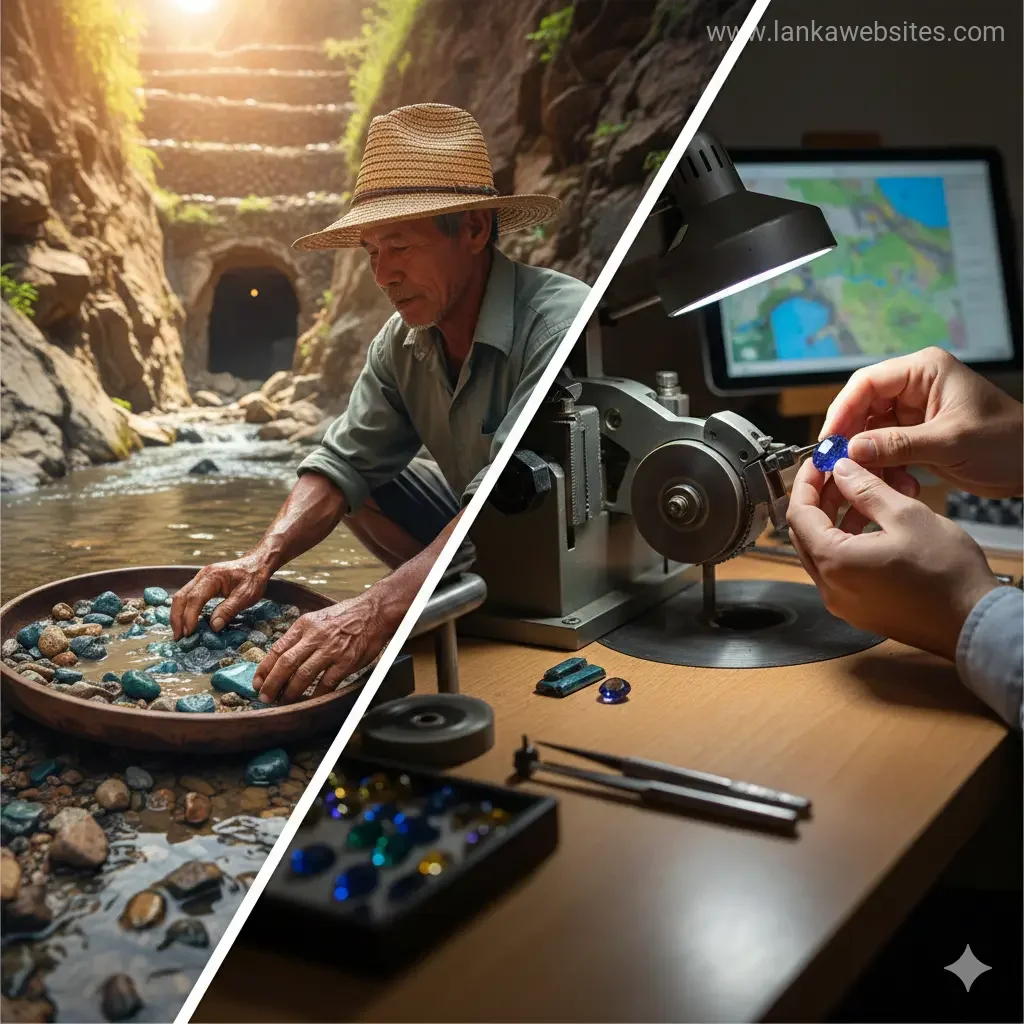
Sri Lanka's gem mines have whispered secrets of the earth for over 2,000 years, turning humble riverbeds into treasure troves that sparkle on global stages. From the misty hills of Ratnapura to the bu
The Lankawebsites editorial team curates, fact-checks, and updates guides on personal finance, property, health, immigration, legal, business, and lifestyle topics relevant to Lankawebsites readers. Articles are produced with AI assistance and reviewed by the editorial team before publication.
Sri Lanka's gem mines have whispered secrets of the earth for over 2,000 years, turning humble riverbeds into treasure troves that sparkle on global stages. From the misty hills of Ratnapura to the bustling cutters' wheels in Beruwala, our island's gem mining and cutting traditions aren't just a trade—they're woven into our cultural fabric, sustaining families and drawing buyers from Japan to New York.
Whether you're a local curious about your backyard's riches or thinking of dipping into this glittering world, this guide uncovers the time-honoured methods, modern twists, and practical steps to engage safely. In 2026, with events like Gem Sri Lanka and FACETS lighting up Colombo, our traditions are evolving while staying true to their roots.
Ancient Roots of Gem Mining in Sri Lanka
Our story begins millennia ago, when ancient traders prized Ceylon sapphires for their unrivalled clarity and colour. Archaeological finds trace gem mining back to 2nd-century BC sites, but it truly flourished under King Solomon, who legend says traded for these 'teardrops of the gods'. Today, we honour those origins while adapting to sustainable practices.
Ratnapura: The City of Gems
Known as Sri Lanka's gem capital, Ratnapura lives up to its name—'city of gems' in Sinhala. Here, traditional river mining, or pit mining, dominates. Miners dig shallow pits up to 50 feet deep in gem-bearing gravel called illam, sifting through monsoon-fed streams for rough stones.
- Daily life of a miner: Families work seasonally, using simple tools like crowbars and sieves. A good day might yield sapphires, rubies, or the rare padparadscha.
- Key sites: Maha Poluwa and Nivithigala pits bustle with activity, where you'll see artisans knee-deep in mud, their hands tuned to spot treasure.
- Local tip: Visit during the dry season (December to May) for safer tours—many miners offer guided peeks for a small fee.
This hands-on method yields 90% of our gems, producing world-class sapphires that command premiums at auctions.
Masterful Gem Cutting Traditions
Once mined, gems head to cutting hubs like Beruwela and Galle, where cutters transform rough nodules into jewels. Sri Lankan lapidaries are legends for their precision, often sourcing rough from Africa or Madagascar but finishing with local flair.
Step-by-Step Cutting Process
- Cleaning and marking: Stones are boiled in water or mild acids to reveal flaws, then sketched for maximum yield.
- Dopping: The gem is glued to a stick (dop) for handling.
- Preforming: Rough shaping with diamond saws or grinders removes waste.
- Faceting: Skilled hands grind 50-60 facets using wheels coated in diamond powder, creating that signature sparkle.
- Polishing: Final buffing brings out the fire—padparadscha sapphires glow lotus-pink here like nowhere else.
Heat treatment, a traditional enhancement, rotates stones in furnaces at 800°C to improve colour without deception—fully disclosed for ethical trade. Cutters train for years, passing skills father-to-son in family workshops.
Beruwala and Galle: Cutting Powerhouses
Beruwala's markets hum with 500+ workshops, where you'll find star sapphires cut to highlight their astral sheen. Galle adds jewellery flair, blending cuts with gold settings. These spots train youth through apprenticeships, ensuring traditions thrive.
Modern Evolution and Sustainability
By 2026, we're blending heritage with innovation. Events like Gem Sri Lanka 2026 drew 8,000 global buyers to see 'mine-to-market' in action—freshly cut sapphires straight from wheels to stalls. FACETS Sri Lanka 2026 at Cinnamon Life introduces VR mine tours and youth zones, marking 32 years of growth.
Sustainability is key: The National Gem and Jewellery Authority (NGJA) regulates pits to prevent erosion, mandating environmental impact assessments for new sites. Ethical sourcing verifies African rough meets standards, boosting our rep.
Laws and Regulations for Locals
- NGJA oversight: All mining needs licences—apply via their Ratnapura office. Export gems over LKR 5,000 require certification.
- 2026 updates: New digital tracking ensures traceability from pit to polish.
- Practical advice: Get gems appraised at NGJA labs (Colombo or Ratnapura) before selling—fees start at LKR 500.
Practical Tips for Engaging with Gem Traditions
Want to experience it yourself? Here's how we locals do it right.
Visiting Mines and Markets
Head to Ratnapura's weekend markets for bargains—haggle politely, check for bubbles (flaws) with a loupe. Tour pits with licensed guides (LKR 2,000-5,000/group). In Colombo, join Gem Sri Lanka previews for networking.
Starting Small: Buy, Sell, or Mine
- For buyers: Stick to NGJA-certified sellers; padparadscha starts at LKR 50,000/carat retail.
- Selling your finds: Auction via CGJTA members or FACETS exhibitors.
- Mining legally: Partner with cooperatives—initial investment LKR 100,000 for a small pit share.
- Training: Enrol in NGJA courses (3 months, LKR 20,000) for cutting basics.
Pro tip: Use apps like GemID for instant verification—vital against fakes flooding markets.
Events to Catch in 2026
Gem Sri Lanka (January) and FACETS (upcoming) offer workshops—book early via official sites. They're perfect for spotting trends like sustainable cuts.
FAQ
1. Is gem mining legal for individuals in Sri Lanka?
Yes, with an NGJA licence. Small-scale river mining is common; apply online or at regional offices.
2. What's the most valuable gem from Sri Lanka?
Ceylon sapphires, especially padparadscha and star varieties, fetch top prices globally due to our cutting expertise.
3. How can I spot real vs. fake gems?
Look for natural inclusions, get NGJA certification, and avoid milky stones. Heat-treated is fine if disclosed.
4. Where to learn gem cutting?
NGJA training centres in Ratnapura and Beruwala offer courses. FACETS has youth workshops.
5. Are there jobs in the gem industry?
Plenty—miners earn LKR 50,000/month, cutters LKR 80,000+. CGJTA lists openings.
6. What's new for 2026?
Digital traceability and VR experiences at FACETS, plus expanded Gem Sri Lanka buyer access.
Next Steps: Sparkle Starts Here
Dive into our gem mining and cutting traditions by visiting Ratnapura this weekend or checking NGJA's site for licences. Whether mining your first rough or cutting a family heirloom, these practices connect us to our past while lighting our future. Share your gem stories in the comments—we're all part of this glittering legacy.
Related Articles

Sri Lankan Traditional Dress: Saree and Sarong
Introduction to Sri Lankan Traditional Dress Sri Lankan culture is a vibrant and rich tapestry, woven from a diverse array of influences and traditions. O

Traditional Crafts: Brass, Wood, and Lacquerwork
Introduction to Traditional Crafts Traditional crafts have been an integral part of human culture for centuries, with various forms of craftsmanship being

Traditional Games: Elle and Kana Mutti
Introduction to Traditional Games As a New Zealander, you might be familiar with the rich cultural heritage of our country, which is home to a diverse rang

Kiribath (Milk Rice): Auspicious Food
Introduction to Kiribath: A Symbol of Good Fortune If you've ever attended a Sri Lankan or Indian festival in New Zealand, you might have come across a tra