How Much Water Should I Drink
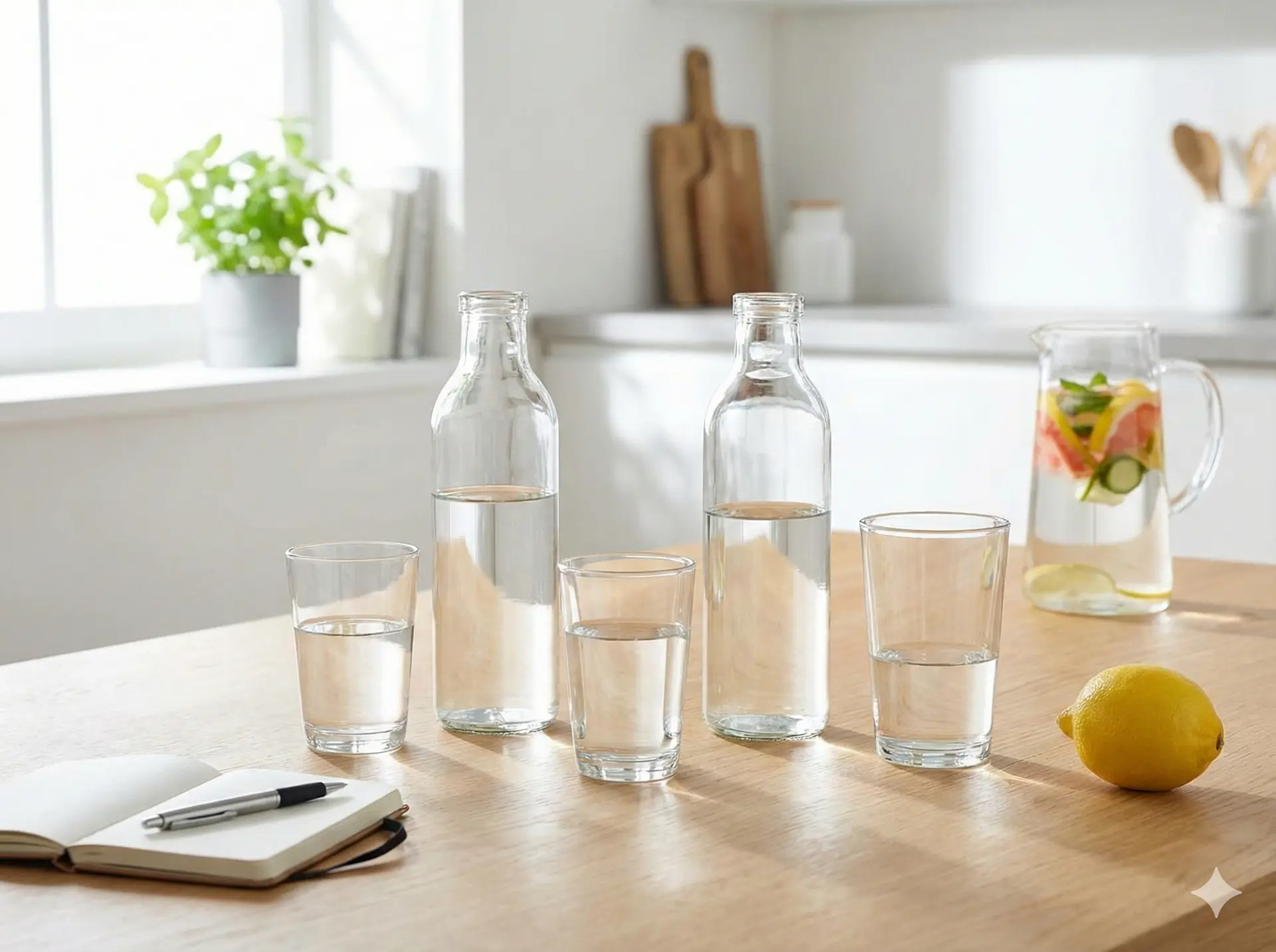
Have you ever found yourself feeling sluggish, tired, and struggling to focus, only to realize that you haven't had a glass of water all day? You're not alone. Many of us underestimate the importance of staying hydrated, and it can have a significant impact on our overall health and wellbeing. As y
The Lankawebsites editorial team curates, fact-checks, and updates guides on personal finance, property, health, immigration, legal, business, and lifestyle topics relevant to Lankawebsites readers. Articles are produced with AI assistance and reviewed by the editorial team before publication.
Have you ever found yourself feeling sluggish, tired, and struggling to focus, only to realize that you haven't had a glass of water all day? You're not alone. Many of us underestimate the importance of staying hydrated, and it can have a significant impact on our overall health and wellbeing. As you go about your daily routine, it's easy to forget to drink enough water, but the consequences can be severe. From headaches and fatigue to dry skin and digestive issues, dehydration can wreak havoc on our bodies. But what if you could avoid all these problems by simply drinking the right amount of water? In this article, we'll explore how much water you should drink, and provide you with practical tips to help you stay hydrated and healthy.
By the end of this article, you'll have a clear understanding of your daily water intake needs, and you'll be equipped with the knowledge and tools to make positive changes to your hydration habits. You'll learn how to calculate your individual water needs, and discover simple and effective ways to increase your water intake. Whether you're looking to improve your energy levels, boost your skin health, or simply feel more alert and focused, this article will provide you with the guidance and support you need to achieve your goals.
Introduction to Daily Water Intake
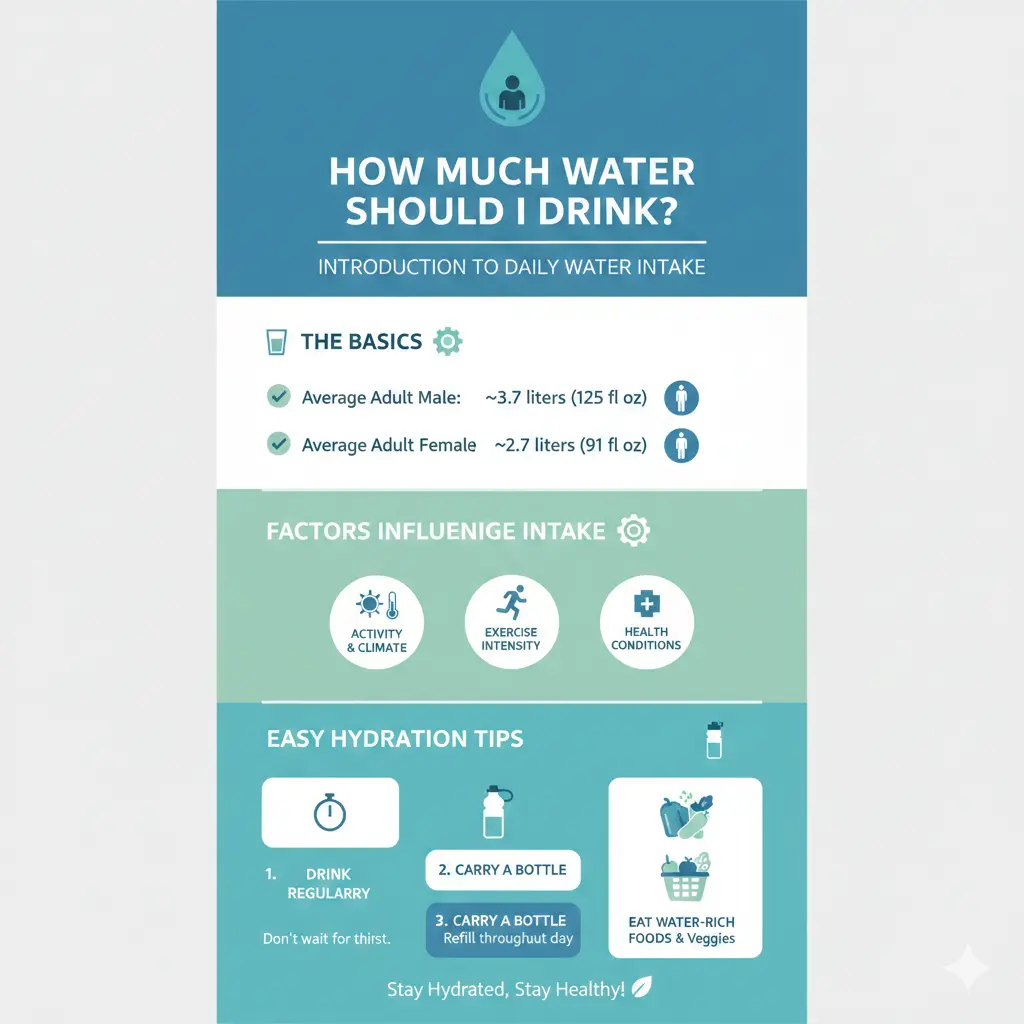
The average person drinks around 2-3 liters of water per day, but this can vary significantly depending on a range of factors, including age, sex, weight, and activity level. The general recommendation is to drink at least 8-10 cups (64-80 ounces) of water per day, but some experts suggest that we may need even more. For example, the National Academies of Sciences, Engineering, and Medicine recommend a daily water intake of 2.7 liters (91 ounces) for women and 3.7 liters (125 ounces) for men. However, these are general guidelines, and your individual needs may be different.
It's also worth noting that our bodies are made up of around 60% water, and that we lose water throughout the day through sweat, urine, and other bodily functions. This means that we need to constantly replenish our water levels to stay hydrated and maintain proper bodily functions. Even mild dehydration can cause symptoms such as headaches, fatigue, and difficulty concentrating, while more severe dehydration can lead to serious health problems, including heat stroke and kidney damage. By drinking enough water, we can help to prevent these problems and maintain optimal health.
For example, a study published in the Journal of the International Society of Sports Nutrition found that even mild dehydration can impair athletic performance and increase the risk of injury. Another study published in the European Journal of Nutrition found that drinking enough water can help to improve cognitive function and reduce the risk of age-related diseases such as Alzheimer's and Parkinson's. By understanding the importance of daily water intake, we can take steps to prioritize our hydration and protect our health.
Factors Affecting Water Intake Needs
As mentioned earlier, our individual water needs can vary significantly depending on a range of factors.
Age
is one important consideration, as our bodies' ability to regulate fluids changes as we get older. For example, older adults may need to drink more water to stay hydrated due to a decrease in the body's ability to conserve water.Sex
is another factor, as women generally need to drink less water than men due to their smaller body size and lower muscle mass.Weight
is also an important consideration, as our bodies need more water to function properly if we are overweight or obese. For example, a person who weighs 150 pounds may need to drink more water than someone who weighs 100 pounds.Activity level
is another key factor, as athletes and individuals who engage in strenuous physical activity may need to drink more water to replenish lost fluids and electrolytes. For example, a marathon runner may need to drink an extra 1-2 liters of water per day to stay hydrated.Other factors that can affect our water intake needs include climate, altitude, and medical conditions such as diabetes and kidney disease. For example, people who live in hot and humid climates may need to drink more water to stay hydrated, while those who live at high altitudes may need to drink more water to compensate for the lower air pressure. By taking these factors into account, we can tailor our water intake to meet our individual needs and stay healthy.
For instance, a person who works outdoors in a hot and humid climate may need to drink an extra 1-2 liters of water per day to stay hydrated. Similarly, an athlete who engages in strenuous physical activity may need to drink an extra 1-2 liters of water per day to replenish lost fluids and electrolytes. By understanding how these factors affect our water intake needs, we can make informed decisions about our hydration and protect our health.
Health Benefits of Proper Hydration
Drinking enough water has a range of health benefits, from improving our skin health and digestive health to boosting our energy levels and athletic performance. Even mild dehydration can cause symptoms such as headaches, fatigue, and difficulty concentrating, while more severe dehydration can lead to serious health problems, including heat stroke and kidney damage. By drinking enough water, we can help to prevent these problems and maintain optimal health.
For example, a study published in the Journal of Clinical and Aesthetic Dermatology found that drinking enough water can help to improve skin health and reduce the appearance of wrinkles and fine lines. Another study published in the European Journal of Nutrition found that drinking enough water can help to improve digestive health and reduce the risk of constipation and diverticulitis. By prioritizing our hydration, we can take steps to protect our health and wellbeing.
In addition to these benefits, drinking enough water can also help to boost our immune system and reduce our risk of disease. For example, a study published in the Journal of the American College of Nutrition found that drinking enough water can help to reduce the risk of urinary tract infections and kidney stones. Another study published in the British Journal of Nutrition found that drinking enough water can help to reduce the risk of colon cancer and breast cancer. By drinking enough water, we can help to protect our health and reduce our risk of disease.
For instance, a person who drinks enough water may find that they have more energy and can perform daily tasks with greater ease. They may also find that their skin looks healthier and more radiant, and that they are less prone to illnesses such as colds and flu. By prioritizing our hydration, we can take steps to protect our health and wellbeing, and improve our overall quality of life.
How to Calculate Your Daily Water Intake
Calculating your daily water intake needs can be a simple and straightforward process. One way to do this is to use the body weight calculation, which involves drinking at least half an ounce of water per pound of body weight. For example, if you weigh 150 pounds, you should aim to drink at least 75 ounces (2.2 liters) of water per day.
Another way to calculate your daily water intake needs is to use the activity level adjustment, which involves drinking more water if you are physically active or engage in strenuous exercise. For example, if you are an athlete or engage in regular physical activity, you may need to drink an extra 1-2 liters of water per day to replenish lost fluids and electrolytes. By taking these factors into account, you can tailor your water intake to meet your individual needs and stay healthy.
For example, a person who weighs 120 pounds and is moderately active may need to drink around 80-100 ounces (2.3-3 liters) of water per day. On the other hand, a person who weighs 200 pounds and is highly active may need to drink around 120-150 ounces (3.5-4.5 liters) of water per day. By using these calculations, you can determine your individual water needs and make informed decisions about your hydration.
It's also important to note that you may need to adjust your water intake based on other factors, such as climate and altitude. For example, if you live in a hot and humid climate, you may need to drink more water to stay hydrated. Similarly, if you live at high altitude, you may need to drink more water to compensate for the lower air pressure. By taking these factors into account, you can tailor your water intake to meet your individual needs and stay healthy.
Tips for Increasing Your Water Intake
Increasing your water intake can be a simple and straightforward process, and there are many tips and tricks that can help. One way to do this is to drink infused water, which involves adding fruits, herbs, or other ingredients to your water to give it a refreshing taste. For example, you can try adding slices of lemon or lime to your water, or infusing it with mint or basil.
Another way to increase your water intake is to use water reminders, which involve setting reminders on your phone or placing sticky notes in strategic locations to remind you to drink more water throughout the day. You can also try using hydration apps, which can track your water intake and provide you with personalized recommendations for improving your hydration. For example, you can try using an app like Waterlogged or Hydro Coach to track your water intake and stay on top of your hydration.
In addition to these tips, you can also try making water more accessible and convenient. For example, you can keep a water bottle with you at all times, or install a water filter in your home to make drinking water more appealing. You can also try drinking water at specific times of the day, such as when you wake up or before meals, to make it a habit. By using these tips and tricks, you can increase your water intake and stay hydrated and healthy.
For instance, you can try drinking a glass of water as soon as you wake up, or keeping a water bottle with you at all times. You can also try infusing your water with fruits or herbs, or using a hydration app to track your water intake. By making these small changes, you can increase your water intake and improve your overall health and wellbeing. Remember, every sip counts, and even small increases in water intake can have a significant impact on your health.
Key Takeaways
In conclusion, drinking enough water is essential for maintaining optimal health and wellbeing. By understanding your individual water needs and taking steps to increase your water intake, you can help to prevent dehydration and protect your health. Remember to calculate your daily water intake needs based on your body weight and activity level, and adjust your water intake based on other factors such as climate and altitude. With these tips and tricks, you can stay hydrated and healthy, and improve your overall quality of life.
So, how much water will you drink today? Will you make a conscious effort to prioritize your hydration and protect your health? By taking control of your water intake, you can take the first step towards a healthier, happier you. Start by making small changes to your daily routine, such as drinking a glass of water as soon as you wake up, or keeping a water bottle with you at all times. With time and practice, you can develop healthy hydration habits that will last a lifetime.
Frequently Asked Questions
Related Articles

How Many Feet in a Mile
Have you ever found yourself wondering how many feet are in a mile? Perhaps you're a runner trying to track your progress, a contractor estimating materials for a construction project, or simply someone who's curious about the world around you. Whatever your reason, understanding the relationship b

How Much Sleep Do I Need
Have you ever wondered how much sleep you really need? I think it's a question we've all asked ourselves at some point, especially after a long night of tossing and turning. You might be surprised to learn that the amount of sleep you need can vary greatly depending on your age, lifestyle, and othe
How Many Ounces in a Cup
Did you know that a staggering 75% of home cooks in the United States use cups as their primary unit of measurement when following recipes? This statistic, reported by the National Kitchen and Bath Association, highlights the importance of understanding the relationship between cups and ounces. As
How Many Weeks in a Year
Have you ever found yourself wondering how many weeks are in a year? Perhaps you're planning a long-term project, setting personal goals, or simply trying to get a better sense of time. You're not alone - many people struggle to keep track of the weeks in a year, and it can be frustrating when you