Hybrid vs Petrol Cars: Best Choice for Sri Lanka 2026
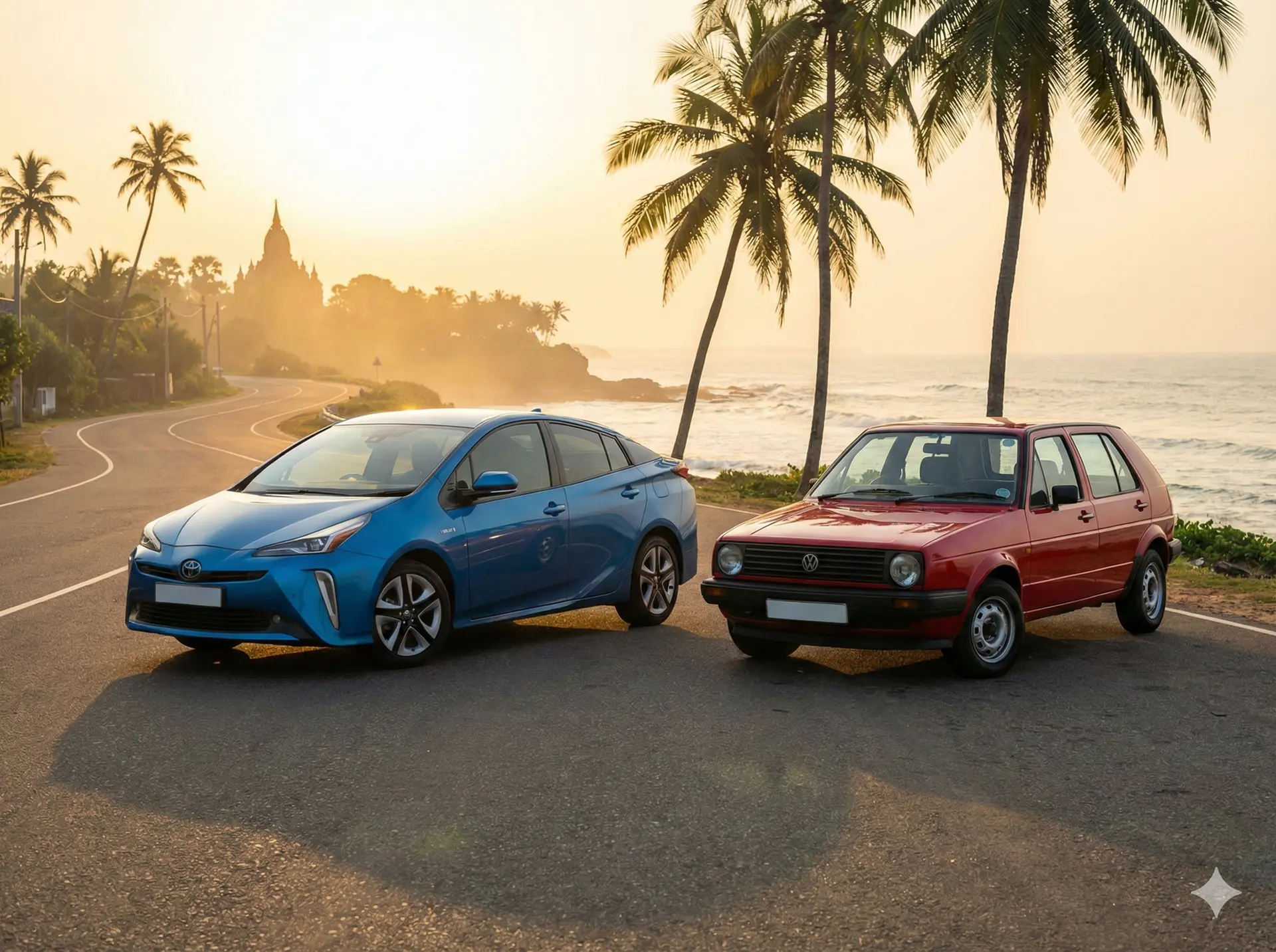
Comparing hybrid vs petrol cars in Sri Lanka for 2026. Discover real fuel costs, maintenance expenses, and which option suits your driving needs best.
The Lankawebsites editorial team curates, fact-checks, and updates guides on personal finance, property, health, immigration, legal, business, and lifestyle topics relevant to Lankawebsites readers. Articles are produced with AI assistance and reviewed by the editorial team before publication.
With petrol prices hovering around Rs. 292 per litre in February 2026, Sri Lankan drivers are increasingly questioning whether their next vehicle should be a hybrid or stick with traditional petrol . This isn't just about fuel costs—it's about understanding how each option fits our unique driving conditions, budget constraints, and long-term financial planning. The decision affects everything from your daily commute in Colombo's traffic to weekend trips through the hill country.
The automotive landscape in Sri Lanka has shifted dramatically, with hybrids now accounting for a significant portion of the used car market. But are they genuinely the smarter choice, or do petrol vehicles still hold advantages that make them worth considering? Let's break down the real costs, benefits, and practical considerations to help you make an informed decision for 2026.
Understanding Hybrid Technology
Hybrid vehicles combine a traditional petrol engine with an electric motor and battery pack, working together to maximise fuel efficiency. The electric motor handles low-speed driving—perfect for Colombo's stop-and-go traffic—whilst the petrol engine kicks in for highway speeds and acceleration .
Types of Hybrids Available in Sri Lanka
The most common hybrids in our market are non-plug-in hybrids like the Toyota Aqua, Prius, and Honda Fit. These charge their batteries through regenerative braking and the petrol engine, requiring no external charging . Plug-in hybrids (PHEVs) are becoming more available, offering the flexibility to charge at home for pure electric driving on short trips whilst maintaining a petrol engine for longer journeys .
Newer models like Nissan's e-POWER system function as series hybrids, where the petrol engine only generates electricity and never directly drives the wheels. The 2026 Kia Sorento Hybrid recently launched in Sri Lanka represents the latest evolution of this technology, offering powerful performance with improved efficiency .
Initial Purchase Costs: The Import Tax Reality
Understanding vehicle costs in Sri Lanka means understanding our tax structure. As of February 2026, all imported vehicles face a 20% Customs Import Duty (CID) plus a 50% surcharge on that duty, effectively making the base import tax 30% of the CIF value . Beyond this, excise duties, luxury taxes, and 18% VAT significantly increase the final price .
Tax Treatment of Hybrids vs Petrol
Non-plug-in hybrids and petrol vehicles face similar excise duty rates based on engine capacity and age. However, luxury tax thresholds differ—petrol vehicles face luxury tax on CIF values exceeding Rs. 3.5 million, whilst non-plug-in hybrids have a threshold of Rs. 5 million . This gives hybrids a slight advantage in the mid-range price segment.
In the used car market, popular hybrids are readily available. A 2012 Toyota Aqua typically sells for Rs. 7-7.5 million, whilst a 2014 Prius ranges from Rs. 10-11 million . Comparable petrol models often cost slightly less initially, but this gap narrows when you factor in long-term running costs.
Fuel Efficiency: Where Hybrids Shine
This is where hybrids demonstrate their clearest advantage. Real-world data from Sri Lankan owners shows impressive figures that translate directly to rupee savings.
Real Sri Lankan Fuel Economy
A Toyota Prius C (Aqua) owner reports covering approximately 600 kilometres on a single 30-litre tank—that's about 20 km/litre in mixed driving . The Toyota Prius achieves up to 56 mpg (approximately 23.8 km/litre) in optimal conditions, whilst the Honda Fit Hybrid delivers slightly lower but still impressive figures around 20-22 km/litre .
Compare this to typical petrol vehicles, which average 10-14 km/litre in Sri Lankan conditions. At current fuel prices of Rs. 292 per litre , the monthly savings are substantial. A driver covering 1,000 km monthly would spend approximately Rs. 14,600 in a hybrid achieving 20 km/litre, versus Rs. 24,333 in a petrol car achieving 12 km/litre—a monthly saving of nearly Rs. 10,000.
Where Hybrids Excel
Hybrids deliver maximum efficiency in stop-and-go traffic, making them ideal for Colombo's congested roads . The electric motor handles the frequent acceleration and deceleration, whilst regenerative braking recovers energy that would otherwise be wasted. This efficiency advantage diminishes somewhat on sustained highway driving, but hybrids still typically outperform petrol equivalents .
Maintenance and Long-Term Costs
Whilst hybrids save significantly on fuel, potential buyers must consider maintenance costs and the eventual battery replacement expense.
Routine Maintenance
Regular hybrid maintenance isn't dramatically different from petrol vehicles. One long-term Prius C owner reports servicing twice yearly at Toyota, costing approximately Rs. 30,000 per service . This aligns with maintenance costs for quality petrol vehicles. Hybrids actually experience less brake wear due to regenerative braking, potentially saving on brake replacements .
However, hybrid-specific maintenance requires qualified technicians familiar with high-voltage systems. Authorised service centres charge premium rates, and not all independent mechanics have the expertise or equipment for hybrid repairs . This can limit your servicing options compared to conventional petrol vehicles.
The Battery Question
Hybrid battery longevity is a primary concern for potential buyers. Modern hybrid batteries typically last 6-10 years with proper maintenance, though many exceed this with regular conditioning . When replacement becomes necessary, costs range from Rs. 298,000 for a reconditioned Toyota Aqua battery to Rs. 550,000 for larger models like the Prius or Harrier .
That one Prius C owner mentioned earlier spent Rs. 450,000 on brake pump repairs at Toyota after owning the vehicle since 2015, but the battery itself remained functional . This suggests that with proper maintenance, batteries can outlast other major components. Battery reconditioning services like BatteryLab offer 2-year/100,000 km warranties on replacement batteries, providing reasonable protection .
Performance and Driving Experience
Beyond numbers, how do hybrids and petrol vehicles actually drive in Sri Lankan conditions?
Urban Driving
Hybrids excel in city environments. The instant torque from electric motors provides smooth, effortless acceleration from standstill—perfect for merging into traffic or navigating tight parking situations . The quiet operation at low speeds creates a more refined driving experience, reducing driver fatigue in heavy traffic.
Petrol vehicles offer more traditional, responsive acceleration and many drivers prefer the direct engine feedback. They're simpler systems without the complexity of dual powertrains, which some drivers find reassuring .
Hill Country and Long-Distance Travel
Modern hybrids handle Sri Lanka's varied terrain comfortably, including the hills of Kandy and Nuwara Eliya. Whilst they're optimised for efficiency rather than raw power, models like the Honda Fit Hybrid provide sufficient performance for overtaking and climbing gradients . The petrol engine provides additional power when needed, ensuring you're never left struggling on inclines.
For sustained highway driving, the efficiency advantage of hybrids narrows but doesn't disappear. The seamless transition between electric and petrol power maintains a comfortable cruising experience .
Environmental Considerations
For environmentally conscious buyers, the choice extends beyond personal finances to our collective impact on Sri Lanka's air quality and environment.
Emissions Reduction
Hybrids produce significantly lower emissions than petrol equivalents, particularly in urban driving where the electric motor handles much of the work . This contributes to cleaner air in cities like Colombo, where vehicle emissions are a growing concern. By choosing a hybrid, you're actively reducing your carbon footprint whilst exploring our island's natural beauty .
Whilst not zero-emission like pure electric vehicles, hybrids represent a practical middle ground for drivers concerned about environmental impact but not ready for the charging infrastructure requirements of EVs .
Resale Value and Market Demand
The strong used hybrid market in Sri Lanka indicates healthy resale values. Toyota hybrids particularly maintain their value well, with consistent demand evident on platforms like ikman.lk . The fuel efficiency reputation of models like the Aqua and Prius ensures they remain attractive to second-hand buyers.
Petrol vehicles, especially popular Japanese brands, also retain reasonable resale values. However, as fuel prices remain elevated and environmental awareness grows, the resale advantage may increasingly favour hybrids. The abundance of 817+ Toyota hybrid listings on ikman demonstrates robust market liquidity .
Which Should You Choose?
The hybrid versus petrol decision depends on your specific circumstances, driving patterns, and financial priorities.
Choose a Hybrid If:
- You drive frequently in urban traffic where hybrids maximise efficiency
- You cover significant monthly distances (1,000+ km) where fuel savings accumulate quickly
- You plan to keep the vehicle long-term, allowing fuel savings to offset the higher initial cost
- Environmental impact matters to you and you want to reduce emissions
- You have access to qualified hybrid service centres
Choose Petrol If:
- Your budget is tight and you need the lowest possible purchase price
- You drive primarily on highways where hybrid advantages are less pronounced
- You prefer the simplicity and wider service availability of conventional vehicles
- You're concerned about battery replacement costs on older vehicles
- Your annual mileage is low (under 10,000 km) where fuel savings won't justify the premium
Financial Break-Even Analysis
Let's consider a practical example. If a hybrid costs Rs. 1 million more than a comparable petrol vehicle, and you save Rs. 10,000 monthly on fuel, you'll break even after approximately 100 months (8.3 years) on fuel savings alone. Factor in potentially lower brake maintenance costs and the calculation becomes more favourable. However, if battery replacement becomes necessary, that expense delays the break-even point.
For high-mileage drivers covering 2,000 km monthly, the savings double to Rs. 20,000 monthly, achieving break-even in about 50 months (4.2 years). This makes hybrids financially compelling for taxi drivers, sales representatives, and others who drive extensively.
The 2026 Market Reality
The February 2026 import policy maintains the 50% customs duty surcharge for one year, keeping vehicle prices elevated . This affects both hybrids and petrol vehicles equally, but the higher fuel prices make efficiency more valuable than ever. With Octane 92 at Rs. 292 per litre and diesel at Rs. 277 per litre , running costs remain a significant consideration for all vehicle owners.
New hybrid models continue entering the market, with manufacturers like Kia launching updated models specifically for Sri Lanka . This growing selection provides more options across price points, whilst the robust used market offers accessible entry points for budget-conscious buyers.
Making Your Decision
Start by honestly assessing your driving patterns. Calculate your monthly mileage and typical driving conditions. Research the specific models you're considering—don't assume all hybrids or all petrol vehicles perform identically. Request fuel consumption data from current owners and check online forums for real-world experiences.
Inspect battery health carefully when buying used hybrids. Request service records and consider having a qualified mechanic assess the battery condition before purchase. Budget for eventual battery replacement on older vehicles, even if the current battery appears healthy.
Test drive both hybrid and petrol options in conditions matching your typical use. Experience the difference in urban traffic and on open roads. Visit authorised service centres to understand maintenance costs and availability in your area. Factor the complete ownership picture—not just the sticker price, but fuel, maintenance, potential repairs, and eventual resale value.
For most Sri Lankan drivers covering moderate to high monthly distances, particularly those navigating urban traffic regularly, hybrids offer compelling long-term value despite higher upfront costs. The fuel savings are real and substantial, environmental benefits are meaningful, and the driving experience suits our conditions well. However, if you're on a tight budget, drive primarily on highways, or cover minimal annual distance, a quality petrol vehicle remains a sensible, economical choice. The right answer depends on your unique situation—now you have the information to decide wisely.
Frequently Asked Questions
Sources & References
-
1
Kia Launches 2026 Sorento Hybrid in Sri Lanka — www.kia.lk
-
2
Hybrid & EV Buying Guide for Sri Lanka — www.lankawebsites.com
-
3
Why Hybrids Are a Smart Choice for Sri Lanka Travel — www.rofi.lk
-
4
Sri Lanka Fuel Prices January 2026 — economynext.com
-
5
Sri Lanka Vehicle Import Tax Calculator 2025 — www.wealthyislander.com
-
6
Best Hybrid Vehicles for Sri Lanka Road Trips — www.rofi.lk
-
7
Sri Lanka Fuel Prices February 2026 — www.onlanka.com
-
8
Sri Lanka 50% Vehicle Import Duty Surcharge 2026 — economynext.com
-
9
Long-term Hybrid Vehicle Usage in Sri Lanka - Reddit Discussion — www.reddit.com
-
10
Auto Hybrid Repair Services - Mr. Paint Sri Lanka — www.mrpaintauto.lk
-
11
Most Popular Hybrid Cars in Sri Lanka — blog.ikman.lk
-
12
Toyota Hybrid Battery Prices in Sri Lanka - BatteryLab — batterylab.lk
-
13
Toyota Hybrid Cars for Sale in Sri Lanka — ikman.lk
-
14
Eco-Friendly Travel in Sri Lanka with Hybrids — www.rofi.lk
-
15
Benefits of Hybrid Vehicles for Sri Lanka Travel — www.rofi.lk
Related Articles
Best Engine Oils for Sri Lankan Roads in 2026: Comparisons and Recommendations
Driving on Sri Lanka's roads means battling heat, humidity, dust from the dry zones, and heavy traffic in Colombo. With temperatures often soaring above 30°C and our tropical climate accelerating engi
Preparing Your Car for Sri Lanka's 2026 Southwest Monsoon
Protect your vehicle from monsoon damage with this comprehensive preparation guide for Sri Lanka's 2026 southwest monsoon season.
Top Mechanics in Colombo for 2026 Car Servicing
Discover Colombo's most trusted mechanics for 2026, from DIMO and Sterling to independent workshops. Get expert tips on choosing reliable car service.
Spare Tyre Maintenance Tips to Avoid Sri Lankan Road Emergencies
Master spare tyre maintenance to avoid roadside emergencies in Sri Lanka. Monthly checks, proper storage, and expert tips to keep you safe on our roads.