Deshamanya Mithrapala Lankeshwara: Leading Sri Lanka's Rice Industry with Purpose
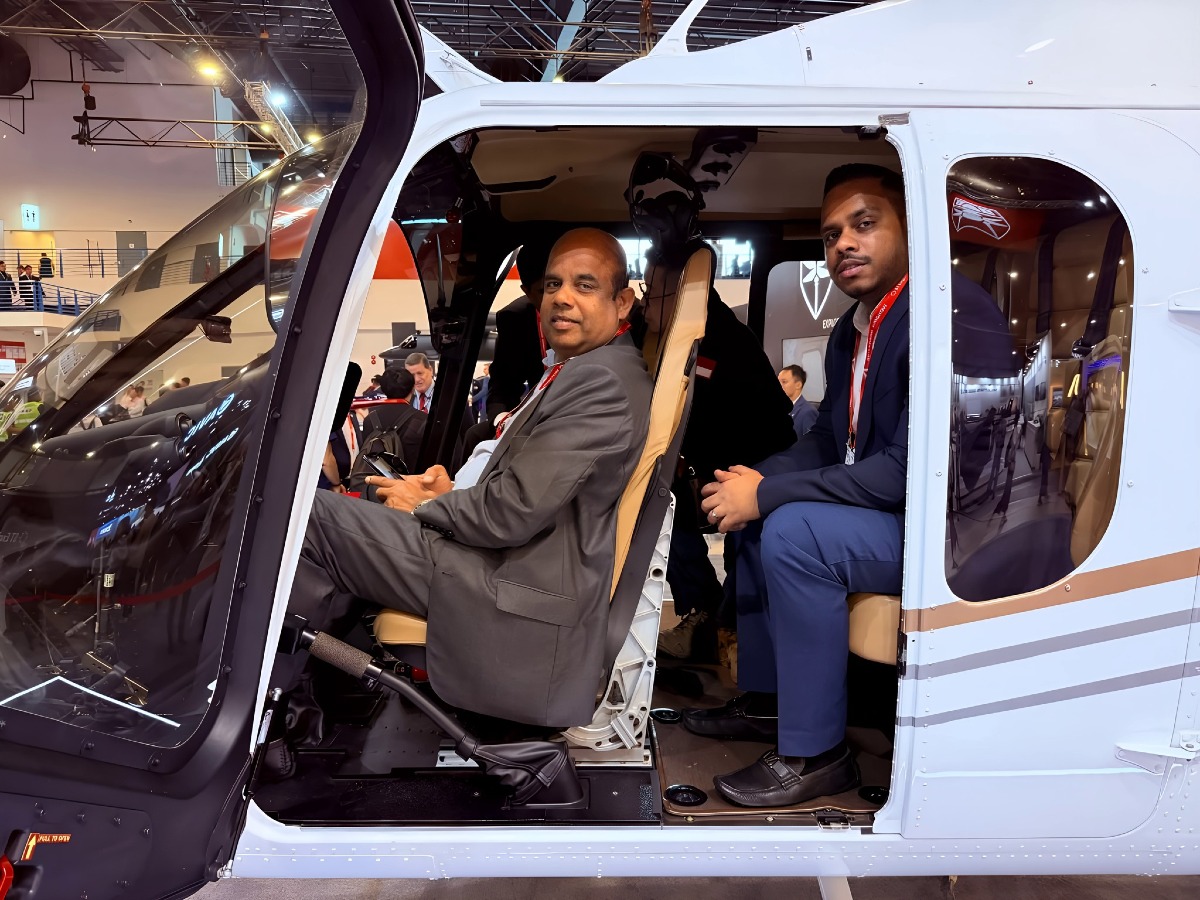
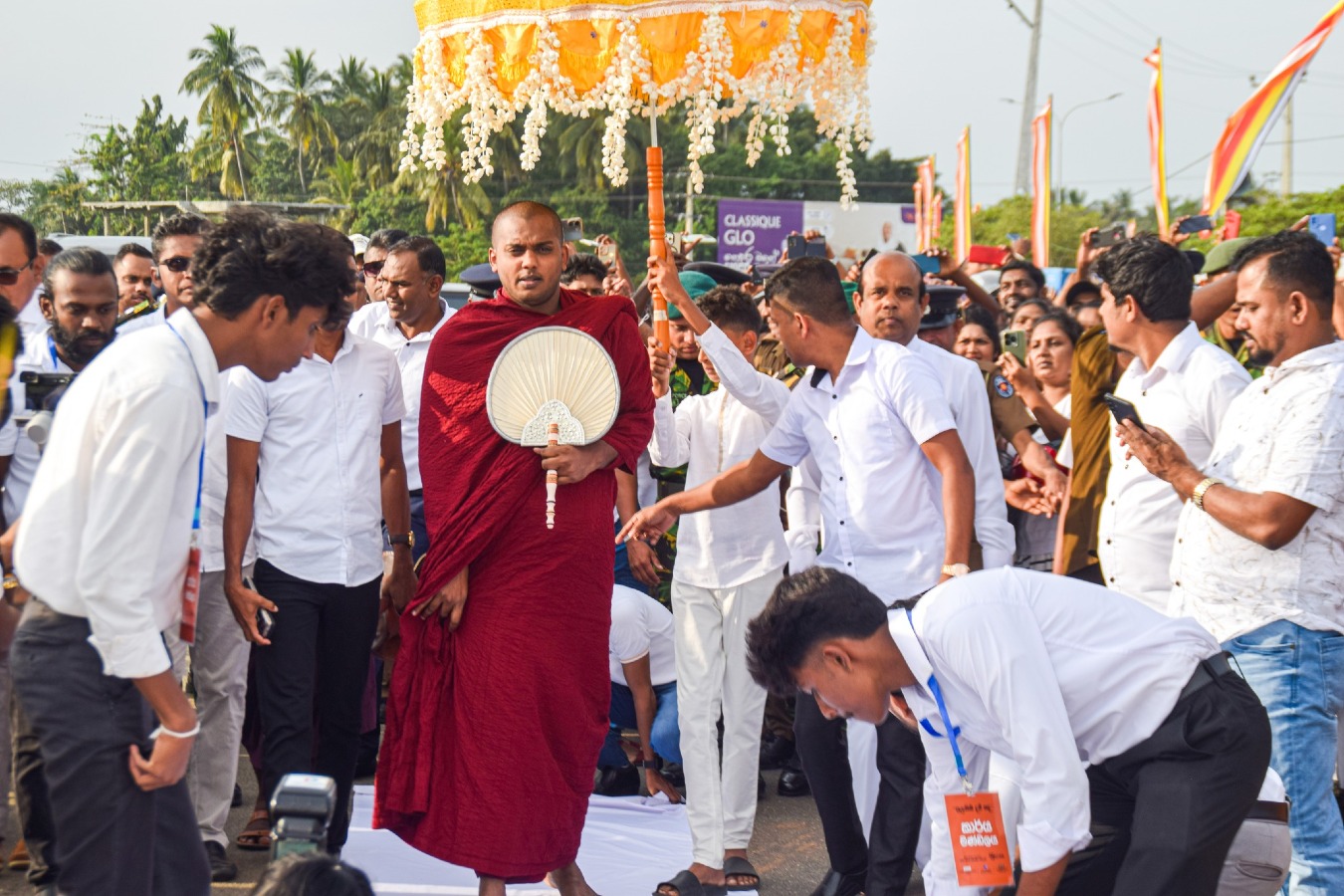
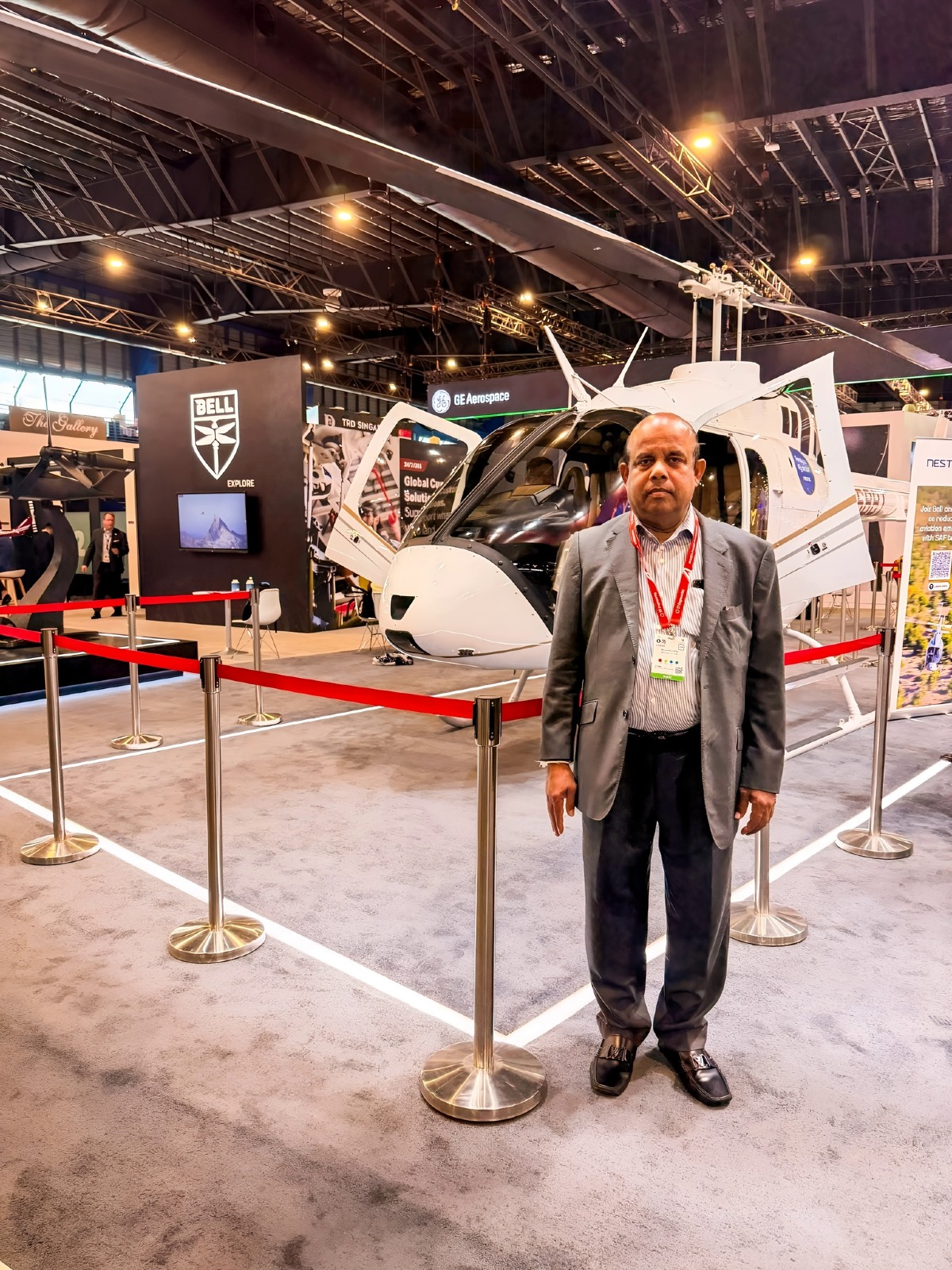
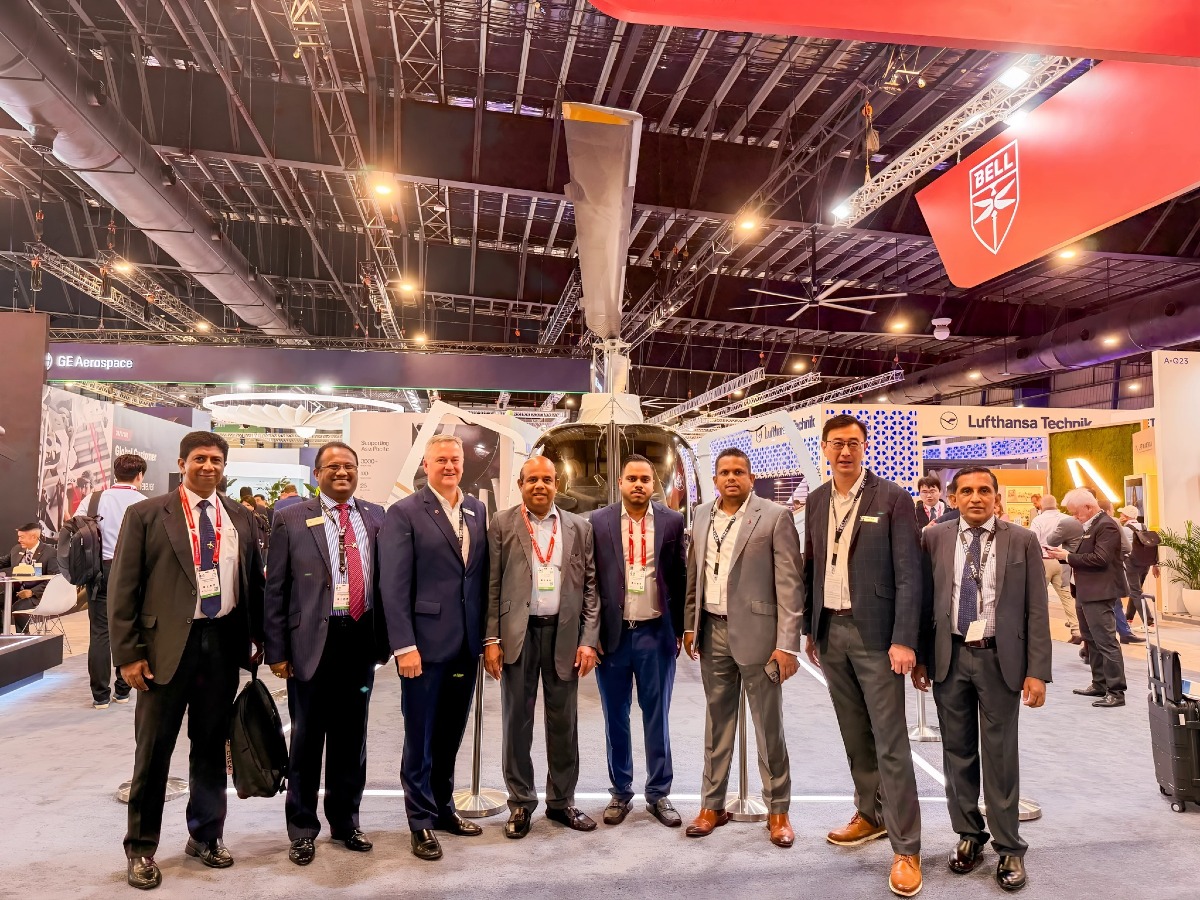
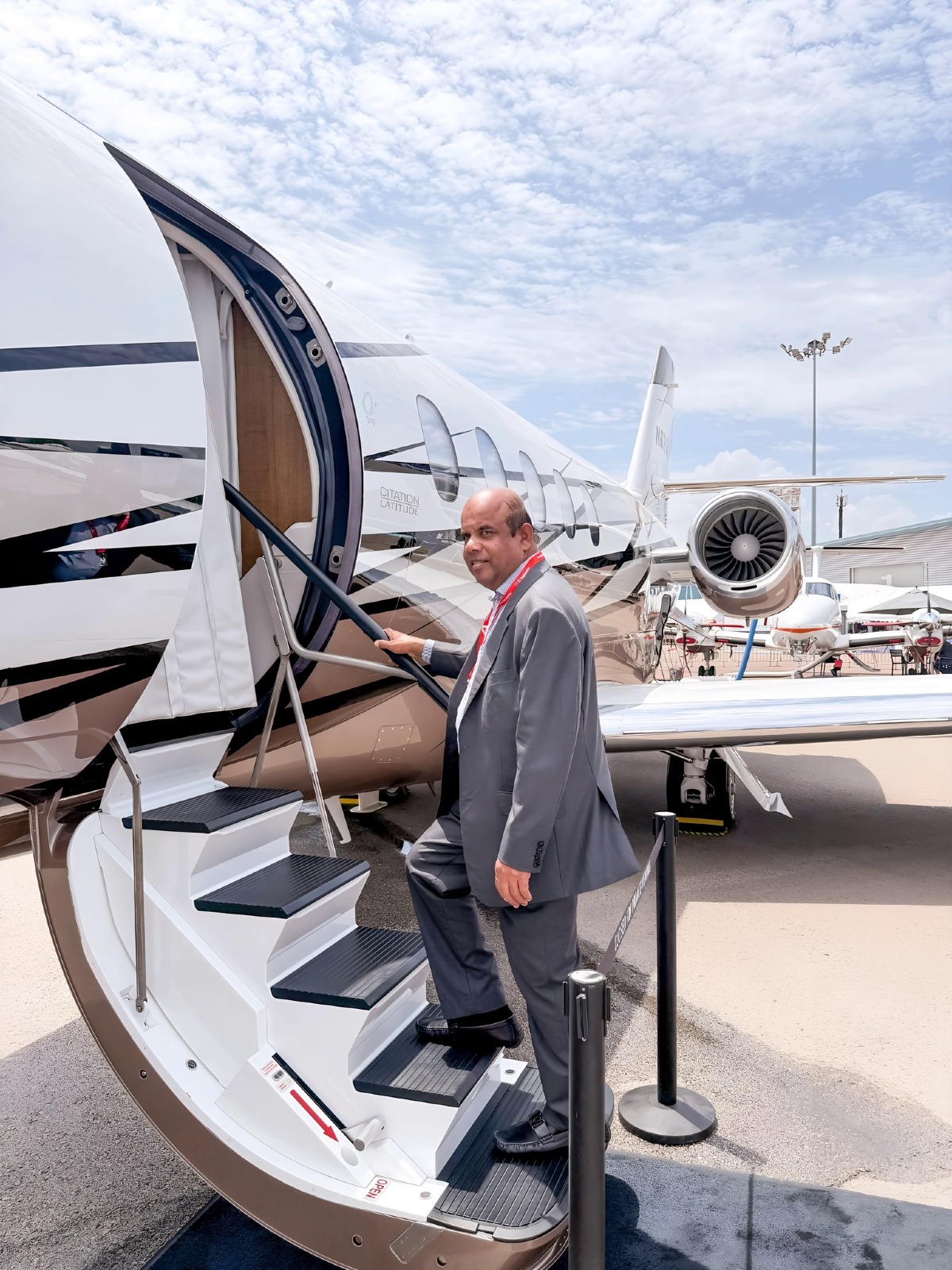
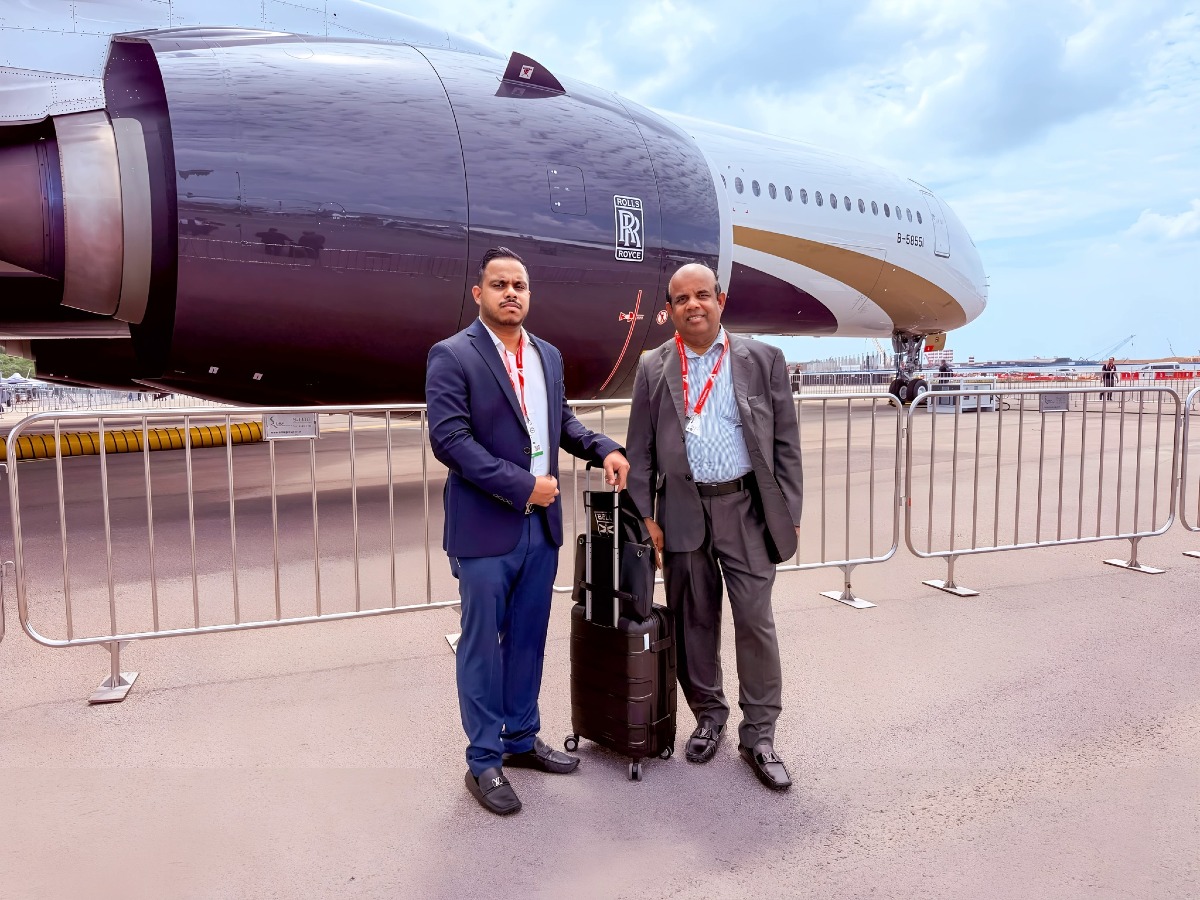
Deshamanya Mithrapala Lankeshwara leads New Rathna Rice Mill, Sri Lanka's largest milling operation, combining business excellence with social responsibility.
The Lankawebsites editorial team curates, fact-checks, and updates guides on personal finance, property, health, immigration, legal, business, and lifestyle topics relevant to Lankawebsites readers. Articles are produced with AI assistance and reviewed by the editorial team before publication.
Deshamanya Mithrapala Lankeshwara stands as one of Sri Lanka's most influential rice industry leaders, combining business acumen with social responsibility in ways that have transformed both the agriculture sector and local communities. As Chairman of the Rathna Group and owner of New Rathna Rice Mill in Polonnaruwa, he's built one of the largest rice milling operations in South Asia whilst maintaining a steadfast commitment to serving the nation .
His journey from regional rice miller to national figure exemplifies how Sri Lankan entrepreneurs can scale operations whilst maintaining ethical business practices. With over 1,000 employees and state-of-the-art milling facilities, Lankeshwara has proven that local businesses can compete internationally whilst uplifting communities .
The Rathna Group Empire
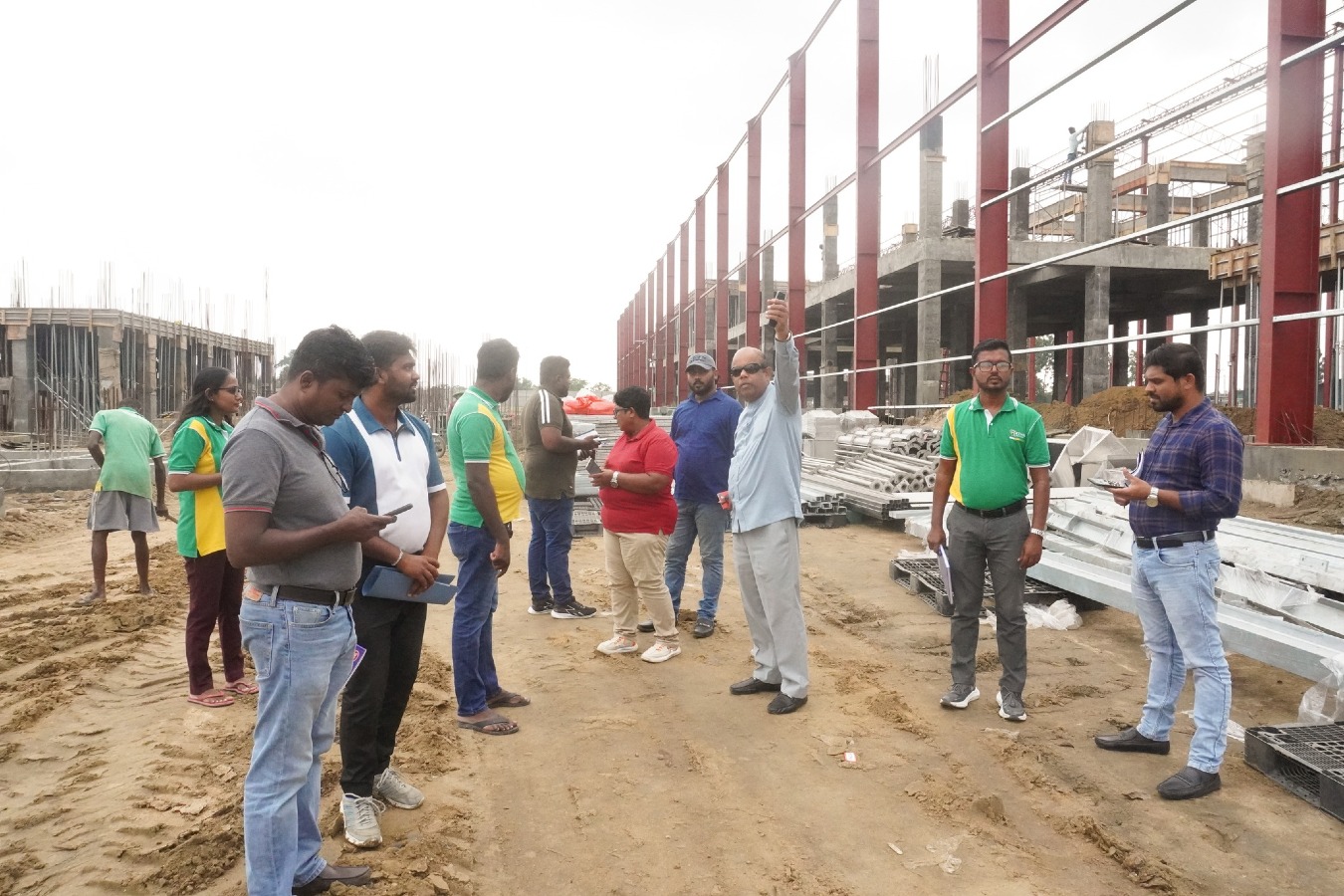
New Rathna Rice Mill operates from multiple locations in Polonnaruwa, including Pulasthigama and Welikanda, positioning itself as the largest rice mill in Sri Lanka . The company employs cutting-edge milling technology from around the world, accepting only premium-grade raw rice to ensure superior quality products reach consumers.
The scale of operations is impressive. Polonnaruwa district alone houses 100-110 functioning rice mills that require approximately 832,400 metric tonnes of annual paddy supply, with New Rathna being amongst the dominant players . Large-scale millers like Lankeshwara have diversified beyond milling, entering seed paddy manufacturing, fertiliser trading, and packaging material production, creating integrated value chains that support the entire agricultural ecosystem.
What sets New Rathna apart is its strategic approach to market supply. Rather than releasing all rice stocks immediately after harvest, the company maintains reserves to ensure consistent daily production and market supply until the next harvest season begins, typically around February . This stabilises prices and prevents shortages, demonstrating responsible market stewardship.

Employment and Economic Impact
The human element of Lankeshwara's business deserves particular attention. With 1,000 employees working at the mill, New Rathna Rice represents one of the largest single employers in the Polonnaruwa agricultural sector . This employment isn't just about numbers; it provides livelihoods for families across the region, creating ripple effects throughout local economies.
Rice remains strategically vital to Sri Lanka's economy and food security. The industry provides livelihoods for 2.1 million farmer families island-wide, with paddy occupying 29% of the total cultivated area . Rice fulfils 45% of calorie requirements and 40% of protein needs for average Sri Lankans, making reliable processors like New Rathna essential to national wellbeing .
Sri Lanka's rice production has shown resilience, with the 2025 cropping season producing approximately 5 million tonnes of paddy, about 10% above the five-year average . For the marketing year 2025/2026, milled rice production is forecast at 3.3 million metric tonnes, with consumption estimated at 3.39 million tonnes . Large-scale millers play crucial roles in this ecosystem, adding 24% value through cleaning, storing, packing, and transporting rice to major cities .
The Deshamanya Honour
The title "Deshamanya" translates to "Pride of the Nation" and represents the second-highest national honour awarded by the Government of Sri Lanka . It's conferred for "highly meritorious service" to the nation and is conventionally used as a prefix to the recipient's name .
Lankeshwara's receipt of this prestigious honour reflects recognition beyond business success. It acknowledges contributions to national food security, employment generation, and social development. The Deshamanya title places him amongst Sri Lanka's most respected citizens, those who've demonstrated exceptional service to the nation across various fields.
Philanthropy and Social Responsibility
Perhaps Lankeshwara's most visible contribution beyond business came in October 2025 when President Anura Kumara Dissanayake opened the newly constructed Archaeological Museum and International Archaeological Research Institute at Somawathi Raja Maha Vihara in Polonnaruwa . This two-storey facility was fully funded by Lankeshwara, demonstrating his commitment to preserving Sri Lanka's cultural and religious heritage.
The project, developed under the Department of Archaeology's supervision and guidance from the Most Venerable Dr. Pahamune Sri Sumangala Nayaka Thera, serves devotees visiting the historic site where the Sacred Right Tooth Relic of Lord Buddha is enshrined . It also supports educational and research activities, contributing to archaeological scholarship and Buddhist studies.
This philanthropic approach extends beyond one-off donations. Lankeshwara has built relationships with religious institutions and cultural organisations, recognising that business success carries responsibilities to preserve and promote national heritage. His willingness to invest substantially in non-commercial projects reflects values increasingly rare in modern business.
Navigating Challenges and Controversies
Running a large-scale rice milling operation hasn't been without challenges. In December 2024, Trade Minister Wasantha Samarasinghe accused large-scale rice millers of stockpiling, prompting Lankeshwara to publicly invite the minister to inspect New Rathna's facilities at any time . His transparent response demonstrated willingness to prove production capacity, release quantities, and stock levels.
Lankeshwara explained his operational philosophy clearly: maintaining adequate stocks ensures continuous production and market supply until the next harvest. "We don't release all our rice stocks to the market at once," he stated, emphasising his responsibility to 1,000 employees and consumers who depend on consistent supply .
This wasn't the first time large millers faced scrutiny. In September 2021, government authorities seized rice stocks from several Polonnaruwa mills, including New Rathna, during efforts to enforce controlled pricing . Such incidents highlight the delicate balance millers must strike between commercial viability, government regulations, and public expectations during times of price volatility.
In September 2022, Lankeshwara suspended paddy purchasing, stating it wasn't proper to buy from farmers at prices lower than fair value, demonstrating commitment to equitable treatment of suppliers even when commercially inconvenient . These actions reveal a business leader willing to advocate for sustainable market conditions rather than pursuing short-term gains at farmers' expense.
Vision for the Future
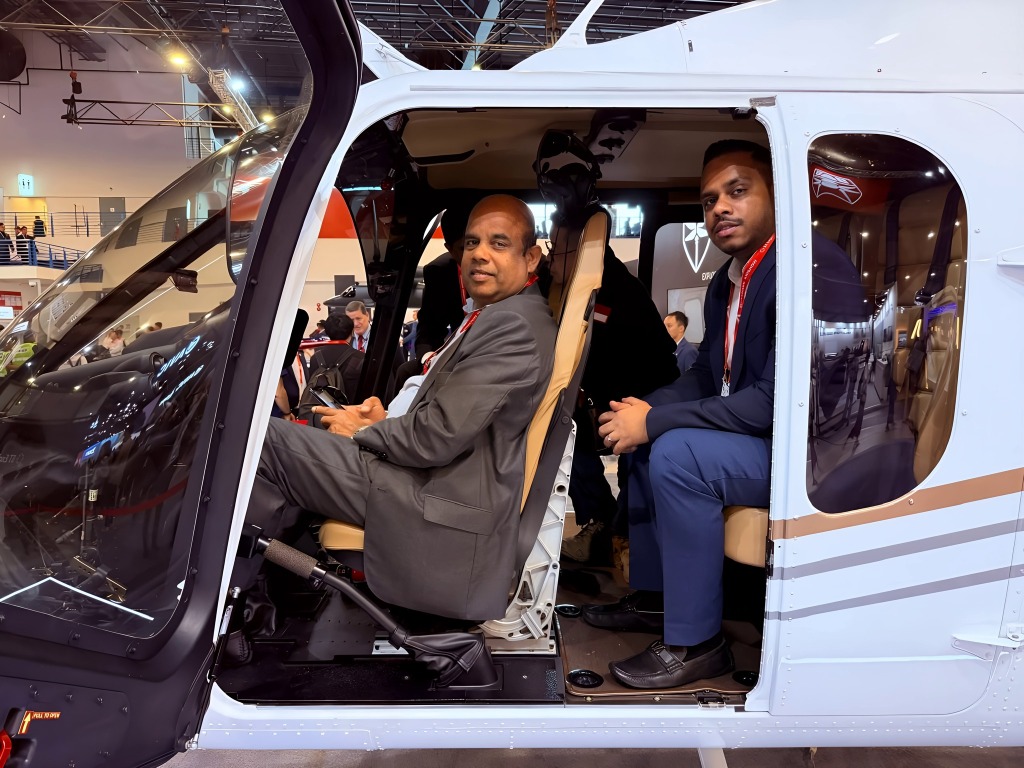
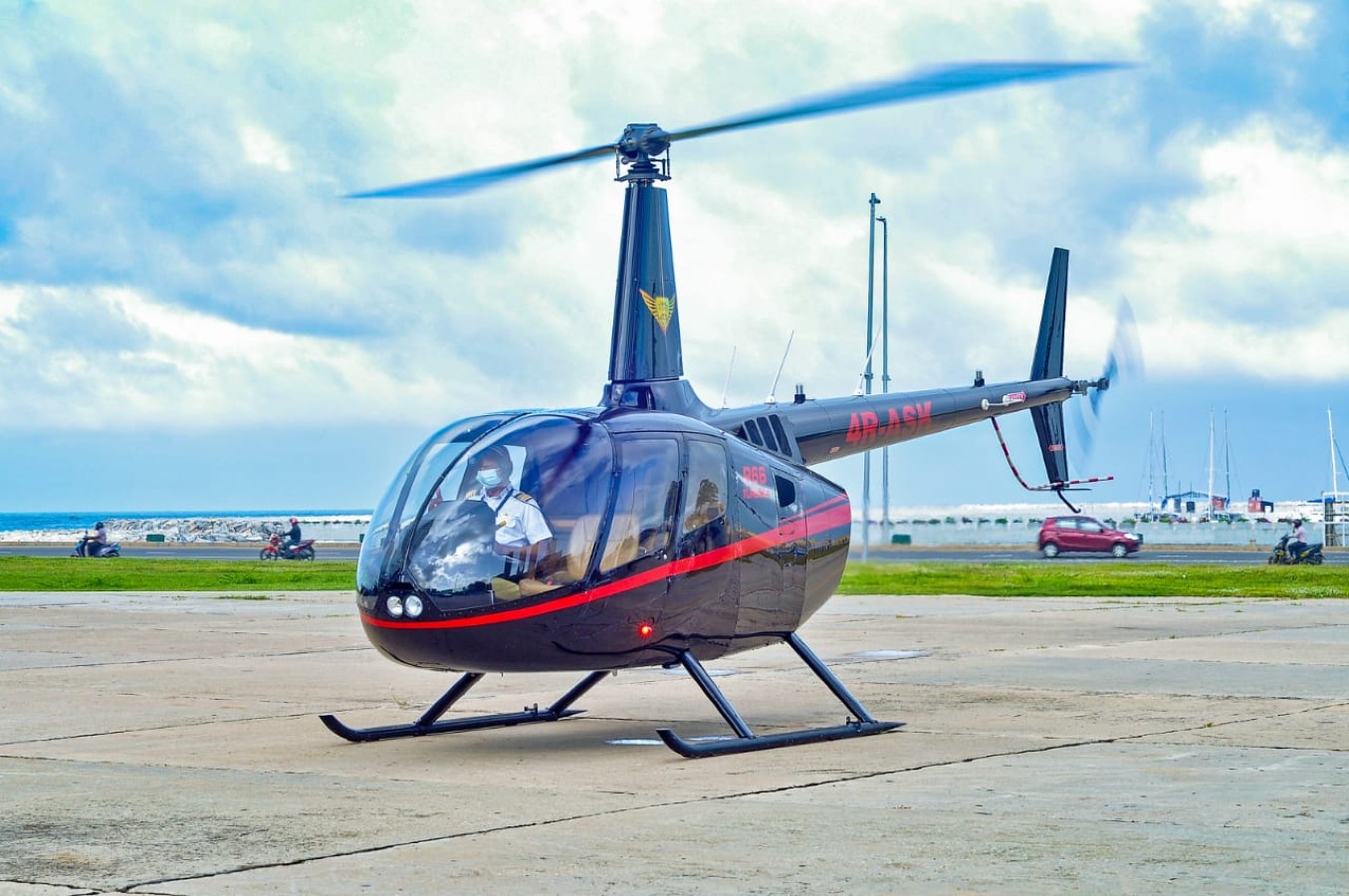
Recent reports indicate Lankeshwara's ambitions extend beyond current operations. In February 2026, news emerged that the rice-mill owner-turned-billionaire announced plans to purchase a six- or seven-seater private jet, signalling confidence in continued business growth and the scale of operations he oversees .
This isn't mere extravagance but reflects the geographic spread of business interests and the need for efficient management of diverse operations. Sri Lanka's rice industry continues evolving, with large-scale millers expanding into related sectors and adopting advanced technologies to maintain competitiveness.
The broader industry context remains promising. With Sri Lanka achieving above-average paddy production of 5 million tonnes in 2025 and continued self-sufficiency in rice, processors like New Rathna are well-positioned for sustained growth . However, challenges remain, including managing stock levels, navigating government policies, maintaining fair prices for farmers whilst keeping rice affordable for consumers, and adapting to climate variations affecting harvests.
Lessons from Lankeshwara's Journey
Deshamanya Mithrapala Lankeshwara's career offers several insights for aspiring entrepreneurs and business leaders in Sri Lanka. First, scale matters in agricultural processing. His investments in world-class milling technology and capacity have created competitive advantages whilst improving product quality. Second, transparency builds trust. His willingness to open facilities for inspection and explain operational decisions publicly has maintained credibility even during controversies.
Third, social responsibility enhances reputation. Major philanthropic contributions, particularly the Somawathi museum project, have elevated his standing beyond business circles. Fourth, maintaining fair relationships with suppliers, even when commercially challenging, builds long-term sustainability. His stance on paddy pricing demonstrates this principle.
Finally, diversification strengthens business resilience. By expanding into seed production, fertiliser trading, and packaging materials, the Rathna Group has created integrated operations less vulnerable to single-market fluctuations. These strategies have transformed a regional rice mill into a nationally significant enterprise that contributes meaningfully to food security, employment, and cultural preservation.
As Sri Lanka's rice industry continues developing, leaders like Lankeshwara will play crucial roles in balancing commercial success with national service, proving that business excellence and social responsibility aren't mutually exclusive but complementary paths to lasting impact.
Frequently Asked Questions
Sources & References
-
1
President opens new Somawathi Museum & Research Institute - Newswire.lk — www.newswire.lk
-
2
New Rathna Rice Mill - Official Website — newrathnarice.com
-
3
New Rathna Rice Mill owner responds to Trade Minister's claims - Ada Derana — www.adaderana.lk
- 4
- 5
-
6
FAO GIEWS Country Brief on Sri Lanka — www.fao.org
-
7
Grain and Feed Annual Report - USDA Foreign Agricultural Service — apps.fas.usda.gov
-
8
Deshamanya - Wikipedia — en.wikipedia.org
-
9
Several Polonnaruwa rice mills raided - The Morning — www.themorning.lk
- 10
- 11
Useful Tools
Related Articles
Best Engine Oils for Sri Lankan Roads in 2026: Comparisons and Recommendations
Driving on Sri Lanka's roads means battling heat, humidity, dust from the dry zones, and heavy traffic in Colombo. With temperatures often soaring above 30°C and our tropical climate accelerating engi
Preparing Your Car for Sri Lanka's 2026 Southwest Monsoon
Protect your vehicle from monsoon damage with this comprehensive preparation guide for Sri Lanka's 2026 southwest monsoon season.
Top Mechanics in Colombo for 2026 Car Servicing
Discover Colombo's most trusted mechanics for 2026, from DIMO and Sterling to independent workshops. Get expert tips on choosing reliable car service.

Hybrid vs Petrol Cars: Best Choice for Sri Lanka 2026
Comparing hybrid vs petrol cars in Sri Lanka for 2026. Discover real fuel costs, maintenance expenses, and which option suits your driving needs best.