Ancient Port Cities: Manthai and Gokanna
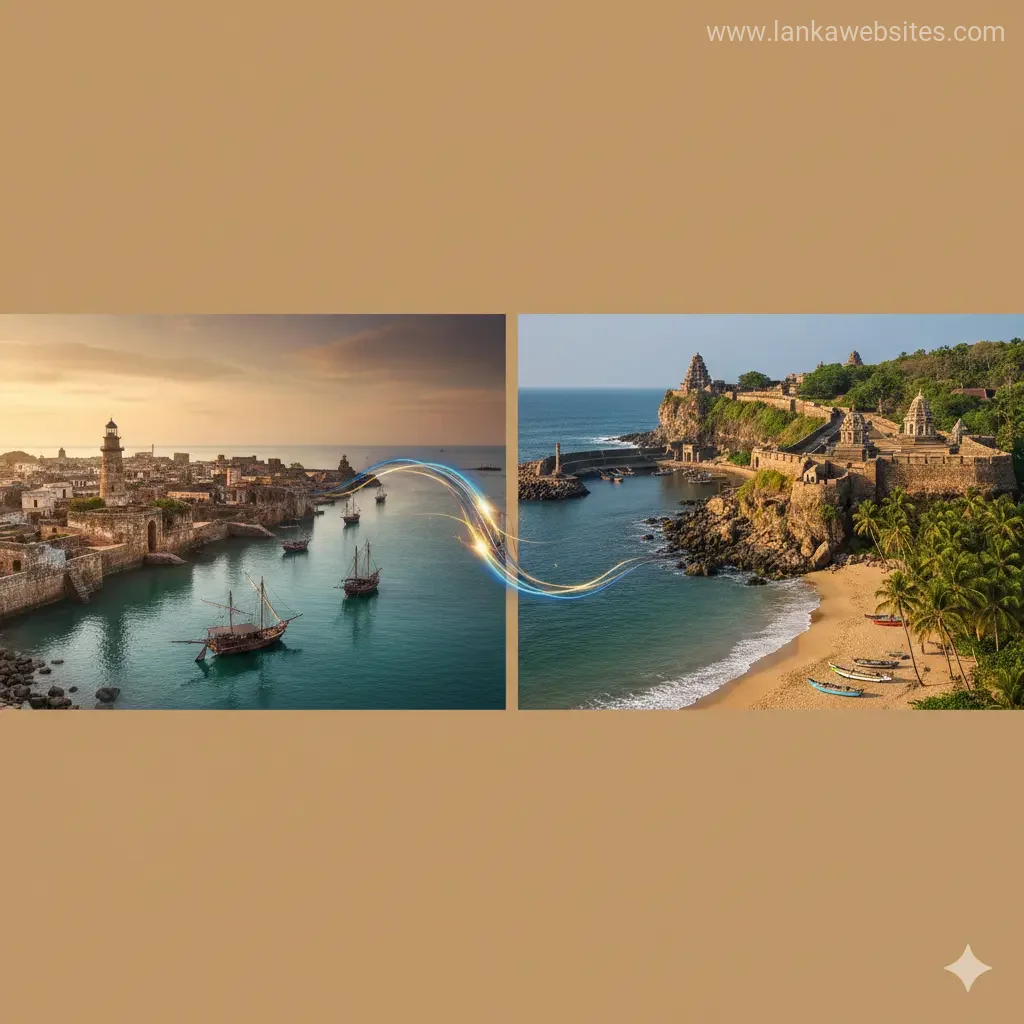
Imagine standing on the windswept shores of Mannar, where the whispers of ancient traders still echo through the ruins. **Manthai** and **Gokanna**, two of Sri Lanka's most intriguing ancient port cit
The Lankawebsites editorial team curates, fact-checks, and updates guides on personal finance, property, health, immigration, legal, business, and lifestyle topics relevant to Lankawebsites readers. Articles are produced with AI assistance and reviewed by the editorial team before publication.
Imagine standing on the windswept shores of Mannar, where the whispers of ancient traders still echo through the ruins. **Manthai** and **Gokanna**, two of Sri Lanka's most intriguing ancient port cities, were bustling hubs on the Maritime Silk Road, connecting our island to distant lands from Rome to China. These sites offer us locals a direct link to our rich maritime heritage, and in 2026, they're more accessible than ever for exploration and study.
Manthai: The Gateway of the North-Western Coast
Perched on the northern coast in Mannar District, **Manthai** (also known as Mantai) served as a vital trade hub for nearly 2,000 years. Declared an archaeological reserve by Sri Lanka's Department of Archaeology, this horseshoe-shaped port city linked the Arabian Sea, Bay of Bengal, and India's coasts while providing a gateway to our island's interior.
Historical Significance and Trade Connections
From around 250 BC, Manthai thrived as the main seaport of the Anuradhapura Kingdom (500 BC–1017 AD). An ancient riverbed from the Malvatu Oya (Aruvi Aru in Tamil) likely facilitated river traffic to Anuradhapura, boosting trade in spices, foodstuffs, and luxury goods. Excavations in the 1980s uncovered artefacts from Persia, East Asia, Rome, and beyond, revealing cultural exchanges along the Maritime Silk Road.
Roman coins from the 4th and 5th centuries CE, including Indo-Roman imitations, highlight the port's role in Western trade. As Mannar was a key stop on routes from Persia to East Asia, Manthai's strategic location made it indispensable.
Challenges and Modern Preservation Efforts
Civil war disruptions from 1983 halted major digs, and today, unauthorised constructions threaten the site. Recent 2024 studies using photogrammetry and satellite imagery detect these changes, urging protection. The Department of Archaeology enforces Antiquities Ordinance No. 9 of 1998, prohibiting unauthorised building on reserves—fines up to Rs. 50,000 apply, with penalties rising in 2026 updates.
For us locals, reporting violations is straightforward: contact the Mannar Divisional Secretariat or the Department's hotline (011-2698022).
Gokanna: The Eastern Port of Forgotten Glory
Though less excavated than Manthai, **Gokanna** (modern Trincomalee area) emerged as a crucial eastern port, especially post-1000 AD with Polonnaruwa's rise. Known in ancient texts as a natural harbour, it complemented southern ports like Godavaya in maritime networks.
Role in Eastern Trade and Maritime History
Gokanna's deep bay sheltered ships during monsoons, drawing merchants from India and Southeast Asia. Linked to boat-building and bead trade, it supported local commerce before colonial shifts. While direct excavations are sparse, regional finds like Indian ceramics suggest vibrant activity.
In the Anuradhapura era, Gokanna likely handled overflow from Manthai, trading spices and gems—key to our economy even today.
Archaeological Insights and Ongoing Research
Unlike Manthai's detailed 1980s reports, Gokanna's story relies on textual and coastal evidence. 2026 initiatives by the Central Cultural Fund (CCF) include geophysical surveys, inviting local volunteers via ccf.gov.lk.
Comparing Manthai and Gokanna: Twin Pillars of Ancient Sri Lanka
| Aspect | Manthai | Gokanna |
|---|---|---|
| Location | Mannar, North-West | Trincomalee, East |
| Peak Period | 250 BC–1000 AD (Anuradhapura) | Post-1000 AD (Polonnaruwa) |
| Key Trade | Maritime Silk Road, Roman coins | Monsoon shelter, regional ceramics |
| Modern Status | Archaeological reserve, under threat | Natural harbour, survey potential |
This table shows how **Manthai and Gokanna** balanced our island's trade, west and east.
Visiting These Ancient Port Cities in 2026: Practical Tips for Locals
Exploring these sites is easier with improved roads post-war. Here's actionable advice:
- Manthai Access: Drive from Mannar town (15km); entry free but guided tours via Department of Archaeology (book at archaeology.gov.lk). Best Oct–Mar to avoid monsoons.
- Gokanna/ Trinco: Reach via A15 highway; visit Swami Rock for harbour views. Combine with Nilaveli beach—public buses from Colombo (Rs. 1,200, 2026 rate).
- What to Bring: Sunscreen, water, insect repellent. Download the Heritage App from play.google.com for AR reconstructions.
- Regulations: No drones without CCF permit (rs500 fee). Respect 'no-touch' rules under Antiquities Act.
- Local Guides: Hire Mannar Fishermen's Co-op members (Rs. 2,000/day) for authentic stories.
Family trips build cultural pride—schools can arrange via Education Ministry's heritage programmes.
Preserving Our Heritage: How You Can Help
We're stewards of these sites. Join community clean-ups organised by Rotary Clubs in Mannar (check rotary.org.lk/srilanka). Report encroachments to police (119) or Archaeology Dept. In 2026, UNESCO pushes for Manthai's World Heritage status—support via petitions at unesco.org.
"Mantai had been an excellent port city... a key gateway to the interior of Sri Lanka."
FAQ
1. Are Manthai and Gokanna safe to visit in 2026?
Yes, post-conflict stability and tourism boards ensure safety. Check travel advisories at tourism.gov.lk.
2. What's the difference between Manthai and Mantai?
Same site—Manthai is the Sinhala/Tamil name; Mantai in academic texts.
3. Can I excavate or collect artefacts?
No—strictly illegal under Antiquities Ordinance. Fines up to Rs. 100,000; report finds to authorities.
4. How do these ports connect to modern Sri Lanka?
They inspire Colombo Port expansions and spice exports, worth Rs. 50bn annually (2026 est.).
5. Best time for photography?
Dawn/dusk for golden light; use tripods (permitted with ID).
6. Any upcoming events?
Mannar Heritage Festival, July 2026—details at mannardc.gov.lk.
Next Steps: Discover Your Heritage Today
Plan a weekend trip to Manthai or Gokanna—pack your curiosity and camera. Follow Department of Archaeology on social media for updates, and share your photos with #AncientPortsSL. By visiting responsibly, we'll keep these ancient port cities alive for generations. Start booking via lankawebsites.com travel partners!
Related Articles

The Ancient Kingdom of Ruhuna
Introduction to the Ancient Kingdom of Ruhuna The ancient kingdom of Ruhuna, located in present-day Sri Lanka, is a fascinating piece of history that showc

The Ancient Rajarata (King's Land) Civilization
Introduction to the Ancient Rajarata Civilization The Ancient Rajarata Civilization, also known as the King's Land, is a fascinating and mysterious ancient

Guard Stones and Architectural Elements
Introduction to Guard Stones and Architectural Elements As you wander through the historic sites of New Zealand, you may have stumbled upon intriguing ston

Ancient Forest Monasteries (Aranya Senasana)
Introduction to Ancient Forest Monasteries As you wander through the lush forests of New Zealand, it's easy to imagine a sense of tranquillity and peace th