Coconut: The Tree of Life in Sri Lankan Agriculture

Introduction to Coconut: The Tree of Life As you wander through the lush landscapes of Sri Lanka, you can't help but notice the abundance of coconut trees
The Lankawebsites editorial team curates, fact-checks, and updates guides on personal finance, property, health, immigration, legal, business, and lifestyle topics relevant to Lankawebsites readers. Articles are produced with AI assistance and reviewed by the editorial team before publication.
Introduction to Coconut: The Tree of Life
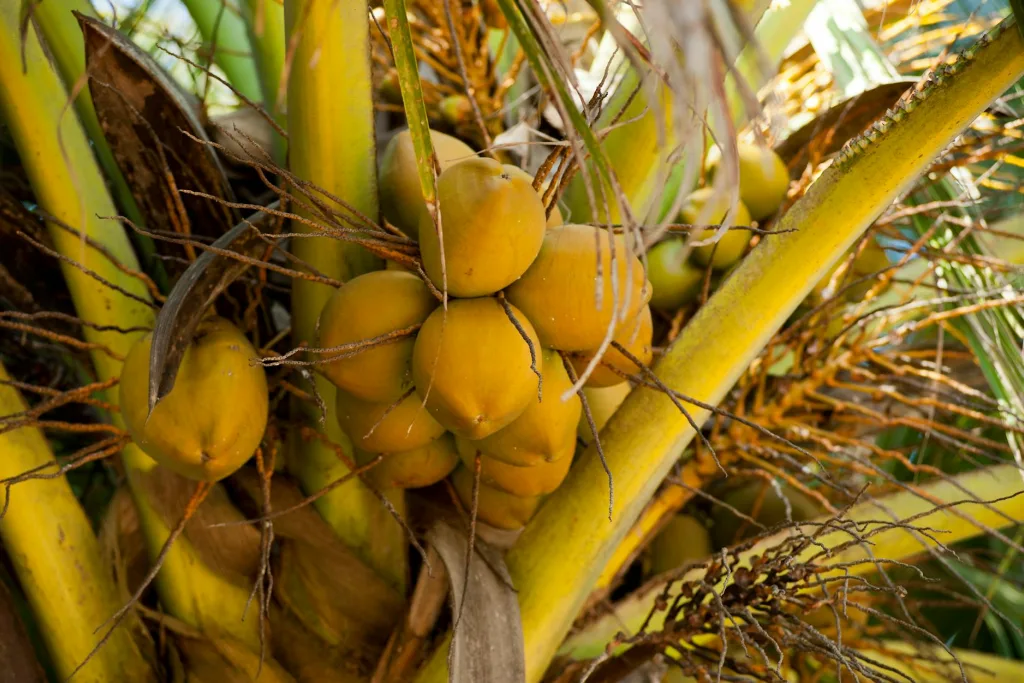
As you wander through the lush landscapes of Sri Lanka, you can't help but notice the abundance of coconut trees that dot the countryside. This versatile and highly valued crop has been a cornerstone of Sri Lankan agriculture for centuries, earning it the nickname "The Tree of Life". But what makes coconut so special, and how does it contribute to the country's economy and food security? In this article, we'll delve into the world of coconut farming in Sri Lanka, exploring its history, benefits, and practical applications.
Coconut is an incredibly versatile crop, with a wide range of uses that extend far beyond the kitchen. From food and cosmetics to medicine and construction, the coconut tree is a true marvel of nature. In Sri Lanka, coconut is a major crop that provides a livelihood for thousands of farmers and their families. The country's tropical climate and fertile soil make it an ideal place for coconut cultivation, with many farms and plantations scattered throughout the island.
As a New Zealander, you may be familiar with coconut as a popular ingredient in cooking and baking. But have you ever stopped to think about the journey that coconut takes from the tree to your table? From harvesting and processing to exporting and importing, the coconut industry is a complex and fascinating world. Whether you're a foodie, a farmer, or simply someone who's interested in learning more about sustainable agriculture, this article is for you. So let's dive in and explore the wonderful world of coconut in Sri Lankan agriculture.
History and Cultural Significance of Coconut
Coconut has been a part of Sri Lankan culture and tradition for thousands of years. The tree is mentioned in ancient texts and is considered a symbol of good luck, prosperity, and fertility. In Sri Lankan mythology, the coconut tree is said to have been created by the god of wisdom, who planted it on the island to provide for the needs of its people. Today, coconut is an integral part of Sri Lankan life, with coconuts being used in everything from cooking and medicine to rituals and ceremonies.
The coconut industry has also played a significant role in Sri Lanka's economy, with coconut exports being a major source of foreign exchange. The country's coconut industry is worth millions of dollars, with thousands of people employed in coconut farming, processing, and trading. Coconut is also a key ingredient in many traditional Sri Lankan dishes, including curries, soups, and desserts. Whether you're trying a spicy coconut curry or sipping on a refreshing coconut drink, you can't help but appreciate the unique flavour and versatility of this amazing crop.
Practical Uses of Coconut
So what are some of the practical uses of coconut? Here are just a few examples:
- Food and beverages: Coconut is a popular ingredient in cooking and baking, with uses ranging from curries and soups to cakes and desserts.
- Cosmetics and personal care: Coconut oil is a popular ingredient in skincare and haircare products, thanks to its moisturising and nourishing properties.
- Medicine and health: Coconut oil has been shown to have a range of health benefits, including reducing inflammation and improving digestion.
- Construction and crafting: Coconut husks and shells can be used to make a range of products, including ropes, mats, and decorative items.
Coconut Farming and Cultivation
Coconut farming is a labour-intensive process that requires careful planning and attention to detail. Coconut trees are typically planted in well-drained soil and full sun, with farmers using a range of techniques to promote healthy growth and maximise yields. In Sri Lanka, coconut farmers often use traditional methods, such as intercropping and crop rotation, to maintain soil fertility and control pests and diseases.
Coconut trees can take up to 10 years to mature, with the first coconuts being harvested when the tree is around 5-6 years old. The coconuts are typically harvested by hand, with farmers using long poles to pluck the fruit from the tree. The coconuts are then processed and sold to markets, both locally and internationally. Whether you're a small-scale farmer or a large commercial producer, coconut farming can be a rewarding and profitable venture.
Tips for Growing Coconut Trees
If you're interested in growing your own coconut trees, here are a few tips to get you started:
- Choose a sunny location: Coconut trees love full sun, so choose a spot that gets plenty of direct sunlight.
- Use well-drained soil: Coconut trees don't like wet feet, so make sure the soil is well-drained and fertile.
- Water regularly: Coconut trees need regular watering, especially when they're young.
- Fertilise regularly: Coconut trees benefit from regular fertilisation, especially when they're producing fruit.
Coconut Processing and Exporting
Once the coconuts have been harvested, they need to be processed and prepared for export. This can involve a range of activities, including husking, shelling, and drying. In Sri Lanka, coconut processing is a major industry, with many factories and processing plants scattered throughout the country.
The country's coconut exports are worth millions of dollars, with coconuts being shipped to markets around the world. Coconut oil, in particular, is a highly valued commodity, with many countries importing large quantities of Sri Lankan coconut oil for use in food, cosmetics, and pharmaceuticals. Whether you're a trader, a processor, or a consumer, the coconut industry is an exciting and dynamic world that's full of opportunities and challenges.
The Benefits of Fair Trade Coconut
As a consumer, you may be interested in learning more about fair trade coconut and how it can benefit farmers and communities. Fair trade coconut is certified to meet certain standards, including fair prices, decent working conditions, and sustainable farming practices. By choosing fair trade coconut, you can help support farmers and communities, while also promoting sustainable agriculture and fair trade practices.
Challenges and Opportunities in the Coconut Industry
Despite its many benefits, the coconut industry faces a range of challenges, from climate change and pests to market fluctuations and trade barriers. Coconut farmers, in particular, face many challenges, including low prices, high production costs, and limited access to markets and credit.
However, there are also many opportunities in the coconut industry, from sustainable agriculture and fair trade to innovative products and technologies. By working together, farmers, traders, and consumers can help promote a more sustainable and equitable coconut industry, one that benefits everyone involved. Whether you're a farmer, a trader, or a consumer, there are many ways to get involved and make a positive impact.
Getting Involved in the Coconut Industry
If you're interested in getting involved in the coconut industry, here are a few ways to get started:
- Learn more about coconut farming and processing: There are many resources available online, including articles, videos, and courses.
- Support fair trade coconut: Choose certified fair trade coconut products, and support farmers and communities who are working to promote sustainable agriculture and fair trade practices.
- Join a coconut farming or trading community: There are many communities and organisations that bring together farmers, traders, and consumers to promote the coconut industry and support sustainable agriculture.
Conclusion and Key Takeaways
In conclusion, coconut is a truly amazing crop that plays a vital role in Sri Lankan agriculture and economy. From its rich history and cultural significance to its practical uses and benefits, coconut is a crop that deserves our appreciation and respect. Whether you're a farmer, a trader, or a consumer, there are many ways to get involved in the coconut industry and promote sustainable agriculture and fair trade practices.
Here are the key takeaways from this article:
- Coconut is a versatile and highly valued crop: With a range of uses and benefits, coconut is an important crop that deserves our appreciation and respect.
- Sri Lanka is a major coconut producer: The country's tropical climate and fertile soil make it an ideal place for coconut cultivation, with many farms and plantations scattered throughout the island.
- Fair trade coconut is an important issue: By choosing certified fair trade coconut products, you can help support farmers and communities, while also promoting sustainable agriculture and fair trade practices.
- There are many opportunities in the coconut industry: From sustainable agriculture and fair trade to innovative products and technologies, there are many ways to get involved and make a positive impact.
We hope you've enjoyed this article and have learned something new about the wonderful world of coconut. Whether you're a foodie, a farmer, or simply someone who's interested in learning more about sustainable agriculture, we encourage you to get involved and make a positive impact in the coconut industry.
Related Articles

Spice Gardens: Cinnamon, Pepper, and Cardamom
Introduction to Spice Gardens As you wander through the lush greenery of a spice garden, the aroma of cinnamon, pepper, and cardamom envelops you, transpor

Tourism: Major Foreign Exchange Earner
Introduction to Tourism in New Zealand New Zealand is renowned for its stunning landscapes, diverse wildlife, and friendly locals, making it an ideal desti

Tea Plantations in the Hill Country
Introduction to Tea Plantations in the Hill Country Tea plantations have been a staple of New Zealand's agriculture industry for many years, with the hill

Fishing Industry: Marine and Lagoon Fisheries
Introduction to New Zealand's Fishing Industry New Zealand is renowned for its stunning coastline, pristine waters, and abundant marine life. The fishing