Kitesurfing in Kalpitiya: Wind Season, Schools & Gear Rentals
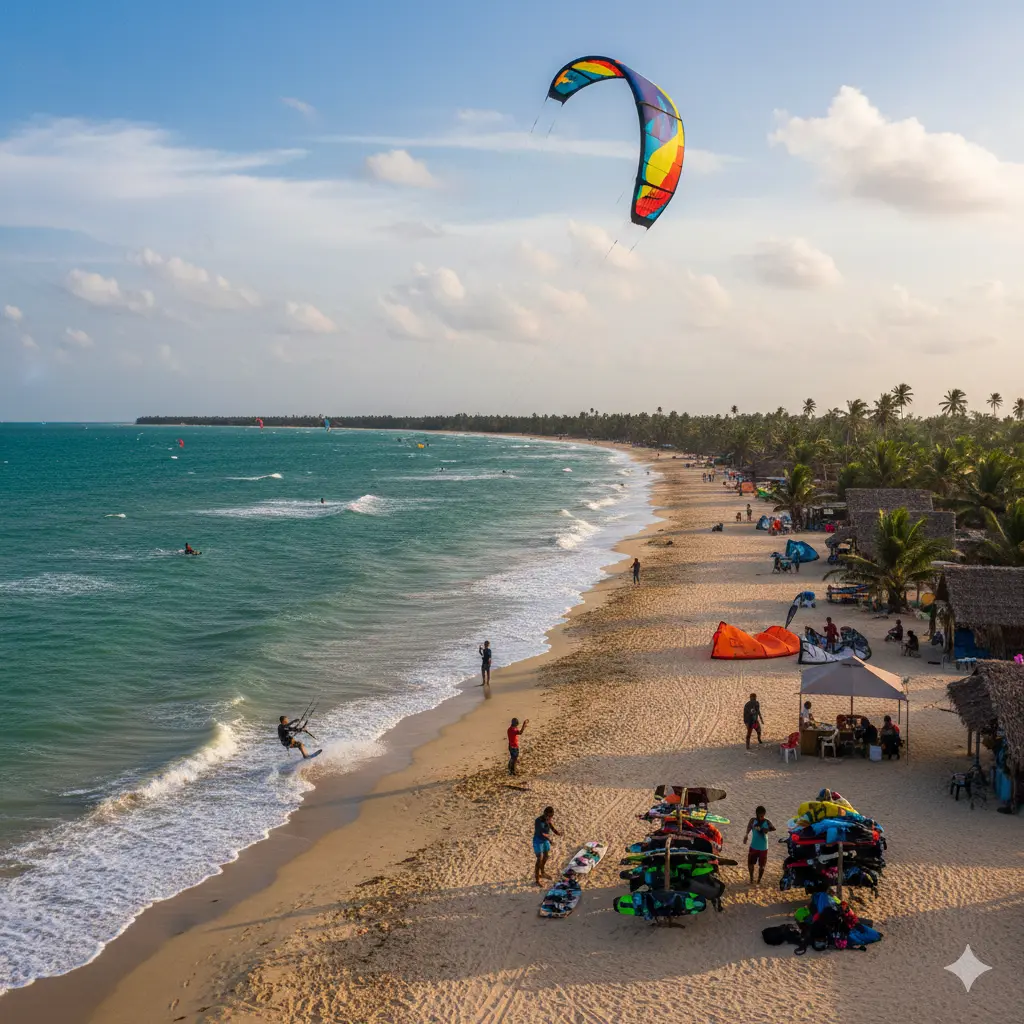
Kalpitiya, nestled on Sri Lanka's remote northwestern coast, has become one of the world's premier kitesurfing destinations. Whether you're a seasoned rider chasing consistent winds or a beginner eage
The Lankawebsites editorial team curates, fact-checks, and updates guides on personal finance, property, health, immigration, legal, business, and lifestyle topics relevant to Lankawebsites readers. Articles are produced with AI assistance and reviewed by the editorial team before publication.
Kalpitiya, nestled on Sri Lanka's remote northwestern coast, has become one of the world's premier kitesurfing destinations. Whether you're a seasoned rider chasing consistent winds or a beginner eager to learn, this stunning lagoon offers world-class conditions year-round. We'll walk you through everything you need to know about wind seasons, finding the right school, and getting your hands on quality gear.
Why Kalpitiya Is a Kitesurfing Paradise
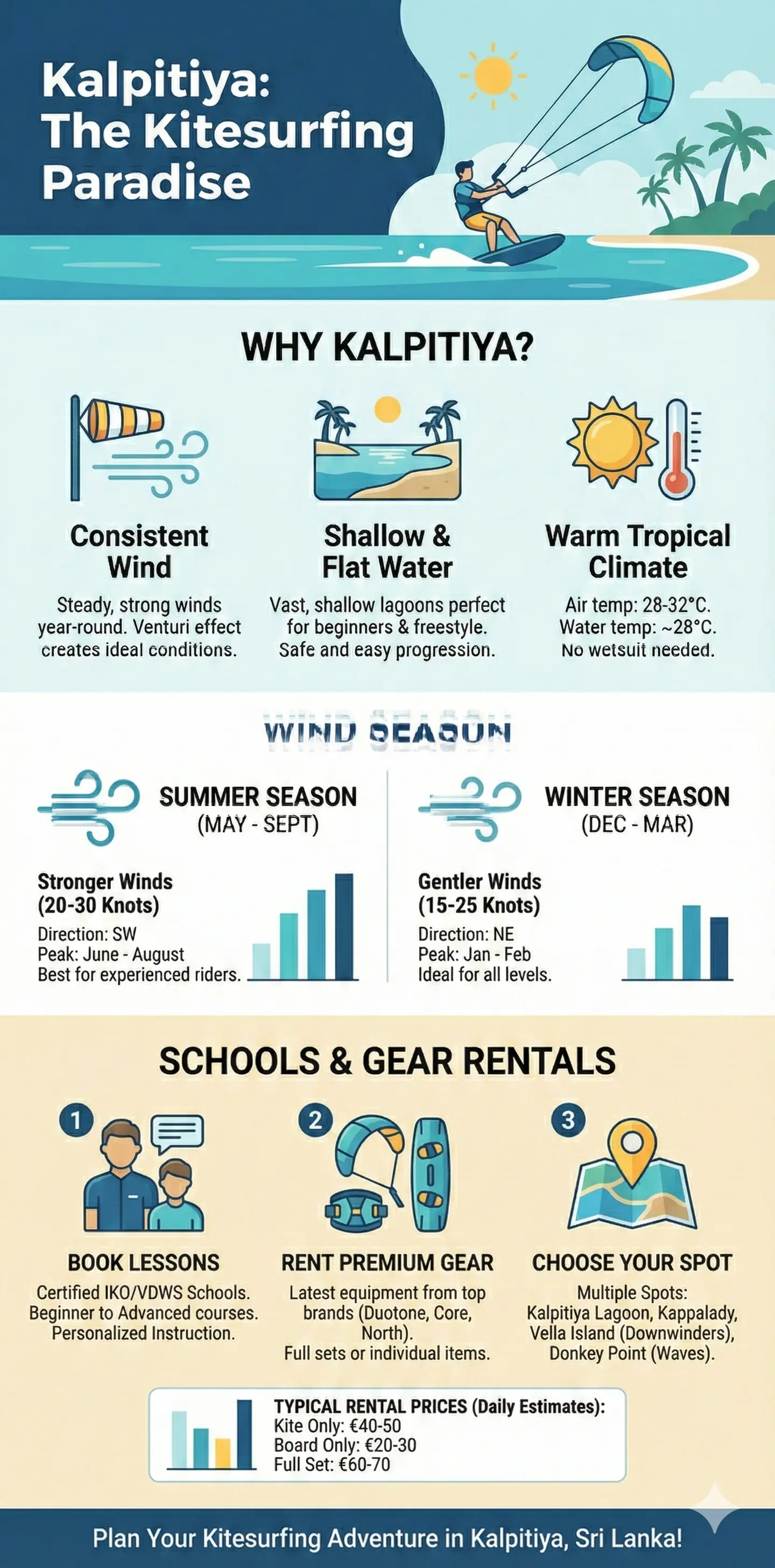
What makes Kalpitiya so special? The answer lies in geography and meteorology. The region experiences a unique Venturi effect through the Palk Strait channel, where winds get funnelled and accelerate as they travel along the coast. By the time the wind reaches Vella Island, it's nearly doubled in speed compared to the open water. This natural phenomenon, combined with the massive Kalpitiya Lagoon's flat waters and protected conditions, creates an ideal environment for riders of all levels.
The lagoon stretches across vast, shallow waters with no reef, sharks, or obstacles—making it incredibly safe for beginners whilst still offering challenging conditions for advanced riders who venture into the ocean swells.
Understanding Kalpitiya's Two Wind Seasons
Kalpitiya operates on two distinct kitesurfing seasons, each with its own character and advantages.
Summer Season: May to October
The summer season runs from mid-May to mid-October and is widely considered the best time to visit. This is when the Southwest Monsoon brings powerful, consistent winds that blow almost 24 hours a day.
- Wind speeds: Average 18–20 knots, with many days reaching 25–30 knots
- Wind direction: Southwest, typically blowing offshore
- Best months: June, July, and August offer the most reliable and strongest winds
- Water temperature: 27–32°C
- Conditions: Flat water in the lagoon with waves available in the ocean
Summer is ideal if you want all-day wind and multiple riding spots to choose from. The consistent conditions mean you'll spend less time waiting and more time on the water. However, expect more chop and rougher conditions compared to winter.
Winter Season: December to March
The winter season runs from mid-December to mid-March and brings lighter, more variable conditions. This is when the Northeast Monsoon takes over.
- Wind speeds: Moderate winds ranging from 15–25 knots, typically picking up in the afternoons
- Wind direction: Northwest, predominantly side-onshore
- Best months: January and February offer the most consistent winter winds
- Water temperature: 25–27°C
- Conditions: Butter-flat lagoon with minimal chop
Winter mornings are calm and perfect for yoga, diving, dolphin watching, and whale spotting trips—ideal if you want to combine kitesurfing with other activities. The afternoons come alive with wind, and the flat water makes winter excellent for learning.
One important note: if you're planning a Christmas or New Year's trip, bring large kites (15–17m) as the wind is lighter during this period.
Months to Avoid
April and November are transition months with unpredictable wind patterns and frequent rain. We'd recommend avoiding these periods if possible.
Best Time to Visit: Which Season Should You Choose?
Your choice depends on your skill level and what you want from your trip.
Choose summer (May–October) if: You're an intermediate to advanced rider seeking reliable, powerful wind all day long. You want maximum riding time and don't mind choppier conditions. You prefer consistent forecasts and predictable sessions.
Choose winter (December–March) if: You're a beginner wanting to learn in flat water with afternoon winds. You want to combine kitesurfing with other activities like diving or wildlife watching. You prefer lighter winds and calmer mornings for other pursuits.
The good news? Both seasons are warm and sunny, so you'll never need a wetsuit—just a shortie if you prefer extra comfort during winter.
Kalpitiya's Top Kitesurfing Spots
The Main Lagoon
The Kalpitiya Lagoon is the heart of the action. Its curvy sandbank creates a perfectly protected, flat-water environment ideal for learning and progressing. Wind speeds here are stable and predictable, ranging from 15–20 knots depending on the season. The shallow water means you can stand almost anywhere, making it incredibly forgiving for beginners.
Vella Island
Located 25 km downwind of the main lagoon, Vella Island is a world-class spot that's only accessible during the summer season. This long, arched sandbank creates a massive flat lagoon over 2 km long with consistently strong offshore winds. It's perfect for advanced riders and downwinders, though you'll need to arrange a safety boat through a local kiteschool.
Peninsula Beach
At the end of the peninsula, about 10 km from the main lagoon, lies another huge flat spot that works best during winter when the wind blows offshore into the lagoon. It's another excellent location for riders seeking flat water and strong conditions.
Finding a Kitesurfing School in Kalpitiya
Whether you're a complete beginner or looking to refine your skills, Kalpitiya has several professional kiteschools offering certified instruction.
What to Expect from Lessons
- Beginner to advanced courses with certified instructors
- Private and group lessons tailored to your level
- Daily boat shuttles to the best kite spots
- Downwinders and guided kite safaris for experienced riders
- Equipment rental and storage included with most packages
Popular Kiteschools
Several well-established schools operate in Kalpitiya, including De Silva Windresort and De Silva Palmresort, which offer both kitesurfing and windsurfing lessons. Many schools are run by national champions and experienced instructors who understand local conditions intimately.
Pro tip: Book your lessons in advance during peak season (June–August and January–February) to secure your preferred dates and instructors.
Gear Rentals and Equipment
What's Available
Kalpitiya's kiteschools offer extensive gear rental options, including a vast range of kite sizes and models to suit different wind conditions and skill levels. You can also rent surf boards and foil boards, though you'll want to give advance notice to ensure availability.
What to Bring vs. What to Rent
Most visitors rent their kites and boards locally, which is practical and cost-effective. However, if you have specific gear preferences or are particular about your equipment, bringing your own might be worthwhile. Just factor in travel costs and airline baggage restrictions.
Wind Forecasting Tools
Before you head out, check wind forecasts on Windguru or Windfinder to plan your sessions. These tools give you accurate, up-to-date wind predictions specific to Kalpitiya.
Practical Tips for Kitesurfing in Kalpitiya
- Safety first: If you're planning a downwinder to Vella Island, always arrange a safety boat through your kiteschool.
- Kite sizes matter: During lighter winter months, bring 15–17m kites; summer conditions suit 12–15m kites.
- No wetsuit needed: The water stays warm year-round, so focus on sun protection and rash guards instead.
- Combine activities: Use calm mornings for diving, dolphin watching, or yoga to maximise your trip.
- Plan around wind patterns: Summer offers all-day wind; winter winds peak in afternoons, so plan your schedule accordingly.
- Book accommodation early: Peak seasons fill up quickly, especially around Christmas and summer holidays.
Accommodation Near Kalpitiya
Several resorts cater specifically to kitesurfers and water sports enthusiasts. De Silva Windresort offers a laid-back eco-resort experience with natural vibes, whilst De Silva Palmresort provides more comfort with stylish tropical design. Both are conveniently located near the main lagoon and kiteschools.
Ready to Ride?
Kalpitiya offers world-class kitesurfing conditions, professional instruction, and stunning natural beauty—whether you're chasing powerful summer swells or learning in flat winter waters. The key is choosing the right season for your skill level and preferences.
Next steps: Check wind forecasts on Windguru or Windfinder, pick your ideal season, contact a local kiteschool to book lessons or gear rental, and start planning your Kalpitiya adventure. Whether you're visiting for a week or making it an annual pilgrimage, you'll understand why this remote corner of Sri Lanka has become a global kitesurfing hotspot.
Frequently Asked Questions
Sources & References
-
1
Kitesurfing in Kalpitiya, Sri Lanka — kiterr.com
-
2
Kitesurf in Kalpitiya | Adventure, Ocean & Chill Vibes — www.kitesurfinglanka.com
-
3
Kitesurfing in Kalpitiya - Sri Lanka — www.iksurfmag.com
-
4
Wind Conditions - Setha Wadi Kite School, Kalpitiya — sethawadikite.com
-
5
Sri Lanka Kitesurfing Season — surfschool-srilanka.com
-
6
Kalpitiya Kitesurfing Season: Hidden Spots & Best Wind Months — srilankatourisminfo.com
Related Articles
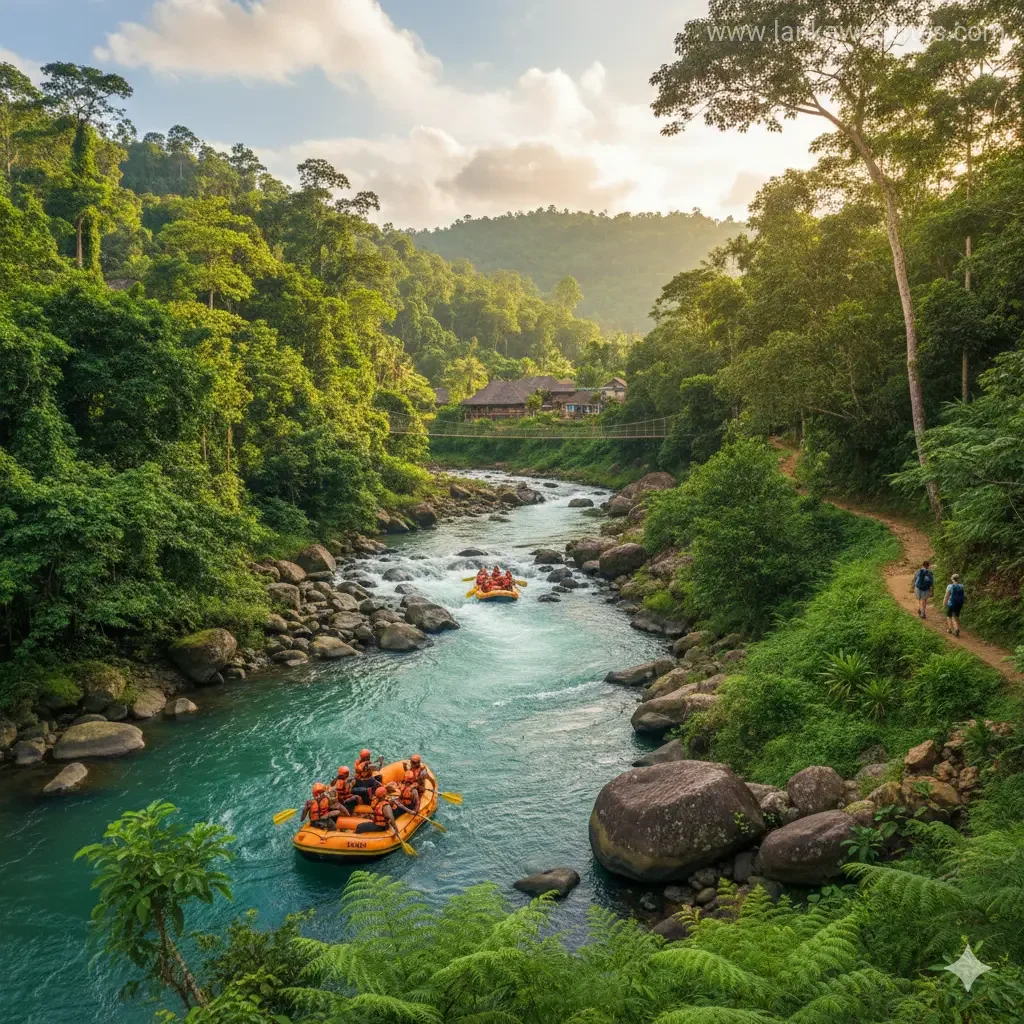
Kitulgala Village: White-Water Base with Rainforest Trails
Introduction to Kitulgala Village Kitulgala Village, located in the heart of Sri Lanka, is a must-visit destination for any outdoor enthusiast. This small
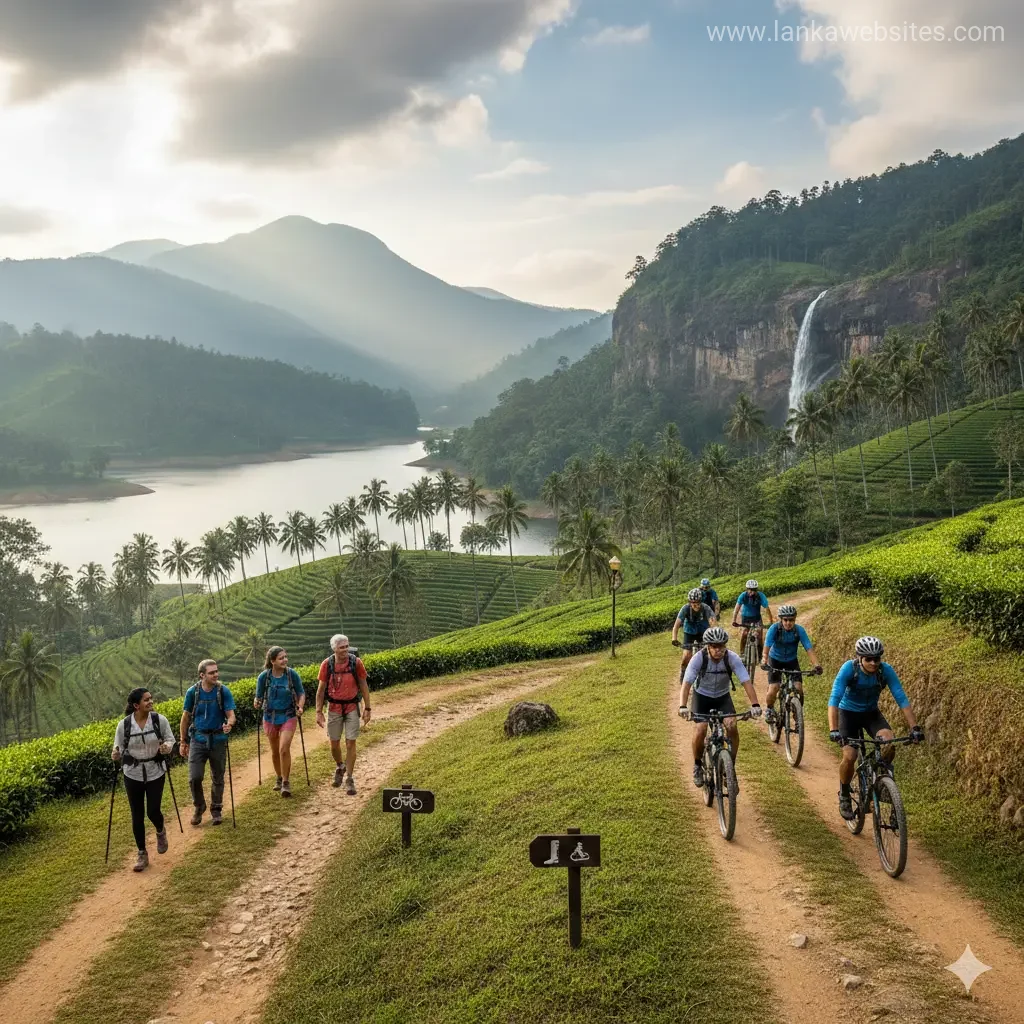
New Hiking & Cycling Trails Being Promoted by Sri Lanka Tourism
Introduction to Sri Lanka's Great Outdoors As a New Zealander, you're likely no stranger to the great outdoors. Our own country is blessed with stunning n
Surfing in Sri Lanka: Best Spots by Season for Beginners and Pros
Sri Lanka's waves call to us locals and visitors alike, offering year-round thrills from gentle rollers perfect for your first stand-up to barreling rights that challenge the pros. Whether you're a be
White-Water Rafting and Canyoning in Kitulgala: Adventure Guide
If you're craving an adrenaline rush and a genuine connection with Sri Lanka's wild side, Kitulgala is calling your name. Nestled in the Sabaragamuwa Province, this jungle adventure hub offers some of