Surfing in Sri Lanka: Best Spots by Season for Beginners and Pros
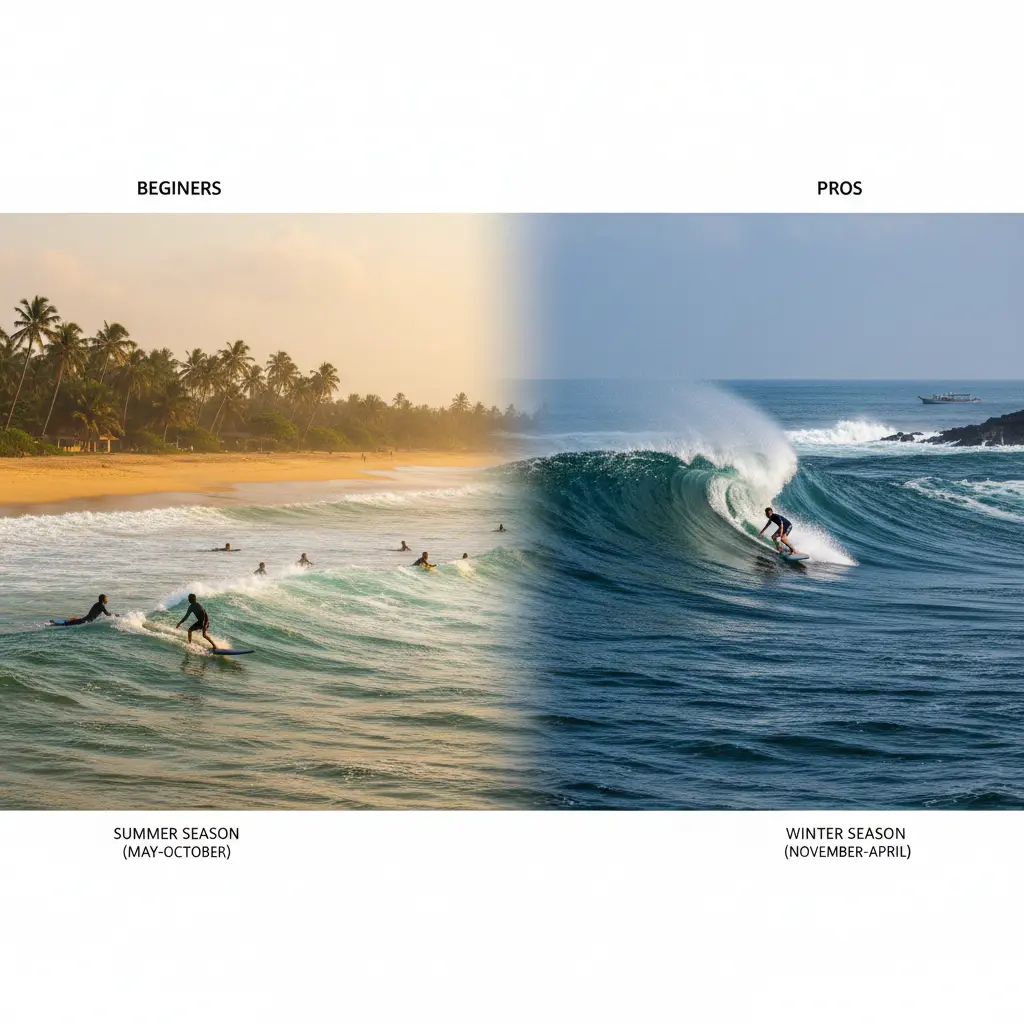
Sri Lanka's waves call to us locals and visitors alike, offering year-round thrills from gentle rollers perfect for your first stand-up to barreling rights that challenge the pros. Whether you're a be
The Lankawebsites editorial team curates, fact-checks, and updates guides on personal finance, property, health, immigration, legal, business, and lifestyle topics relevant to Lankawebsites readers. Articles are produced with AI assistance and reviewed by the editorial team before publication.
Sri Lanka's waves call to us locals and visitors alike, offering year-round thrills from gentle rollers perfect for your first stand-up to barreling rights that challenge the pros. Whether you're a beginner eyeing Weligama's sandy bays or an advanced surfer chasing Arugam Bay's legendary points, our island's two-coast system ensures surf somewhere, every season—simply pick your side and pack your board.
Sri Lanka's Surf Seasons: Southwest vs East Coast
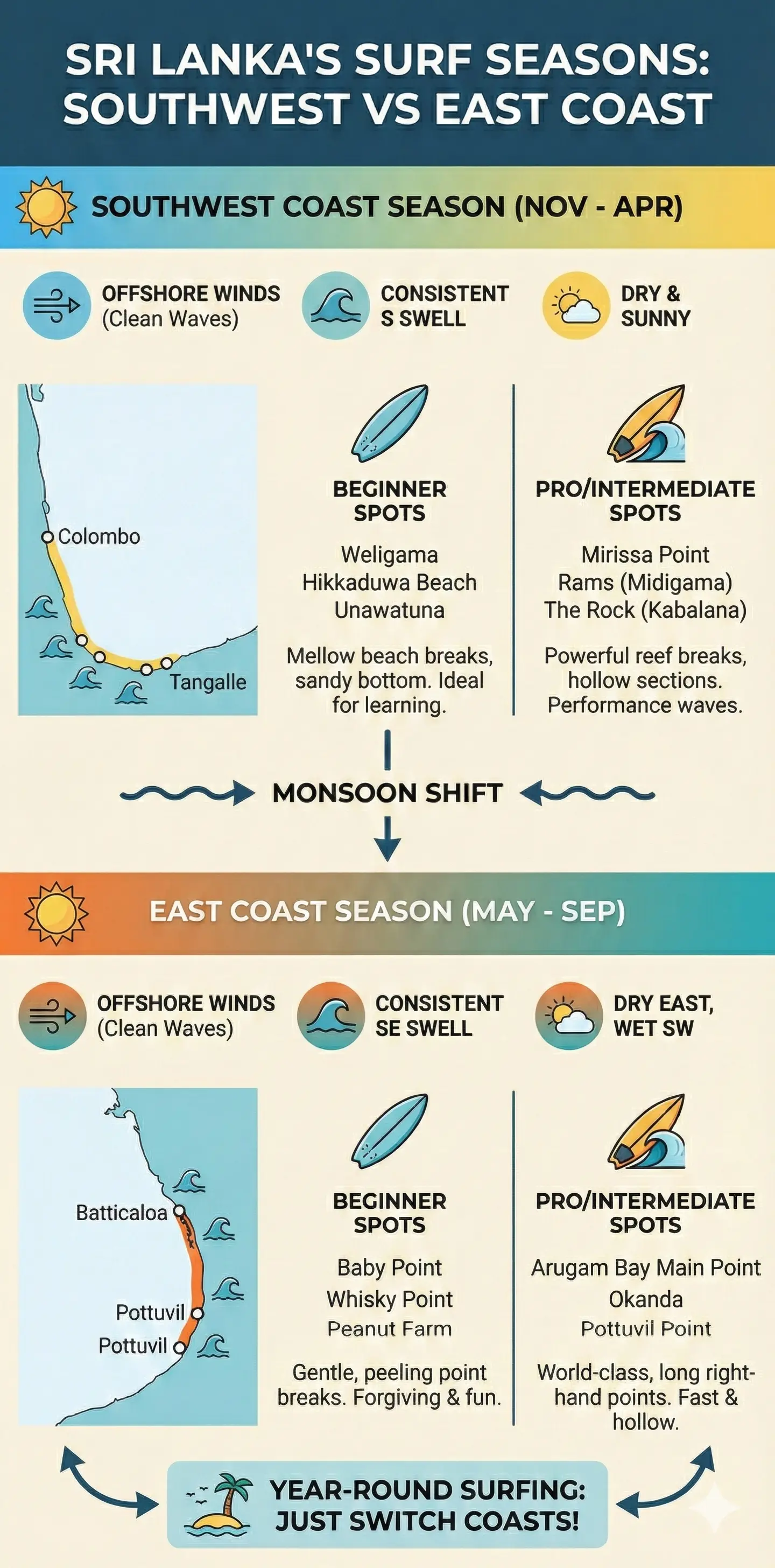
Our tropical location means consistent swells, warm water (27-29°C year-round—no wetsuits needed!), and two distinct seasons that flip the action between coasts. From November to April, the southwest coast fires up with offshore winds and mellow waves ideal for most skill levels. Then, May to September shifts focus eastward, where powerful southeast swells deliver cleaner conditions and bigger lines.
Southwest Coast (November–April): Beginners' Paradise and Intermediate Progression
This is our classic surf season, with palm-fringed bays lighting up from late October into May. Expect calm seas, consistent chest-to-head-high waves, and sunny vibes—perfect for families, learners, and those building confidence. Crowds peak around Christmas and Easter, but early mornings keep sessions uncrowded.
East Coast (May–September): Pro-Level Power and Fewer Crowds
As the southwest monsoon hits, we head east for offshore mornings, dry conditions, and rights up to 6-8 feet. Arugam Bay dominates, drawing international pros, but satellite breaks offer space for intermediates. August-September brings the biggest swells (4-8 ft), thrilling advanced riders while beginners stick to sandier options.
Best Surf Spots for Beginners
If you're just starting out—like many of us did on local beach breaks—Sri Lanka's beginner-friendly waves over sand make learning straightforward and fun. Surf schools abound, with lessons at LKR 6,000–12,000 (about $20–40 USD) per 2-hour session and board rentals from LKR 1,500–3,000/day. Always check tides via apps like Magicseaweed or local forecasts from Sri Lanka Tourism.
- Weligama Beach (Southwest, Nov–Apr): Our ultimate learner's bay—long, sandy, with mellow waist-high waves rolling in consistently. Dozens of schools mean group lessons for as low as LKR 5,000. Hit early mornings to beat the crowds and catch green waves.
- Hiriketiya Beach (Southwest, Nov–Apr): A horseshoe bay with soft beach breaks for all levels. Less crowded than Weligama, with surf camps offering yoga-surf packages. Stunning for post-surf swims.
- Unawatuna (Southwest, Nov–Apr): Gentle, forgiving waves in a relaxed cove. Ideal for families; many hostels run beginner clinics.
- Baby Point at Arugam Bay (East, May–Sep): Sandy-bottom right-hander for newbies, away from the main point crowds. Local schools provide patient instruction.
- Kabalana Beach (Southwest, Nov–Apr): Easy A-frame beach break, great for avoiding hype spots. Quiet and progression-friendly.
Best Surf Spots for Pros and Intermediates
For those progressing beyond whitewater, our reef and point breaks demand respect—wear reef booties, know your limits, and surf with locals for safety. Advanced spots hold 6-8 ft swells, with fast lines and occasional barrels.
- Arugam Bay Main Point (East, May–Sep): World-class 500m peeling right, hosted World Surf League events. Pros love the hollow sections; intermediates manage smaller days. Crowded—paddle smart!
- Hikkaduwa Reef Breaks (Southwest, Nov–Apr): Birthplace of our surf culture. Challenging reefs for intermediates, with vibrant shops and bars post-session.
- Midigama (Southwest, Nov–Apr): Multiple breaks like Coconuts (fat lefts for intermediates), Rams, and Lazy Left. Rippable at chest-high; one of our top progression zones.
- Peanut Farm & Whisky Point (East, May–Sep): Powerful rights near Arugam Bay. Peanut Farm suits intermediates with reeling sections; Whisky is pro-only on big days.
- Mirissa Point (Southwest, Nov–Apr): Punchy right-hander for intermediates, plus whale-watching bonuses. Nightlife fuels the vibe.
Practical Tips for Surfing in Sri Lanka
We're lucky with accessible spots, but smart prep keeps sessions safe and fun. Here's actionable advice tailored for us locals and visitors:
Gear, Costs, and Where to Stay
- Rent quality boards locally (avoid cheap imports); check for dings. Surf camps in Weligama or Arugam Bay start at LKR 120,000/week including lessons and meals.
- Budget: Lessons LKR 6,000–12,000, rentals LKR 1,500/day, guesthouses LKR 10,000–30,000/night.
- Stay at surf hostels like Lapoint in Ahangama or local spots in Arugam Bay for community vibes.
Safety, Etiquette, and Local Laws
Respect our waves: Don't drop in, yield to locals, and clear out of the whitewash. Reef breaks mean booties essential—currents can rip. No license needed for surfing, but follow Coastal Conservation Department rules: no littering (fines up to LKR 50,000), stick to designated areas. Check Sri Lanka Tourism's beach safety advisories for jellyfish or rip currents, especially post-monsoon.
- Best times: Dawn patrols for clean faces; avoid midday onshore winds.
- Health: Rash guards for sun/reef protection; hydrate—our heat sneaks up!
- Transport: Tuk-tuks or trains connect spots cheaply; rent a scooter (LKR 2,000/day) but get an international permit.
Learning Resources for Locals
Join Surfing Federation of Sri Lanka events or clinics in Hikkaduwa for community sessions. Apps like Surfline provide real-time forecasts; follow local Instagram spots like @weligamasurf for conditions.
FAQ
When's the best time for beginners to surf in Sri Lanka?
November–April on the southwest coast, especially Weligama's mellow bays. Year-round options exist if you switch coasts.
Can pros surf Sri Lanka in both seasons?
Yes—southwest Nov–Apr for reefs like Midigama, east May–Sep for Arugam Bay's points. Waves every month!
How much do surf lessons cost in 2026?
LKR 6,000–12,000 ($20–40 USD) for 2 hours, with rentals at LKR 1,500–3,000/day. Bargain at local schools.
Is Arugam Bay safe for intermediates?
Yes, on smaller swells at Baby Point or Peanut Farm, but main point crowds require experience. Go with a guide.
Do I need a wetsuit in Sri Lanka?
No—water stays 27-29°C. Just boardshorts, rashie, and sunscreen!
What's the crowd like at top spots?
Southwest peaks holidays; east is mellower mid-season. Dawn sessions = empty lineups.
Next Steps: Catch Your First Wave Today
Grab your board, check the forecast, and hit Weligama this weekend if it's southwest season—or plan an east coast road trip come May. Book a lesson, respect the ocean and locals, and join our thriving surf community. Whether beginner or pro, Sri Lanka's waves are our endless playground—safe rides and stoked sessions await!
Sources & References
-
1
Complete Guide to Surfing in Sri Lanka — sithiyam.com — www.sithiyam.com
-
2
Sri Lanka Surf Season Guide — thesurfatlas.com — thesurfatlas.com
- 3
-
4
Sri Lanka Surf Travel Guide — perfectwavetravel.com — www.perfectwavetravel.com
-
5
Surf Guide to Ahangama, Sri Lanka — lapointcamps.com — www.lapointcamps.com
- 6
-
7
Top 6 Surfing Beaches in Sri Lanka | 2026 — ellahype.com — ellahype.com
Related Articles
Kitulgala Village: White-Water Base with Rainforest Trails
Introduction to Kitulgala Village Kitulgala Village, located in the heart of Sri Lanka, is a must-visit destination for any outdoor enthusiast. This small
New Hiking & Cycling Trails Being Promoted by Sri Lanka Tourism
Introduction to Sri Lanka's Great Outdoors As a New Zealander, you're likely no stranger to the great outdoors. Our own country is blessed with stunning n
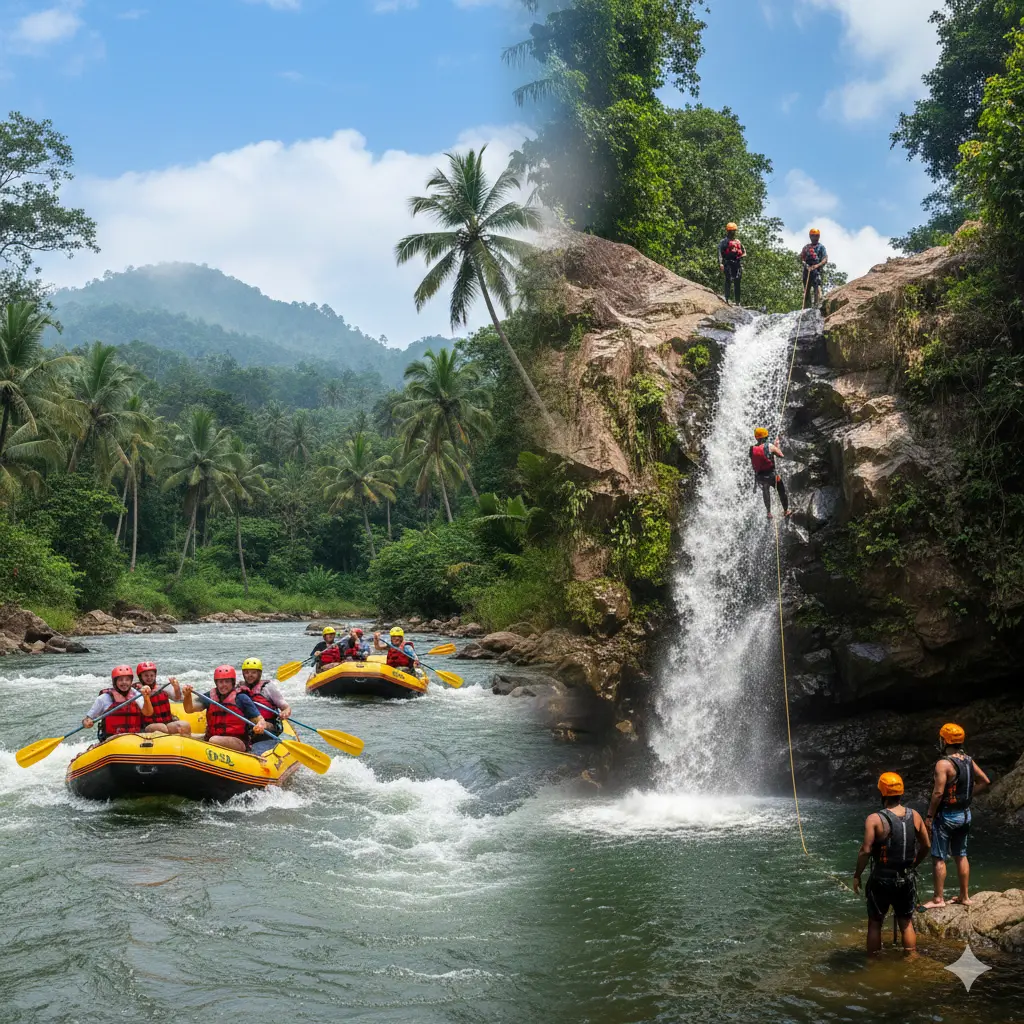
White-Water Rafting and Canyoning in Kitulgala: Adventure Guide
If you're craving an adrenaline rush and a genuine connection with Sri Lanka's wild side, Kitulgala is calling your name. Nestled in the Sabaragamuwa Province, this jungle adventure hub offers some of
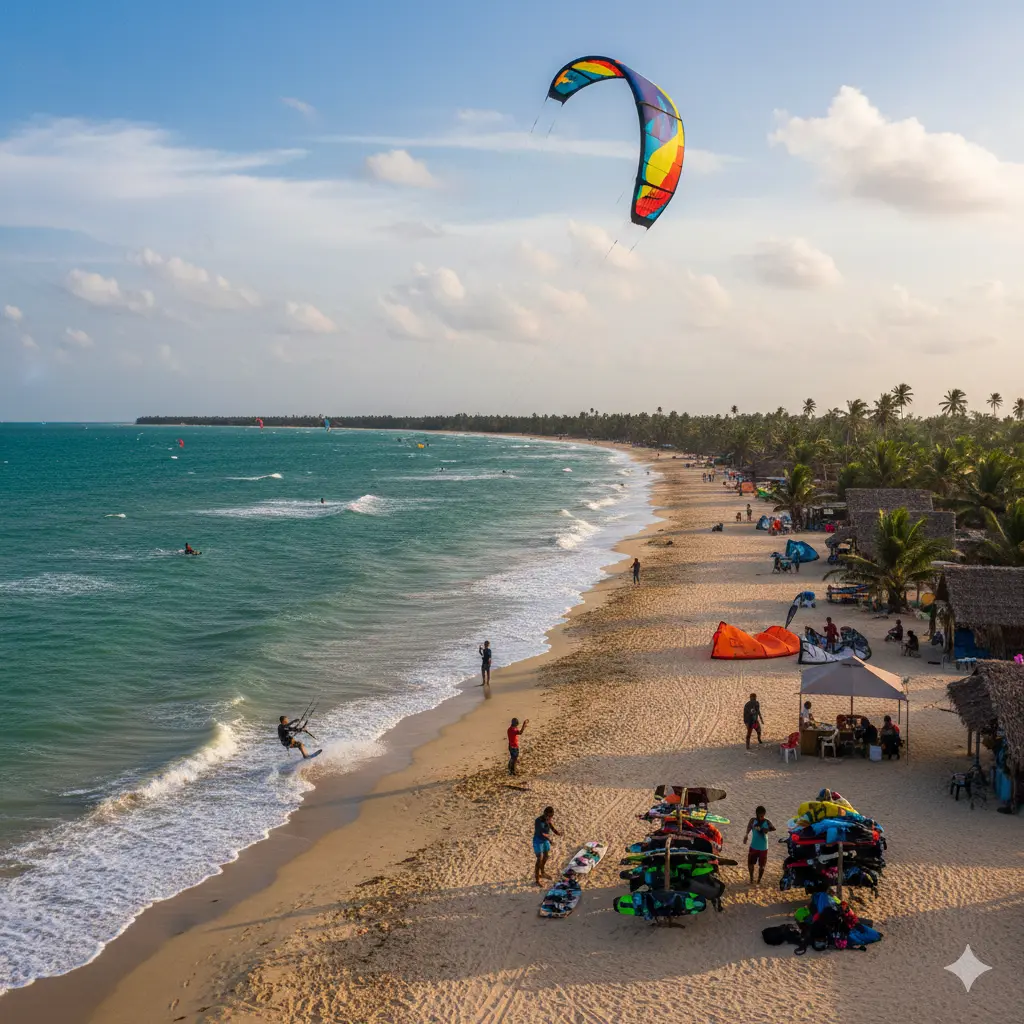
Kitesurfing in Kalpitiya: Wind Season, Schools & Gear Rentals
Kalpitiya, nestled on Sri Lanka's remote northwestern coast, has become one of the world's premier kitesurfing destinations. Whether you're a seasoned rider chasing consistent winds or a beginner eage