Kuruwita & Batadombalena: Prehistoric Cave & Waterfalls
Kuruwita, nestled in the Sabaragamuwa Province about 90 kilometres from Colombo, is home to one of Sri Lanka's most significant archaeological treasures: the Batadombalena Cave. This prehistoric site,
The Lankawebsites editorial team curates, fact-checks, and updates guides on personal finance, property, health, immigration, legal, business, and lifestyle topics relevant to Lankawebsites readers. Articles are produced with AI assistance and reviewed by the editorial team before publication.
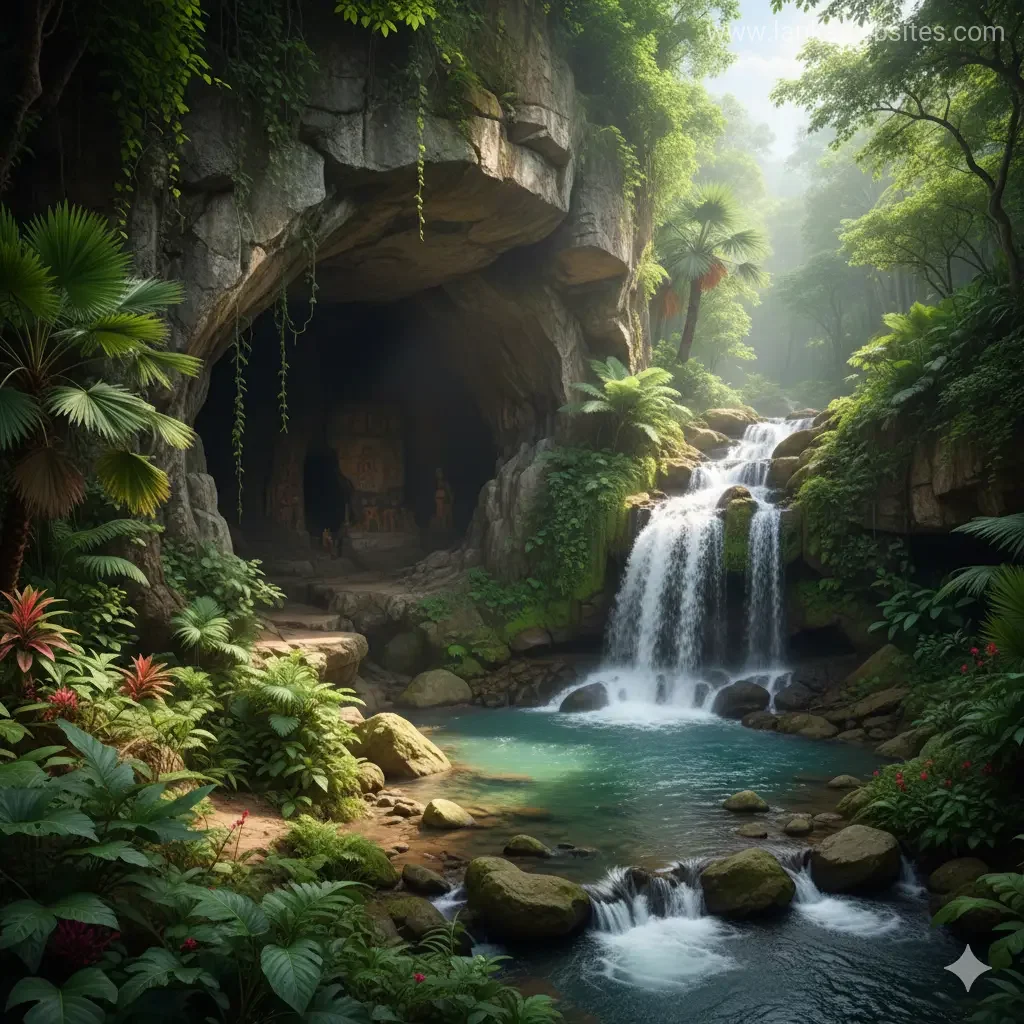
Kuruwita, nestled in the Sabaragamuwa Province about 90 kilometres from Colombo, is home to one of Sri Lanka's most significant archaeological treasures: the Batadombalena Cave. This prehistoric site, hidden behind a cascading waterfall, offers visitors a rare glimpse into our island's ancient past whilst providing an unforgettable adventure through nature's dramatic landscapes.
What Makes Batadombalena Cave Special?
Batadombalena Cave stands as one of the most important prehistoric sites in Sri Lanka, with evidence of human habitation dating back over 28,000 years. The cave was home to the prehistoric "Balangoda Man" (Homo sapiens balangodensis), whose skeletal remains have been discovered here through archaeological excavations. This discovery has made the site crucial for understanding how early humans lived on our island during the Stone Age.
The cave system itself is remarkable not just for its history, but for its natural beauty. During the rainy season, the overhanging rock transforms into a spectacular waterfall, whilst in drier months, water continuously drips across the entire width of the rock face, keeping the area perpetually humid. This creates a mesmerising natural setting that few other archaeological sites in Sri Lanka can match.
The Archaeological Significance
Excavations at Batadombalena have revealed fascinating artefacts that tell the story of our ancestors. Archaeologists have uncovered various land and freshwater shells dating back over 28,000 BC, along with carefully shaped stone tools interpreted as hunting implements. These findings provide invaluable insights into the daily lives, hunting practices, and survival strategies of prehistoric humans in Sri Lanka.
The site's importance to the Balangoda culture—an early Stone Age civilisation—means it's recognised as one of the key locations for studying pre-historic Sri Lanka. Whilst most of the original finds are now housed in museums, the excavation holes visible at the site serve as reminders of the extensive archaeological work conducted here.
Visiting Batadombalena: What to Expect
Location and Access
Batadombalena Cave is located near Kuruwita in the Ratnapura district, approximately 90 kilometres from Colombo on the Colombo-Badulla road. The journey from Colombo typically takes around two to two-and-a-half hours by car, making it an accessible day trip for locals and visitors alike.
The Cave System
The site features several semi-caves within the rock formation, with the largest cave being the main archaeological focus. Beyond the primary cave, there are additional natural caves accessible via a climbing path on the less steep side of the rock face. Whilst the climb is generally safe, the dense jungle vegetation and slippery boulders mean you'll need to use your hands in places and exercise caution to avoid twisting your ankle.
To the left of the main rock, you'll find another group of natural caves at the same height. These can be reached via boulders, though the path is slippery and requires careful footing. The surrounding jungle scenery makes the extra effort worthwhile for those keen on exploration.
Buddhist Heritage
Beyond its prehistoric significance, Batadombalena holds importance in Sri Lankan Buddhist tradition. Some of the rock shelters were used as dwellings by Buddhist hermits, known as kutis. You can still see traces of external walls marking these former hermitage sites, blending the site's ancient history with its spiritual heritage.
Practical Tips for Your Visit
- Best Time to Visit: Visit during the dry season (December to March) for easier access and safer climbing, though the rainy season (May to September) offers the dramatic waterfall experience.
- What to Bring: Wear sturdy hiking boots with good grip, as the rocks can be slippery. Bring plenty of water, sun protection, and insect repellent. A torch or headlamp is useful for exploring the darker cave areas.
- Guided Tours: Consider hiring a local guide from Kuruwita who understands the terrain and can provide historical context about the site and its archaeological significance.
- Safety Precautions: Watch your footing carefully, especially on wet rocks. The cave entrances can be slippery, and whilst you won't fall deeply in most areas, ankle injuries are possible on uneven terrain.
- Photography: The waterfall and cave formations provide excellent photo opportunities, particularly during the rainy season when water flows more dramatically.
- Duration: Plan for at least two to three hours to explore the main cave and surrounding rock shelters comfortably.
Exploring Kuruwita Beyond Batadombalena
Kuruwita itself offers several other attractions worth exploring during your visit. The area is known for its natural beauty, lush vegetation, and proximity to other notable caves and waterfalls in the Sabaragamuwa Province. Many visitors combine a Batadombalena visit with exploration of nearby attractions to make a full day of it.
The region's position on the Colombo-Badulla road also makes it a convenient stop if you're travelling to or from the central highlands, allowing you to break up a longer journey whilst experiencing something truly special.
Frequently Asked Questions
How long does it take to reach Batadombalena from Colombo?
The journey typically takes around two to two-and-a-half hours by car, covering approximately 90 kilometres. The drive follows the main Colombo-Badulla road, making it straightforward to navigate.
Is Batadombalena Cave safe to explore?
Yes, the cave is generally safe to explore, though you should exercise caution on slippery rocks and uneven terrain. Wear appropriate footwear and consider hiring a local guide who knows the area well. The main cave entrance is easily accessible, whilst exploring higher caves requires more climbing ability.
What's the best time of year to visit?
The dry season (December to March) offers easier access and safer climbing conditions. However, if you want to see the dramatic waterfall effect, visit during the rainy season (May to September), when water flows more abundantly across the rock face.
Can children visit Batadombalena Cave?
Yes, children can visit, though the main cave is easily accessible whilst exploring higher caves requires climbing ability. Younger children should be accompanied by adults, and you'll need to assess their comfort with climbing on wet, uneven rocks.
Are there facilities near the cave?
Kuruwita town, located just a few kilometres away, has basic facilities including small shops and restaurants. However, it's wise to bring your own water and snacks, as facilities directly at the cave site are limited.
What should I wear when visiting?
Wear sturdy hiking boots with good grip, as rocks can be slippery. Bring light, breathable clothing suitable for hiking, along with a rain jacket if visiting during the rainy season. The humidity near the waterfall means you'll get damp regardless of the season.
Planning Your Visit
A visit to Batadombalena Cave offers something quite rare in Sri Lanka: the chance to stand where our prehistoric ancestors stood, over 28,000 years ago. Whether you're interested in archaeology, natural beauty, or simply seeking an adventure off the beaten path, this site delivers on all fronts.
Start your planning by checking road conditions on the Colombo-Badulla route, especially if visiting during the rainy season. Book accommodation in Kuruwita or nearby towns if you're making a longer trip, and consider hiring a local guide to enrich your understanding of both the prehistoric and Buddhist significance of the site.
The combination of ancient human history, natural waterfalls, and jungle exploration makes Batadombalena one of Sri Lanka's most underrated destinations. It's the kind of place that reminds us of our deep connection to this island and the remarkable civilisations that thrived here long before modern times.
Related Articles

Wilpattu Buffer Villages: Community Stays Near the Park
This article references the following sources for accuracy and further reading:

Kilinochchi & Mullaitivu: War History, Lagoons & Emerging Tourism
Introduction to Kilinochchi and Mullaitivu Kilinochchi and Mullaitivu are two towns located in the Northern Province of Sri Lanka, an island nation in the

Avissawella & Seethawaka: Waterfalls & Gardens Near Colombo
Introduction to Avissawella and Seethawaka If you're looking for a relaxing getaway from the hustle and bustle of city life in Colombo, Sri Lanka, then Avi

Top Island Escapes Around Sri Lanka: Delft, Nainativu, Pigeon Island & More
Introduction to Sri Lanka's Island Escapes As a New Zealander, you're likely no stranger to beautiful coastlines and stunning islands. However, if you're