Paragliding & Aerial Adventures: Is Sri Lanka Ready for Air Sports?
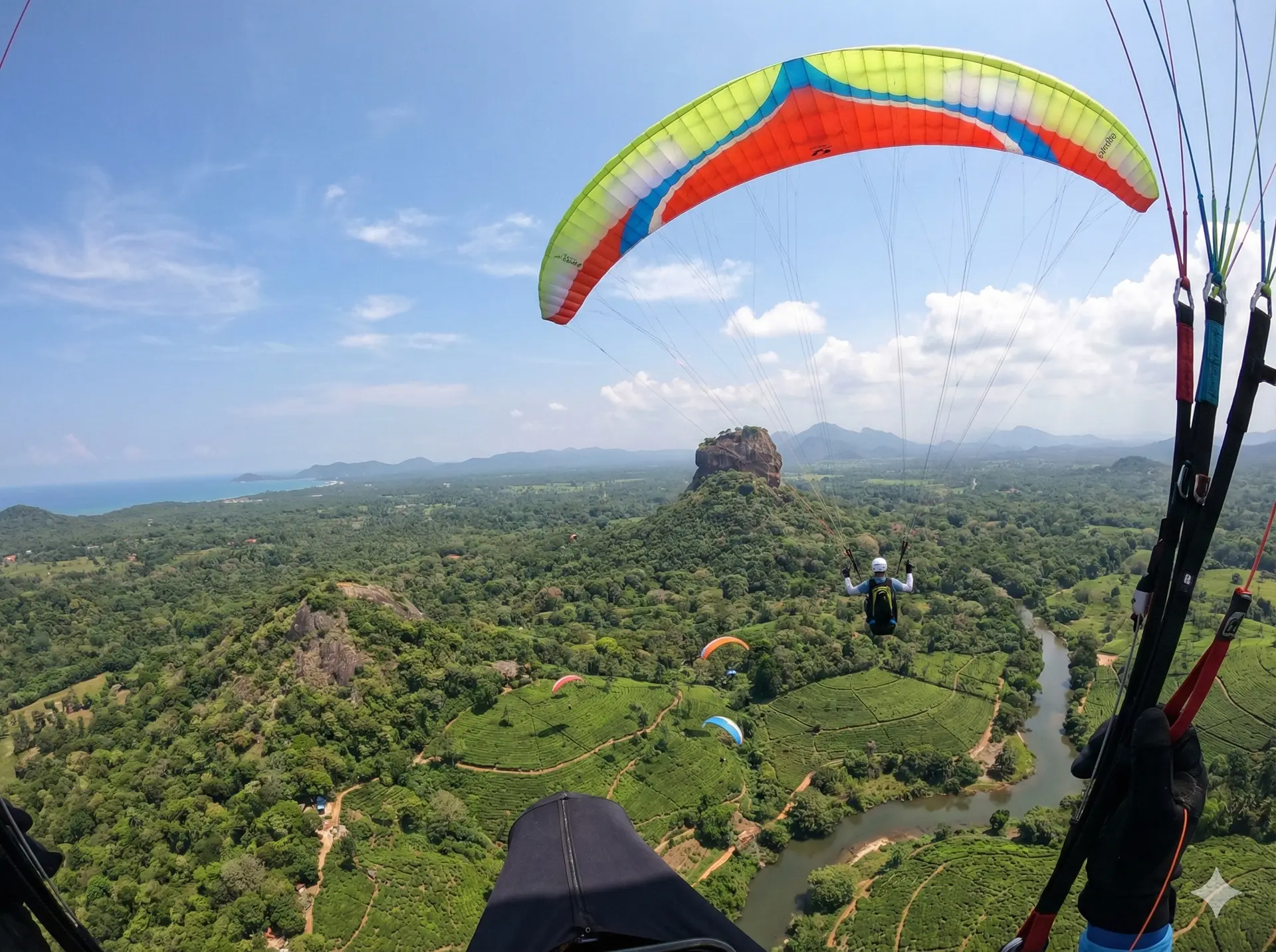
Sri Lanka's stunning landscapes—from Ella's misty hills to the endless coastlines—beg the question: could paragliding and aerial adventures become our next big thrill? With adventure tourism booming,
The Lankawebsites editorial team curates, fact-checks, and updates guides on personal finance, property, health, immigration, legal, business, and lifestyle topics relevant to Lankawebsites readers. Articles are produced with AI assistance and reviewed by the editorial team before publication.
Sri Lanka's stunning landscapes—from Ella's misty hills to the endless coastlines—beg the question: could paragliding and aerial adventures become our next big thrill? With adventure tourism booming, locals are eyeing the skies, but is our island truly ready for air sports?
Paragliding offers breathtaking views of tea plantations and ocean horizons, yet strict regulations and limited sites mean we're still building the infrastructure. This guide dives into the current state, regulations, top spots, and practical steps for locals wanting to soar safely in 2026.
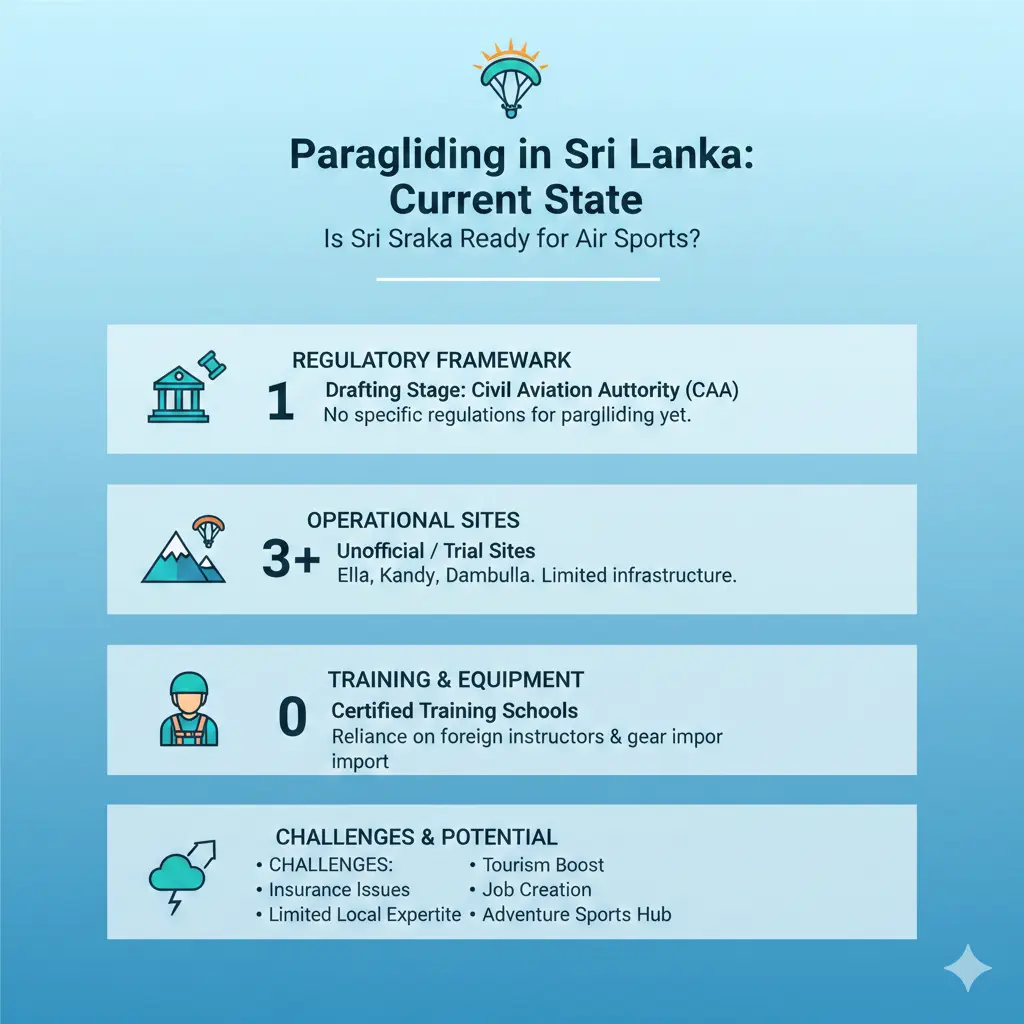
Current State of Paragliding in Sri Lanka
Paragliding in Sri Lanka is primarily concentrated in Ella, where Ella Adventure Park stands as the main hub for these aerial escapades.Ella Adventure Park hosts tandem flights over the scenic outer regions, with average flights lasting 25 minutes for intermediate levels.Makundeniya ridge occasionally sees soaring flights, gliding over beautiful landscapes, but it's rare and suited for advanced pilots.
While foreign visitors flock here, locals are increasingly interested. However, options remain limited—no widespread commercial operations exist beyond Ella. Soaring and cross-country styles are available for experienced gliders, but tandem flights are recommended for first-timers to ensure safety under expert supervision.
Popular Sites and What's on Offer
- Ella Adventure Park: The go-to spot for tandem paragliding. Enjoy bird's-eye views of hills and valleys. Book in advance for peak seasons.
- Makundeniya Ridge: Ideal for soaring; advanced pilots can fly solo here, but always check weather and permissions.
Other potential sites are under exploration, with the government eyeing designated zones for paragliding, balloon rides, and para-jumping to avoid conflicts with commercial flight paths. Skydiving is also on the horizon as part of tourism growth, emphasising safety regulations.
Regulations Governing Air Sports in Sri Lanka
Sri Lanka has clear guidelines for paragliding, overseen by the Sri Lanka Tourism Development Authority (SLTDA) and Civil Aviation Authority (CAA). Operators must register with SLTDA and follow strict protocols to ensure safety.
Key Requirements for Operators and Pilots
To launch paragliding activities:
- Obtain clearance to purchase paragliders from the Ministry of Defense, CAA, Sri Lanka Air Force (SLAF), and Department of Import and Export Control. Importing without approval violates aviation law and invites penalties.
- Register with CAA and secure an airworthiness clearance certificate, plus a certified Operations Manual.
- Notify airspace users via the CAA website, sticking to demarcated sites, boundaries, and altitudes.
- Sites must be CAA-cleared; avoid beaches or private land without permission.
- Clearance from Nevins Intelligence Bureau (NIB) is mandatory.
For pilots:
- Minimum age: 16 years.
- Solo pilots need certification from a recognised aviation training school or valid license.
- Hold comprehensive liability insurance.
- Flights only in daylight and visual meteorological conditions; stay clear of clouds and ensure safe distances from people/property.
- No flying under the influence of liquor.
Before flights, check equipment (no tears, broken lines), weather, fitness, and forward flight plans to SLAF. Proper storage per manufacturer guidelines is essential.
Drone and Unmanned Aviation Insights
While not paragliding, drone regulations offer a blueprint for air sports. By 2026, full industry compliance is targeted under SLCAIS 053, including online registration, operational maps for zones, and MTOW-based insurance (Rs. 100,000 to Rs. 2.5 million). Commercial operators need Unmanned Aircraft Pilot Licences, and training organisations must be CAA-certified. Security clearance from the Ministry of Defence and SLAF notification (two hours prior) are required for operations.
These frameworks show Sri Lanka's proactive stance on airspace safety, which could extend to paragliding expansions.
Safety and Risk Management: Prioritising Your Thrill
Safety is non-negotiable in air sports. Guidelines stress lookout maintenance, collision avoidance, weather compliance, and landing within abilities. Sudden weather changes demand immediate landings.
"Paraglider pilots must remain clear of clouds and the ground condition at all times."
During flights, keep safe distances from ground hazards. For locals, tandem flights with pros reduce risks—follow instructions closely.
Practical Safety Tips for Locals
- Check Weather: Use accurate forecasts; avoid sudden changes common in hill country.
- Train Properly: Join certified courses for solo ambitions. Practice take-off/landing techniques.
- Insurance First: Ensure coverage; operators must provide it.
- Site Familiarity: Review CAA-published boundaries.
- Health Check: Be fit and competent; no flying impaired.
Learning from neighbours like India's Billing site—now with enclosed take-off areas, marshals, and unified operator associations—could inspire Sri Lanka's growth.
Challenges Holding Back Air Sports Growth
Despite potential, hurdles persist. Limited sites mean overcrowding risks at Ella. Strict import/import controls slow equipment access. Airspace conflicts with rescue helicopters or flights require notifications.
Infrastructure lags: no dedicated runways or gated entries like in mature sites. Public misconceptions about new rules delay compliance. Yet, with SLTDA and CAA pushing registrations, 2026 could see expansions, including skydiving.
Future Prospects: Is Sri Lanka Gearing Up?
Yes, signs point to readiness. Designated zones for fun flying are planned, ensuring no threats to flight paths. Drone compliance by 2026 sets precedents, and tourism boosts via skydiving signal momentum. Overflight permits streamline aviation ops.
For locals, this means more opportunities. Imagine paragliding over Sigiriya or southern beaches—possible with safe scaling.
Practical Advice for Getting Started
Ready to try? Here's how:
- Book Tandem: Contact Ella Adventure Park directly; ideal for beginners.
- Train Locally: Seek CAA-approved schools; build skills gradually.
- Operators: Verify SLTDA registration and insurance.
- Costs (2026 Estimates): Tandem flights ~Rs. 15,000-25,000; gear imports add costs due to clearances.
- Best Time: Dry season (Dec-Mar in hills); check CAA site for zones.
Support growth by joining local aviation groups or advocating for more sites.
Soar Safely: Your Next Steps
Sri Lanka's poised for air sports takeoff, balancing thrills with robust regs. Start with a tandem at Ella, verify operator creds via SLTDA/CAA sites, and stay weather-smart. As we build infrastructure, your feedback can shape safer skies—share experiences and push for local sites. Ready to glide? Check official sites today and clip in responsibly.
Frequently Asked Questions
Sources & References
-
1
Guideline for Paragliding - Air Based Adventure Tourism Activities, SLTDA — www.sltda.gov.lk
-
2
Billing paragliding take-off site land transferred to tourism dept — www.hindustantimes.com
-
3
Government to review unmanned aviation - Themorning.lk — www.themorning.lk
-
4
A Mini 2026 Guide To Paragliding In Sri Lanka For Adventure — traveltriangle.com
- 5
-
6
Sri Lanka Overflight Permits 2026 – Rapid Clearance — permit2fly.com
-
7
Fun flying can soar with no threat to flight paths - Daily Mirror — www.dailymirror.lk
-
8
Sri Lanka Explores Skydiving to Boost Tourism Growth — www.travelandtourworld.com
Related Articles
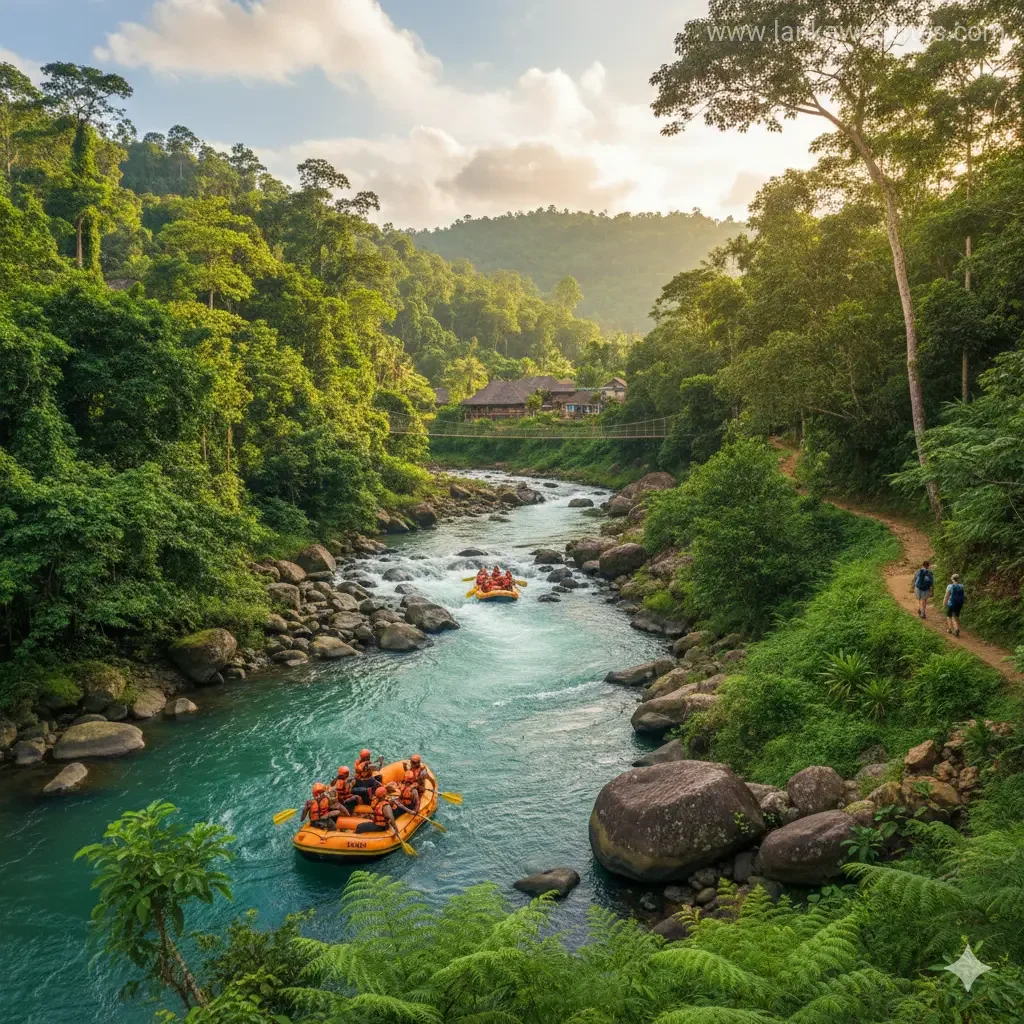
Kitulgala Village: White-Water Base with Rainforest Trails
Introduction to Kitulgala Village Kitulgala Village, located in the heart of Sri Lanka, is a must-visit destination for any outdoor enthusiast. This small
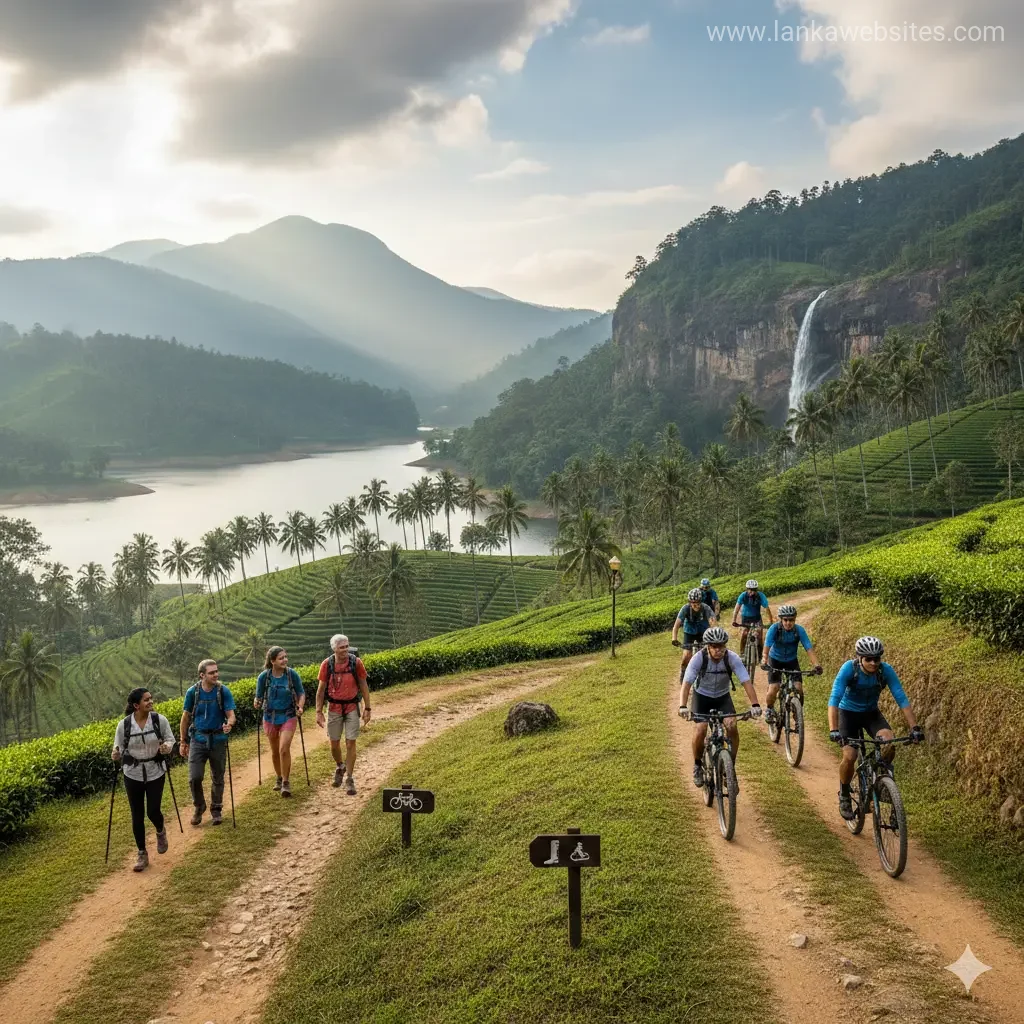
New Hiking & Cycling Trails Being Promoted by Sri Lanka Tourism
Introduction to Sri Lanka's Great Outdoors As a New Zealander, you're likely no stranger to the great outdoors. Our own country is blessed with stunning n

Surfing in Sri Lanka: Best Spots by Season for Beginners and Pros
Sri Lanka's waves call to us locals and visitors alike, offering year-round thrills from gentle rollers perfect for your first stand-up to barreling rights that challenge the pros. Whether you're a be
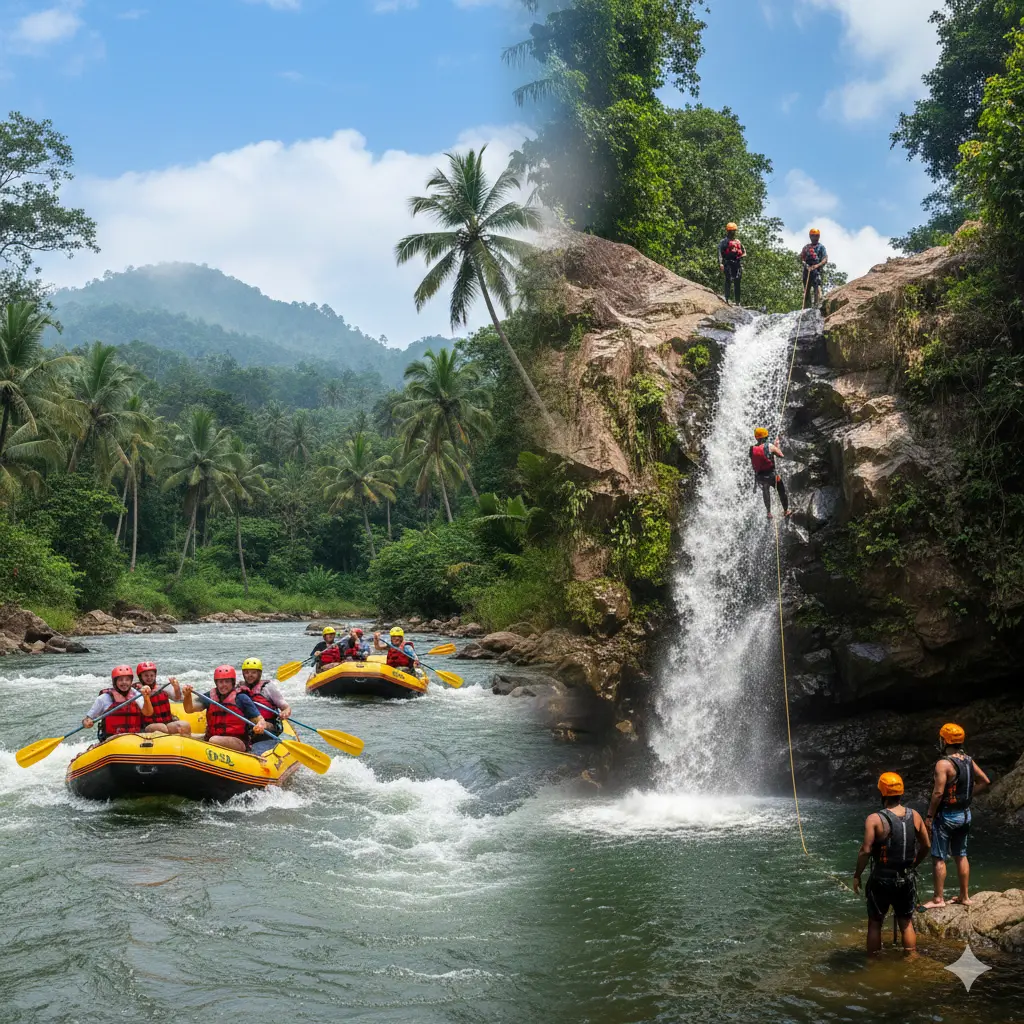
White-Water Rafting and Canyoning in Kitulgala: Adventure Guide
If you're craving an adrenaline rush and a genuine connection with Sri Lanka's wild side, Kitulgala is calling your name. Nestled in the Sabaragamuwa Province, this jungle adventure hub offers some of