Coastal Fishing Villages Turning into Experiential Tourism Hubs
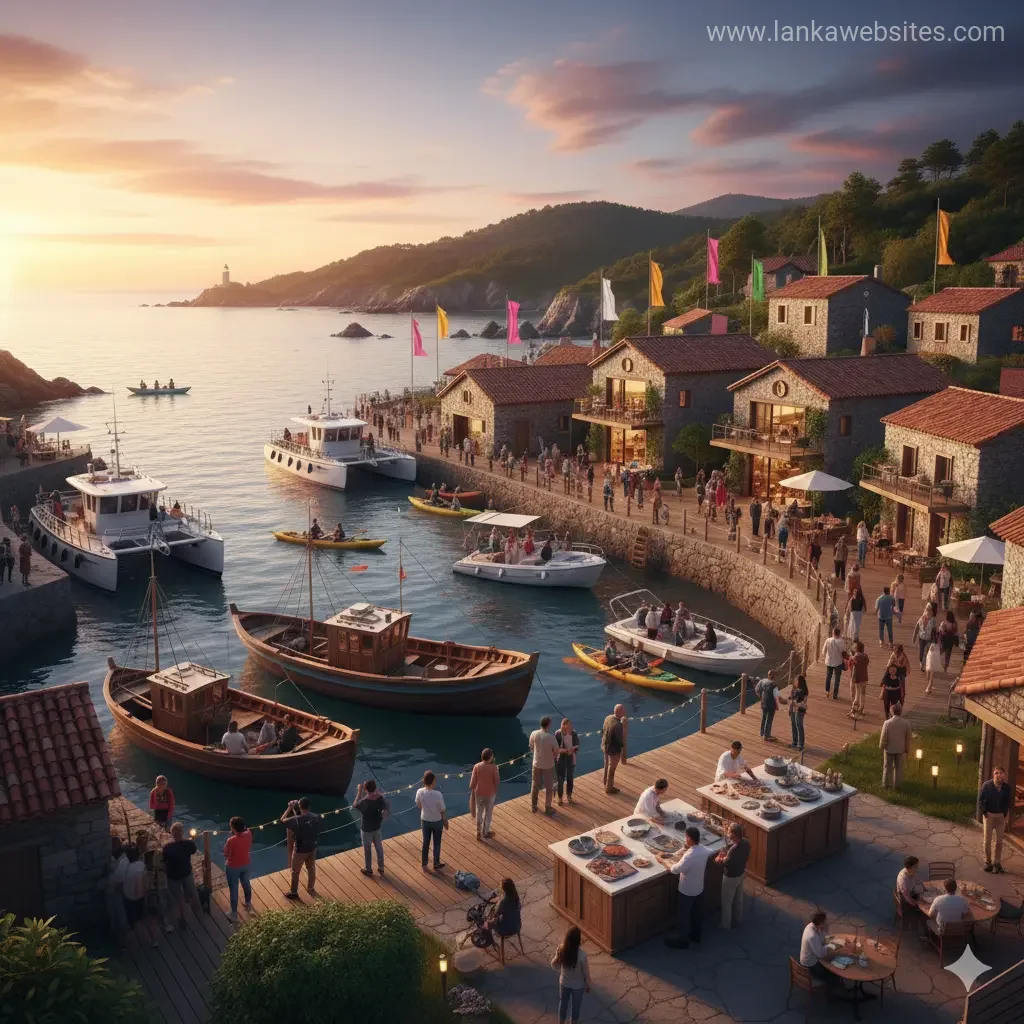
Sri Lanka's fishing villages are undergoing a remarkable transformation, evolving from traditional centres of maritime commerce into vibrant experiential tourism destinations. As the country repositio
The Lankawebsites editorial team curates, fact-checks, and updates guides on personal finance, property, health, immigration, legal, business, and lifestyle topics relevant to Lankawebsites readers. Articles are produced with AI assistance and reviewed by the editorial team before publication.
Sri Lanka's fishing villages are undergoing a remarkable transformation, evolving from traditional centres of maritime commerce into vibrant experiential tourism destinations. As the country repositions itself as a marine tourism hub, coastal communities are capitalising on their authentic cultural heritage, local knowledge, and access to pristine ocean resources. This shift isn't just about economic diversification—it's about creating sustainable livelihoods whilst preserving the traditions and ecosystems that define our island's coastal character.
The Rise of Marine Tourism in Sri Lanka
Sri Lanka's transition towards marine and coastal tourism represents a strategic pivot in our national tourism strategy. The government's Marine Tourism Roadmap has identified coastal communities as key players in this transformation, with a focus on developing sustainable, high-value tourism experiences that benefit local populations. Our geographical location and extensive coastline—approximately 1,340 km long—position us uniquely for marine tourism development.
What's particularly exciting is the untapped potential. Currently, marine tourism remains largely informal and unregulated, but there's significant demand for niche experiences across all our coastal zones. From shipwreck diving to water sports, our coastal villages are discovering that their traditional maritime heritage can become a compelling draw for visitors seeking authentic encounters.
Why Fishing Villages Are Perfect Tourism Hubs
Authentic Cultural Experiences
Fishing villages offer something mass tourism simply can't replicate: genuine, lived experiences. Local communities possess invaluable knowledge about ocean ecosystems, traditional fishing practices, and maritime history that enriches visitor experiences. When tourists engage directly with fisherfolk, they're not just observing a way of life—they're participating in stories that have shaped our coastal identity for generations.
Diverse Marine Activities
Sri Lanka's marine environment supports multiple tourism activities. With 167 shipwrecks submerged in our surrounding waters, there's significant potential for dive tourism that hasn't yet been fully developed. Beyond diving, our coastal areas are renowned for water sports including surfing, windsurfing, and increasingly popular kite surfing, particularly in locations like Arugam Bay.
Economic Resilience
Tourism diversification provides fishing communities with alternative income streams, reducing pressure on marine resources whilst supporting traditional livelihoods. This is especially important as climate change and overfishing threaten traditional fishing-dependent economies.
Current Challenges and Opportunities
Infrastructure and Standards
One significant gap identified in our Marine Tourism Roadmap is the lack of common standards and infrastructure to support further development. Fishing villages keen to develop tourism need proper accommodation, sanitation facilities, boat maintenance infrastructure, and safety equipment. This represents both a challenge and an opportunity for government support and private investment.
Regulation and Sustainability
Weak regulation and enforcement of illegal activities—such as dynamite fishing—currently pose risks to marine tourism development. Under Sri Lanka's Coast Conservation and Coastal Resource Management Act, any development within the coastal zone requires prior approval, but enforcement remains inconsistent. Establishing clear regulations and responsible practices in marine tourism is essential for preserving our ocean resources whilst supporting growth.
Balancing Development and Conservation
Not all coastal development is beneficial. Large-scale infrastructure projects in ecologically sensitive areas can damage the very ecosystems that support both traditional livelihoods and tourism. Environmental assessments recommend nature-based tourism for sensitive zones rather than large-scale construction. Fishing villages should focus on small-scale, community-led tourism that enhances rather than compromises coastal ecosystems.
Examples of Fishing Village Tourism Development
Several regions are leading this transformation. The Marine Tourism Roadmap specifically identified Calpidia, Gaul, Trincomalee, Mannar, and the northeastern coastal belt as priority destinations. Mannar's fishing villages have already begun exploring tourism opportunities, whilst the Jaffna region's lagoon systems—known for prawns, crabs, and rich biodiversity—represent significant potential for sustainable tourism development.
Arugam Bay in the east has become a hub for water sports tourism, demonstrating how fishing communities can successfully transition towards tourism without abandoning their maritime identity. These examples show that with proper planning and community involvement, fishing villages can thrive as tourism destinations.
How Local Communities Benefit
Direct Economic Benefits
- Employment in hospitality, guiding, and tourism services
- Income from accommodation, food, and craft sales
- Opportunities for women and youth in tourism-related enterprises
Community Empowerment
The Marine Tourism Roadmap emphasises enabling local benefits through inclusive tourism. This means involving communities in planning and decision-making, ensuring they control their own tourism development rather than being passive participants. Community participation in coastal area management enhances both sustainability and resilience to climate change.
Knowledge Preservation
As younger generations see tourism potential in their cultural heritage, traditional maritime knowledge is valued and preserved. This creates incentives for knowledge transfer within families and communities, strengthening cultural continuity.
Practical Steps for Fishing Villages Interested in Tourism
Planning and Assessment
- Conduct community consultations to gauge interest and identify potential tourism products
- Assess your village's unique assets—marine resources, cultural heritage, natural features
- Review the Marine Tourism Roadmap priorities for your region
- Understand coastal zone regulations and obtain necessary approvals
Infrastructure Development
- Develop basic tourism infrastructure—safe boat access, sanitation facilities, simple accommodation
- Establish safety standards for water-based activities
- Create pathways and signage for visitor navigation
- Ensure reliable electricity and water supply for tourism facilities
Skills and Training
- Provide hospitality and customer service training for community members
- Develop guide training programmes focusing on marine ecology and cultural heritage
- Build capacity in basic English language skills for tourism interactions
- Create business management training for those operating tourism enterprises
Marketing and Partnerships
- Connect with the Sri Lanka Tourism Development Authority for support and promotion
- Develop online presence through simple websites and social media
- Partner with tour operators and hotels in nearby cities
- Participate in tourism networks and associations
FAQ: Coastal Fishing Villages and Tourism
Will tourism damage our fishing grounds?
Not necessarily. Sustainable tourism development actually incentivises marine conservation. When communities benefit economically from healthy ecosystems, they're motivated to protect them. However, tourism must be carefully planned to avoid overcrowding and pollution that could harm marine resources.
Do we need government permission to start tourism activities?
Yes. Under the Coast Conservation and Coastal Resource Management Act, any coastal development requires prior approval. Contact your local Divisional Secretary or the Coastal Conservation and Coastal Resources Management Department to understand requirements for your specific activities.
How much investment is needed to start fishing village tourism?
This varies significantly. Basic tourism can start with minimal investment—simply offering boat tours and meals prepared by local families. More developed tourism infrastructure (accommodation, facilities) requires greater investment, but this can often be supported through microfinance schemes and government tourism development programmes.
Will tourism change our village culture?
Tourism brings change, but communities can shape how that change occurs. By maintaining control over tourism development and prioritising authentic cultural experiences, villages can benefit economically whilst preserving their identity. The key is ensuring tourism serves the community, not the reverse.
What if our village doesn't have shipwrecks or famous water sports spots?
Every fishing village has valuable assets: authentic maritime culture, local food traditions, knowledge of marine ecosystems, and coastal landscapes. Tourism doesn't require famous attractions—it requires authentic experiences. Communities can develop unique offerings around their specific heritage and environment.
How do we ensure tourism benefits actually reach ordinary fishers?
This requires deliberate community organising. Establish tourism cooperatives or community enterprises where profits are shared. Ensure decision-making includes fisherfolk, women, and youth. Build agreements about how tourism revenue will be used for community benefit.
Moving Forward: Your Village's Tourism Journey
The transformation of Sri Lanka's fishing villages into experiential tourism hubs represents an exciting opportunity for coastal communities. It's not about abandoning fishing traditions—it's about diversifying livelihoods whilst celebrating the maritime heritage that defines our coastal character.
If you're part of a fishing community interested in tourism development, start by having honest conversations within your village. What assets do you have? What kind of tourism would your community welcome? What support do you need? Then reach out to the Sri Lanka Tourism Development Authority, explore the Marine Tourism Roadmap priorities for your region, and connect with other communities already on this journey.
The ocean that has sustained our fishing communities for generations can now sustain new economic opportunities—but only if we develop tourism thoughtfully, sustainably, and on our own terms.
Related Articles

Wilpattu Buffer Villages: Community Stays Near the Park
This article references the following sources for accuracy and further reading:

Kilinochchi & Mullaitivu: War History, Lagoons & Emerging Tourism
Introduction to Kilinochchi and Mullaitivu Kilinochchi and Mullaitivu are two towns located in the Northern Province of Sri Lanka, an island nation in the

Avissawella & Seethawaka: Waterfalls & Gardens Near Colombo
Introduction to Avissawella and Seethawaka If you're looking for a relaxing getaway from the hustle and bustle of city life in Colombo, Sri Lanka, then Avi

Top Island Escapes Around Sri Lanka: Delft, Nainativu, Pigeon Island & More
Introduction to Sri Lanka's Island Escapes As a New Zealander, you're likely no stranger to beautiful coastlines and stunning islands. However, if you're