CBSL Interest Rate Cuts 2026: Predictions and Effects on Lending Rates
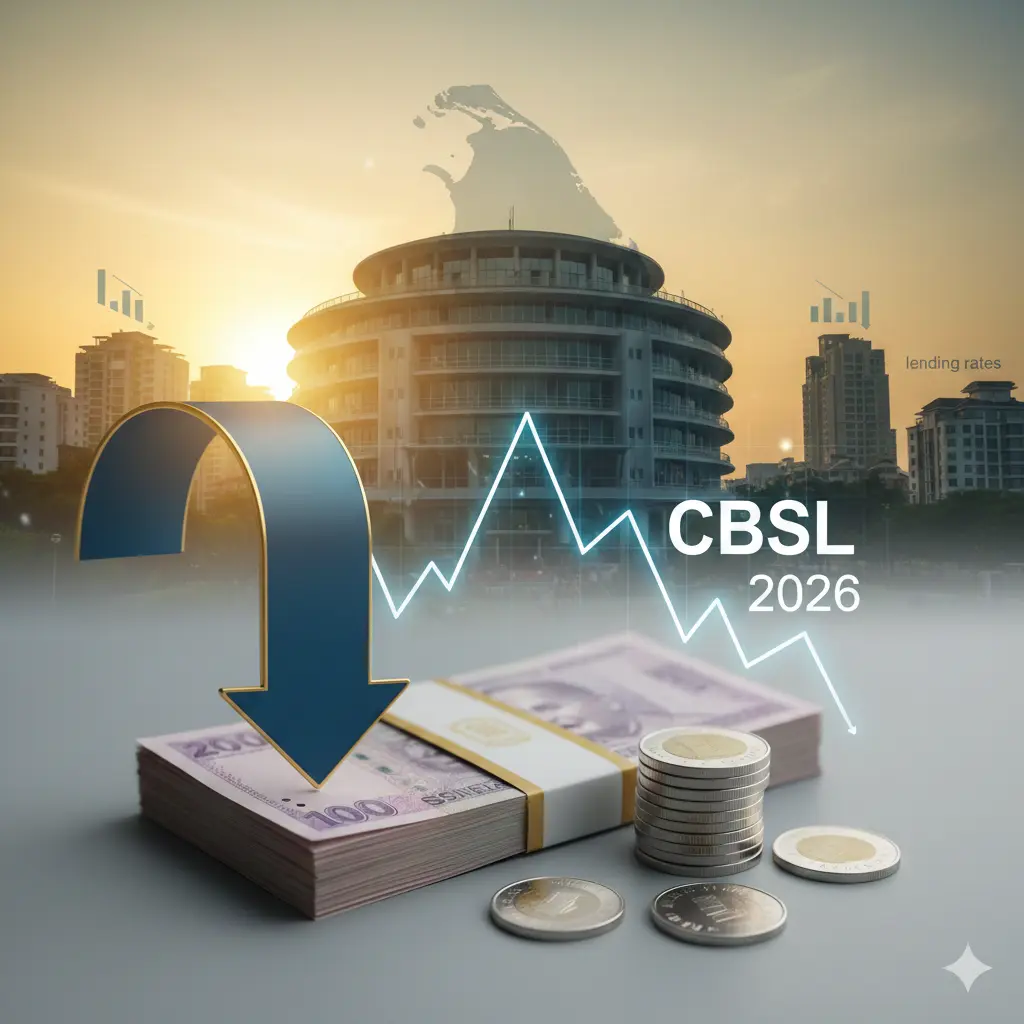
Imagine securing a business loan or home mortgage at rates dropping below 8% this year – that's the buzz around potential CBSL rate cuts in 2026. As Sri Lankans, we're all feeling the pinch of high bo
The Lankawebsites editorial team curates, fact-checks, and updates guides on personal finance, property, health, immigration, legal, business, and lifestyle topics relevant to Lankawebsites readers. Articles are produced with AI assistance and reviewed by the editorial team before publication.
Imagine securing a business loan or home mortgage at rates dropping below 8% this year – that's the buzz around potential CBSL rate cuts in 2026. As Sri Lankans, we're all feeling the pinch of high borrowing costs, but with inflation cooling and the economy picking up steam post-Cyclone Ditwah, the Central Bank of Sri Lanka (CBSL) could ease rates soon, making credit more accessible for families and SMEs across Colombo, Kandy, and beyond.
Right now, the Overnight Policy Rate (OPR) stands at 7.75%, unchanged since late 2025. But forecasts point to cuts ahead, potentially to 6.50% by mid-2026 and even 5.00% by 2027, boosting lending rates and sparking growth. In this guide, we'll break down the predictions, impacts on your wallet and business, and practical steps to prepare – all tailored for us locals navigating Sri Lanka's unique economic landscape.
Current State of Interest Rates in Sri Lanka
The CBSL has held the OPR steady at 7.75% for four straight meetings, most recently in January 2026. This decision reflects confidence that the current stance will guide inflation – which dipped to 2.1% in December 2025 – towards the 5% target by late 2026. Food prices spiked due to Cyclone Ditwah's supply disruptions and festive demand, but core inflation is firming modestly as demand strengthens.
Historically, rates averaged 7.98% from 2003 to 2026, peaking at 15.50% in March 2023 during the crisis and bottoming at 4.50% in 2020. Today's 7.75% keeps borrowing costs elevated, with commercial bank lending rates hovering around 10-12% for most loans. For SMEs in sectors like apparel or tourism, this means monthly repayments eating into slim margins.
Why No Cut Yet in Early 2026?
- Inflation Trajectory: Headline inflation is low but expected to rise gradually, with upside risks from cyclone recovery spending and global tensions.
- Robust Growth: GDP grew 5.0% in the first nine months of 2025, driven by private credit expansion, vehicle imports, and rebuilding.
- External Buffers: Tourism and remittances offset a wider trade deficit, bolstering reserves to over USD 6 billion.
The next Monetary Policy Review on March 25, 2026, could signal the first move. CBSL's policy agenda emphasises price stability while supporting 4-5% growth this year.

CBSL Rate Cut Predictions for 2026
Analysts predict CBSL rate cuts in 2026 as inflation nears target and growth stabilises. Trading Economics forecasts the rate at 6.50% by Q2 end, trending to 5.00% in 2027. This aligns with CBSL's accommodative easing in 2025, now pausing to assess cyclone impacts.
Expected path:
| Quarter | Predicted OPR | Key Driver |
|---|---|---|
| Q1 2026 (Now) | 7.75% | Inflation monitoring post-Ditwah |
| Q2 2026 | 7.00-7.50% | Target approach, credit growth |
| Q4 2026 | 6.50% | Stable reserves, 4-5% GDP |
| 2027 | 5.00% | Long-term stability |
Upside risks like rupee depreciation or adverse weather could delay cuts, while downside from weaker global demand might accelerate them. For us in Sri Lanka, monitor CBSL's website for real-time updates.
How CBSL Rate Cuts Affect Lending Rates
A CBSL rate cut to 7.50% or lower directly lowers banks' cost of funds, trickling down to consumer and business loans within weeks. In past cycles, like 2020's drop to 4.50%, mortgage rates fell 3-4%. Expect similar in 2026: prime lending rates from 12% to 9-10%.
Impact on Consumers and Households
- Home Loans: A Rs. 10 million mortgage at 11% costs Rs. 105,000 monthly over 20 years. At 9%, it drops to Rs. 90,000 – saving Rs. 180,000 yearly.
- Vehicle Finance: Post-cyclone vehicle imports surged; cuts could slash gold loan rates from 13% to 10%, aiding middle-class buyers in Galle or Jaffna.
- Personal Loans: Credit cards and overdrafts may ease, but fixed deposits (now 9-10%) will yield less for savers.
Practical tip: If refinancing, check with banks like Commercial Bank or HNB via their apps – but lock in before rates bottom out.
Boost for SMEs and Businesses
SMEs, which drive 52% of our GDP, face high interest burdens. A cut to 7.50% could improve credit access, with working capital loans dropping 2-3%. Post-Ditwah rebuilding in agriculture and tourism will benefit, as private credit already grows strongly.
Examples:
- Tea Exporters in Nuwara Eliya: Lower rates mean cheaper inventory financing amid rising exports.
- Colombo Retailers: Easier SME loans from DFCC or NDB for stock post-festive slump.
Government's SME credit guarantee schemes under the Finance Ministry could amplify this – apply via Treasury portals.
Broader Economic Effects in Sri Lanka
Rate cuts stimulate spending and investment, targeting 4-5% GDP growth amid cyclone recovery. Tourism (strong receipts) and remittances will cushion imports, but watch rupee stability.
Risks include higher inflation from demand or supply shocks, prompting CBSL to pause. For investors, bond yields fall, favouring equities on the CSE.
Practical Tips for Sri Lankans Preparing for Rate Cuts
- Time Your Borrowings: Wait for March review if possible; use CBSL's rate tracker.
- Compare Lenders: Platforms like LankaPropertyWeb or bank sites show real-time rates.
- Build Credit Score: Pay utilities on time via CRIFL bureau checks – key for approvals.
- SME Owners: Explore CBSL's Thriposha or regional development loans pre-cut.
- Savers: Shift to equities or lock fixed deposits now before yields drop.
Actionable: Download CBSL's mobile app for policy alerts and inflation data.
Next Steps: Stay Ahead of the Curve
With interest rates in Sri Lanka poised for relief, review your finances today. Track CBSL announcements, consult a financial advisor at your local bank branch, and position for lower CBSL rate cut 2026 benefits. Whether you're an SME in Kurunegala or a family in Matara, these changes could unlock opportunities – act smart, borrow wise, and watch our economy thrive.
Frequently Asked Questions
Sources & References
-
1
Sri Lanka Interest Rate - Trading Economics — tradingeconomics.com
-
2
Sri Lanka Keeps Policy Rate at 7.75% - Trading Economics — tradingeconomics.com
- 3
-
4
Monetary Policy Review No. 01 – January 2026 (PDF) — cbsl.gov.lk — www.cbsl.gov.lk
-
5
Central Bank's Policy Agenda for 2026 and Beyond (PDF) — cbsl.gov.lk — www.cbsl.gov.lk
Useful Tools
Related Articles

Fiscal Policy Reforms Sri Lanka Post-2022 Crisis: Lessons for 2026 Businesses
Remember the dark days of 2022, when fuel queues stretched for kilometres and ATMs ran dry? We've come a long way since Sri Lanka's economic crisis forced a debt default and sparked nationwide unrest

Comparing Sri Lanka's 2025 vs 2026 Monetary Policies: Key Shifts
Sri Lanka's monetary policy landscape has shifted significantly between 2025 and 2026, moving from aggressive easing to a more measured approach. Understanding these changes is crucial for anyone plan

Navigating Sri Lanka's 2026 Trade Deficit Policies: Import vs Export Balance
Sri Lanka's trade deficit has become one of the most pressing economic challenges facing our nation in 2026. With a deficit of $997.2 million in December 2025[1], significantly wider than the $720 mil

2026 Outlook: Sri Lanka Government Revenue Growth Policies Post-110% Rise
Sri Lanka's government revenue has surged an impressive 110% in recent years, signalling a robust economic recovery that's got everyone talking—from Colombo's business districts to rural markets in th