Traditional Arts and Crafts in Sri Lanka: What to See and Buy
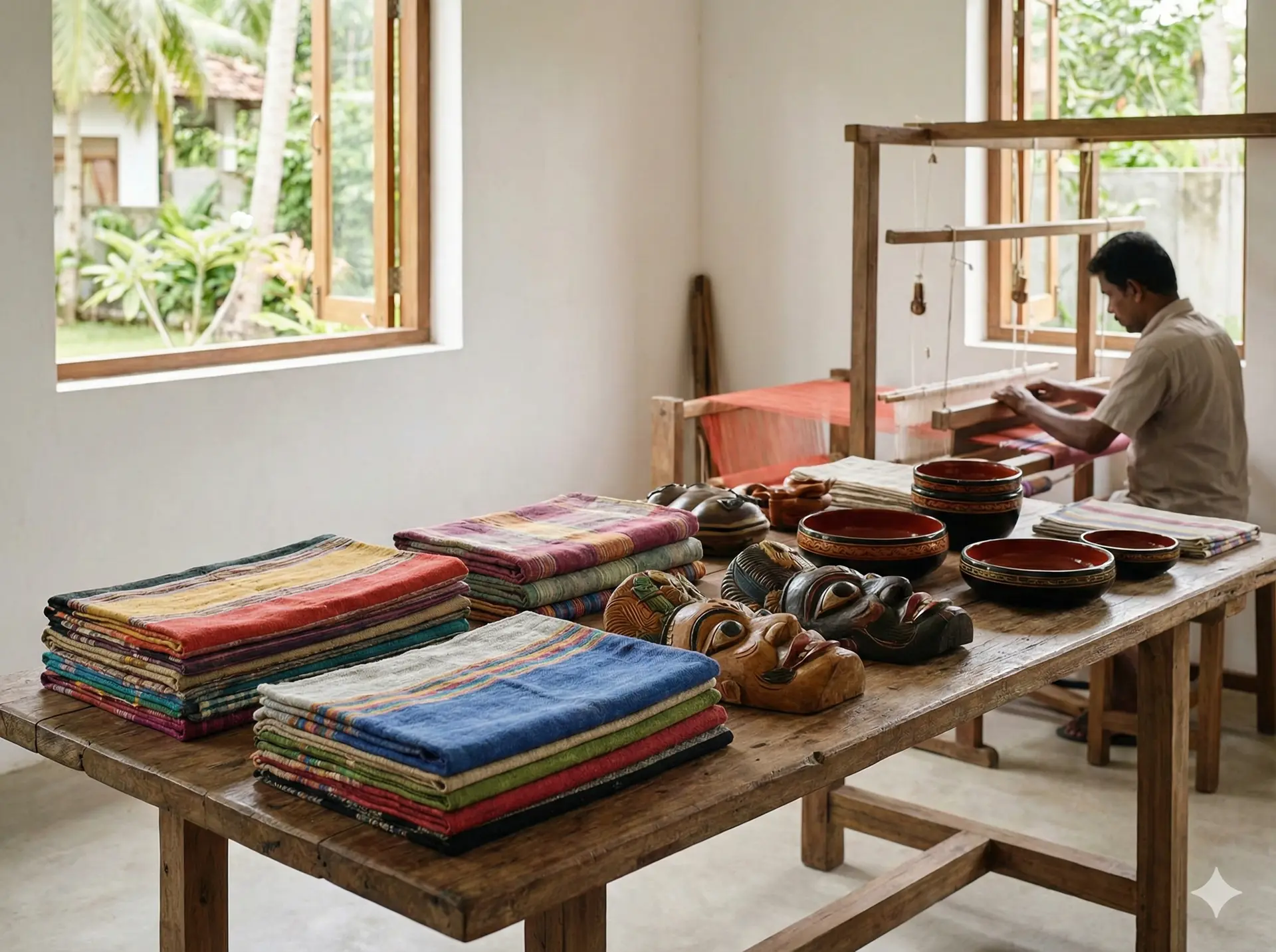
Ever walked through a bustling market in Colombo or Kandy and felt the pull of a hand-carved wooden elephant or a shimmering batik sarong? That's the magic of Sri Lanka's traditional arts and crafts—t
The Lankawebsites editorial team curates, fact-checks, and updates guides on personal finance, property, health, immigration, legal, business, and lifestyle topics relevant to Lankawebsites readers. Articles are produced with AI assistance and reviewed by the editorial team before publication.
Ever walked through a bustling market in Colombo or Kandy and felt the pull of a hand-carved wooden elephant or a shimmering batik sarong? That's the magic of Sri Lanka's traditional arts and crafts—timeless skills passed down through generations that tell our island's story of culture, nature, and resilience. Whether you're a local looking to rediscover our heritage or hunting for authentic pieces to cherish, this guide uncovers the best spots to see artisans at work and snag genuine buys in 2026.
Why Traditional Crafts Matter to Us in Sri Lanka
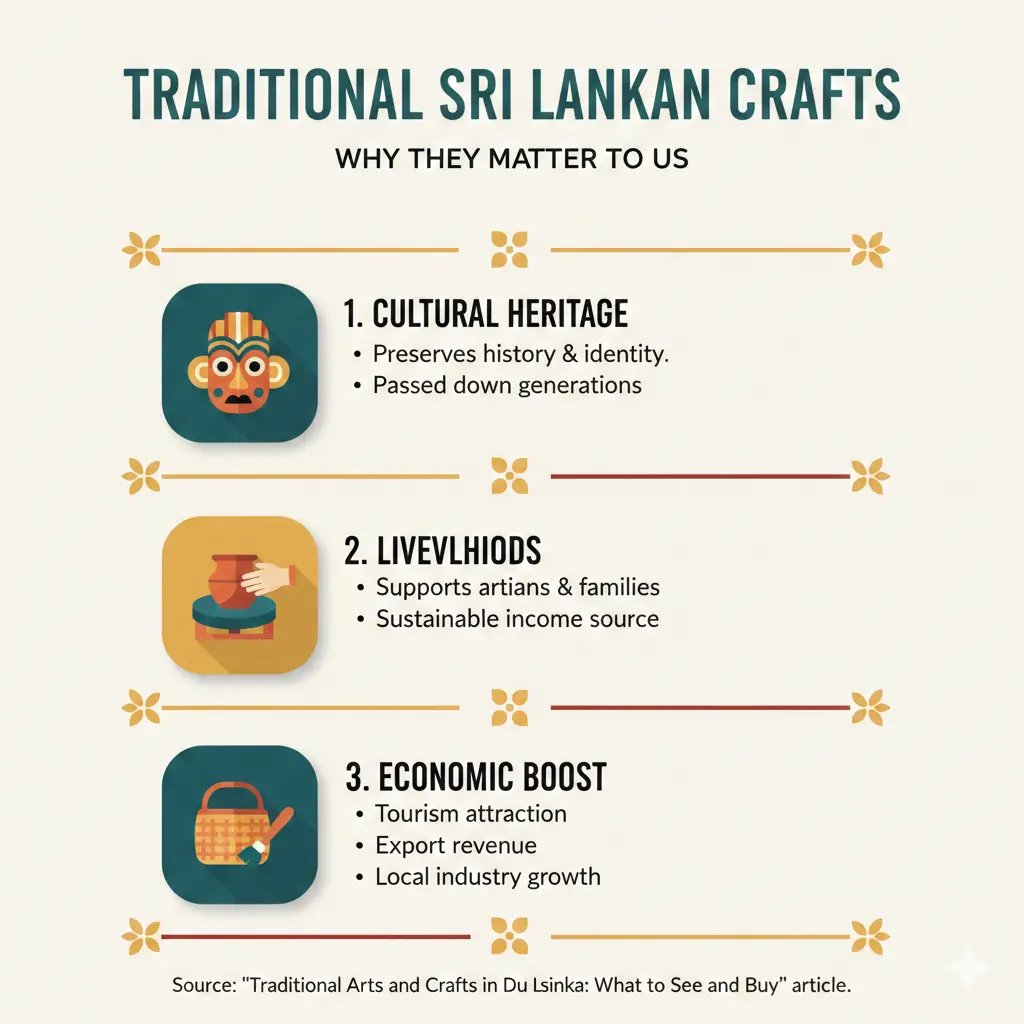
Our crafts aren't just pretty objects; they're living threads of history woven into everyday life. From the rhythmic clack of handlooms in Kurenegala to the delicate bobbins of beeralu lace in coastal villages, these arts reflect our Buddhist motifs, colonial influences, and tropical bounty.Handloom weaving, a centuries-old practice, uses cotton and silk to create vibrant fabrics with geometric patterns inspired by religion and nature. The National Crafts Council champions these traditions, helping artisans sustain their livelihoods while keeping crafts alive in modern Sri Lanka.
In 2026, with tourism rebounding and local pride soaring, supporting these crafts boosts our economy—think family workshops employing entire villages. Plus, buying direct means no tourist markups, and you'll own pieces with real stories.
Top Traditional Crafts: What to See and Experience
Sri Lanka's crafts vary by region, each tied to local resources and history. Here's a rundown of must-sees, focusing on hands-on spots where you can watch, learn, and even try your hand.
Batik: Vibrant Fabrics from Wax and Dye
Batik, once used for temple flags, saw a revival post-colonial bans and now thrives in coastal hubs like Unawatuna. Artisans wax intricate designs on fabric, dye it layer by layer, then boil off the wax to reveal colours bursting with floral and mythical motifs.
- Where to see it: Family workshops in Galle and Ahangama offer demos; try a session to make your own 2-metre fabric piece, complete with refreshments.
- What to buy: Sarongs (LKR 2,500–5,000), wall hangings, or cushions—perfect for home decor.
- Pro tip: Look for the Sri Lanka Handicrafts Authenticity Seal from the National Crafts Council to avoid fakes.
Jewellery Making: Gems from Ratna-Dweepa
As the Gem Island, we're famed for sapphires, moonstones, and garnets. In Galle Fort's shadow, family silversmiths melt silver, hammer designs, embed gems, and polish—techniques unchanged for generations. Workshops let you craft a silver ring (2–3 hours, often with snacks).
- Top spots: Galle Traditional Jewellery Workshop or Ahangama sessions—learn to spot real gems from imitations.
- Buyer's guide: Silver pieces with Ceylon gems start at LKR 10,000; haggle politely but check for hallmarks.
- Local hack: Visit during Poya days for artisan fairs with better deals.
Wood Carving: Elephants and Sacred Motifs
Elephants symbolise strength in our Buddhist heritage, carved from jak or kadol wood in Galle. Watch masters shape, sand, and paint, then try painting your own.
- Experience it: Galle Wooden Elephant Carving Workshop—small groups, take home your creation.
- Best buys: Mini elephants (LKR 1,000–3,000) or masks for pooja rooms.
Handloom Weaving and Lace: Threads of Heritage
Handloom fabrics dazzle with dexterous patterns from Kandy to Kurunegala factories. Beeralu lace, a 600-year-old Portuguese-Dutch legacy revived post-tsunami, features floral bobbins in Dedduwa villages.
- Visit: Kandyan Art Association in Kandy for weaving, carving, and dance; lace workshops near Galle.
- Shop smart: Sarees (LKR 8,000+), tablecloths, or shawls—opt for natural dyes.
Pottery and Cane Work: Earth and Vine
Clay pots from family kilns near ancient sites echo our pottery legacy. Cane furniture, though declining due to imports, persists in Weweldeniya—light, durable pieces for verandas.
- Hands-on: Pottery sessions in Southern Province; shape your own bowl.
- Affordable gems: Terracotta lamps (LKR 500–2,000), cane baskets.
Best Places to See and Buy in 2026
Head to these hubs for authentic experiences—no middlemen.
Southern Province: Galle and Beyond
Galle Fort's lanes hide gem workshops and batik studios. Join tours like Traditional Gems & Jewellery Workshop. Markets like Galle Market offer daily deals.
Central Hills: Kandy and Kurunegala
Kandy's bazaar and Kandyan Cultural Centre showcase weaving and lacquer work. Spice gardens double as batik factories.
Western and Coastal: Colombo and Dedduwa
Laksala outlets (government-backed) in Colombo guarantee quality. Dedduwa for beeralu lace revivals.
Practical tips for locals:
- Travel by train to Galle (LKR 200–500 from Colombo) or bus via CTB for affordability.
- Best time: Weekdays to avoid crowds; January–April for dry weather.
- Budget: LKR 5,000–15,000 for a day trip including workshop and buys.
- Bargain 10–20% but respect artisans—many accept Digital Wallet or bank cards in 2026.
Frequently Asked Questions
Sources & References
-
1
The BEST Southern Province, Sri Lanka Arts & crafts workshops 2026 — www.getyourguide.com
-
2
Traditional Crafts of Sri Lanka - Stitchtopia — www.stitchtopia.co.uk
-
3
The BEST Sri Lanka Arts & crafts workshops 2026 - GetYourGuide — www.getyourguide.com
-
4
Sri Lanka - Crafts & Culture - Creative Arts Safaris — www.creative-arts-safaris.com
-
5
2026 Sri Lankan Crafts and Spices Tour from Kandy - Tripadvisor — www.tripadvisor.com
-
6
THE BEST 10 Sri Lanka Art Tours in 2026 - Viator — www.viator.com
-
7
Colors of Ceylon: Textile & Craft Traditions of Sri Lanka — www.marigoldtextilesartsandadventures.com.au
-
8
National Crafts Council — craftscouncil.gov.lk
Related Articles

Tea vs Coconut: Signature Flavours That Define Sri Lankan Cuisine
When you think of Sri Lanka's culinary identity, two ingredients immediately come to mind: tea and coconut. Both are woven into the fabric of our island's food culture, yet they play distinctly differ
Sri Lankan Food Guide: 20 Dishes Every Visitor Must Try
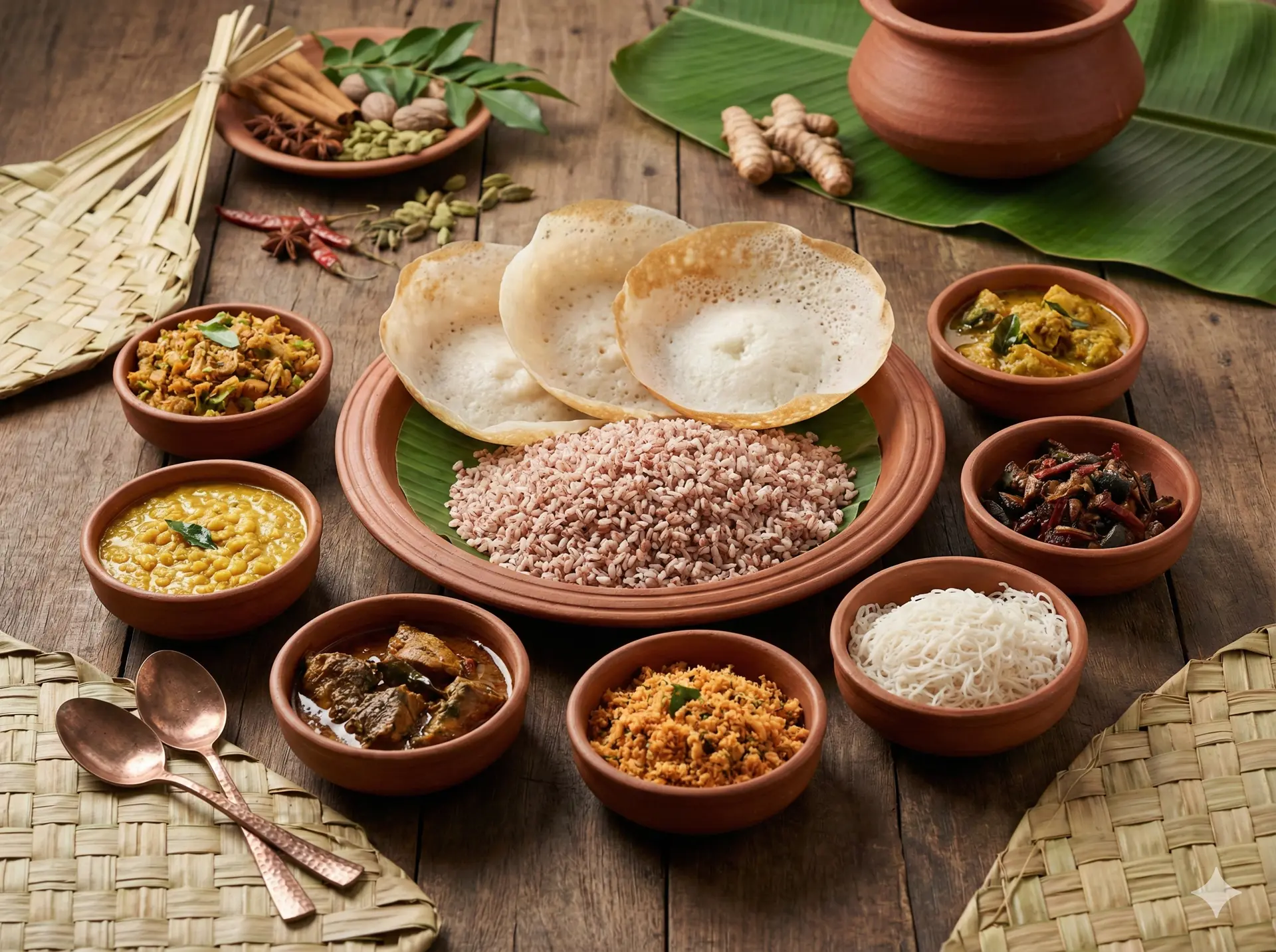
Sri Lanka's food scene bursts with bold flavours, fresh coconut, and spices that tell our island's story—from misty hill country curries to fiery coastal sambols. Whether you're sharing a rice and cur
Best Street Food in Colombo, Kandy & Galle – and Where to Find It
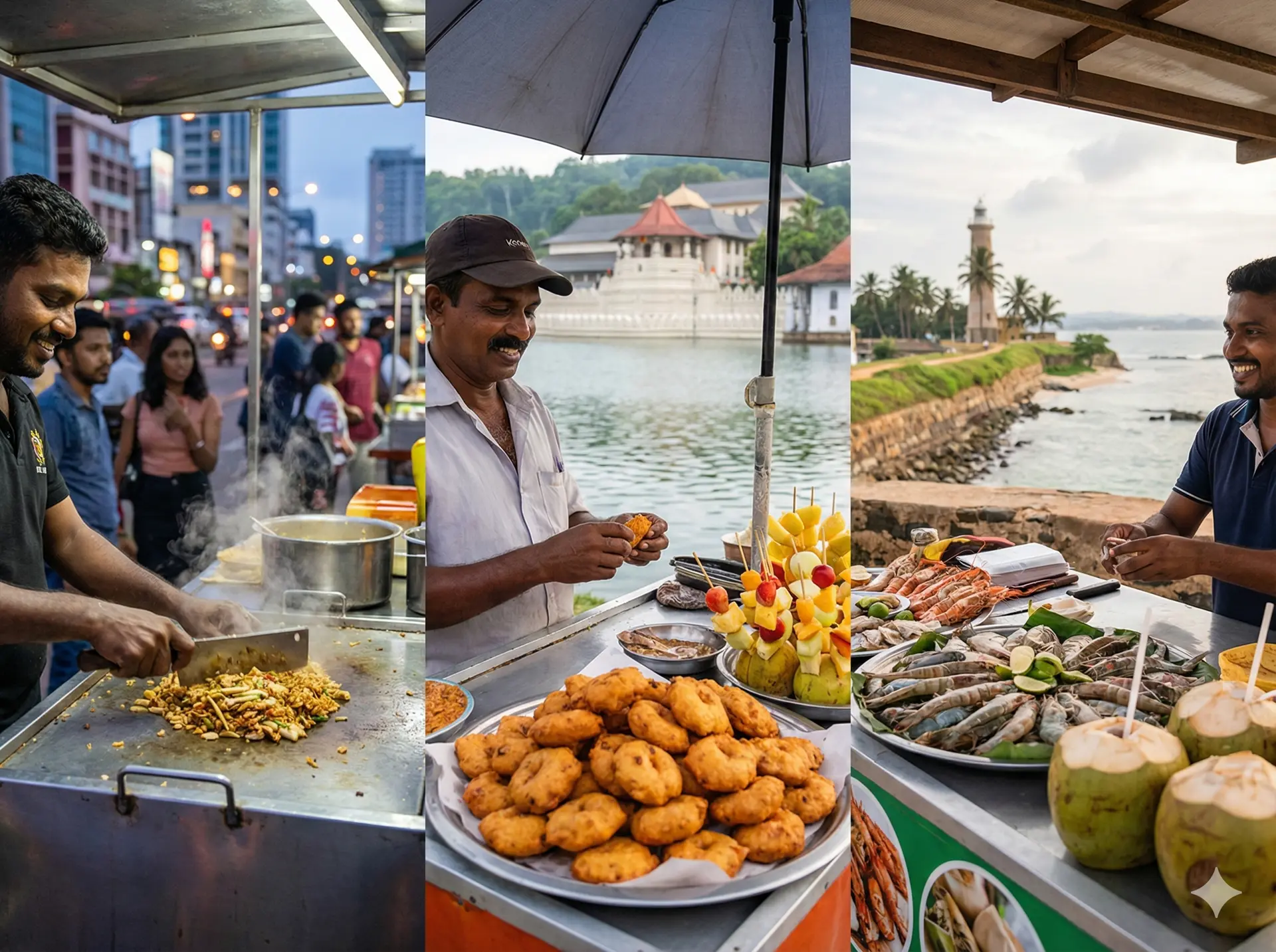
Nothing beats the sizzle of a fresh kottu roti on a bustling Colombo street or the crispy edge of a hopper from a Kandy night cart—our island's street food scene is alive and kicking in 2026, blending
How to Eat Like a Local in Sri Lanka: Rice & Curry, Short Eats, and More
Eating like a local in Sri Lanka isn't just about trying new dishes—it's about understanding how we live, celebrate, and gather around food. From the everyday rice and curry that anchors our tables to