Temple Etiquette in Sri Lanka: Dress Codes, Photography & Behaviour
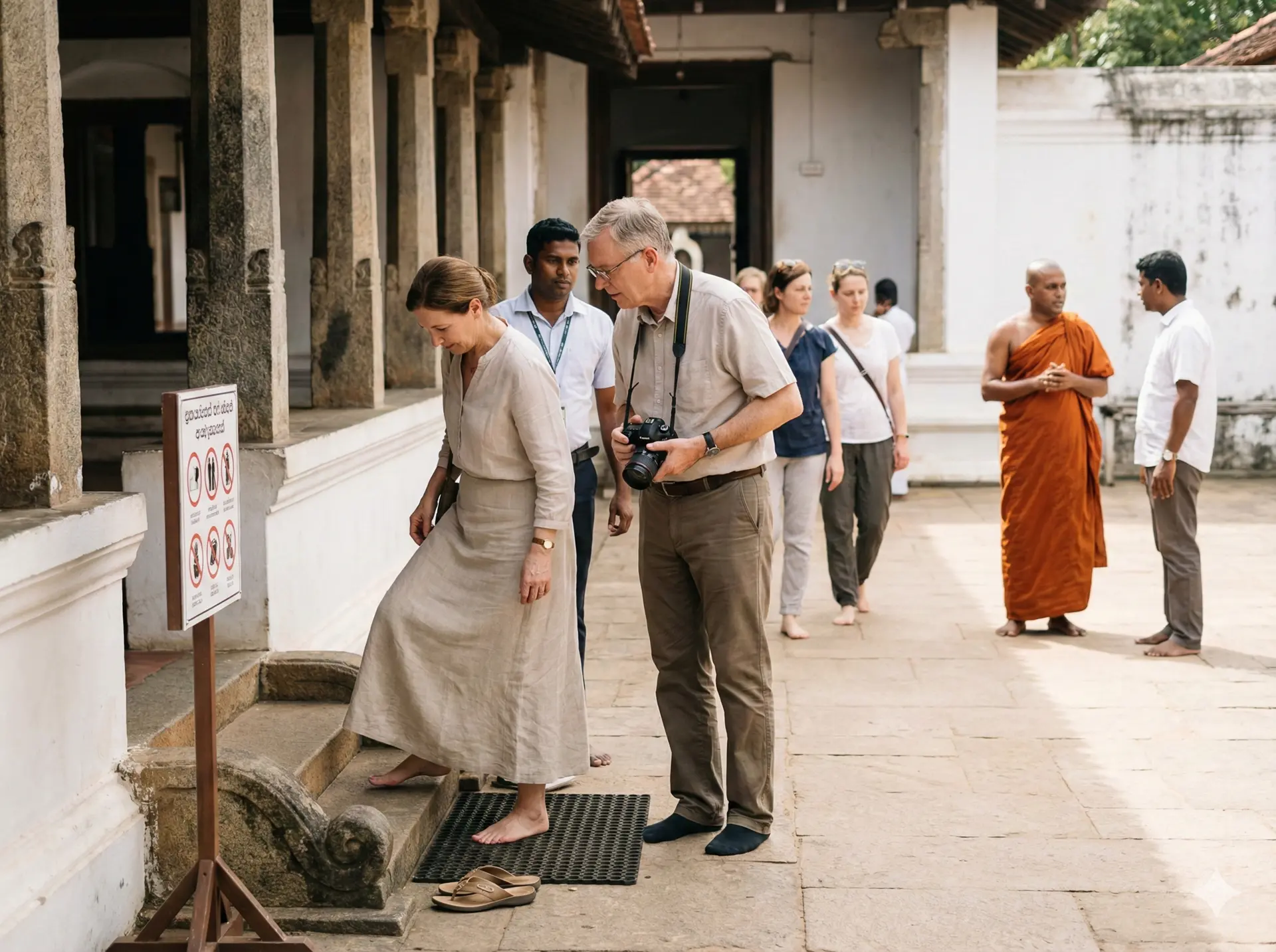
Visiting a Sri Lankan temple is a profound cultural experience, but it requires more than just turning up with a camera. Whether you're stepping into the Temple of the Sacred Tooth in Kandy or explori
The Lankawebsites editorial team curates, fact-checks, and updates guides on personal finance, property, health, immigration, legal, business, and lifestyle topics relevant to Lankawebsites readers. Articles are produced with AI assistance and reviewed by the editorial team before publication.
Visiting a Sri Lankan temple is a profound cultural experience, but it requires more than just turning up with a camera. Whether you're stepping into the Temple of the Sacred Tooth in Kandy or exploring the cave temples of Dambulla, understanding proper temple etiquette shows respect for our spiritual heritage and ensures you won't inadvertently offend local worshippers. This guide covers everything you need to know about dress codes, behaviour, photography, and the unwritten rules that make temple visits meaningful rather than awkward.
Why Temple Etiquette Matters in Sri Lanka
Sri Lanka's temples aren't museums or tourist attractions—they're living, breathing spiritual spaces where locals come to pray, meditate, and make offerings. When you visit, you're entering someone's place of worship. The rules aren't arbitrary or old-fashioned; they're rooted in Buddhist principles about respect, humility, and mindfulness. Breaking these rules can genuinely upset devotees and damage ancient artwork. More practically, you might be asked to leave or face an uncomfortable situation. Getting the basics right means you'll have a respectful, enriching experience instead.
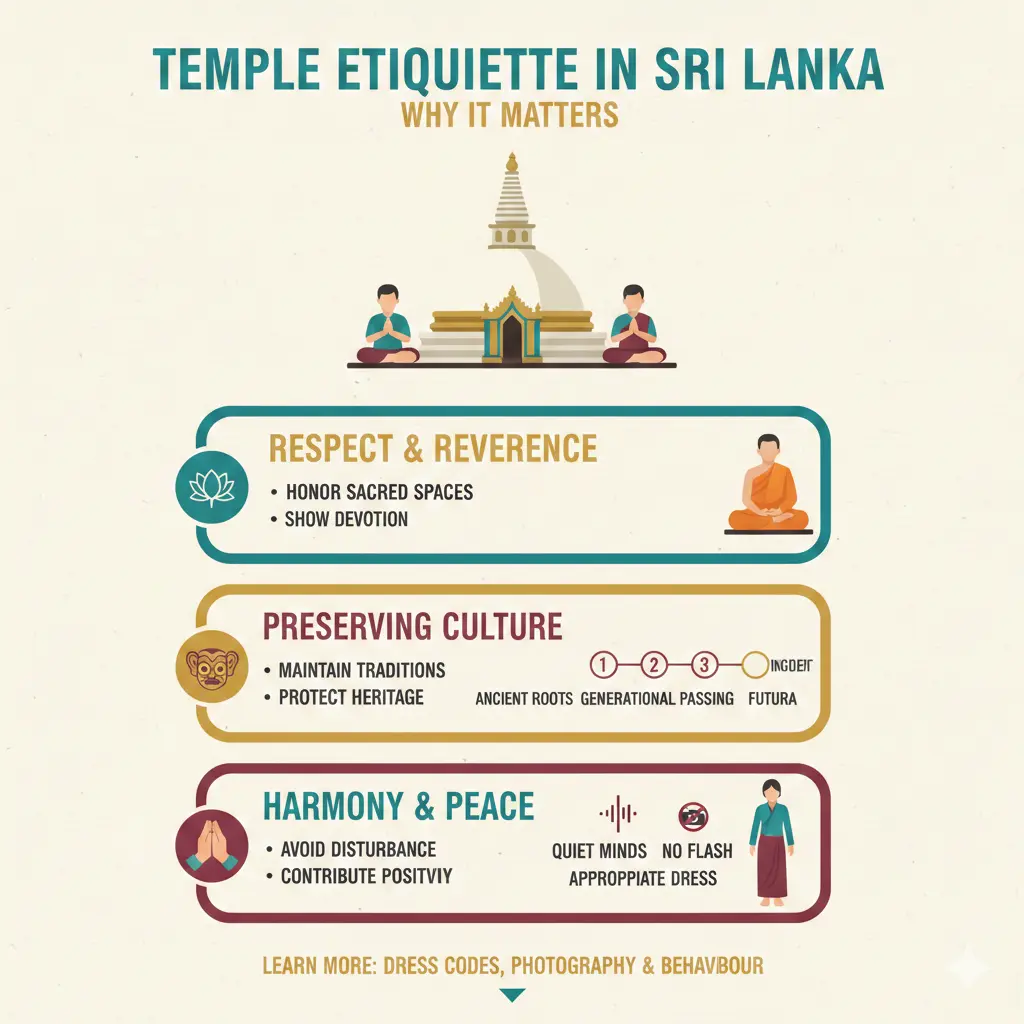
Dress Code: What to Wear at Temples
Essential Clothing Rules
The golden rule is modest dress covering shoulders and knees. This isn't negotiable at major temples, and it's the baseline for respectful behaviour. Here's what you actually need:
- Shoulders covered: No sleeveless tops, tank tops, or low-cut blouses. A t-shirt, long-sleeved shirt, or modest top works perfectly.
- Knees covered: Long trousers, long skirts, or sarongs. Avoid leggings worn as outerwear—they're not considered appropriate.
- No beachwear: Bikinis, swimsuits, or beach dresses are completely inappropriate, even if you're visiting a coastal temple.
- No Buddha imagery: Don't wear t-shirts, trousers, or dresses with Buddha printed on them. It's deeply disrespectful.
Gender-Specific Guidelines
While the basic rules apply to everyone, there are some gender considerations:
For women: A modest top (covered shoulders) paired with long skirts or trousers is ideal. Many women bring a shawl or scarf to cover their head when making offerings at the altar—this shows additional respect. You'll notice local women doing this, and it's entirely optional but appreciated.
For men: A t-shirt and long trousers or sarong work well. Remove tank tops before entering. Many Sri Lankan men wear a sarong, which is traditional, cool, and perfectly acceptable at temples.
Footwear and Socks
Remove your shoes before entering temple premises—not just the building, but the entire temple grounds. You'll find shoe racks or designated areas at the entrance. Bring socks if you're visiting during midday, as stone steps can become extremely hot in the tropical sun. Dark-coloured socks are less noticeable and more practical. No one will mind if you keep your socks on while walking around; locals understand the challenge of hot stone floors.
Hats and Sunglasses
Remove hats before entering temple buildings or approaching Buddha statues. Sunglasses can stay on outside in the bright sun, but take them off when entering buildings or sacred areas.
Behaviour and Conduct Inside Temples
Maintain Silence and Respect
Keep your voice low or silent, especially in prayer areas. Whisper if you must speak, and turn your phone to silent—not vibrate, but completely silent. This is particularly important at major temples like the Temple of the Sacred Tooth in Kandy, where silence in the relic chamber is essential. Remember, devotees are meditating and making offerings; your noise disrupts their spiritual practice.
At Dambulla Cave Temple, the acoustics amplify even whispers, so keep your voice especially low and movements calm.
Sitting and Foot Etiquette
One of the most important rules: never point your feet toward Buddha statues or other people. In Buddhist culture, feet are considered the lowest part of the body, so this is genuinely offensive. When sitting, tuck your feet under you or to the side. Don't stretch your legs out, and never use your foot to point, push objects, or get someone's attention.
When sitting in temples, you can sit cross-legged or with legs tucked to the side. If you need to move closer to make an offering, kneel rather than crawl or shuffle awkwardly.
Keep Your Head Lower Than Buddha
In Buddhist etiquette, the head is considered the highest part of the body. When approaching Buddha statues, keep your head lower than the statue—sit or kneel if necessary. This shows humility and respect.
Walking Around Stupas and Shrines
Walk clockwise around stupas and shrines. This aligns with Buddhist practice and is how local devotees move. If you're unsure which direction to go, simply follow the locals.
Avoid Physical Affection
Don't hug, kiss, or hold hands inside temples, even with your partner. Physical affection is viewed as inappropriate in sacred spaces. Save the cuddles for outside the temple grounds.
Interacting with Monks
If a monk enters the room, stand as a sign of respect. You can offer your seat to a monk, bow slightly when greeting, and listen respectfully if they speak to you. However, never sit higher than a monk—if they're sitting, you sit too.
Women should never touch a monk or hand items directly to them. This isn't discrimination; it's part of monks' vows. Instead, place items down and let the monk pick them up.
Follow the Lead of Local Worshippers
If you're unsure what to do, watch Sri Lankan devotees and mirror their behaviour. If they're removing shoes, you remove shoes. If they're bowing, you can bow. If they're sitting in a particular way, sit similarly. This simple approach covers most situations and shows genuine respect.
Photography: Capturing Temples Respectfully
Flash Photography is Prohibited
Never use flash when photographing inside temples. Flash damages ancient paintings and artwork that's centuries old, and it's also disruptive to people praying. Many temples prohibit photography entirely in certain areas—respect these rules absolutely. Look for signs indicating restricted zones.
No Selfies Near Monks or Statues
Don't take selfies or photos near monks without permission. Monks appreciate privacy and quiet reflection. Similarly, avoid taking selfies directly in front of Buddha statues—it can come across as irreverent.
Ask Permission
If you want to photograph something specific, ask a temple official or monk first. Most will be happy to help, and you'll get better photos with their guidance anyway.
Special Rules at Major Temples
Temple of the Sacred Tooth (Kandy)
This is Sri Lanka's most sacred Buddhist site. Silence is especially golden here—no loud talking in the relic chamber. Flower offerings are allowed and are actually encouraged; you can buy them from vendors outside. Dress code is strictly enforced, so make sure you're covered properly.
Dambulla Cave Temple
With five cave temples housing 150 Buddha statues, Dambulla is spectacular but requires careful behaviour. The cave acoustics amplify sound, so keep your voice particularly low. Never point your feet toward Buddha statues, and avoid physical affection inside the caves. The dress code follows standard Buddhist temple rules: covered shoulders and knees.
Common Mistakes to Avoid
- Turning your back to Buddha statues: Always exit walking backward or by turning to face the statue as you leave.
- Touching statues or structures: Don't climb on structures or touch ancient statues, no matter how photo-worthy they look.
- Eating, drinking, or smoking: Temples are sacred spaces. Save your water bottle, snacks, and cigarettes for outside the gates.
- Raising your voice or showing anger: Keep your emotions in check and your volume low.
- Ignoring posted rules: If a temple has specific signs or restrictions, follow them. Some temples have traditional restrictions on women of menstruating age entering very sacred areas—respect whatever rules are posted.
Final Thoughts
Temple etiquette in Sri Lanka isn't complicated once you understand the "why" behind the rules. These guidelines exist because temples are sacred spaces for our communities—places where people connect spiritually and find peace. When you dress modestly, keep quiet, respect monks, and follow basic conduct rules, you're not just avoiding offence; you're participating respectfully in Sri Lankan culture.
Before your next temple visit, use this checklist: appropriate clothing (covered shoulders and knees), socks for hot floors, shoes removed, phone on silent, feet tucked, voice low, and camera flash off. You'll have a meaningful experience, and locals will appreciate your respect for our spiritual heritage.
Frequently Asked Questions
Sources & References
-
1
Sri Lanka Do's and Don'ts 2026: 50+ Essential Rules Every Tourist Should Know — www.srilankatravelhub.com
-
2
Sri Lanka Temple Etiquette: Sacred Do's & Don'ts (2025 Guide) — havenlanka.com
-
3
Customs and Etiquette in Sri Lanka — www.roughguides.com
-
4
Dambulla Temple Dress Code: What You Should Know — explorehiddensrilanka.com
-
5
Dos & Don'ts of Travelling in Sri Lanka — www.exodustravels.com
Useful Tools
Related Articles

Tea vs Coconut: Signature Flavours That Define Sri Lankan Cuisine
When you think of Sri Lanka's culinary identity, two ingredients immediately come to mind: tea and coconut. Both are woven into the fabric of our island's food culture, yet they play distinctly differ
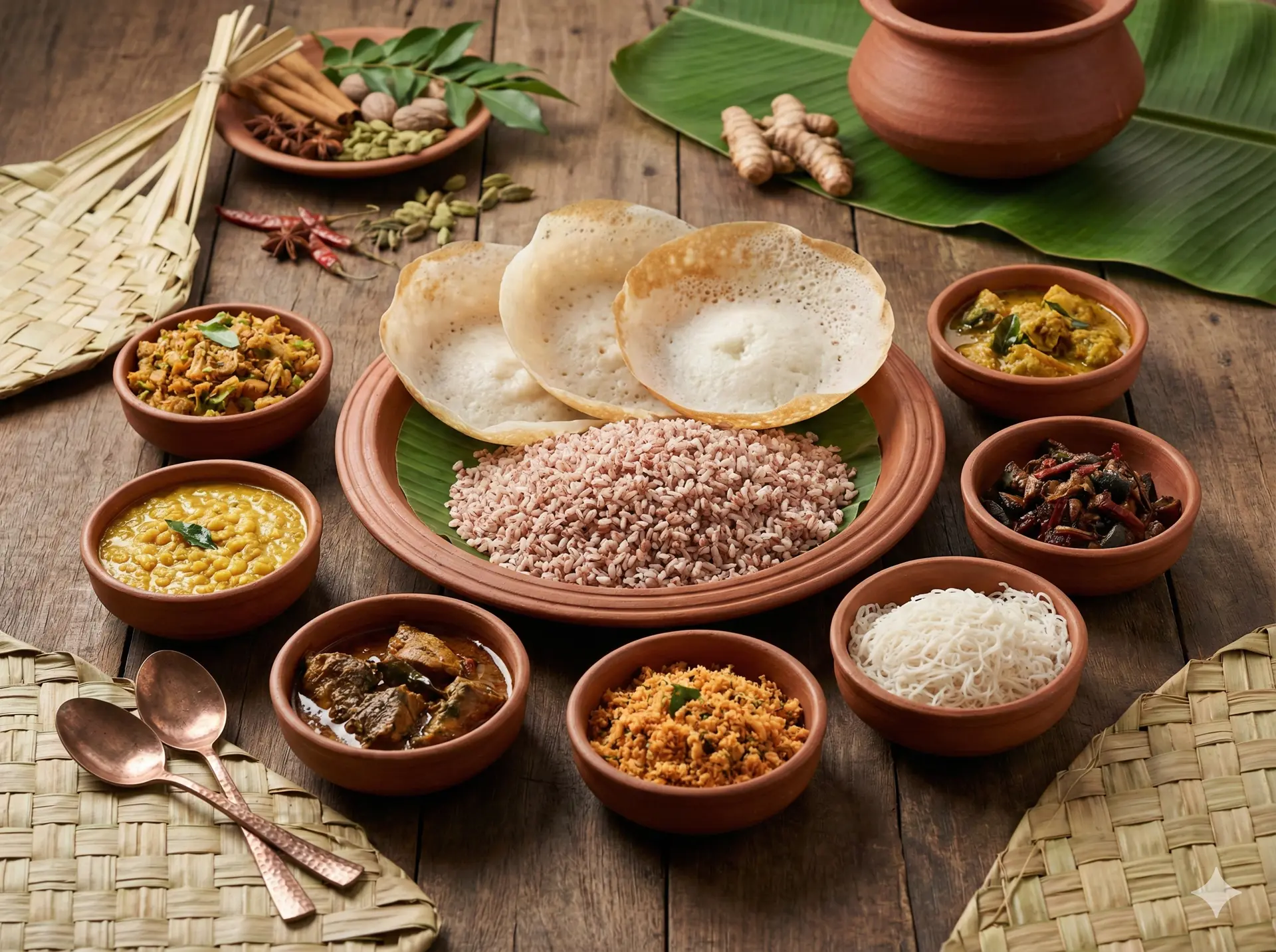
Sri Lankan Food Guide: 20 Dishes Every Visitor Must Try
Sri Lanka's food scene bursts with bold flavours, fresh coconut, and spices that tell our island's story—from misty hill country curries to fiery coastal sambols. Whether you're sharing a rice and cur
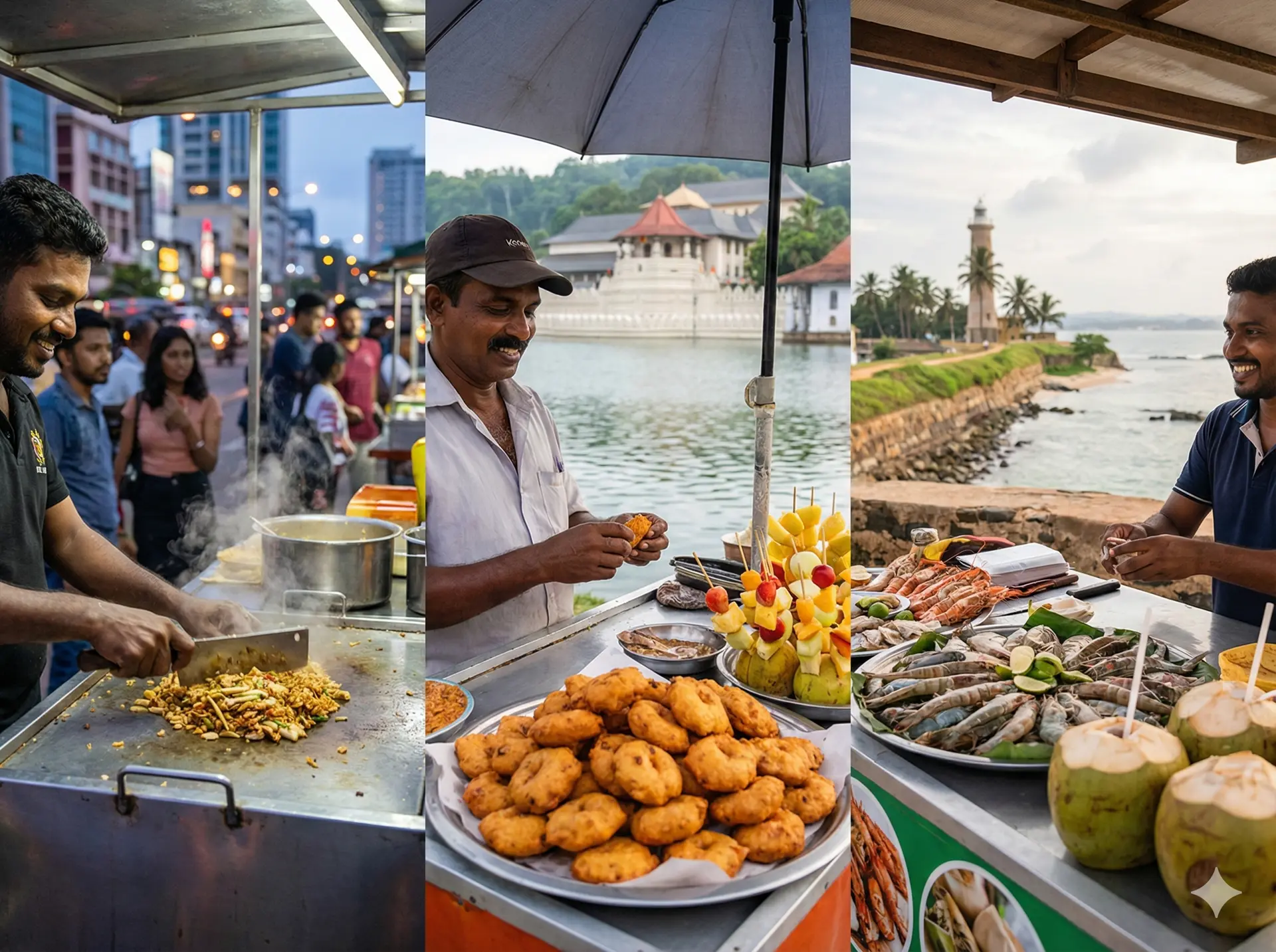
Best Street Food in Colombo, Kandy & Galle – and Where to Find It
Nothing beats the sizzle of a fresh kottu roti on a bustling Colombo street or the crispy edge of a hopper from a Kandy night cart—our island's street food scene is alive and kicking in 2026, blending
How to Eat Like a Local in Sri Lanka: Rice & Curry, Short Eats, and More
Eating like a local in Sri Lanka isn't just about trying new dishes—it's about understanding how we live, celebrate, and gather around food. From the everyday rice and curry that anchors our tables to