Dry Zone Ecosystems: Scrub Forests and Grasslands
Imagine trekking through vast expanses of sun-baked earth where sturdy scrub forests give way to golden grasslands swaying in the hot breeze. That's the heart of Sri Lanka's Dry Zone Ecosystems: Scrub
The Lankawebsites editorial team curates, fact-checks, and updates guides on personal finance, property, health, immigration, legal, business, and lifestyle topics relevant to Lankawebsites readers. Articles are produced with AI assistance and reviewed by the editorial team before publication.
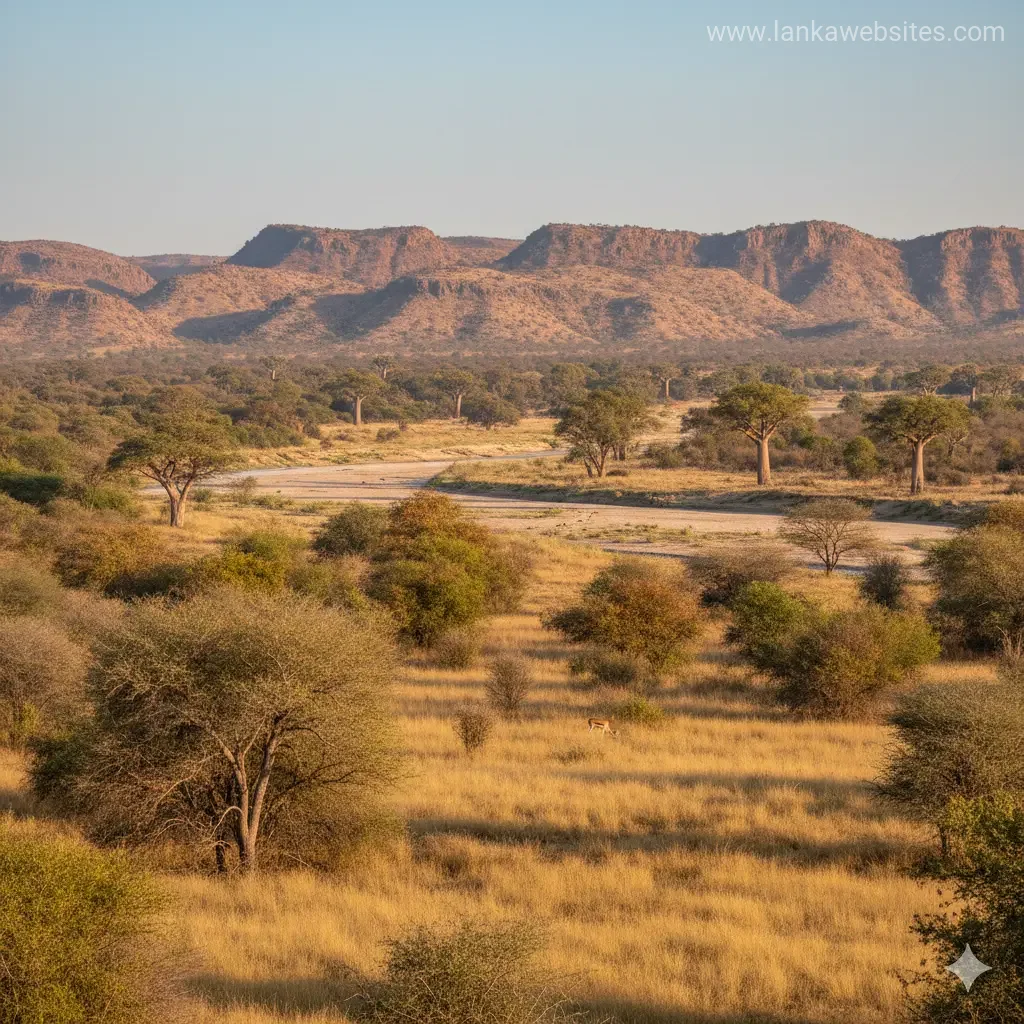
Imagine trekking through vast expanses of sun-baked earth where sturdy scrub forests give way to golden grasslands swaying in the hot breeze. That's the heart of Sri Lanka's Dry Zone Ecosystems: Scrub Forests and Grasslands, covering nearly three-quarters of our island and teeming with life adapted to the relentless dry season. These resilient landscapes, from the elephant-rich plains of Yala to the villu grasslands of the northeast, aren't just scenery—they're vital for our biodiversity, water cycles, and even our cultural heritage.
As locals, we've all felt the Dry Zone's harsh beauty, whether driving through Anuradhapura's scrublands or spotting deer near Minneriya. But with climate change intensifying droughts and human pressures mounting, understanding these ecosystems helps us protect them. In this guide, we'll explore their unique features, wildlife, threats, and how you can get involved—drawing on the latest 2026 insights from official sources.
What Are Dry Zone Ecosystems?
Sri Lanka's Dry Zone spans about 75% of the island, roughly 48,400 square kilometres, excluding the southwestern wet corner, Central Highlands, and northern Jaffna Peninsula. Here, scrub forests and grasslands dominate, shaped by seasonal monsoons, prolonged droughts, and ancient geological ties to India's Deccan Plateau—separated around 12,000 years ago.
Unlike typical tropical dry forests that shed leaves in the dry season, our Dry Zone boasts **dry evergreen forests** where most trees keep their foliage year-round. This sets them apart, resembling only a few global ecoregions like India's East Deccan dry evergreen forests. Dry Zone forests make up about 86.5% of Sri Lanka's total forested area, with dry mixed evergreen types being the most extensive at 16.8% of land cover.
Scrub Forests: Tough and Timeless
Scrub forests thrive in disturbed or regenerating areas, featuring thorny species like Bauhinia racemosa, Pterospermum suberifolium, Cassia fistula, and Dichrostachys cinerea. Acacia thorn scrub pops up in heavily altered spots. In mature stands, canopies reach 13-20 metres, layered with sub-canopy shrubs. Dominant trees include Manilkara hexandra (Ceylon satinwood), wood-apple, and golden rain tree, whose yellow blooms light up the canopy.
These forests grade into tropical thorn forests in the arid northwest and southeast, where temperatures soar above 34°C and rainfall dips below 1,250mm annually. Low, open thorny scrub with scattered trees defines them—think Bundala's rugged edges.
Grasslands and Savannahs: The Open Plains
Grasslands vary widely: wet patana at high elevations like Horton Plains (above 1,800m), dry patana, savannahs, and riverine types. In the Dry Zone, northeastern villu—seasonal floodplain grasslands—feature grasses like Cymbopogon, Eragrostis, Themeda, and Imperata. These attract herbivores during droughts.
Savannahs, influenced by fire, climate, and past slash-and-burn farming, mix flat grasslands with scrub. Savannah plants like Tamilnadia uliginosa hint at ancient origins. Bundala National Park showcases 10 habitats, including scrublands, grasslands, and seasonal wetlands.
Unique Flora and Fauna
These ecosystems pulse with life. Dry evergreen forests host over 6,000 Asian elephants—one of Asia's largest populations—plus sloth bears feasting on Manilkara fruits and wood-apple for elephants. A 3km² Polonnaruwa study found 63 tree species, with Drypetes dominating.
- Endemics: Ritigala's high-elevation short forests shelter unique species; riverine spots like Waturana boast Mesua stylosa and Stemonoporus moonii.
- Grassland stars: Deer, birds, and insects thrive in talawa patches and villus.
- Birds and reptiles: Savannahs buzz with peafowl, munias, and snakes adapted to open terrain.
Wasgamuwa National Park blends scrub, grasslands, and riverine forests for diverse wildlife viewing.
Protected Areas and Conservation Efforts
About 37% of the ecoregion (17,736 km²) falls under protection, including giants like Yala/Ruhuna and Wilpattu (both over 1,000 km²). Dry monsoon forests cover 10,940 km², the largest type. Since a civilisation collapse 500 years ago, these reserves have safeguarded regrowth.
In 2026, the Forest Department and Department of Wildlife Conservation enforce the Fauna and Flora Protection Ordinance, banning unauthorised tree felling and grazing in reserves. Community patrols in Anuradhapura and Polonnaruwa districts monitor elephant corridors. Reforestation targets 50,000 hectares by 2030 under the National Biodiversity Action Plan.
Threats Facing Our Dry Zone
Challenges include deforestation for chena cultivation, invasive Prosopis juliflora in grasslands, and droughts worsened by climate shifts—2025 saw 20% less rainfall in Puttalam. Elephants raid farms due to habitat loss, sparking human-wildlife conflict.
Practical Tips for Locals: Explore and Protect
We're lucky—these ecosystems are in our backyard. Here's how to engage responsibly:
- Visit sustainably: Join guided safaris in Yala or Udawalawe (Rs. 500-2,000 entry, 2026 rates). Stick to paths to avoid scrub damage.
- Plant natives: Home gardens with Cassia fistula or Manilkara support pollinators. Source seedlings from Divisional Forest Offices (free for locals under community schemes).
- Report issues: Spot illegal logging? Call Wildlife Conservation hotline 1926 or Forest Dept at 011-2884132.
- Citizen science: Use the mPirinna app (2026 update) to log grassland species for Forest Department data.
- Agroforestry: Farmers in Dry Zone districts like Hambantota: Integrate scrub species to boost soil health and elephant-deterring fences (govt subsidies available).
For school trips, Horton Plains' patana or Bundala's villu offer hands-on learning—book via divisional offices.
FAQ
What distinguishes Dry Zone scrub forests from wet zone ones?
Dry Zone forests are evergreen with thorny scrub, adapted to long droughts, unlike the deciduous, lush wet zone rainforests.
Where can I see the best grasslands in Sri Lanka?
Try Bundala for savannahs, Minneriya villu for elephants, or Wasgamuwa for mixed grasslands—perfect for day trips from locals.
Are there laws protecting these ecosystems?
Yes, the Fauna and Flora Protection Ordinance prohibits habitat destruction; fines up to Rs. 100,000 in 2026. Check Forest Department guidelines.
How does climate change affect Dry Zone grasslands?
Prolonged droughts reduce villu water, stressing grasses and wildlife. Adaptation includes fire management by DEWC.
Can I volunteer for conservation?
Join Forest Department reforestation drives or DEWC elephant monitoring—register at local divisional offices.
What's the biggest threat to scrub forests?
Chena farming and invasives like Prosopis; community reporting helps curb it.
Next Steps: Your Role in Preservation
Our Dry Zone ecosystems aren't just landscapes—they're our lifeblood, supporting over 6,000 elephants, endemic plants, and tourism jobs. Start small: plant a native sapling this Yala season, visit a park responsibly, or advocate for corridors in your pradeshiya sabha. Check Forest Department's 2026 calendar for free workshops in Anuradhapura and Hambantota. Together, we can keep these scrub forests and grasslands thriving for generations.
Related Articles

Coral Reefs and Marine Ecosystems
Introduction to Coral Reefs and Marine Ecosystems Coral reefs are some of the most diverse and fascinating ecosystems on the planet. Located in the warm,

The Ironwood Tree (Na): Unique to Sri Lanka
Introduction to the Ironwood Tree The Ironwood Tree, also known as Na in Sinhala, is a unique and fascinating species found only in Sri Lanka. As a New Ze

Endemic Palms and Bamboo Species
Introduction to Endemic Palms and Bamboo Species As you explore the beautiful landscapes of New Zealand, you may have noticed the unique and fascinating pl

Forest Types: Lowland, Montane, and Dry Evergreen
Introduction to New Zealand's Forest Types New Zealand is renowned for its stunning natural beauty, and its forests are a significant part of this appeal.