Offbeat East Coast: Oluvil, Ninthavur & Remote Surf Beaches
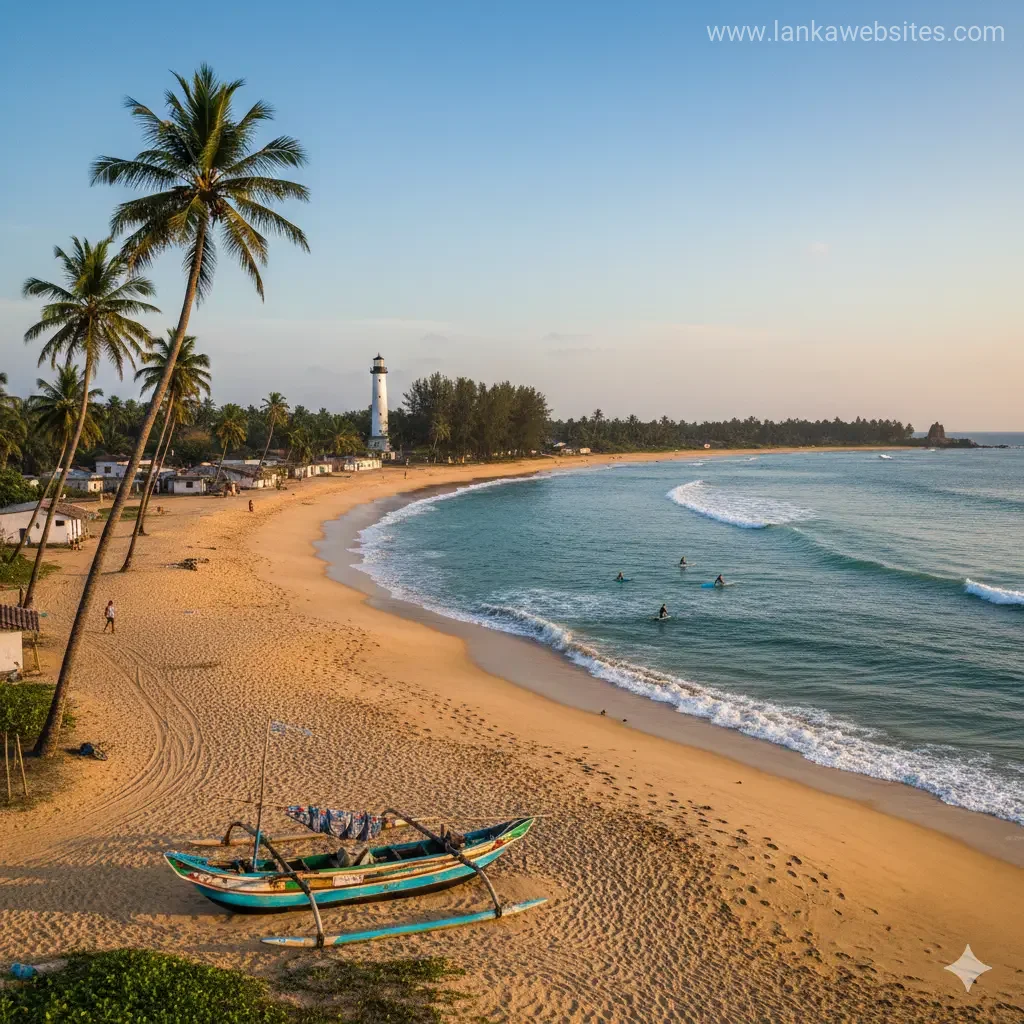
Sri Lanka's east coast remains one of the island's best-kept secrets, offering travellers a chance to escape the crowded tourist trails and discover authentic coastal experiences. While the south coas
The Lankawebsites editorial team curates, fact-checks, and updates guides on personal finance, property, health, immigration, legal, business, and lifestyle topics relevant to Lankawebsites readers. Articles are produced with AI assistance and reviewed by the editorial team before publication.
Sri Lanka's east coast remains one of the island's best-kept secrets, offering travellers a chance to escape the crowded tourist trails and discover authentic coastal experiences. While the south coast draws surfers and beach-goers by the thousands, the remote beaches around Oluvil and Nintavur offer something different—consistent waves, uncrowded sands, and a genuine connection to local culture. Whether you're chasing barrels or simply seeking solitude, the offbeat east coast delivers both.
Why the East Coast is Worth Your Time
The east coast operates on its own surf rhythm. Whilst the southwest coast peaks from November to April, the eastern beaches come alive from May to October, when monsoon swells create consistent, quality waves. This means you'll find rideable waves here when the south coast goes flat—and you'll do it with a fraction of the crowds.
Nintavur Beach exemplifies this appeal perfectly. Ranked 126th among Sri Lanka's 235 beaches, this 1.4-kilometre stretch of sand sits in the Bay of Bengal and offers shallow, family-friendly conditions alongside emerging recognition as a serious surf destination. The beach features essential infrastructure including changing cabins, cafes, and sunbeds, yet maintains the peaceful, uncrowded atmosphere that makes it special.
The journey here is part of the experience. Located 226 kilometres from Colombo, Nintavur requires genuine effort to reach—which naturally filters out day-trippers and keeps the vibe authentic. The nearest settlement is just 1.4 kilometres away, making it easy to support local businesses and experience genuine hospitality.
Understanding the East Coast Surf Season
Sri Lanka's two-coast system is one of its greatest advantages for surfers. The east coast catches swell from May through October, when the southwest monsoon creates consistent, rideable conditions. This means you can chase waves year-round by choosing your coast strategically.
Water temperatures remain warm throughout the year, ranging from 27.6°C in January to 30.7°C in May. You'll rarely need more than board shorts, and the warm water makes extended sessions comfortable even for beginners.
Nintavur: The Emerging Gem
What Makes Nintavur Special
Nintavur's appeal lies in its combination of accessibility and authenticity. The beach is easy to reach by car or taxi with no lengthy walk required, yet it remains refreshingly underdeveloped compared to southern hotspots. The sandy shore is very clean, with a natural beauty created by lush greenery and turquoise water.
The beach's emerging reputation among surf enthusiasts is well-earned—consistent waves and relatively uncrowded conditions make it ideal for surfers seeking progression without the pressure of crowded breaks. Unlike famous spots like Hikkaduwa or Mirissa, you won't battle dozens of other surfers for waves.
Who Should Visit Nintavur
Nintavur caters to several groups particularly well. The shallow water and gentle descent make it excellent for families with children. Older travellers appreciate the peaceful atmosphere and easy accessibility, whilst intermediate surfers love the uncrowded waves and room to progress.
The infrastructure supports comfortable stays without overwhelming development. You'll find places to change, eat, and rest, but you won't find high-rise hotels or chain restaurants dominating the landscape.
Oluvil and the Wider Ampara District
Oluvil serves as the gateway to the eastern coast's hidden beaches. Located in Ampara District, this area offers multiple beach options beyond Nintavur, including Oluvil Hawayana Beach, which attracts visitors seeking adventure sports and day-outing experiences.
The Ampara District concentrates some of Sri Lanka's most remote coastal experiences. From camping sites to yoga and Ayurveda retreats, the region caters to travellers seeking wellness and adventure beyond typical beach holidays.
Surf Spots for Different Skill Levels
Beginner-Friendly Options
If you're new to surfing, the east coast offers several forgiving options. Dewata Beach near Galle provides an extremely mellow, protected cove ideal for first sessions. Baby Point, the gentle inside section of famous Main Point, offers progression opportunities without overwhelming power.
Hiriketiya Bay delivers manageable waves within a small bay featuring a supportive community atmosphere—perfect for building confidence.
Intermediate Breaks
Intermediate surfers thrive on the east coast. Spots like Pottuvil Point deliver quality right-handers with significantly fewer crowds than famous Main Point, with typically only 10-15 surfers in the water. The wally right-hander offers steep faces and occasional barrels whilst remaining more protected from afternoon winds than Main Point.
Advanced Challenges
For experienced surfers, Arugam Bay's Main Point remains world-class, featuring big waves, deep reefs, and powerful conditions. Midigama's reef breaks (Coconuts, Rams, and Lazy Left) offer challenging options suitable for advanced surfers seeking progression.
Practical Information for Your Visit
Getting There
Nintavur and Oluvil are accessible by car or taxi, though the journey from Colombo takes several hours. Consider hiring a driver familiar with the route—they'll navigate the roads and connect you with local guides and accommodation options. Public transport exists but requires patience and time.
When to Visit
Plan your east coast visit between May and October for the best surf conditions. Outside this window, the southwest coast (November-April) offers superior waves. However, the east coast remains swimmable and visitable year-round thanks to warm water temperatures.
What to Bring
Pack board shorts, rash guards, and sun protection. Bring a light rain jacket for occasional showers during the monsoon season. Reef shoes protect your feet on rocky sections. Whilst basic supplies exist locally, bringing any specialised gear from Colombo ensures you have exactly what you need.
Budget Considerations
The east coast is considerably more affordable than the south coast. Surf camps operate from approximately €400 per week, and local guesthouses cost significantly less than beachfront resorts. Food, transport, and activities remain budget-friendly, making extended stays accessible.
Beyond Surfing: Local Experiences
The offbeat east coast offers more than waves. Visit local fishing villages to understand traditional livelihoods, sample fresh seafood prepared by families rather than restaurants, and engage with communities genuinely interested in sharing their culture.
Nintavur's proximity to local settlements (just 1.4 kilometres) makes it easy to explore beyond the beach. Support local cafes, hire local guides, and purchase handicrafts directly from makers. Your spending directly benefits the communities hosting you.
The wider Ampara District offers yoga and Ayurveda retreats for those seeking wellness experiences alongside coastal relaxation.
Frequently Asked Questions
Is the east coast safe for tourists?
Yes, the east coast is safe for tourists. Exercise standard travel precautions—avoid displaying valuables, stay aware of your surroundings, and respect local customs. The uncrowded nature of these beaches actually enhances safety by creating tight-knit communities where locals look out for visitors.
Do I need a visa to visit Sri Lanka?
Most nationalities require either an Electronic Travel Authorisation (ETA) or visa to enter Sri Lanka. Check current requirements with your nearest Sri Lankan embassy or official government sources before booking your trip.
What's the best way to get a surfboard to the east coast?
Hire boards locally from surf camps and guesthouses rather than transporting your own. East coast operators stock quality boards suitable for local conditions, and hiring supports local businesses. If you must bring your own board, pack it carefully and allow extra time for airport procedures.
Can I visit during the southwest monsoon (May-October)?
Yes—this is precisely when the east coast shines. The southwest monsoon creates the swell that makes the east coast special. However, expect occasional heavy rain and occasional rough conditions. Come prepared for both sunshine and showers.
Are there accommodation options besides surf camps?
Absolutely. Guesthouses, family-run hotels, and homestays operate throughout the Ampara District. Nintavur and Oluvil offer various options, from basic rooms to comfortable mid-range accommodation. Book ahead during peak season (May-October) to secure your preferred choice.
What should I know about local customs?
Respect local culture by dressing modestly away from the beach, asking permission before photographing people, and learning basic Sinhala greetings. The east coast communities are welcoming but appreciate visitors who show genuine respect for their way of life.
Making Your East Coast Adventure Happen
The offbeat east coast—Nintavur, Oluvil, and the remote beaches beyond—represents authentic Sri Lanka. You'll find consistent waves, uncrowded breaks, warm water, and genuine hospitality. The journey requires more effort than heading to Hikkaduwa or Mirissa, but that effort is precisely what preserves these places.
Start planning your visit by researching accommodation options in Ampara District and Nintavur. Connect with local surf camps to arrange lessons or board rental. Check current visa requirements and book your travel during the May-October season for optimal conditions.
The east coast is waiting—less crowded, equally beautiful, and authentically Sri Lankan.
Related Articles

Wilpattu Buffer Villages: Community Stays Near the Park
This article references the following sources for accuracy and further reading:

Kilinochchi & Mullaitivu: War History, Lagoons & Emerging Tourism
Introduction to Kilinochchi and Mullaitivu Kilinochchi and Mullaitivu are two towns located in the Northern Province of Sri Lanka, an island nation in the

Avissawella & Seethawaka: Waterfalls & Gardens Near Colombo
Introduction to Avissawella and Seethawaka If you're looking for a relaxing getaway from the hustle and bustle of city life in Colombo, Sri Lanka, then Avi

Top Island Escapes Around Sri Lanka: Delft, Nainativu, Pigeon Island & More
Introduction to Sri Lanka's Island Escapes As a New Zealander, you're likely no stranger to beautiful coastlines and stunning islands. However, if you're