Russell's Viper: Dangerous Venomous Snake
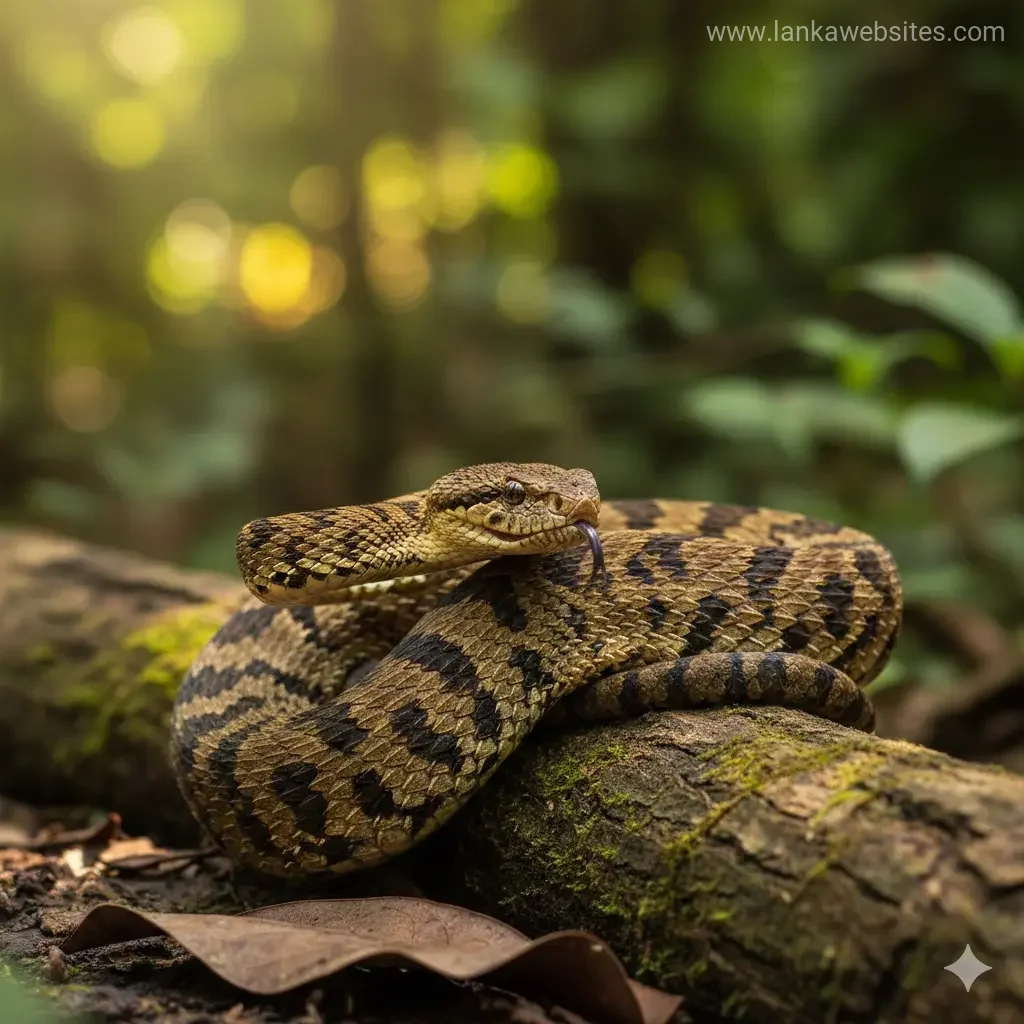
Russell's viper is one of the most dangerous snakes you'll encounter in Sri Lanka, responsible for more human deaths across South Asia than any other snake species. Understanding where this highly ven
The Lankawebsites editorial team curates, fact-checks, and updates guides on personal finance, property, health, immigration, legal, business, and lifestyle topics relevant to Lankawebsites readers. Articles are produced with AI assistance and reviewed by the editorial team before publication.
Russell's viper is one of the most dangerous snakes you'll encounter in Sri Lanka, responsible for more human deaths across South Asia than any other snake species. Understanding where this highly venomous snake lives, how to identify it, and what to do if you're bitten could save your life or someone else's. This guide covers everything Sri Lankan residents need to know about this deadly serpent and how to stay safe.
What is Russell's Viper?
Russell's viper (Daboia russelii) is a highly venomous pit viper found across South Asia, including here in Sri Lanka. The snake is named after Patrick Russell, a Scottish naturalist who documented it in the late 18th century. It's considered one of the "Big Four" snakes responsible for the most snakebite deaths in Asia, alongside the cobra, krait, and saw-scaled viper.
This snake is particularly dangerous because of its potent haemotoxic venom, which destroys blood cells and tissue. Even a single bite contains enough venom to cause severe injury or death if left untreated.
Where You'll Find Russell's Viper in Sri Lanka
Habitat and Distribution
Russell's viper is found throughout Sri Lanka, though it's not evenly distributed across the island. The snake prefers open, grassy, and bushy areas rather than dense forests. You're most likely to encounter one in:
- Farmland and agricultural areas
- Rocky regions and dry grasslands
- Second-growth forests and scrub jungles
- Forested plantations
- Plains and coastal lowlands
The snake generally avoids humid environments like marshes, swamps, and rain forests. It's typically found at lower altitudes, though it has been recorded at heights of 2,300–3,000 metres.
Why These Areas?
Russell's vipers thrive in areas where they can hunt small mammals and other prey. If you live or work in farming communities, rural areas, or near grasslands, you're in territory where these snakes are active, particularly during warmer months.
Identifying Russell's Viper
Identifying this snake correctly is crucial for your safety. Russell's viper is a stocky, medium-sized viper with distinctive features:
- Colour: Typically brown, grey, or reddish with darker markings
- Body shape: Thick and muscular, giving it a compact appearance
- Head: Triangular-shaped head (characteristic of pit vipers)
- Size: Usually 1–1.5 metres long, though some can reach up to 2 metres
- Markings: Dark spots or bands along the body
The most reliable identifier is the triangular head shape and the snake's stocky build. If you're unsure whether a snake is a Russell's viper, treat it with extreme caution and keep your distance.
Why Russell's Viper is So Dangerous
Venom Composition
Russell's viper venom is haemotoxic, meaning it destroys blood cells and damages tissue. This causes:
- Severe bleeding and haemorrhaging
- Tissue death (necrosis) around the bite area
- Kidney failure
- Shock and organ failure if untreated
Aggressive Behaviour
Unlike many snakes that try to escape, Russell's vipers are known for being relatively aggressive when threatened. They'll strike repeatedly if cornered, and they don't always give warning before attacking. This makes accidental encounters particularly dangerous.
High Fatality Rate
Without prompt antivenom treatment, bites from Russell's viper are often fatal. Even with treatment, victims may suffer permanent disability, including loss of limbs or kidney damage.
What to Do If You're Bitten
Immediate Actions
If you or someone near you is bitten by a Russell's viper, take these steps immediately:
- Stay calm: Panic increases heart rate and spreads venom faster
- Remove any jewellery: Take off rings, bracelets, and watches as swelling will occur
- Immobilise the bitten limb: Keep it still and below heart level if possible
- Apply a pressure immobilisation bandage: Wrap the entire bitten limb firmly (but not so tight you cut off circulation) with cloth or a bandage
- Seek medical help immediately: Get to a hospital as quickly as possible
What NOT to Do
Avoid these common mistakes that can make things worse:
- Don't cut the bite or try to suck out venom
- Don't apply tourniquets
- Don't use traditional remedies or herbal treatments
- Don't delay seeking medical care
- Don't try to catch or kill the snake
Antivenom Availability in Sri Lanka
Antivenom treatment is essential for Russell's viper bites. In Sri Lanka, modern antivenom treatment has been improving. A new antivenom developed by the Costa Rican Clodomiro Picado Institute underwent clinical trials in Sri Lanka starting in late 2016. When you reach a hospital, medical staff will administer the appropriate antivenom to counteract the venom's effects.
Always ensure you go to a hospital with antivenom stocks rather than a smaller clinic. Major hospitals in Colombo and other urban centres are more likely to have supplies available.
Prevention: How to Stay Safe
In Your Home and Garden
- Keep grass trimmed and remove brush piles where snakes hide
- Seal gaps and cracks in walls, doors, and windows
- Keep rodent populations under control (they attract snakes)
- Don't leave food scraps outside
- Wear closed shoes when walking through grass or farmland
When Working Outdoors
- Wear sturdy boots and long trousers when working in fields or gardens
- Use a torch at night—Russell's vipers are active after dark
- Make noise as you walk to give snakes a chance to escape
- Watch where you place your hands and feet
- Never attempt to handle or provoke a snake
If You Encounter a Russell's Viper
- Back away slowly: Don't make sudden movements
- Give it space: The snake wants to escape more than it wants to bite you
- Don't corner it: A trapped snake is more likely to strike
- Call a professional: Contact local wildlife authorities or a snake handler if it's near your home
Frequently Asked Questions
How often do Russell's viper bites occur in Sri Lanka?
Exact statistics for Sri Lanka specifically aren't widely published, but Russell's viper is responsible for a significant portion of snakebite deaths across South Asia. Rural and farming communities face higher risk than urban areas.
Can you survive a Russell's viper bite?
Yes, survival is possible with prompt medical treatment and antivenom administration. However, without treatment, bites are often fatal. Even survivors may face long-term complications including kidney damage or tissue loss.
Are Russell's vipers found in urban areas?
They're primarily found in rural and semi-rural areas, particularly farmland and grasslands. However, as urban areas expand into natural habitats, encounters in suburban regions are becoming more common.
What should I do if I find a Russell's viper in my garden?
Don't attempt to handle it yourself. Contact your local wildlife authority or a professional snake handler. In most areas of Sri Lanka, there are trained individuals who can safely relocate the snake.
Is there a way to prevent Russell's vipers from entering my property?
Whilst you can't completely prevent snakes, you can reduce the likelihood by removing their food sources (rodents), sealing entry points, keeping vegetation trimmed, and maintaining a clean yard free of debris piles.
What's the difference between Russell's viper and other Sri Lankan snakes?
Russell's viper's most distinctive feature is its thick, stocky build and triangular head. Cobras are more slender and have a hood. Kraits are banded and nocturnal. When in doubt, treat any snake with caution and maintain distance.
Key Takeaways
Russell's viper remains one of Sri Lanka's most dangerous snakes, but understanding where it lives and how to respond to encounters can significantly reduce your risk. Remember these essentials:
- Russell's vipers prefer open grasslands, farmland, and scrub jungles across Sri Lanka
- They're aggressive and highly venomous—never attempt to handle one
- If bitten, immobilise the limb and seek immediate medical care
- Antivenom treatment is available in Sri Lankan hospitals
- Prevention through habitat management and awareness is your best defence
Whether you're a farmer, gardener, or rural resident, awareness and caution are your best tools for coexisting safely with Russell's vipers in Sri Lanka. Stay alert, stay safe, and seek professional help when needed.
Related Articles

Wild Boar: Widespread Forest Inhabitant
Introduction to Wild Boar in New Zealand Wild boar, also known as feral pigs or wild pigs, are a widespread forest inhabitant in New Zealand. These animal

Saltwater Crocodile: Coastal and Estuarine Resident
Introduction to the Saltwater Crocodile As you explore the coastal and estuarine regions of Northern Australia, Papua New Guinea, and Southeast Asia, you m

Endemic Vs Migratory Bird Species
Introduction to New Zealand's Bird Species New Zealand is renowned for its unique and diverse range of bird species. From the kiwi, our national symbol, t

Sperm Whales: Deep Ocean Residents
Introduction to Sperm Whales Sperm whales are one of the most fascinating creatures in the deep ocean. As a New Zealander, you may have had the opportunit