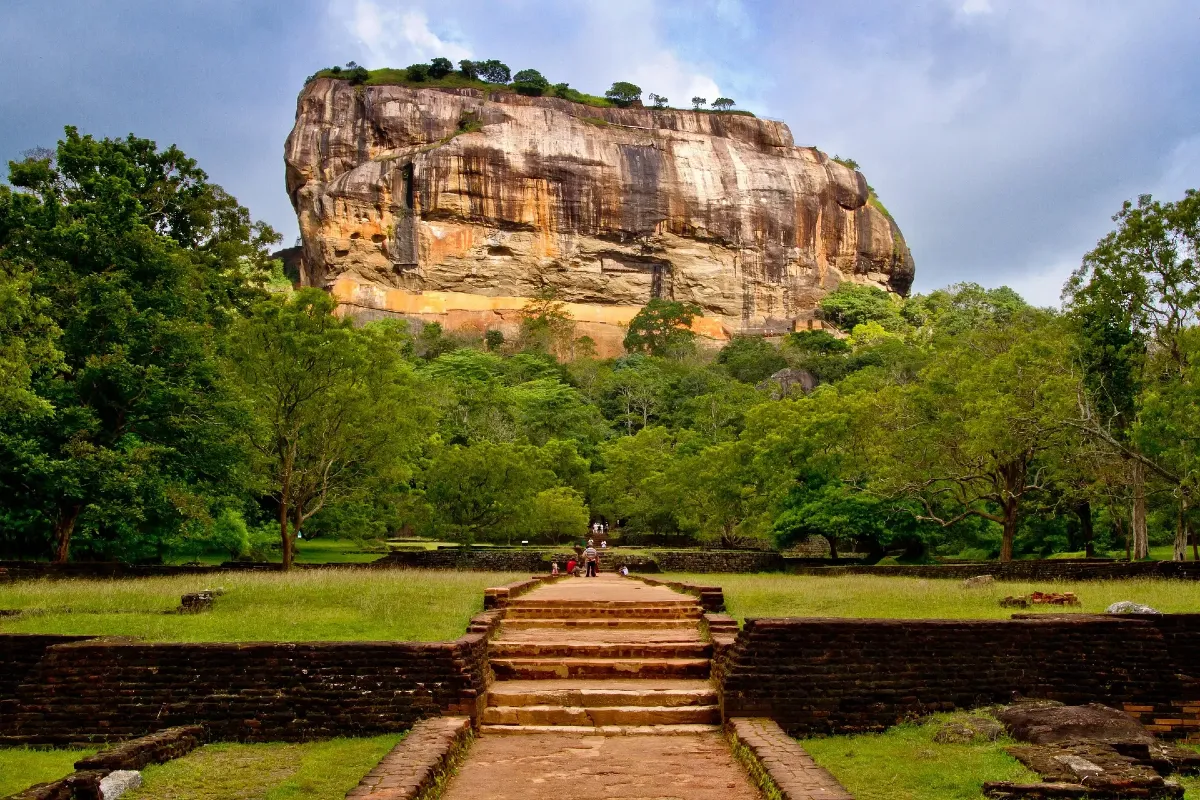
Gonagolla Vihara
Eastern Province, Ampara
Imagine stumbling upon a hidden cave in Sri Lanka's Eastern Province where ancient frescoes whisper tales from the 3rd century AD, echoing the grandeur of Sigiriya. Gonagolla Vihara, affectionately called Punchi Seegiriya or Little Sigiriya by locals, invites you to step back in time amid its rock shelters and vivid artwork. This protected archaeological gem promises a quiet, awe-inspiring adventure for those craving authentic history.
What to See & Do
At the heart of Gonagolla Vihara lies a cave temple with remnants of frescoes on its vaulted ceiling, depicting a graceful young female dancer and a man believed to be a Bodhisattva. Painted in striking red, yellow, green, and white with sharp margins, these 3rd-century AD artworks are nearly identical to Sigiriya's 5th-century maidens, making them a highlight for art enthusiasts. You'll also find rock inscriptions from the 4th-5th century AD in Transitional Brahmi script and Old Sinhala language, recording donations to the monk community and the construction of steps by Nadasaba of Gotigama.
Nearby rock caves hold prehistoric paintings attributed to the Vedda people, adding layers of ancient human presence. Wander the site to spot remnants of ancient structures, including drip-ledged caves, and soak in the peaceful atmosphere. It's an ideal spot for contemplation, photography, and marvelling at how these artworks have endured.
History & Significance
Gonagolla Vihara's story unfolds from prehistoric times, with evidence of Vedda occupation in nearby caves. The frescoes, discovered by the Archaeological Department in 1956, date to the 3rd century AD and were painted on a special plastered surface. Rock inscriptions from the 4th-5th centuries detail acts of devotion, like offerings to monks and building steps, highlighting the site's role in early Buddhist monastic life.
The entire site was officially designated an archaeological protected site on 10 October 2014 under Gazette number 1884 by the Sri Lankan government. This recognition underscores its importance as a window into ancient Sri Lankan art and spirituality, linking it stylistically to iconic sites like Sigiriya.
Practical Visitor Information
No verified details on opening hours or entry fees are available, so you'll want to check locally upon arrival. The site involves navigating caves and uneven terrain, which could be challenging for those with mobility issues—wear sturdy shoes and go slow. Visit during cooler months to avoid midday heat, and bring water as facilities are basic.
Getting There
Gonagolla Vihara sits in Kotmale Canal Settlement, Wewagampattuwa Division, Ampara District, 4.8 km east of Kohombana Junction along the Ampara – Gonagolla Road. From Ampara town, hop on a bus or tuk-tuk towards Gonagolla; the road is straightforward but narrow in spots. If driving, it's an easy 20-30 minute journey from Ampara—follow signs or ask locals for the temple.
Tips for Visitors
- Dress modestly to respect the sacred site—cover shoulders and knees.
- Bring a torch for dimly lit caves to better view the frescoes.
- Go early morning or late afternoon for softer light and fewer crowds.
- Don't touch the paintings; they're fragile protected heritage.
- Pack insect repellent and sun protection—it's a rural, natural setting.
- Hire a local guide if available for insights into the inscriptions' stories.
Nearby Attractions
- Buddhangala Monastery: A serene monastic complex nearby, perfect for extending your spiritual journey.
Accessibility
Cave temple; likely requires climbing or steps, unsuitable for wheelchairs
Opening Hours
Unknown