Packing List for Sri Lanka: What You Really Need by Region and Season
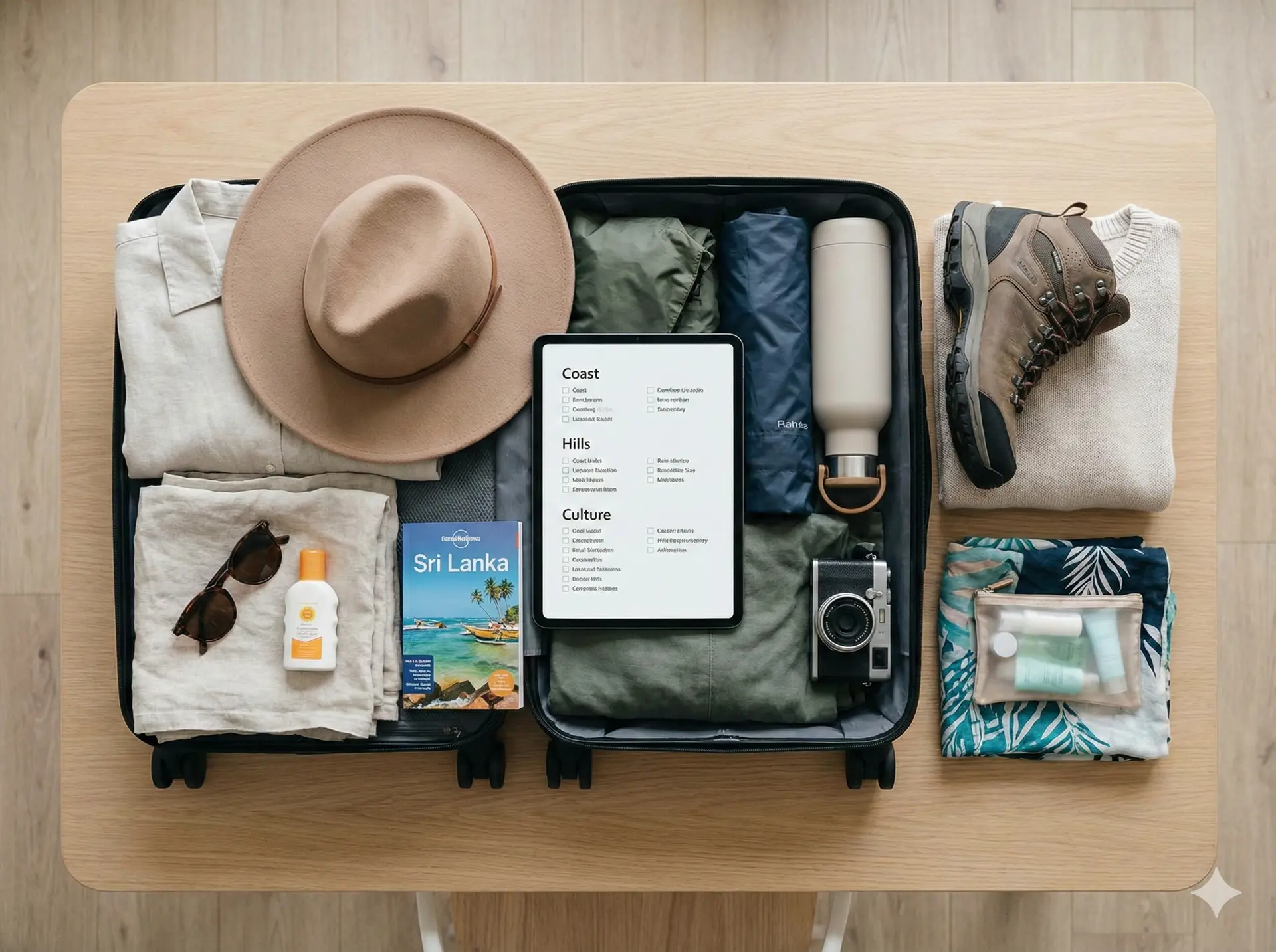
Whether you're heading to the sunny beaches of the south coast, trekking through the misty Hill Country, or exploring the ancient ruins in the Cultural Triangle, packing right makes all the difference...
Whether you're heading to the sunny beaches of the south coast, trekking through the misty Hill Country, or exploring the ancient ruins in the Cultural Triangle, packing right makes all the difference for us locals exploring our own island. Sri Lanka's diverse regions and two monsoon seasons mean your bag needs to adapt—think lightweight layers for the heat, rain gear for sudden downpours, and modest covers for temple visits. This guide breaks down exactly what you'll really need by region and season, so you can travel light and smart in 2026.
Understanding Sri Lanka's Seasons and Regions
Sri Lanka's tropical climate features two monsoon periods: the Yala monsoon (May to September) hits the south and west with heavy rain up to 5,000 mm annually, while the Maha monsoon (October to January) soaks the north and east.[1] The dry seasons vary—southwest shines from December to April, northeast from May to September. Regions differ wildly: coastal areas stay humid and hot (28-32°C), Hill Country chills to 15-20°C with fog, and the dry zone brings intense sun.
For us in Sri Lanka, pack versatile items since we might hop from Colombo's bustle to Ella's hills in one trip. Airlines like SriLankan Airlines enforce 23kg checked baggage limits for domestic flights, so prioritise multi-use gear.[1][2]
Key Packing Principle: Layer and Protect
- Choose quick-drying, breathable fabrics like cotton or merino wool to combat year-round humidity.[1][7]
- Pack a reusable water bottle with filter—tap water isn't safe; boil or treat it per Health Ministry guidelines.[1][3]
- Modest clothing is a must: cover shoulders and knees at temples like Sigiriya or Kandy's Tooth Relic to respect local customs.[5]
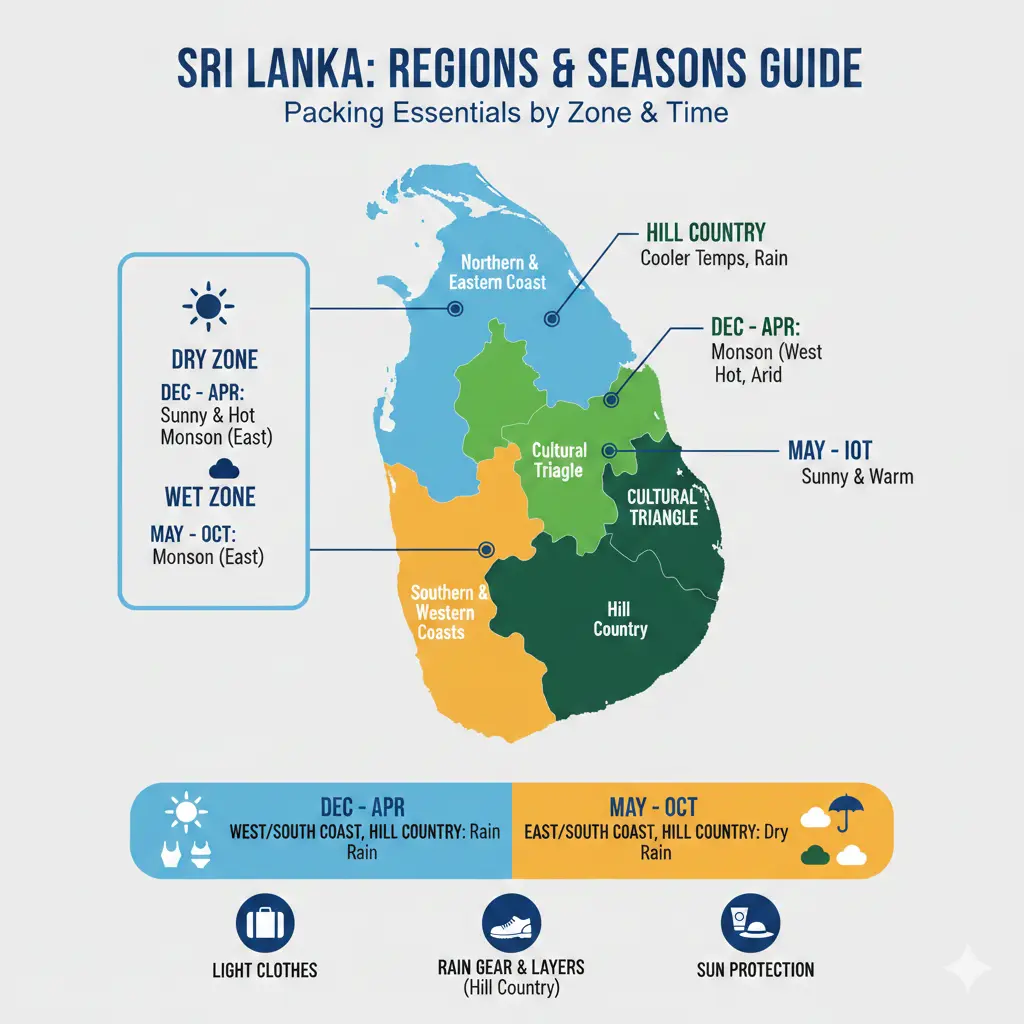
Packing Essentials for All Regions and Seasons
Start with these non-negotiables that work everywhere, from city jaunts to beach getaways.
Clothing Basics
- 5-7 lightweight T-shirts or tank tops
- 3-4 shorts or skirts (knee-length for modesty)
- 2-3 breathable long pants or leggings for evenings and hikes
- 1-2 sarongs or pashminas—versatile for beach cover-ups, temple wear, or chill evenings[1][5]
- Lightweight rain jacket or poncho—essential for monsoons[1][2]
- Swimwear (2-3 sets) and beach cover-up
- Underwear (7-10 pairs), bras/sports bras, and quick-dry socks
Footwear
Comfort is key on our uneven paths and beaches.
- Flip-flops or slippers for beaches, showers, and streets
- Hiking shoes or sturdy sneakers for Ella trails or Sigiriya climbs
- Water shoes for snorkelling at Hikkaduwa or Pigeon Island[1][2]
Toiletries and Health Kit
Local pharmacies stock basics, but pack these to avoid last-minute runs to Arpico or Keells.
- Sunscreen (reef-safe, SPF 50+), after-sun lotion, insect repellent (DEET-based for dengue risk during monsoons June-July and October-December)[1]
- Shampoo, conditioner, body wash, deodorant, razor, toothbrush, toothpaste, hand sanitiser
- Women's hygiene: tampons, pads, or menstrual cup (scarce in rural areas)[2]
- Basic meds: painkillers, antidiarrhoeal, antibiotics, bandages, plasters, electrolytes. Consult a doctor for malaria prophylaxis if heading to dry zone edges.[2][3]
Electronics and Documents
- Universal adapter (Type D/M plugs, 230V), power bank, waterproof phone case[1][3]
- ID card or passport, travel insurance proof (mandatory for some activities like safaris), cash (LKR and small USD for ATMs), cards
- eSIM or local SIM from Dialog or Mobitel for data—grab one at Bandaranaike Airport[1]
Region-Specific Packing: Tailor Your Bag
South and West Coast (Galle, Mirissa, Bentota) – Best Dry: Dec-Apr
Think beaches, whale watching, and surf. High humidity (80%+), sudden showers even in dry season.
- Extra swimwear, rash guard for surfing at Weligama
- Light dresses/skirts for beach dinners; fresh trousers/t-shirts for nights out[1]
- Dry bag for boat trips, hat, sunglasses
- Avoid heavy jeans—stick to activewear like leggings for yoga retreats[4]
East Coast (Trincomalee, Arugam Bay) – Best Dry: May-Sep
Surf paradise with calmer vibes post-monsoon.
- Board shorts, more bikinis, snorkel gear (rentable but pack mask/fins for quality)
- Light long-sleeve shirts for sun protection during surf lessons[2]
- Extra insect repellent—mosquitoes peak post-rain[1]
Hill Country (Nuwara Eliya, Ella, Kandy) – Year-Round Cool, Rainy Oct-Jan
Misty trails, tea plantations, train rides—pack layers!
- Warm fleece or wool jumper, thermal base layer for nights dipping to 10°C[2][3]
- Hiking socks, trekking poles for Little Adam's Peak or World's End
- Rain poncho, head torch for early Horton Plains safaris[2]
- Long-sleeve quick-dry shirt, light trousers (avoid shorts on trails for leeches—wear light colours)[2]
North and Cultural Triangle (Anuradhapura, Sigiriya, Jaffna) – Dry Zone Heat, Best Dry: May-Sep
Ancient sites, safaris—scorching days (35°C+), cooler nights.
- Binoculars for Yala or Wilpattu safaris, hat for temple ruins[2]
- Modest long outfits: maxi dresses, loose pants for Polonnaruwa visits
- Dust mask for scooter rides around Habarana, extra water filter[1][3]
Seasonal Adjustments for Smart Packing
Dry Season (Region-Dependent)
- Emphasise sun protection: hats, UV shirts, high-SPF lotion[1]
- Light layers for AC buses/trains (Ceylon Railway's Kandy-Ella scenic route gets chilly)[7]
Monsoon Season
- Quick-dry everything, umbrella or poncho, waterproof backpack[1][2]
- Extra socks, closed shoes—flooded roads common in Colombo during May-Sep[1]
- Leech socks for wet jungle treks in Sinharaja (use salt or tobacco leaves locally)[2]
Pro Tip: Use packing cubes to organise by region—swap as you travel. Laundry services (Rs. 200-500/kg) are everywhere from Negombo to Matara.
Packing Hacks for Locals on the Go
- Multi-tool sarong: towel, blanket, dress, pillow.
- Microfibre towel—dries fast, sand brushes off easily[2]
- Day pack with lock for train hops or tuk-tuk rides[2]
- Download offline maps (Maps.me) and 1986 bus timetables app for CTB routes.
- Check Civil Aviation Authority for 2026 baggage rules: 7kg carry-on max[1]
Next Steps: Pack Smart, Travel Better
Grab a checklist app like PackPoint, customise for your itinerary, and weigh your bag—aim under 20kg for comfort. Check 气象局 for weekly forecasts and Health Ministry for updates. Whether it's a weekend to Galle or a full loop, the right pack means more time enjoying our beaches, hills, and curries. Safe travels around our beautiful island!
Frequently Asked Questions
Sources & References
-
1
What to pack for Sri Lanka: From toiletries to sarongs — esim.holafly.com — esim.holafly.com
-
2
Sri Lanka Packing List: The Perfect Packing Guide — thealwayswanderer.com — thealwayswanderer.com
-
3
My Ultimate Sri Lanka Packing List — theworldonmynecklace.com — theworldonmynecklace.com
-
4
Sri Lanka packing list — introtravel.com — www.introtravel.com
-
5
Complete Packing List for Sri Lanka — mahlatini.com — www.mahlatini.com
-
6
Sri Lanka Packing List: What To Pack For Sri Lanka In 2025 — dreambigtravelfarblog.com — www.dreambigtravelfarblog.com
-
7
What to pack for Sri Lanka — intrepidtravel.com — www.intrepidtravel.com
All sources were accessed and verified as of March 2026. External links open in new tabs.
Related Articles

Accessibility in Sri Lanka: Travel Tips for Visitors with Mobility Issues
Sri Lanka's stunning beaches, ancient temples, and lush hill country are calling, but for visitors with mobility issues, planning a trip here means knowing where to find ramps, accessible transport, a...

How to Travel Sri Lanka During Peak Season Without the Crowds
Peak season in Sri Lanka—December through March—brings vibrant energy, perfect weather, and bustling tourist spots. But here's the thing: you don't have to choose between experiencing the best of our...
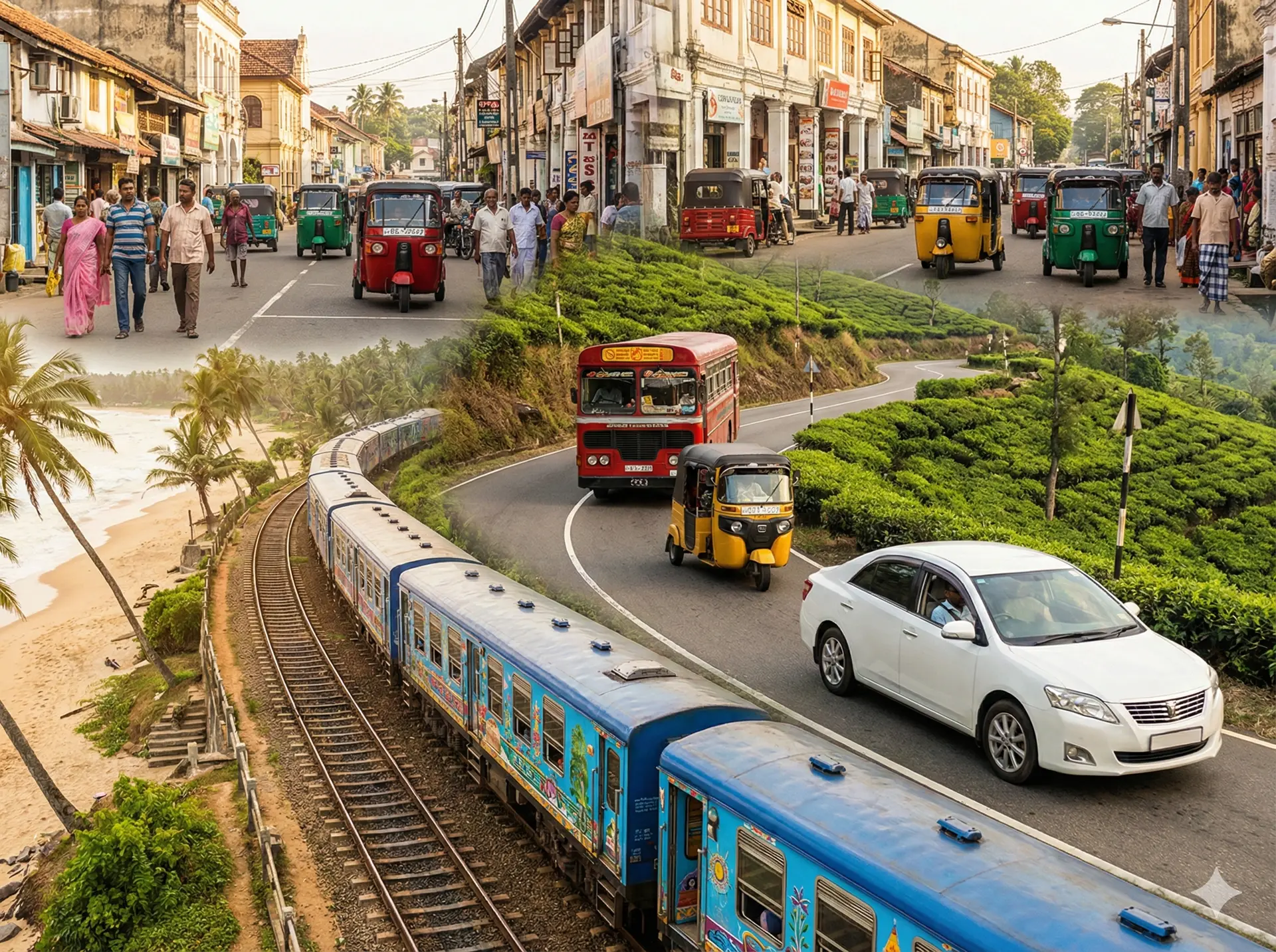
Getting Around Sri Lanka: Trains, Buses, Tuk-Tuks & Private Drivers
Whether you're commuting from Colombo to Kandy or heading to a beach weekend in Galle, knowing your options for getting around Sri Lanka makes all the difference. With exciting changes like the new La...
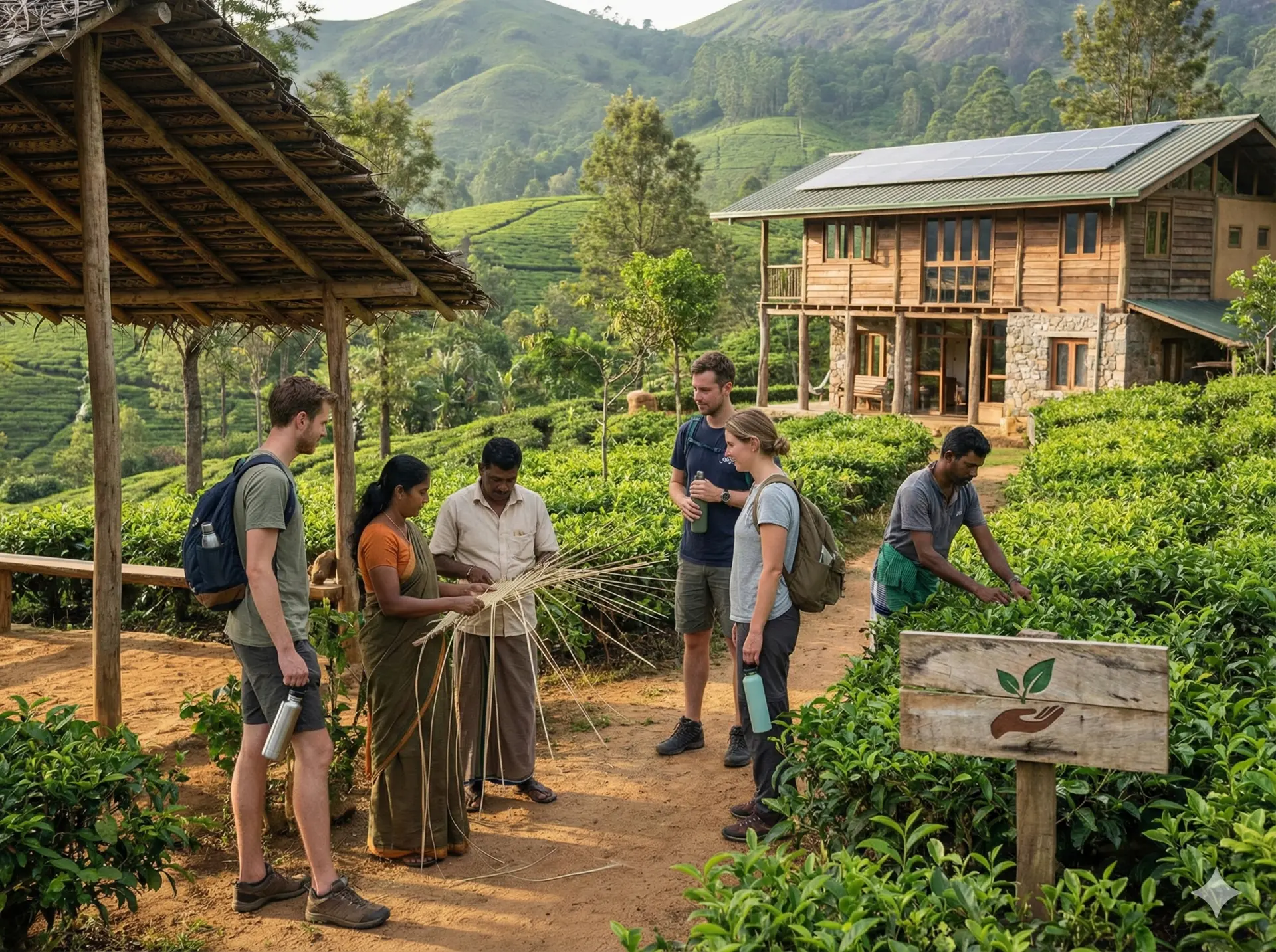
Responsible Tourism in Sri Lanka: How to Travel Ethically
As locals, we cherish Sri Lanka's pristine beaches, ancient temples, and lush hill country, but with tourism booming towards 3 million visitors in 2026, it's on us to ensure our island paradise thrive...