Mindfulness and Meditation for Anxiety
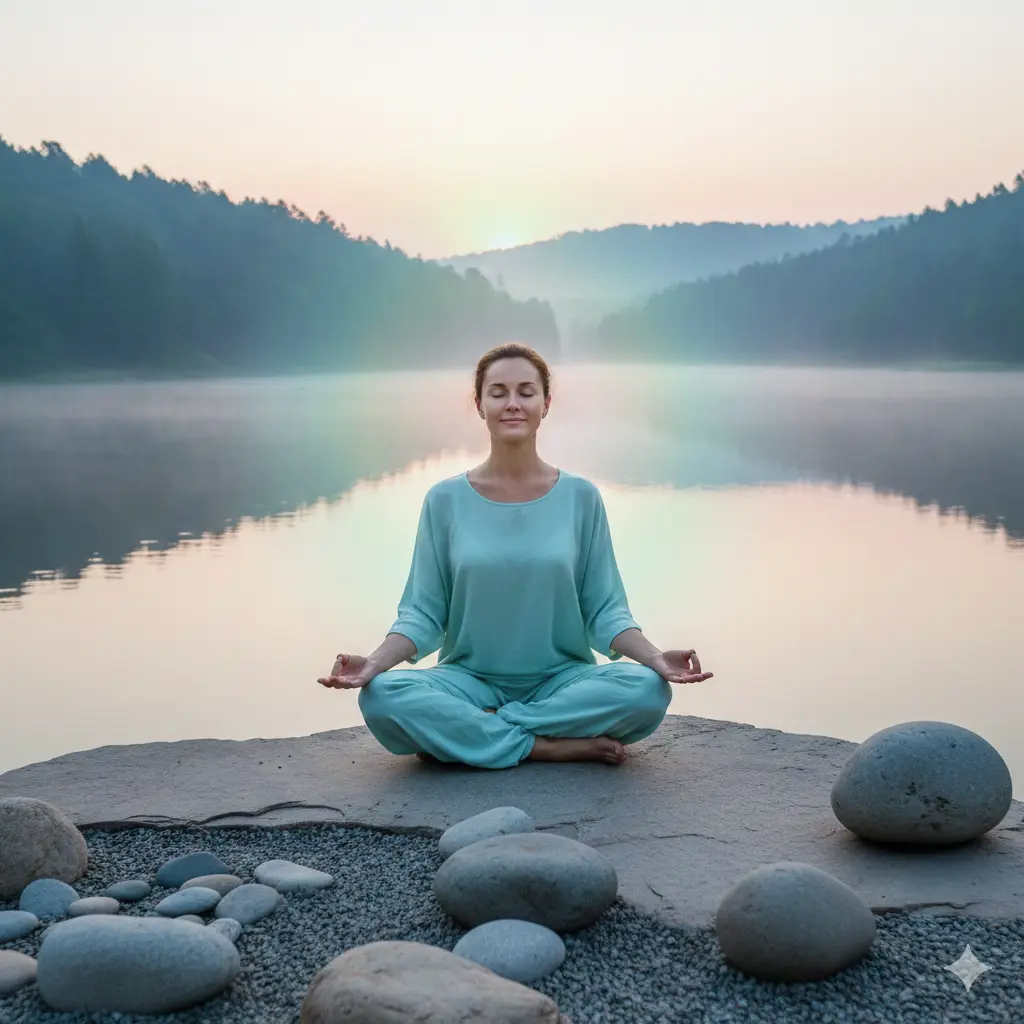
Imagine being able to calm your racing thoughts, soothe your frazzled nerves, and find a sense of peace in the midst of chaos. For many of us, anxiety can be a constant companion, always lurking in the shadows, waiting to pounce. But what if you could learn to tame that anxiety, to quiet the voices
The Lankawebsites editorial team curates, fact-checks, and updates guides on personal finance, property, health, immigration, legal, business, and lifestyle topics relevant to Lankawebsites readers. Articles are produced with AI assistance and reviewed by the editorial team before publication.
Imagine being able to calm your racing thoughts, soothe your frazzled nerves, and find a sense of peace in the midst of chaos. For many of us, anxiety can be a constant companion, always lurking in the shadows, waiting to pounce. But what if you could learn to tame that anxiety, to quiet the voices of worry and fear, and to find a sense of inner calm and clarity? This is the promise of mindfulness and meditation, two powerful practices that have been shown to have a profound impact on both body and mind. As you read this article, you'll discover the benefits of mindfulness and meditation for anxiety, and learn practical techniques for incorporating these practices into your daily life.
You'll learn how to use mindfulness and meditation to reduce stress, improve your mood, and enhance your overall sense of well-being. You'll discover how these practices can help you develop greater self-awareness, allowing you to better understand your thoughts, feelings, and behaviors. And you'll learn how to overcome common obstacles to mindfulness and meditation, such as lack of time, difficulty quieting the mind, and physical discomfort. By the end of this article, you'll have a clear understanding of how mindfulness and meditation can help you manage anxiety, and you'll be equipped with the tools and techniques you need to start practicing these powerful disciplines.
Introduction to Mindfulness and Meditation
Mindfulness and meditation are two distinct but closely related practices that have been used for thousands of years to cultivate greater awareness, clarity, and inner peace. Mindfulness refers to the practice of paying attention to the present moment, without judgment or distraction. It involves cultivating a sense of awareness and acceptance of your thoughts, feelings, and bodily sensations, just as they are. Meditation, on the other hand, is a specific technique for cultivating mindfulness, often involving focused attention on the breath, a mantra, or a physical sensation in the body. Both mindfulness and meditation have been shown to have a profound impact on anxiety, reducing symptoms of stress, worry, and fear, and promoting greater feelings of calm, relaxation, and well-being.
The benefits of mindfulness and meditation for anxiety are numerous. By cultivating greater awareness of your thoughts, feelings, and bodily sensations, you can begin to recognize the patterns and triggers that contribute to your anxiety. You can learn to respond to these triggers in a more mindful, intentional way, rather than simply reacting on autopilot. Mindfulness and meditation can also help you develop greater self-compassion and self-acceptance, allowing you to approach yourself and your experiences with kindness, understanding, and patience. And by reducing stress and promoting relaxation, mindfulness and meditation can help you sleep better, improve your mood, and enhance your overall sense of well-being.
For example, a study published in the Journal of the American Medical Association found that mindfulness-based stress reduction (MBSR) significantly reduced symptoms of anxiety and depression in patients with chronic pain. Another study published in the Journal of Consulting and Clinical Psychology found that loving-kindness meditation, a type of meditation that involves cultivating feelings of love and compassion towards oneself and others, reduced symptoms of anxiety and depression in individuals with social anxiety disorder. These studies demonstrate the powerful impact that mindfulness and meditation can have on anxiety, and highlight the importance of incorporating these practices into your daily life.

The Science Behind Mindfulness and Anxiety
So how do mindfulness and meditation actually work to reduce anxiety? The answer lies in the brain's remarkable ability to reorganize and adapt in response to experience, a process known as neuroplasticity. When we practice mindfulness and meditation, we are actually changing the structure and function of our brains, strengthening the connections between different brain regions and promoting greater communication and coordination between different parts of the brain. This can lead to a reduction in stress and anxiety, as well as improved mood, cognitive function, and overall sense of well-being.
One of the key ways that mindfulness and meditation reduce anxiety is by activating the brain's default mode network, a set of brain regions that are responsible for introspection, self-reflection, and mind-wandering. The default mode network is typically active when we are not focused on the outside world, and is responsible for many of the mental processes that contribute to anxiety, such as rumination, worry, and fear. By activating the default mode network, mindfulness and meditation can help us become more aware of these mental processes, and learn to manage them in a more intentional, mindful way.
For example, a study published in the journal NeuroImage found that mindfulness meditation increased activity in the brain's default mode network, while also reducing activity in the amygdala, a brain region that is responsible for processing emotions such as fear and anxiety. Another study published in the journal Psychosomatic Medicine found that mindfulness-based stress reduction (MBSR) reduced symptoms of anxiety and depression in patients with chronic pain, while also reducing inflammation and improving sleep quality. These studies demonstrate the powerful impact that mindfulness and meditation can have on the brain, and highlight the importance of incorporating these practices into your daily life.
Additionally, mindfulness and meditation have been shown to reduce the production of stress hormones such as cortisol, which can contribute to anxiety and other mental health problems. By reducing stress and promoting relaxation, mindfulness and meditation can help us feel more calm, centered, and grounded, even in the face of challenging circumstances. And by cultivating greater self-awareness and self-acceptance, we can learn to approach ourselves and our experiences with kindness, compassion, and understanding, rather than judgment, criticism, or fear.
Mindfulness Techniques for Anxiety Relief
So what are some mindfulness techniques that you can use to reduce anxiety? One of the simplest and most effective techniques is deep breathing, which involves focusing your attention on the sensation of the breath moving in and out of the body. This can help calm the nervous system, reduce stress and anxiety, and promote relaxation. Another technique is the body scan, which involves lying down or sitting comfortably, and bringing your attention to different parts of the body, starting at the toes and working your way up to the head. This can help you become more aware of physical sensations in the body, and learn to release tension and relax.
Walking meditation is another powerful technique for reducing anxiety, which involves paying attention to the sensation of the feet touching the ground, the movement of the legs and arms, and the rhythm of the breath. This can help you cultivate greater awareness of your body and your surroundings, while also promoting relaxation and reducing stress. And by incorporating mindfulness into your daily activities, such as eating, showering, or driving, you can learn to approach everyday tasks with greater awareness, intention, and presence.
For example, you can try eating a meal slowly and mindfully, paying attention to the taste, texture, and smell of each bite. You can try taking a shower and paying attention to the sensation of the water on your skin, the sound of the water flowing, and the smell of the soap. By incorporating mindfulness into your daily activities, you can learn to approach life with greater awareness, curiosity, and joy, and reduce anxiety and stress in the process.
Additionally, you can try practicing mindfulness in nature, such as taking a walk in a park or forest, and paying attention to the sights, sounds, and smells around you. You can try practicing mindfulness with a friend or family member, such as taking a mindful walk together, or practicing a mindful activity like yoga or tai chi. By incorporating mindfulness into your daily life, you can learn to approach challenges with greater ease, confidence, and resilience, and reduce anxiety and stress in the process.
Meditation Practices for Anxiety Reduction
Meditation is a powerful practice for reducing anxiety, and there are many different techniques that you can try. One of the most popular and effective techniques is loving-kindness meditation, which involves cultivating feelings of love, compassion, and kindness towards yourself and others. This can help you develop greater self-acceptance and self-compassion, while also promoting feelings of warmth, connection, and community.
Transcendental meditation is another powerful technique, which involves using a mantra to quiet the mind and access a deeper state of consciousness. This can help you reduce stress and anxiety, while also promoting relaxation, calmness, and inner peace. Guided meditation is another popular technique, which involves listening to a guided audio recording that leads you through a meditation practice. This can help you learn to meditate, while also providing a sense of structure and support.
For example, you can try listening to a guided meditation recording that leads you through a body scan, or a loving-kindness meditation practice. You can try practicing transcendental meditation, using a mantra to quiet the mind and access a deeper state of consciousness. And you can try incorporating meditation into your daily routine, such as meditating first thing in the morning, or right before bed. By incorporating meditation into your daily life, you can learn to reduce anxiety and stress, while also promoting relaxation, calmness, and inner peace.
Additionally, you can try practicing meditation in a group setting, such as a meditation class or workshop. You can try practicing meditation with a friend or family member, such as taking turns leading each other through a meditation practice. And you can try incorporating meditation into your daily activities, such as taking a few deep breaths before a meeting, or practicing a mindful moment of pause before responding to a challenging situation. By incorporating meditation into your daily life, you can learn to approach challenges with greater ease, confidence, and resilience, and reduce anxiety and stress in the process.
Overcoming Obstacles to Mindfulness and Meditation
So what are some common obstacles to mindfulness and meditation, and how can you overcome them? One of the most common obstacles is lack of time, which can make it difficult to establish a regular mindfulness or meditation practice. To overcome this obstacle, you can try incorporating mindfulness and meditation into your daily routine, such as taking a few deep breaths before a meeting, or practicing a mindful moment of pause before responding to a challenging situation.
Another common obstacle is difficulty quieting the mind, which can make it challenging to focus and concentrate during meditation. To overcome this obstacle, you can try using a guided meditation recording, or practicing a physical activity like yoga or tai chi to help calm the mind and body. And if you experience physical discomfort during meditation, such as back or neck pain, you can try using a cushion or chair to support your body, or practicing a gentle stretching or movement practice to release tension and relax.
For example, you can try practicing a body scan meditation, which involves lying down or sitting comfortably, and bringing your attention to different parts of the body, starting at the toes and working your way up to the head. You can try practicing a walking meditation, which involves paying attention to the sensation of the feet touching the ground, the movement of the legs and arms, and the rhythm of the breath. And you can try incorporating mindfulness into your daily activities, such as eating, showering, or driving, to help you cultivate greater awareness and presence in your daily life.
Additionally, you can try seeking out a mindfulness or meditation community, such as a local meditation group or online forum, to connect with others who are practicing mindfulness and meditation. You can try working with a mindfulness or meditation teacher, who can provide guidance, support, and feedback as you develop your practice. And you can try being patient and kind with yourself, remembering that mindfulness and meditation are practices that take time and effort to develop, and that it's okay to make mistakes and encounter challenges along the way.
Integrating Mindfulness and Meditation into Daily Life
So how can you integrate mindfulness and meditation into your daily life, and make these practices a sustainable and enjoyable part of your routine? One way is to start small, by incorporating mindfulness and meditation into your daily activities, such as eating, showering, or driving. You can try taking a few deep breaths before a meeting, or practicing a mindful moment of pause before responding to a challenging situation.
Another way is to establish a regular mindfulness or meditation practice, such as meditating first thing in the morning, or right before bed. You can try using a guided meditation recording, or practicing a physical activity like yoga or tai chi to help calm the mind and body. And you can try incorporating mindfulness into your relationships, such as by practicing active listening, or expressing gratitude and appreciation towards others.
For example, you can try practicing a morning meditation, which involves sitting quietly and focusing on the breath, or practicing a mindful movement practice, such as yoga or tai chi. You can try practicing an evening reflection, which involves taking a few moments to reflect on your experiences and gratitude from the day. And you can try incorporating mindfulness into your daily activities, such as eating, showering, or driving, to help you cultivate greater awareness and presence in your daily life.
Additionally, you can try making mindfulness and meditation a family affair, by practicing with your partner, children, or other family members. You can try incorporating mindfulness into your work or school routine, such as by taking a few deep breaths before a meeting, or practicing a mindful moment of pause before responding to a challenging situation. And you can try being creative and flexible, trying out different mindfulness and meditation practices, and finding what works best for you and your lifestyle.
Key Takeaways
In conclusion, mindfulness and meditation are powerful practices that can help you reduce anxiety, promote relaxation, and enhance your overall sense of well-being. By incorporating these practices into your daily life, you can learn to approach challenges with greater ease, confidence, and resilience, and cultivate a greater sense of awareness, compassion, and understanding towards yourself and others. So what's the next step for you? Will you try incorporating mindfulness and meditation into your daily routine, and see the positive impact that these practices can have on your life? Remember, the key to mindfulness and meditation is consistency and patience, so start small, be gentle with yourself, and enjoy the journey of discovery and growth that these practices have to offer.
Frequently Asked Questions
Related Articles
How to Manage Stress at Work
Are you tired of feeling overwhelmed and stressed at work? You're not alone. Millions of employees around the world struggle with work-related stress, which can have serious consequences for your mental and physical health. As someone who has worked in high-pressure environments, I understand the i
Work-Life Balance Tips for Remote Workers
Are you tired of feeling like your work and personal life are constantly blurring together? As someone who's worked remotely for years, I think I can safely say that finding a healthy work-life balance is one of the biggest challenges remote workers face. You're probably reading this because you're
How to Deal with Burnout
Have you ever felt completely exhausted, both physically and emotionally, like you're running on empty and can't seem to catch a break? You're not alone. I think we've all been there at some point or another, feeling like we're drowning in a sea of responsibilities and obligations. But what if I to
How to Practice Mindfulness Daily
Are you tired of feeling stressed, anxious, and overwhelmed by the demands of your daily life? Do you struggle to focus, prioritize tasks, and maintain a sense of calm in the midst of chaos? You're not alone. Many people face these challenges, but there is a powerful tool that can help: mindfulnes