How to Deal with Burnout

Have you ever felt completely exhausted, both physically and emotionally, like you're running on empty and can't seem to catch a break? You're not alone. I think we've all been there at some point or another, feeling like we're drowning in a sea of responsibilities and obligations. But what if I to
The Lankawebsites editorial team curates, fact-checks, and updates guides on personal finance, property, health, immigration, legal, business, and lifestyle topics relevant to Lankawebsites readers. Articles are produced with AI assistance and reviewed by the editorial team before publication.
Have you ever felt completely exhausted, both physically and emotionally, like you're running on empty and can't seem to catch a break? You're not alone. I think we've all been there at some point or another, feeling like we're drowning in a sea of responsibilities and obligations. But what if I told you that there's a way to break free from that cycle of burnout and find a sense of balance and well-being in your life? In this article, I'll share with you my insights on how to deal with burnout, and I promise you'll come away with some practical strategies to help you manage your stress and find a healthier way of living.
You deserve to live a life that's fulfilling and meaningful, and I'm here to help you get there. So, let's get started on this journey together, and explore the world of burnout and how to overcome it. I think you'll be surprised at just how much of a difference a few simple changes can make in your life. So, take a deep breath, and let's dive into the world of burnout and how to deal with it.
Understanding Burnout
I think it's essential to understand what burnout is and how it affects us. Burnout is a state of emotional, mental, and physical exhaustion caused by prolonged stress, overwork, and lack of balance in life. It can manifest in different ways, including physical symptoms like headaches, fatigue, and insomnia, as well as emotional symptoms like irritability, anxiety, and depression. When we're experiencing burnout, we might feel like we're losing control, and that can be a really scary and overwhelming feeling.
So, what causes burnout? I think it's often a combination of factors, including a heavy workload, lack of social support, and poor self-care. For example, if you're working long hours without taking breaks, or if you're shouldering all the responsibilities without asking for help, you're more likely to experience burnout. Additionally, if you're not taking care of your physical and emotional needs, you're more vulnerable to burnout. I think it's essential to recognize the causes of burnout so that we can take steps to prevent it.
It's also important to note that burnout can affect anyone, regardless of their profession or background. I think it's essential to be aware of the signs of burnout, so we can take action to prevent it. For instance, a study by the American Psychological Association found that 60% of employees experience burnout at work, and that it can have severe consequences on our mental and physical health. By understanding the causes and symptoms of burnout, we can take the first step towards managing it and finding a healthier way of living.

Recognizing the Signs of Burnout
So, how do you know if you're experiencing burnout? I think it's essential to be aware of the common signs, which can include feelings of exhaustion, cynicism, and reduced performance. You might feel like you're just going through the motions, without any sense of purpose or fulfillment. You might also experience physical symptoms like headaches, stomach problems, or insomnia. I think it's essential to pay attention to these signs, so we can take action to prevent burnout.
But what about the hidden signs of burnout? I think it's essential to be aware of these, too. For example, you might feel like you're withdrawing from social activities, or that you're experiencing a lack of motivation or creativity. You might also feel like you're just trying to survive, rather than thrive. I think it's essential to recognize these hidden signs, so we can take action to prevent burnout. For instance, a study by the Mayo Clinic found that people who experience burnout are more likely to experience depression, anxiety, and cardiovascular disease.
Burnout can also affect different professions in different ways. For example, healthcare professionals, teachers, and social workers are often at high risk of burnout due to the high-stress nature of their jobs. I think it's essential to be aware of the specific risks and challenges of your profession, so you can take steps to prevent burnout. By recognizing the signs of burnout, we can take the first step towards managing it and finding a healthier way of living. I think it's also essential to remember that burnout is not a sign of weakness, but rather a sign that we need to make some changes in our lives.
Strategies for Managing Burnout
So, what can you do to manage burnout? I think it's essential to start with time management. When we're feeling overwhelmed, it's easy to get caught up in the idea that we need to work longer hours to get everything done. But I think that's a mistake. Instead, I think it's essential to prioritize our tasks, focus on the most important ones, and take regular breaks to rest and recharge. For example, you might try using the Pomodoro Technique, which involves working in focused 25-minute increments, followed by a five-minute break.
Self-care is also essential for managing burnout. I think it's essential to make time for activities that nourish our minds, bodies, and spirits, such as exercise, meditation, or spending time in nature. By taking care of ourselves, we can reduce our stress levels and increase our resilience. For instance, a study by the Harvard Business Review found that employees who practiced self-care were more productive, had better relationships with their colleagues, and experienced less burnout.
Boundary setting is also crucial for managing burnout. I think it's essential to learn to say no to requests that are not aligned with our values or priorities, and to set clear boundaries with others to protect our time and energy. By setting boundaries, we can reduce our stress levels and increase our sense of control and autonomy. For example, you might try setting boundaries around your work hours, or learning to say no to social invitations that don't align with your priorities.
Building a Support Network
I think it's essential to build a support network to help us manage burnout. When we're feeling overwhelmed, it's easy to feel like we're alone, but I think that's a mistake. We all need people in our lives who can offer us support, encouragement, and guidance. By building a support network, we can reduce our stress levels and increase our sense of connection and belonging. For example, you might try joining a community group or club that aligns with your interests, or reaching out to friends and family members to schedule regular check-ins.
So, how do you build a support network? I think it's essential to start by identifying the people in your life who can offer you support and encouragement. This might include friends, family members, colleagues, or a therapist. By reaching out to these people and building relationships with them, you can create a support network that can help you manage burnout. I think it's also essential to be open and honest with the people in your support network, so they can offer you the support and guidance you need.
Asking for help is also essential for building a support network. I think it's essential to recognize that we can't do everything on our own, and that it's okay to ask for help when we need it. By asking for help, we can reduce our stress levels and increase our sense of connection and belonging. For instance, a study by the National Alliance on Mental Illness found that people who asked for help when they needed it were more likely to experience improved mental health outcomes.
Creating a Healthy Work-Life Balance
I think it's essential to create a healthy work-life balance to manage burnout. When we're spending too much time at work, it's easy to feel like we're neglecting our personal lives, and that can lead to burnout. By setting boundaries and prioritizing our personal time, we can reduce our stress levels and increase our sense of fulfillment and satisfaction. For example, you might try setting a "stop work" time each day, or scheduling regular time off to rest and recharge.
Prioritizing personal time is also essential for creating a healthy work-life balance. I think it's essential to make time for activities that bring us joy and fulfillment, such as hobbies, spending time with loved ones, or pursuing personal interests. By prioritizing our personal time, we can reduce our stress levels and increase our sense of happiness and well-being. For instance, a study by the Journal of Occupational and Organizational Psychology found that employees who prioritized their personal time experienced improved work-life balance and reduced burnout.
Managing technology use is also crucial for creating a healthy work-life balance. I think it's essential to set boundaries around our use of technology, such as not checking work emails or taking work calls during personal time. By managing our technology use, we can reduce our stress levels and increase our sense of control and autonomy. For example, you might try setting up a "technology-free" zone in your home, or scheduling regular "digital detox" days to rest and recharge.
Recovering from Burnout
I think it's essential to seek professional help if you're experiencing burnout. A therapist or counselor can offer you support and guidance as you work to manage your stress and find a healthier way of living. By seeking professional help, you can reduce your stress levels and increase your sense of well-being and fulfillment. For example, you might try seeking out a therapist who specializes in burnout or stress management, or joining a support group for people who are experiencing burnout.
Practicing self-compassion is also essential for recovering from burnout. I think it's essential to be kind and gentle with ourselves as we work to manage our stress and find a healthier way of living. By practicing self-compassion, we can reduce our stress levels and increase our sense of self-awareness and self-acceptance. For instance, you might try practicing mindfulness or meditation to increase your sense of self-compassion, or writing yourself a kind and supportive letter to help you process your emotions.
Creating a recovery plan is also crucial for recovering from burnout. I think it's essential to identify the steps you need to take to manage your stress and find a healthier way of living, and to create a plan to help you achieve those steps. By creating a recovery plan, you can reduce your stress levels and increase your sense of control and autonomy. For example, you might try setting specific goals for managing your stress, such as taking a certain number of breaks each day or practicing a certain amount of self-care each week.
Key Takeaways
So, what's the key takeaway from all of this? I think it's essential to remember that burnout is not a sign of weakness, but rather a sign that we need to make some changes in our lives. By understanding the causes and symptoms of burnout, recognizing the signs, and taking steps to manage it, we can reduce our stress levels and increase our sense of fulfillment and satisfaction. I think it's also essential to remember that we're not alone, and that there are people and resources available to help us manage burnout and find a healthier way of living.
So, what's the next step for you? I think it's essential to take a close look at your life and identify the areas where you might be experiencing burnout. Are you working too much and neglecting your personal life? Are you shouldering all the responsibilities without asking for help? By taking a closer look at your life and making some changes, you can reduce your stress levels and increase your sense of well-being and fulfillment. I think it's also essential to remember that it's okay to ask for help, and that seeking support is a sign of strength, not weakness. So, take a deep breath, and let's get started on this journey together.
Frequently Asked Questions
Related Articles

How to Manage Stress at Work
Are you tired of feeling overwhelmed and stressed at work? You're not alone. Millions of employees around the world struggle with work-related stress, which can have serious consequences for your mental and physical health. As someone who has worked in high-pressure environments, I understand the i
Mindfulness and Meditation for Anxiety
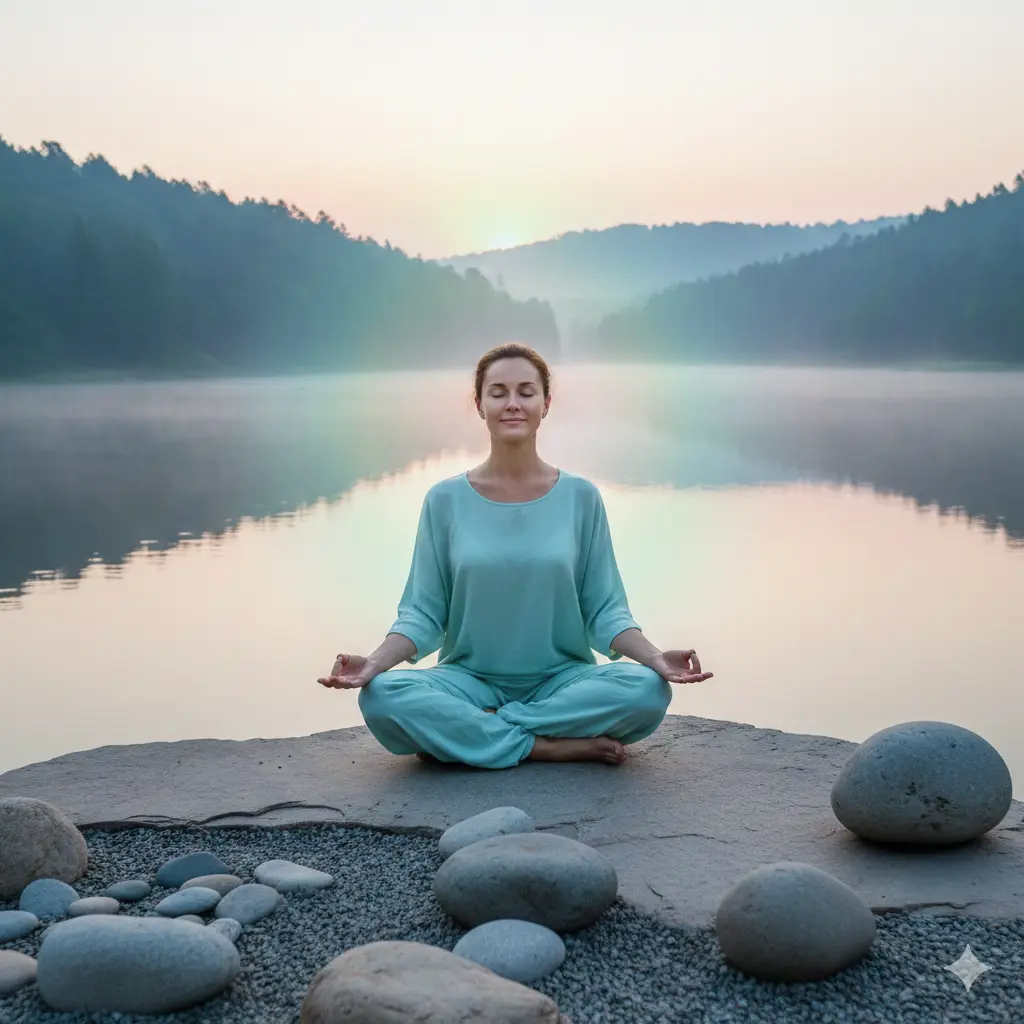
Imagine being able to calm your racing thoughts, soothe your frazzled nerves, and find a sense of peace in the midst of chaos. For many of us, anxiety can be a constant companion, always lurking in the shadows, waiting to pounce. But what if you could learn to tame that anxiety, to quiet the voices

Work-Life Balance Tips for Remote Workers
Are you tired of feeling like your work and personal life are constantly blurring together? As someone who's worked remotely for years, I think I can safely say that finding a healthy work-life balance is one of the biggest challenges remote workers face. You're probably reading this because you're

How to Practice Mindfulness Daily
Are you tired of feeling stressed, anxious, and overwhelmed by the demands of your daily life? Do you struggle to focus, prioritize tasks, and maintain a sense of calm in the midst of chaos? You're not alone. Many people face these challenges, but there is a powerful tool that can help: mindfulnes