Island-Wide “Sustainable Destinations” Pilot: The 9 Provincial Flagship Areas
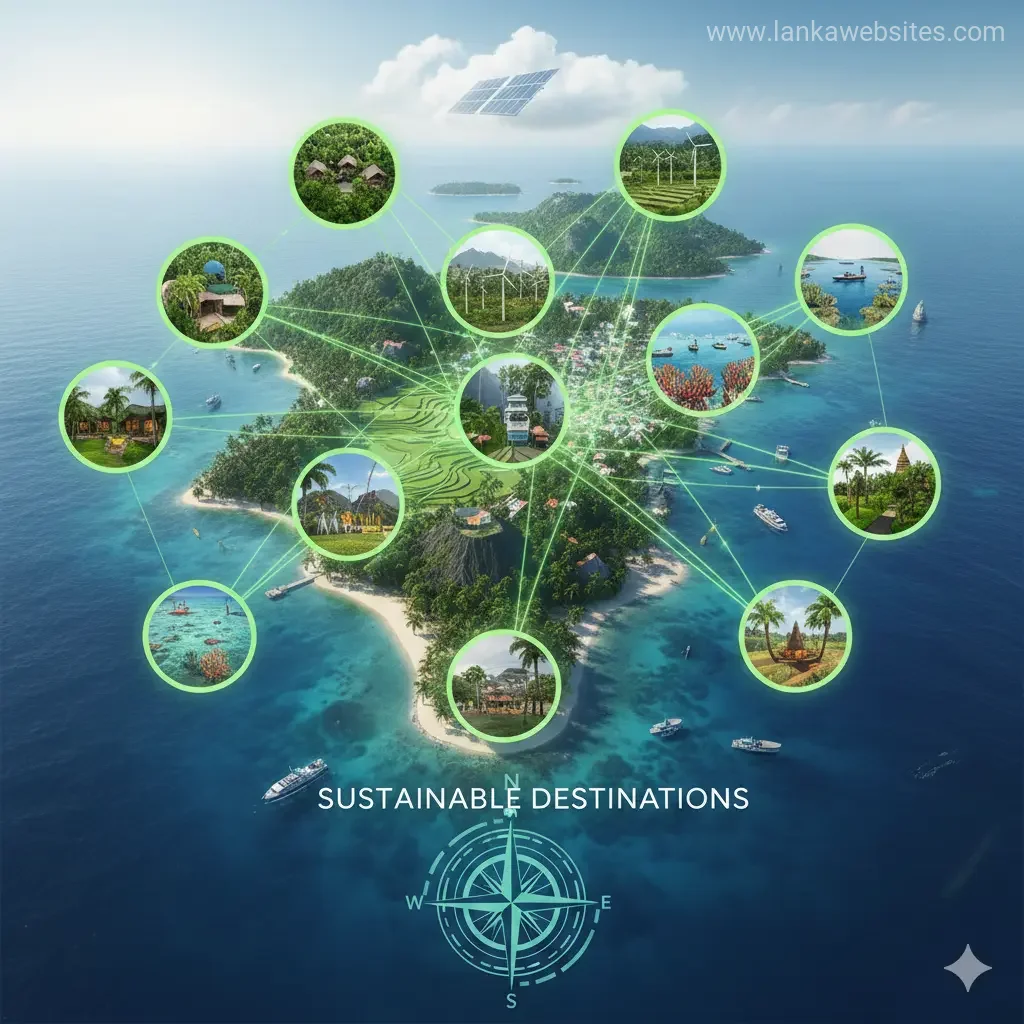
Introduction to Sustainable Destinations As a Kiwi, you're likely no stranger to the stunning natural beauty of New Zealand. From the rugged mountains to
The Lankawebsites editorial team curates, fact-checks, and updates guides on personal finance, property, health, immigration, legal, business, and lifestyle topics relevant to Lankawebsites readers. Articles are produced with AI assistance and reviewed by the editorial team before publication.
Introduction to Sustainable Destinations
As a Kiwi, you're likely no stranger to the stunning natural beauty of New Zealand. From the rugged mountains to the pristine beaches, our country is a treasure trove of unique and breathtaking landscapes. However, with the increasing number of tourists and travellers, it's becoming essential to ensure that our favourite destinations remain sustainable and environmentally friendly for future generations. This is where the Island-Wide "Sustainable Destinations" Pilot comes in, focusing on 9 provincial flagship areas across the country.
The pilot programme aims to promote responsible tourism and encourage travellers to make a positive impact on the environment, culture, and local communities they visit. By supporting sustainable destinations, you'll not only be helping to preserve New Zealand's natural beauty but also contributing to the local economy and enhancing your own travel experience. In this article, we'll delve into the 9 provincial flagship areas, exploring what makes them special and how you can make a difference by choosing to visit these incredible destinations.
New Zealand's commitment to sustainability is reflected in its ambitious goal to become carbon neutral by 2050. The tourism industry plays a significant role in this endeavour, and by working together, we can create a more eco-friendly and responsible travel culture. As you plan your next trip, consider the impact you can have on the environment and local communities. By choosing sustainable destinations, you'll be supporting local businesses, conservation efforts, and cultural preservation. So, let's embark on a journey to discover the 9 provincial flagship areas and learn how you can make a positive difference.
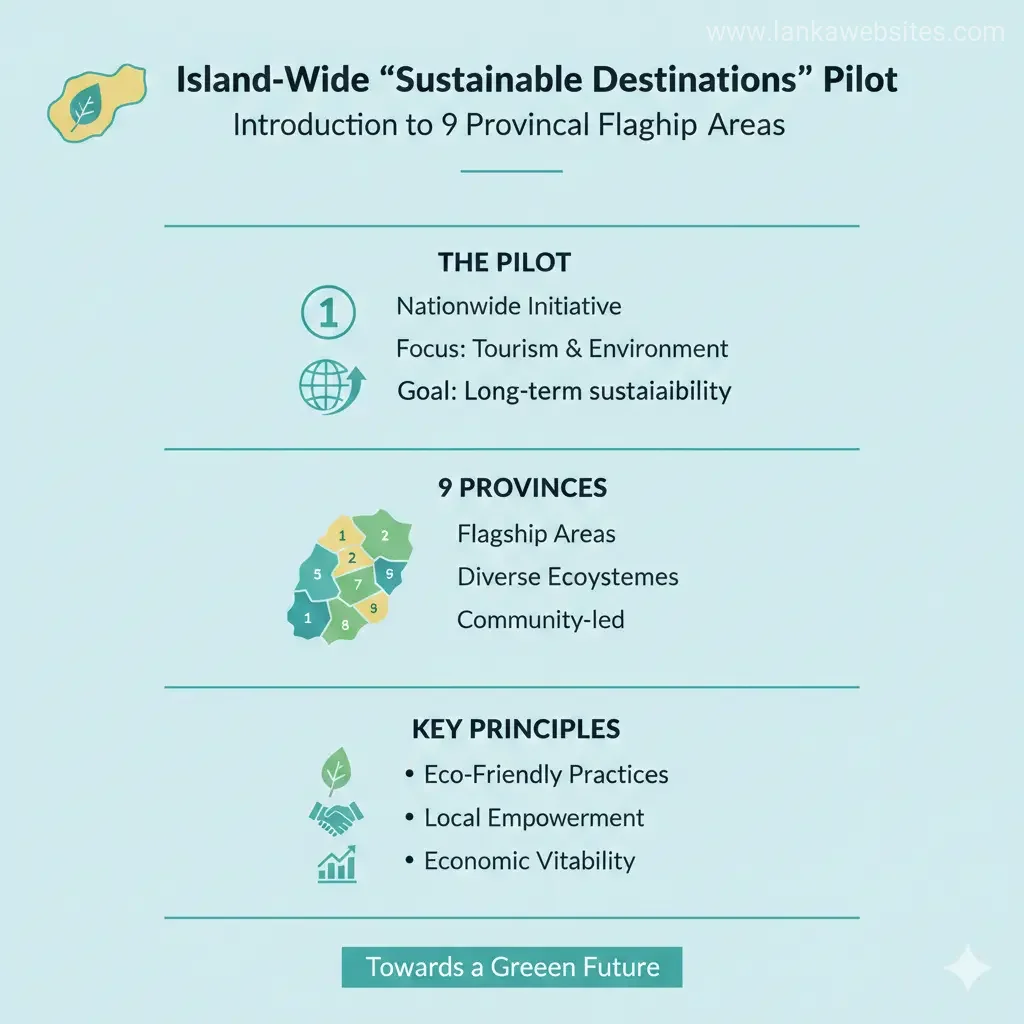
Understanding the 9 Provincial Flagship Areas
The 9 provincial flagship areas are spread across New Zealand, each with its unique character, attractions, and sustainability initiatives. These areas have been carefully selected for their potential to showcase the country's natural beauty, rich culture, and commitment to environmental conservation. The flagship areas are:
- Bay of Plenty
- Hawke's Bay
- Marlborough
- Nelson
- Otago
- Queenstown
- Rotorua
- Taupo
- Wellington
These areas offer a diverse range of experiences, from wine tastings in Marlborough to hiking in the beautiful landscapes of Nelson. By visiting these destinations, you'll not only be supporting local businesses but also contributing to the preservation of New Zealand's stunning natural environments.
Exploring the Flagship Areas
Let's take a closer look at some of the flagship areas and what they have to offer. For example, the Bay of Plenty is known for its stunning beaches, surfing spots, and wildlife encounters. You can visit the Papamoa Hills for a scenic hike, explore the Tauranga Harbour, or simply relax on the beautiful Mount Maunganui beach. In Hawke's Bay, you can discover the region's rich Maori history and culture, visit the Cape Kidnappers gannet colony, or enjoy a wine tasting at one of the local vineyards.
In the South Island, destinations like Queenstown and Marlborough offer a range of outdoor activities, including hiking, skiing, and wine tastings. You can explore the stunning Milford Sound, visit the Fiordland National Park, or take a scenic flight over the beautiful Southern Alps. Each of these areas has its unique character, and by visiting them, you'll be supporting local communities and contributing to the preservation of New Zealand's natural beauty.
Making a Positive Impact
So, how can you make a positive impact when visiting these sustainable destinations? Here are some practical tips to get you started:
- Choose eco-friendly accommodations, such as hotels or lodges that have implemented sustainability initiatives, like energy-efficient systems or waste reduction programs.
- Support local businesses, like family-owned restaurants, cafes, or shops, to contribute to the local economy and preserve the area's unique character.
- Respect the environment by reducing your carbon footprint, using public transport or cycling, and avoiding single-use plastics.
- Learn about the local culture and history to appreciate the area's significance and respect its Maori heritage.
- Get involved in conservation efforts, like beach cleanups or tree planting, to make a tangible difference in the community.
By following these tips, you'll not only be supporting sustainable destinations but also enhancing your own travel experience. Remember, every small action counts, and collective efforts can lead to significant positive change.
Planning Your Trip
As you plan your next trip to one of the 9 provincial flagship areas, consider the following practical information:
- Transportation: Research public transport options, like buses or trains, to reduce your carbon footprint. You can also consider carpooling or renting eco-friendly vehicles.
- Accommodation: Look for eco-friendly accommodations, like hotels or lodges that have implemented sustainability initiatives.
- Activities: Choose responsible tour operators that support local communities and conservation efforts.
- Food and drink: Support local restaurants and cafes that source their ingredients from local farmers and producers.
By being mindful of your travel choices, you'll be contributing to the preservation of New Zealand's natural beauty and supporting local communities. Remember to respect the environment, learn about the local culture, and get involved in conservation efforts to make a positive impact.
Conclusion and Key Takeaways
In conclusion, the Island-Wide "Sustainable Destinations" Pilot is an exciting initiative that promotes responsible tourism and encourages travellers to make a positive impact on the environment, culture, and local communities. By visiting the 9 provincial flagship areas, you'll not only be supporting local businesses and conservation efforts but also contributing to the preservation of New Zealand's stunning natural beauty. Remember to choose eco-friendly accommodations, support local businesses, respect the environment, and get involved in conservation efforts to make a tangible difference.
As you plan your next trip, keep in mind the following key takeaways:
- Sustainable destinations are not just good for the environment, but also offer a more authentic and enriching travel experience.
- Responsible tourism is a collective effort that requires the support of travellers, local communities, and tourism operators.
- Every small action counts, and by making conscious travel choices, you can contribute to significant positive change.
- New Zealand is committed to becoming carbon neutral by 2050, and the tourism industry plays a vital role in achieving this goal.
By embracing sustainable tourism and supporting the 9 provincial flagship areas, you'll be helping to preserve New Zealand's natural beauty, promote local communities, and create a more eco-friendly travel culture. So, start planning your next trip today and make a positive impact on the incredible destinations that make New Zealand so unique.
Useful Tools
Related Articles
Community-Based Tourism Villages Supported by SLTDA & UNDP
Introduction to Community-Based Tourism Villages As a New Zealander, you're likely no stranger to the concept of community-based tourism. You may have vis
Sustainable Destination Pilot Towns Under National Certification (Profile Each)
Introduction to Sustainable Destination Pilot Towns As a New Zealander, you're likely no stranger to the country's stunning natural beauty and unique cultu

Marine Tourism Hotspots Identified in the New Marine Roadmap
Introduction to New Zealand's Marine Tourism New Zealand is renowned for its stunning coastline, diverse marine life, and unique cultural heritage. The co
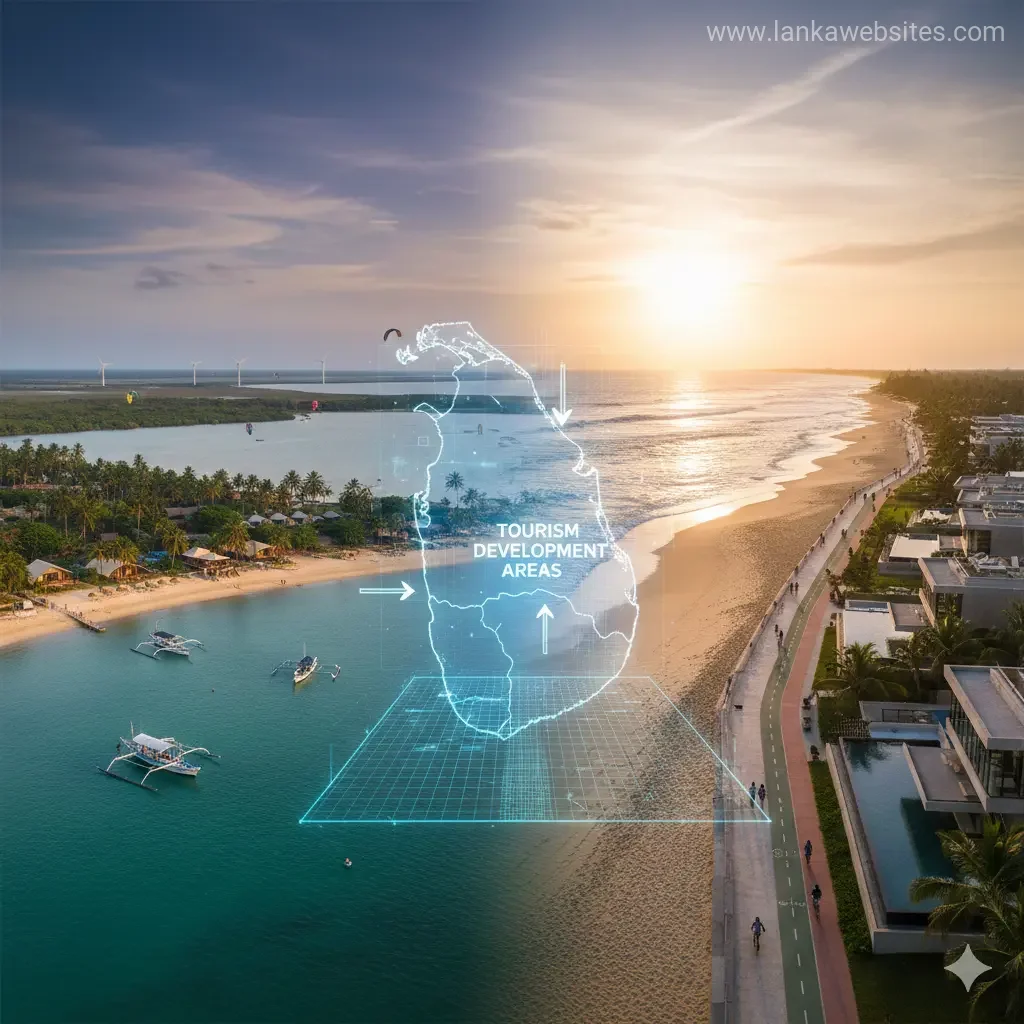
Tourism Development Areas (TDAs): What’s Coming Next in Kalpitiya & East Coast
Introduction to Tourism Development Areas As a New Zealander, you're likely no stranger to the concept of tourism and its impact on local economies. Howev