Rough-Nosed Horned Lizard: Mountain Endemic
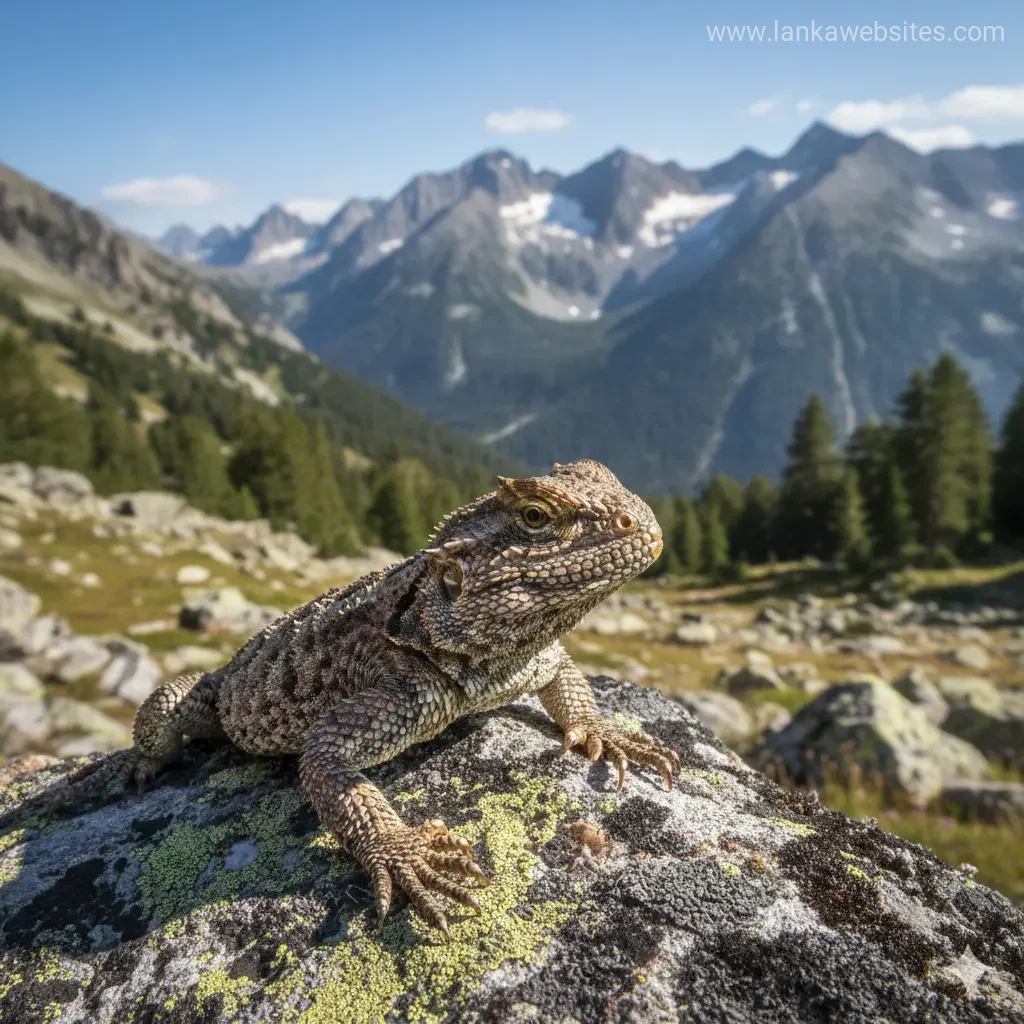
Introduction to the Rough-Nosed Horned Lizard The Rough-Nosed Horned Lizard is a unique and fascinating creature that can be found in the mountainous regio
Introduction to the Rough-Nosed Horned Lizard
The Rough-Nosed Horned Lizard is a unique and fascinating creature that can be found in the mountainous regions of New Zealand. As an endemic species, it is found nowhere else in the world, making it a true Kiwi treasure. If you're interested in learning more about this incredible lizard, you're in the right place. In this article, we'll delve into the world of the Rough-Nosed Horned Lizard, exploring its habitat, behaviour, and what you can do to help protect this amazing species.
The Rough-Nosed Horned Lizard is a relatively small creature, reaching lengths of up to 20 centimetres. It has a distinctive rough texture on its nose, which gives it its name, and a series of spines or "horns" on its head. These lizards are often found in rocky, alpine areas, where they can bask in the sun and hunt for insects. Despite their tough exterior, Rough-Nosed Horned Lizards are actually quite fragile and are vulnerable to a range of threats, including habitat destruction and climate change.
If you're planning a trip to the mountains, you might be lucky enough to catch a glimpse of one of these incredible creatures. However, it's essential to remember to respect their habitat and not disturb them. In this article, we'll provide you with some practical tips on how to spot Rough-Nosed Horned Lizards in the wild, as well as what you can do to help protect them. So, let's get started and explore the fascinating world of these mountain endemics.
Habitat and Distribution
The Rough-Nosed Horned Lizard is found in the mountainous regions of New Zealand, particularly in the South Island. They inhabit rocky, alpine areas, often at high elevations, where they can bask in the sun and hunt for insects. Some of the key habitats for these lizards include:
- Rocky outcrops and talus fields
- Alpine meadows and grasslands
- Scree slopes and landslides
- Areas with low vegetation and limited tree cover
These habitats provide the perfect conditions for Rough-Nosed Horned Lizards to thrive. They are able to bask in the sun, hunt for food, and shelter from harsh weather conditions. However, these habitats are often fragile and vulnerable to disturbance, making it essential to take care when visiting these areas.
Key Locations
Some of the key locations for spotting Rough-Nosed Horned Lizards include:
- The Southern Alps
- The Kaikoura Ranges
- The Nelson Lakes National Park
- The Mount Aspiring National Park
These locations offer some of the best opportunities to spot Rough-Nosed Horned Lizards in their natural habitat. However, it's essential to remember to respect their space and not disturb them.
Behaviour and Diet
Rough-Nosed Horned Lizards are fascinating creatures, with some unique behaviours and adaptations. They are:
- Diurnal: Rough-Nosed Horned Lizards are active during the day, basking in the sun and hunting for food.
- Insectivorous: They feed on a range of insects, including ants, beetles, and flies.
- Solitary: Rough-Nosed Horned Lizards are typically solitary animals, only coming together to mate.
- Territorial: They are territorial, with males defending their territory from other males.
Some interesting behaviours to look out for include:
- Basking: Rough-Nosed Horned Lizards will often bask in the sun, raising their body temperature to optimal levels.
- Hunting: They will hunt for insects, using their sharp eyesight and agile movements to catch their prey.
- Communication: Rough-Nosed Horned Lizards will use a range of signals, including body language and vocalisations, to communicate with other lizards.
Conservation Status
Unfortunately, the Rough-Nosed Horned Lizard is facing a range of threats, including:
- Habitat destruction: The destruction of their habitat, particularly through human activities such as mining and construction, is a major threat to their survival.
- Climate change: Climate change is altering the temperature and precipitation patterns in their habitat, making it harder for them to survive.
- Introduced predators: Introduced predators, such as cats and rats, are a major threat to Rough-Nosed Horned Lizards, particularly young or vulnerable individuals.
To help protect these incredible creatures, it's essential to take action. Some ways you can help include:
- Supporting conservation efforts: You can support conservation efforts by donating to organisations that work to protect the Rough-Nosed Horned Lizard and its habitat.
- Reducing your impact: You can reduce your impact on the environment by reducing your carbon footprint, using public transport, and avoiding single-use plastics.
- Respecting their habitat: When visiting areas where Rough-Nosed Horned Lizards are found, be sure to respect their habitat and not disturb them.
What You Can Do to Help
There are many ways you can help protect the Rough-Nosed Horned Lizard and its habitat. Some practical tips include:
- Learn more: Learn more about the Rough-Nosed Horned Lizard and its habitat, and share your knowledge with others.
- Support conservation efforts: Support conservation efforts by donating to organisations that work to protect the Rough-Nosed Horned Lizard and its habitat.
- Reduce your impact: Reduce your impact on the environment by reducing your carbon footprint, using public transport, and avoiding single-use plastics.
- Respect their habitat: When visiting areas where Rough-Nosed Horned Lizards are found, be sure to respect their habitat and not disturb them.
Some specific actions you can take include:
- Volunteering: Volunteer with organisations that work to protect the Rough-Nosed Horned Lizard and its habitat.
- Donating: Donate to organisations that work to protect the Rough-Nosed Horned Lizard and its habitat.
- Spreading awareness: Spread awareness about the Rough-Nosed Horned Lizard and its habitat, and the importance of protecting them.
Conclusion and Key Takeaways
The Rough-Nosed Horned Lizard is an incredible creature, found only in the mountainous regions of New Zealand. As an endemic species, it is found nowhere else in the world, making it a true Kiwi treasure. However, it is facing a range of threats, including habitat destruction, climate change, and introduced predators.
To help protect these incredible creatures, it's essential to take action. Some key takeaways include:
- Respect their habitat: When visiting areas where Rough-Nosed Horned Lizards are found, be sure to respect their habitat and not disturb them.
- Support conservation efforts: Support conservation efforts by donating to organisations that work to protect the Rough-Nosed Horned Lizard and its habitat.
- Reduce your impact: Reduce your impact on the environment by reducing your carbon footprint, using public transport, and avoiding single-use plastics.
- Learn more: Learn more about the Rough-Nosed Horned Lizard and its habitat, and share your knowledge with others.
By taking these actions, you can help protect the Rough-Nosed Horned Lizard and its habitat, ensuring the long-term survival of this incredible species. So, next time you're out in the mountains, keep an eye out for these amazing creatures, and remember to respect their space.
