Wetland Ecosystems: Muthurajawela and Beyond
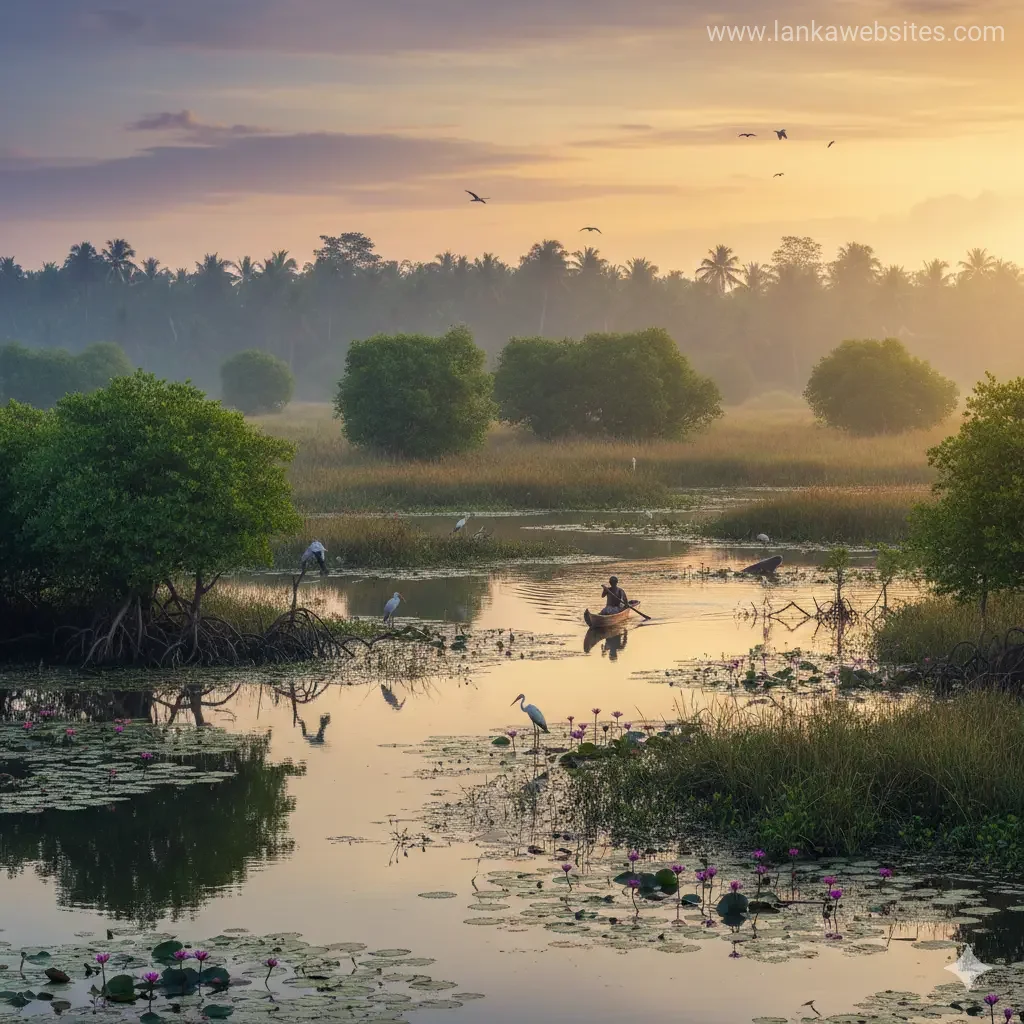
Introduction to Wetland Ecosystems Wetlands are some of the most unique and fascinating ecosystems on the planet. These areas, where water meets land, are
Introduction to Wetland Ecosystems
Wetlands are some of the most unique and fascinating ecosystems on the planet. These areas, where water meets land, are home to a diverse range of plant and animal species that have adapted to thrive in these environments. In New Zealand, wetlands are an essential part of our natural heritage, providing important habitat for native birds, fish, and other wildlife. One of the most notable wetland ecosystems in the world is Muthurajawela, located in Sri Lanka. However, in this article, we'll be exploring wetland ecosystems in a broader sense, including examples from New Zealand and beyond.
Wetlands come in many different forms, from coastal mangroves and salt marshes to freshwater swamps and peat bogs. Each type of wetland has its own distinct characteristics and supports a wide range of biodiversity. Unfortunately, many wetland ecosystems around the world are under threat from human activities such as drainage, pollution, and overfishing. It's essential that we take steps to protect and conserve these vital ecosystems, not just for the benefit of the plants and animals that live there, but also for the many benefits they provide to humans.
In New Zealand, we're fortunate to have a wide range of wetland ecosystems, from the famous Whangamarino Wetland in the Waikato to the lesser-known but equally important wetlands of the South Island. By learning more about these ecosystems and the importance of conservation, you can play a role in helping to protect New Zealand's natural heritage. So, let's dive in and explore the wonderful world of wetland ecosystems, starting with the unique case of Muthurajawela.
What is Muthurajawela?
Muthurajawela is a large wetland ecosystem located in Sri Lanka, just north of the capital city Colombo. This unique ecosystem is a mix of mangrove forest, salt marsh, and freshwater wetland, providing a habitat for a wide range of plant and animal species. Muthurajawela is not only an important site for biodiversity but also plays a crucial role in protecting the surrounding community from natural disasters such as floods and storms. The wetland acts as a natural buffer, absorbing excess water and reducing the risk of damage to nearby homes and businesses.
Muthurajawela is also an important example of the interconnectedness of wetland ecosystems. The wetland is fed by a network of rivers and streams, which in turn support a wide range of aquatic life. The wetland's mangrove forests provide a nursery for young fish and crustaceans, which then migrate out to sea, supporting the local fishing industry. This interconnectedness is a key feature of wetland ecosystems, and it's something that we can learn from in our efforts to conserve and protect these areas.
Key Features of Muthurajawela
Some of the key features of Muthurajawela include:
- A diverse range of plant species, including mangroves, salt marsh, and freshwater vegetation
- A wide range of animal species, including birds, fish, and crustaceans
- A natural buffer against floods and storms
- An important site for biodiversity conservation
- A key component of the local ecosystem, supporting the fishing industry and other human activities
Wetland Ecosystems in New Zealand
New Zealand is home to a wide range of wetland ecosystems, from coastal mangroves and salt marshes to freshwater swamps and peat bogs. Some of the most notable wetlands in New Zealand include:
- The Whangamarino Wetland in the Waikato, one of the largest and most diverse wetlands in the country
- The Firth of Thames, a coastal wetland that provides a habitat for a wide range of bird species
- The Ashburton River mouth, a unique and threatened ecosystem that supports a wide range of plant and animal species
These wetlands provide a range of benefits, including:
- Habitat for native birds, fish, and other wildlife
- Natural filters, helping to clean our waterways and protect our environment
- Coastal protection, reducing the risk of erosion and damage from storms
- Opportunities for recreation and tourism, supporting local economies
Threats to Wetland Ecosystems
Despite their importance, many wetland ecosystems in New Zealand and around the world are under threat. Some of the key threats include:
- Drainage and land conversion: Wetlands are often drained and converted into agricultural land or urban areas, leading to the loss of habitat and biodiversity.
- Pollution: Wetlands are vulnerable to pollution from agricultural runoff, sewage, and other human activities, which can harm plant and animal species.
- Overfishing: The overfishing of wetland species can have a significant impact on the ecosystem, leading to the decline of key species and the degradation of the environment.
- Climate change: Climate change is having a major impact on wetland ecosystems, leading to changes in water levels, temperature, and other environmental factors.
Conserving and Protecting Wetland Ecosystems
So, what can you do to help conserve and protect wetland ecosystems? Here are some practical steps you can take:
- Support conservation efforts: Many organisations, including the Department of Conservation and local conservation groups, are working to protect and restore wetland ecosystems. You can support these efforts by donating time or money.
- Reduce your impact: You can reduce your impact on wetland ecosystems by reducing your use of pesticides and fertilisers, which can pollute waterways and harm plant and animal species.
- Get involved in citizen science: There are many opportunities for citizens to get involved in scientific research and monitoring of wetland ecosystems. This can be a great way to learn more about these ecosystems and contribute to their conservation.
- Spread the word: Raising awareness about the importance of wetland ecosystems is a key step in their conservation. You can help by sharing information with friends and family, and supporting education and outreach efforts.
Conclusion and Key Takeaways
In conclusion, wetland ecosystems are unique and fascinating environments that provide a wide range of benefits for both humans and the environment. By learning more about these ecosystems and the importance of conservation, you can play a role in helping to protect New Zealand's natural heritage. Some key takeaways from this article include:
- Wetland ecosystems are diverse and complex, providing a habitat for a wide range of plant and animal species.
- These ecosystems are under threat from human activities such as drainage, pollution, and overfishing.
- You can help conserve and protect wetland ecosystems by supporting conservation efforts, reducing your impact, getting involved in citizen science, and spreading the word.
- Wetland ecosystems are an important part of New Zealand's natural heritage, and their conservation is essential for the health of our environment and our communities.
By taking action to protect and conserve wetland ecosystems, we can help ensure the long-term health and sustainability of these unique and important environments. So, get out there and start exploring – you never know what amazing things you might discover in the wonderful world of wetland ecosystems!